SWEETNESS WITHOUT SUGAR
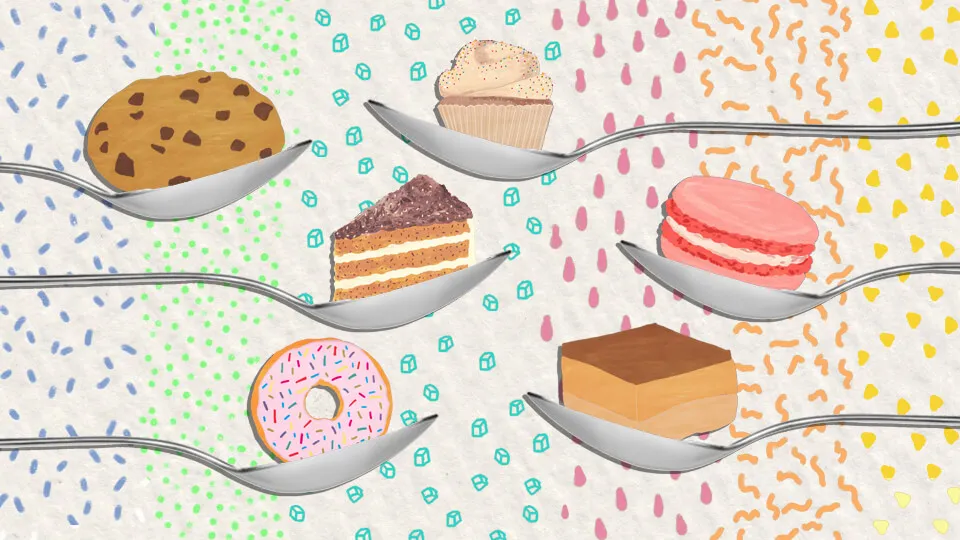
Okay, you’re sweet enough already, we get that. But if you really want to cut down on the sugar in your diet, what should you know about the alternatives?
Going “sugar free” has become standard when we’re trying to clean up our diets, and there has been growing global awareness of the dangers of sugar in western diets for some years now.
So if we’re not eating sugar, but we still want to enjoy a sweet taste, what’s the best alternative? Are so-called “natural” sweeteners okay?
With consumer preferences prompting food manufacturers to change their products, often removing sugar, we have a lot of non-sugar options these days. It’s a good trend, but it’s worth checking what’s going into foods instead of sugar, and to arm yourself with information about these sugar substitutes.
There are two main things food manufacturers do to maintain sweetness without sugar. The first is the use of so-called “natural” sugars: things like honey, maple syrup, rice malt syrup, fruit juice and coconut sugar. This means food marketers can claim “no refined sugar” or “naturally sweetened” on a product’s packaging.
Although technically true, this can be misleading. All of the above ingredients are classified as “free sugars” by the World Health Organization, which recommends we limit our daily intake to less than six teaspoons. Eating something sweetened with one of these “natural” sugars is no better than eating something containing ordinary white cane sugar.
Eating something sweetened with “natural” sugars is no better than eating something containing ordinary white cane sugar.
The other thing manufacturers are doing more often is using artificial, or “non-nutritive”, sweeteners. These have no calorific value, but they do taste really sweet. They also have a bit of a bad reputation, although there are some natural ones, such as stevia, that are more accepted and are being widely used.
The research around non-nutritive sweeteners is interesting. The traditional ones – aspartame, sucralose etc – are some of the most-studied food additives around. For a long time there’s been no strong evidence they are harmful, but recently there has been the suggestion of a link between non-nutritive sweeteners and an increased risk of heart disease, high blood pressure and diabetes. They have also been linked with larger waist circumference and obesity.
It’s been suggested that sweeteners may have an effect on the bacteria in our gut, altering it in such a way that we’re more inclined to gain weight – the opposite of what we’d hope for when choosing a food or drink with no sugar.
Exposure to non-nutritive sweeteners early in life – and even in the womb – has been linked with poor cardio-metabolic health later in life. As with the previously mentioned research, however, more investigation is needed.
It seems for now that non-nutritive sweeteners may not be the great sugar-free solution we’ve wanted. So what’s the answer if we want a sweet taste with less sugar?
Experts say we don’t need to worry about natural sugars – so-called “intrinsic” sugars – in things like fruit and dairy, which are bound up in the cell walls of those foods, and are not a concern. Also, they come as part of whole foods that have other good things going for them, like vitamins, minerals and fiber.
A little bit of added sugar is okay, too – between five and six teaspoons of added (or free) sugar a day. Remember that includes white sugar, brown sugar, syrup, honey, fruit juice and all of those so-called “natural” sugars such as coconut sugar and rice malt syrup.
Six teaspoons is really not much – one can of sugary soda would put you well over that limit. So we are better off aiming, if we can, for as little sweet-tasting food and drink as possible, no matter how it’s sweetened (excluding whole fruit).
Sweet things tend to make us crave more sweet things, so the less we have, the more we can re-train our palates to accept a less sweet taste. By gradually cutting out sweeteners – sugar or otherwise – over time we will reduce the cravings and condition ourselves to a new diet.
With drinks, transitioning from a sugar-sweetened drink to a sugar-free drink is useful, but don’t stop there. Try and get to a point where sweet things really are just an occasional treat.
If you want more health and fitness inspiration simply sign up to Fit Planet and get the freshest insights and advice straight to your inbox.

Niki Bezzant is a New Zealand-based food writer, editor and commentator. She is the founding editor (now editor-at-large) of Healthy Food Guide magazine, and is currently president of Food Writers New Zealand and a proud ambassador for the Garden to Table program which helps children learn how to grow, cook and share food. She is a member of the Council of Directors for the True Health Initiative, a global coalition of health professionals dedicated to sharing a science-based message of what we know for sure about lifestyle and health.

Fit Planet
Why exercise fights depression: scientists uncover how muscles talk to the brain

Fit Planet
Exercise for mental health: What the research says about feeling happier, healthier, and more resilient

Fit Planet
How to become a group fitness Instructor: A step-by-step guide

Fit Planet
Why music makes exercise feel easier, more enjoyable, and more effective

Fit Planet
Are you eating enough to support your workouts? 7 signs you're under-fueling your training

Fit Planet
10 signs you'd make a great group fitness Instructor

Fit Planet
Does exercise help you lose weight? What the science really says

Fit Planet
How much strength training do you need to live longer? Scientists say 90-120 minutes per week

Fit Planet
Should you change your workouts based on your menstrual cycle?

Fit Planet
When is the best time to exercise? Morning vs evening workouts explained

Fit Planet
What is CEREMONY HYROX? A complete guide to the new Les Mills x HYROX workouts

Fit Planet