COMPRESSION GEAR FACTS
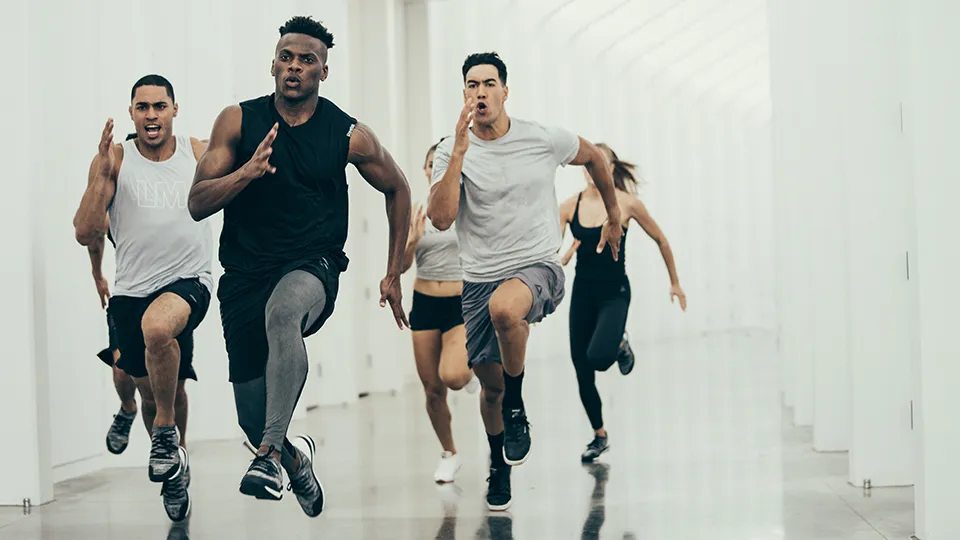
Compression garments are touted as the secret to increasing muscle power and optimizing athletic performance – science or hype?
The theory behind compression clothing is that it helps blood flow through the muscles in the part of the body wearing the garment (i.e. if you’re wearing compression tights it will help blood flow through the legs). This means that oxygen (and other fuels for exercise, such as carbohydrates) can get to the muscle quicker, and the waste products (such as lactic acid) can be taken away from the muscle with more haste.
Several scientific studies have attempted to prove these theories, and have come up with some interesting results; here’s what the science tells us about the benefits of compression garments:
Compression clothing aids post-training recovery
A recent review has shown that compression garments can aid recovery, regardless of how much pressure the garment puts on the body. They found that people performed better the next day after wearing a compression garment compared to no compression. Strength training had the largest improvements in recovery, with slightly smaller recovery benefits (but still more than wearing no compression) for cycling-based exercise, and recovery benefits that were slightly smaller again for cardio-based exercise.
Compression clothing doesn’t affect performance during a training session/match
Although some individual studies have suggested small performance improvements, the clear majority say that there is no improvement in performance when wearing compression garments while training.
Compression clothing reduces DOMS
DOMS (delayed onset muscle soreness) is the achy feeling you get after training, and it usually presents between eight hours and two days after a training session. Compression garments have been shown to reduce these feelings of soreness. A variety of studies have shown that wearing compression garments after a training session will hugely reduce the feelings of soreness, whether it is strength training, sprint training (which is similar to HIIT) or a sports-specific combination of cardio and strength training.
It doesn’t matter if you’re new to exercise or not
The benefits of compression garments were seen for both regular exercisers, and those new to exercise – indicating that donning compression clothing can be advantageous for all exercisers, not just elite athletes.
Compression clothing makes your skin hotter
Every study that has measured temperature and compression garments has shown that wearing them makes your skin hotter. This is hardly surprising, but worth considering if you are recovering in a hot environment.
THE BOTTOM LINE
The evidence suggests that wearing compression garments while training does not affect performance. However, wearing compression garments for up to 24 hours after training seems to speed up recovery and decrease the feelings of soreness. This is particularly useful if you are training multiple times per week.

Mike Trott is a UK-based fitness professional who specializes in sports personality psychology and sports exercise physiology. He has conducted academic research into group exercise interventions and personality, exercise addiction, and foam rolling physiology, and is also a multi-award-winning Les Mills instructor, trainer and presenter.
Sign up to Fit Planet and get fresh health and fitness news and advice straight to your inbox. Subscribe
Fit Planet
Home exercise hacks: The tips home exercisers swear by
Fit Planet
Why exercise fights depression: scientists uncover how muscles talk to the brain

Fit Planet
Exercise for mental health: What the research says about feeling happier, healthier, and more resilient
Fit Planet
How to become a group fitness Instructor: A step-by-step guide
Fit Planet
Why music makes exercise feel easier, more enjoyable, and more effective

Fit Planet
Are you eating enough to support your workouts? 7 signs you're under-fueling your training
Fit Planet
10 signs you'd make a great group fitness Instructor
Fit Planet
Does exercise help you lose weight? What the science really says
Fit Planet
How much strength training do you need to live longer? Scientists say 90-120 minutes per week
Fit Planet
Should you change your workouts based on your menstrual cycle?
Fit Planet
When is the best time to exercise? Morning vs evening workouts explained
Fit Planet