EXERCISE AND IMMUNITY

The Covid-19 coronavirus pandemic has provided a timely reminder that regular exercise as part of a healthy lifestyle is still one of our best defences.
You know the drill: wash your hands thoroughly, cough or sneeze into a tissue or your elbow, clean surfaces thoroughly, self-isolate if you think you’ve been in contact with an infected person. Until a vaccine is fully introduced, these are the recommendations for preventing the spread of Covid-19.
However, if you’re reading this, the good news is that you are probably already doing the very best thing you can to boost your immune system and prepare your body to fight disease – exercising.
As we have reported before, if exercise was a pill it would be regarded as a wonder drug, the best medicine, so powerful are its known effects to improve everything from general wellbeing to musculoskeletal disease to cardiovascular problems to diabetes, multiple sclerosis, mental health, anxiety and depression.
So, aside from getting stronger and fitter, here are three big reasons to keep exercising – or to start if you aren’t already:
SUPPORT YOUR IMMUNE SYSTEM

It’s simple – being physically fit increases your immunological fitness too. Basically, exercise increases blood flow and mobilizes white blood cells, one of the main defences against harmful microbes. At least 150 minutes of moderate aerobic exercise or 75 minutes of vigorous exercise per week is recommended, but anything is better than nothing. One study found that just 30 minutes of brisk walking increased the circulation of natural killer cells and other immune system warriors in the blood.
REDUCE YOUR RISK OF CHRONIC ILLNESS

The American College of Sports Medicine’s “Exercise Is Medicine” project has documented the myriad health benefits of exercise, including lowering the incidence of various cancers, reducing the risk of excessive weight gain (with its associated health problems, including diabetes) and improved cardiovascular health (including lower risk of hypertension and stroke). All of these contributed to an overall lower risk of all causes of mortality in people who exercise. Another large analysis reported in 2009 found these same benefits were experienced by people already suffering from chronic conditions.
IMPROVE YOUR MENTAL HEALTH

Stress hormones compromise immune function but exercise, including yoga, is very good at combatting stress. Numerous studies have shown that regular physical activity is associated with better mental health, including a reduced risk or incidence of dementia, reduced feelings of anxiety and depression, improved cognitive function, improved quality of life, improved sleep. Again, the latest neuroscience shows that even moderate physical activity can have major benefits.
To say exercise is always more effective than conventional medicine is a stretch, and no one is saying a workout will help in a genuine health emergency. But a huge 2013 comparison study of exercise and drug interventions found that being fit was as good if not better at combatting a number of chronic illnesses.
In short, exercise is really good for you, so keep it up.
Sign up to Fit Planet and get fresh health and fitness news and advice straight to your inbox. Subscribe

Fit Planet
Home exercise hacks: The tips home exercisers swear by

Fit Planet
Why exercise fights depression: scientists uncover how muscles talk to the brain

Fit Planet
Exercise for mental health: What the research says about feeling happier, healthier, and more resilient
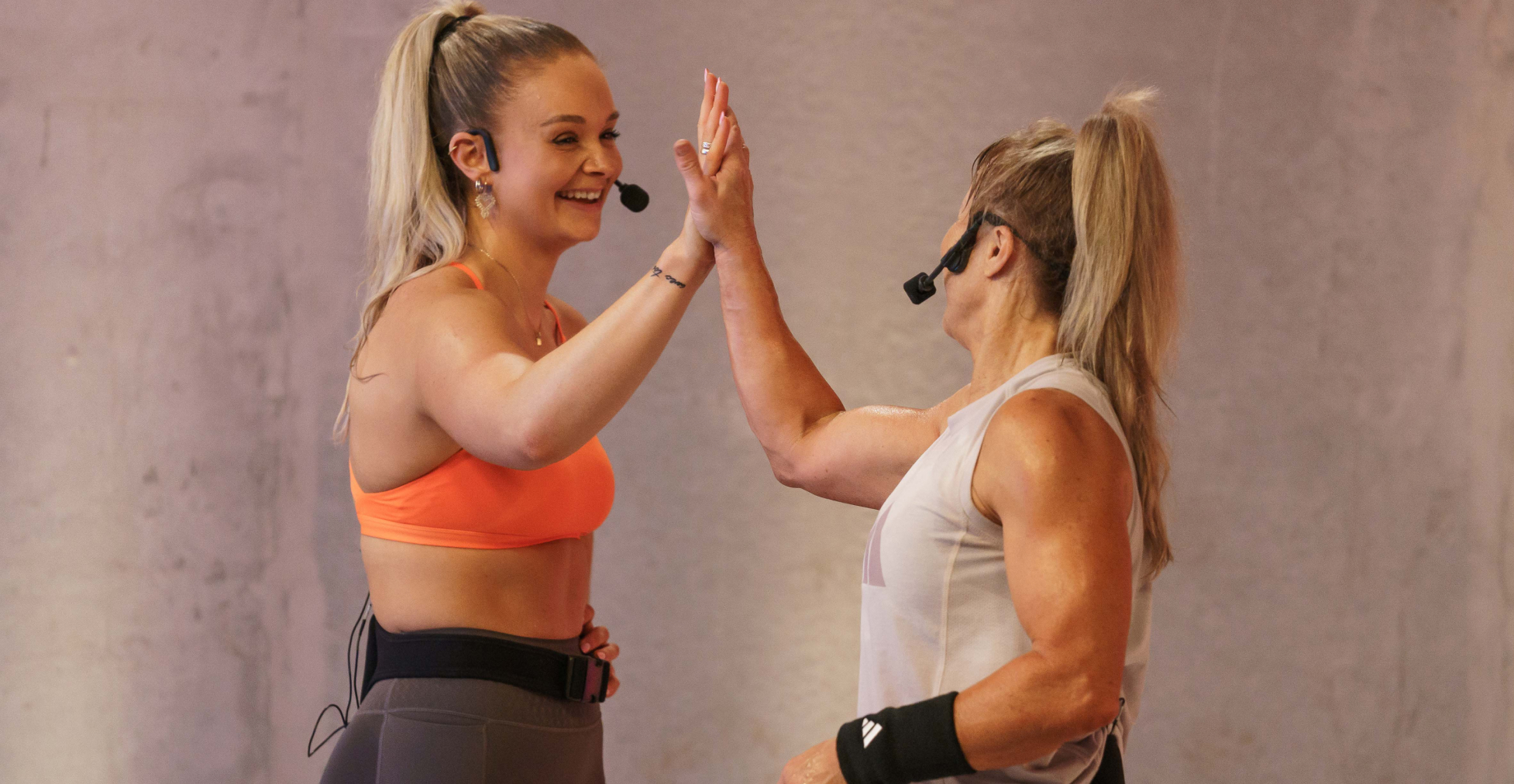
Fit Planet
How to become a group fitness Instructor: A step-by-step guide

Fit Planet
Why music makes exercise feel easier, more enjoyable, and more effective

Fit Planet
Are you eating enough to support your workouts? 7 signs you're under-fueling your training

Fit Planet
10 signs you'd make a great group fitness Instructor

Fit Planet
Does exercise help you lose weight? What the science really says

Fit Planet
How much strength training do you need to live longer? Scientists say 90-120 minutes per week

Fit Planet
Should you change your workouts based on your menstrual cycle?

Fit Planet
When is the best time to exercise? Morning vs evening workouts explained

Fit Planet