Strength training and sleep: Can lifting weights help you sleep better?
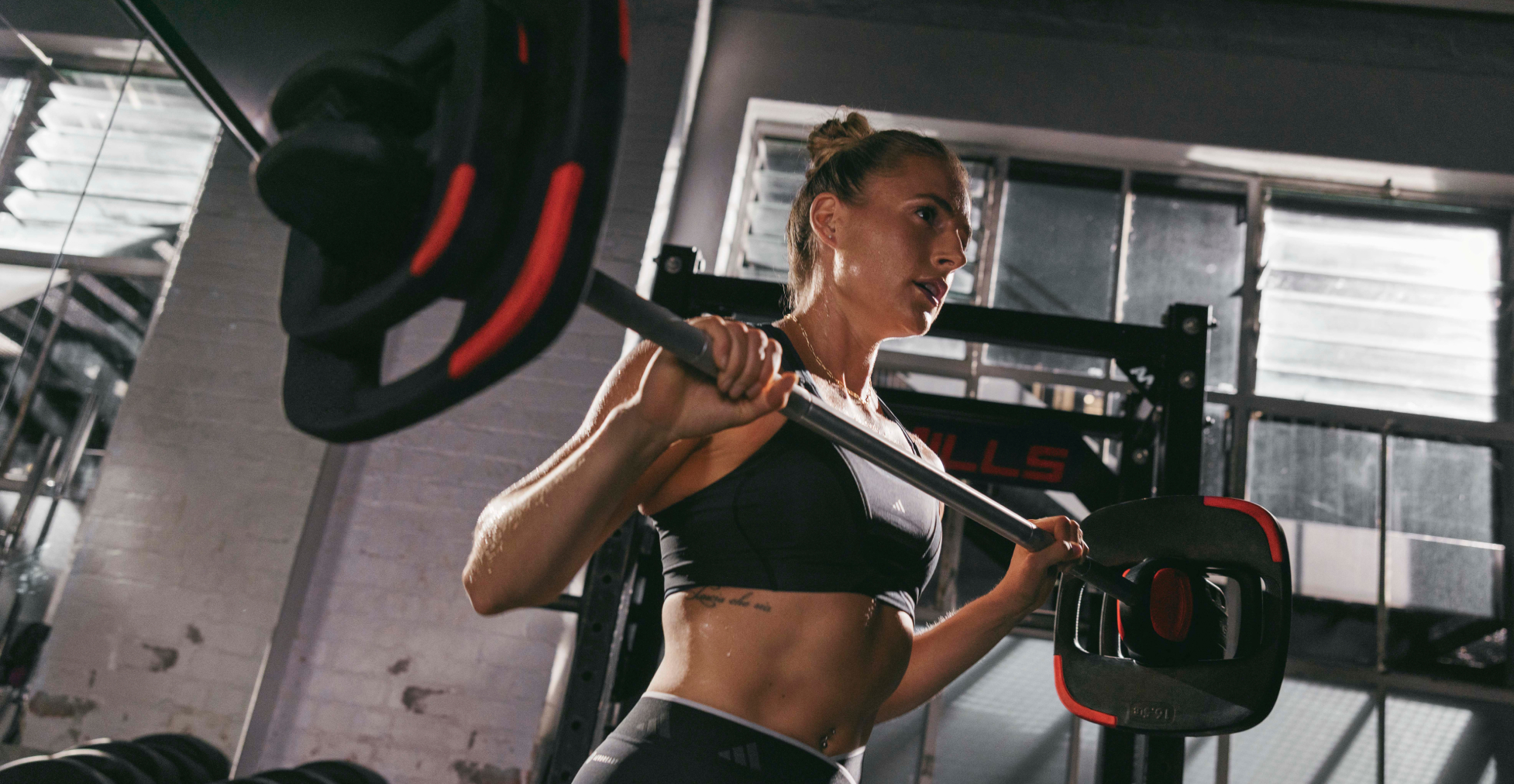
Want to sleep better? The answer could be waiting in the weights room. Research suggests resistance training could add up to 40 minutes of sleep a night, while helping you recover, perform, and feel better.
Strength training is known for building muscle, supporting bone health, and helping you feel fit, strong, and capable. There are many reasons to love lifting, and growing evidence suggests its benefits stretch well beyond the gym floor.
Research now indicates that strength training may improve sleep quality, help you fall asleep faster, reduce time spent awake at night, and even contribute to a longer, healthier life.
For anyone trying to maximize both recovery and results, that makes strength training one of the most valuable additions to a weekly exercise routine.
Quick answer: Does strength training help you sleep?
Yes. Research suggests resistance training can help you sleep longer, fall asleep faster, and spend less time awake during the night. In one study, participants who added strength training gained up to 40 minutes of sleep a night.
Aerobic activity has long been the go-to exercise recommendation for people struggling with sleep. But the latest research suggests resistance training may deliver even greater improvements in sleep duration and quality.
Study participants who completed strength-training workouts experienced:
- Up to 40 additional minutes of sleep each night
- Around 17 minutes more sleep than those completing aerobic exercise alone
- Less time spent awake during the night
- Faster sleep onset
Across a week, that could add up to more than four and a half hours of extra sleep!
These findings challenge the common recommendation that people with insomnia or sleep deprivation should simply add more aerobic activity to their day.
“While both aerobic and resistance exercise are important for overall health, our results suggest that resistance exercises may be superior when it comes to getting better z's at night,” comments lead researcher Angelique Brellenthin, from Iowa State University.
For busy people constantly trying to balance training, work, family commitments and recovery, that's a compelling return on investment.

Why better sleep matters
These findings are particularly significant when viewed alongside broader sleep research. A 2021 study suggests that all it takes is a single night of poor sleep (that’s considered fewer than six hours) to negatively affect both physical and mental wellbeing.
Researchers have linked insufficient sleep to:
- Reduced physical wellbeing
- Greater emotional distress
- Increased body aches
- Gastrointestinal symptoms
- Respiratory issues
And when poor sleep becomes chronic, the consequences can multiply. For many people, improving sleep may be one of the fastest ways to improve energy, recovery, mood, exercise performance and overall health.
How much strength training can support better sleep?
You don’t need lift every day to see benefits. One of the most encouraging findings from the longevity research is that the threshold for benefits appears relatively modest.
Those who boosted their sleep count by 40 minutes a night were doing three 60-minute strength sessions a week. Other studies suggest the broader health-improving perks of strength training can kick in with as little as 30-60 minutes of muscle-strengthening activity each week. The latest 2026 research points to 90-120 minutes a week as a potential strength training sweet spot.
According to Bryce Hastings, Head of Research at Les Mills, an effective weekly exercise routine should include:
- Two strength-training sessions that target the major muscle groups
- Three to four cardio sessions
- One flexibility and mobility session
This balanced approach supports strength development, cardiovascular fitness, recovery, mobility, sleep quality and long-term health.
What time of day is best for strength training and sleep? The research covered here supports adding regular resistance training to your week, but it does not establish one ideal workout time for everyone. Choose a time you can follow consistently and pay attention to how late sessions affect your own sleep.
AM vs PM? Learn more about the pros and cons of different workout times and how to choose the best training time for you. The best time to exercise.

Strength, sleep and longevity
Better sleep may not be the only payoff. Dialing up your strength training could also support a longer, healthier life.
We’ve long known resistance training can help lower the risk of premature death, but there’s been scant evidence showing how much strength training you actually need. Now, thanks to a 2026 study based on 30 years of health data from almost 150,000 people, we can reveal the answer.
The researchers found that 90-120 minutes of strength training a week was associated with lower risk of cardiovascular and neurological death.
While strength training showed a particularly strong association with longevity, the benefits were greater when resistance workouts were combined with aerobic training. People who did 90-120 minutes of strength training each week, plus a high amount of cardio, saw the biggest benefit. They had a 45% lower risk of early death compared to less active people.

Strength training and sleep: the bottom line
If you're looking to improve your sleep, resistance training deserves a place in your routine.
Strength training may help you sleep longer, fall asleep faster, and spend less time awake at night. Research also links regular resistance training with healthy aging, plus a lower risk of chronic disease and early death. Aim for a balanced routine that combines strength work with cardio, mobility, and enough recovery.
Related reading
The science of sleep: How sleep and exercise work together for better health
Learn how sleep influences recovery, weight management, wellbeing, athletic performance and long-term health.
HIIT and sleep: Finding the sweet spot for better recovery
Discover the optimal dose of high-intensity training for better sleep, mood and energy.
Sleep and athletic performance: How better sleep improves recovery and results
Explore the powerful relationship between sleep, recovery, injury prevention and performance.
Want more health and fitness insights?
Get monthly Fit Planet updates straight to your inbox.
Want more health and fitness insights?
More about the author
Emma Hogan
Emma is a health and fitness writer with 20 years of experience creating evidence-based features that bridge the gap between scientific research and real-world application. Based in New Zealand, she works with global exercise scientists, physiotherapists, and internationally recognized fitness experts to uncover the latest insights in health, fitness, and human performance.
Known for making complex topics accessible and engaging, Emma writes on everything from strength training and recovery to motivation, behavior change, and lifelong wellbeing. Her work helps readers navigate an increasingly crowded health landscape and make informed choices grounded in credible research rather than trends or misinformation.


Fit Planet
Stay in the game: The 12 min pre-hab routine top trainers swear by

Fit Planet
Sleep and exercise: Why better sleep could be the missing piece of your health puzzle

Fit Planet
Muscle pain after exercise: What it means and how to manage it

Fit Planet
What causes muscle cramps during exercise – and how can you prevent them?

Fit Planet
HIIT and sleep: What’s the sweet spot for better recovery?

Fit Planet
Sleep and athletic performance: How better sleep improves recovery and results
Fit Planet
Strength training and sleep: Can lifting weights help you sleep better?

Fit Planet
High performance mindset: what we can learn from elite athletes

Fit Planet
Home exercise hacks: The tips home exercisers swear by

Fit Planet
Why exercise fights depression: scientists uncover how muscles talk to the brain

Fit Planet
Exercise for mental health: What the research says about feeling happier, healthier, and more resilient
Fit Planet