Home exercise hacks: The tips home exercisers swear by
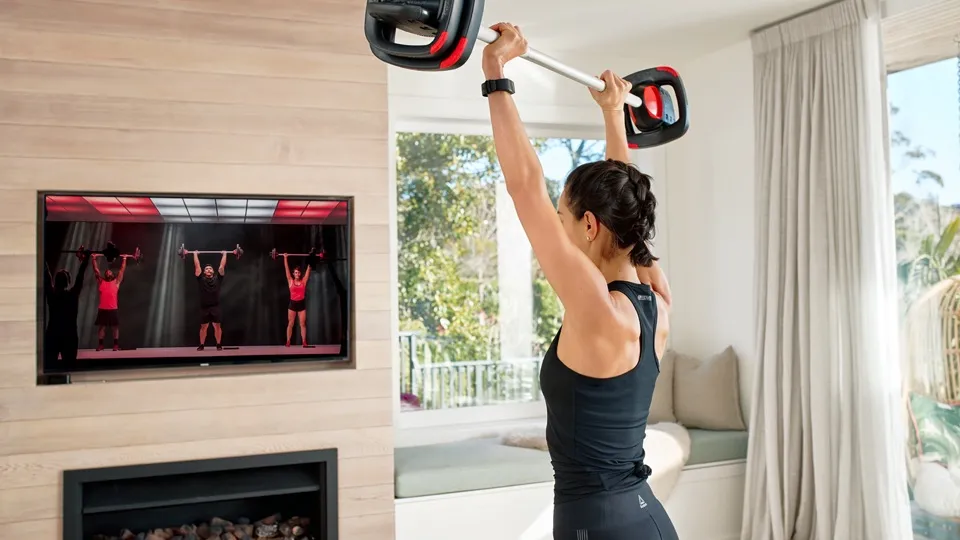
If you're new to working out at home, establishing a routine can feel harder than the workout itself. The good news? Millions of people have already figured out how to make home fitness stick, and their advice is surprisingly simple. From creating a dedicated workout space to downloading classes in advance, these are the habits that help real people stay motivated, consistent, and getting results.
Quick answer: How do you succeed with home workouts?
People who've exercised at home successfully for years tend to follow the same playbook:
• Schedule workouts ahead of time
• Create a space dedicated to exercise
• Make smart equipment choices
• Download workouts in advance
• Follow a plan, but stay flexible
• Find your own motivation triggers
• Focus on consistency over perfection
Read on for the practical tips that make these habits easy to put into action.
How can I make home workouts a motivating experience?
The first step is to choose smart workouts. By opting for LES MILLS+ workouts you’re getting workouts designed by global experts in fitness programming. That means science-backed moves that are safe and effective, motivating coaches, and amazing workout music all sorted for you.
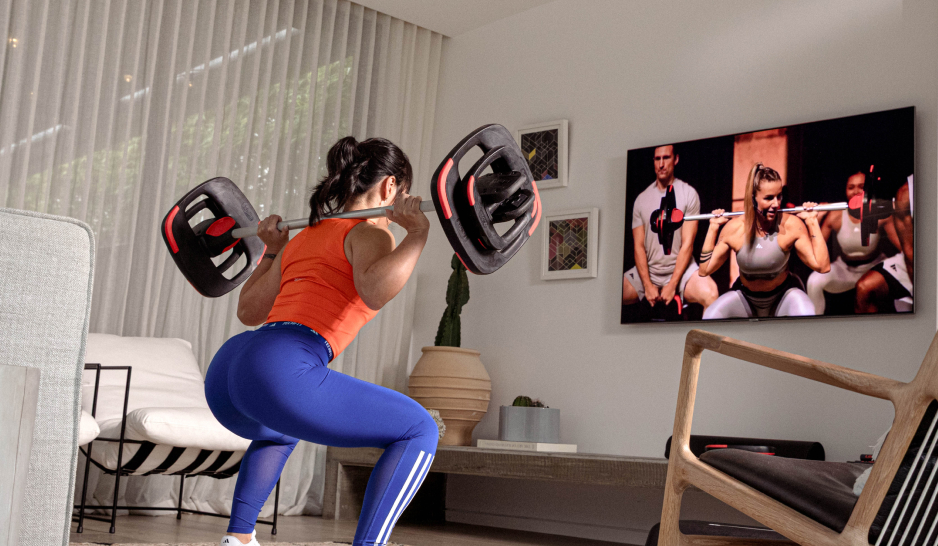
The next most important step is the setup. While streaming from your phone or tablet works perfectly well, many experienced home exercisers say connecting to a bigger screen makes workouts far more engaging. A TV setup can create a more immersive experience, helping you stay focused and motivated from start to finish.
Good sound matters, too. Katarina Berggren from Sweden loves using headphones during early morning workouts. "I use headphones so I don't wake the family." Others say headphones help them feel more immersed in the workout, especially when exercising outdoors.
Takeaway: Make your workouts feel like an event. The more engaging the experience, the easier it is to show up consistently.
What equipment do I need to work out at home?
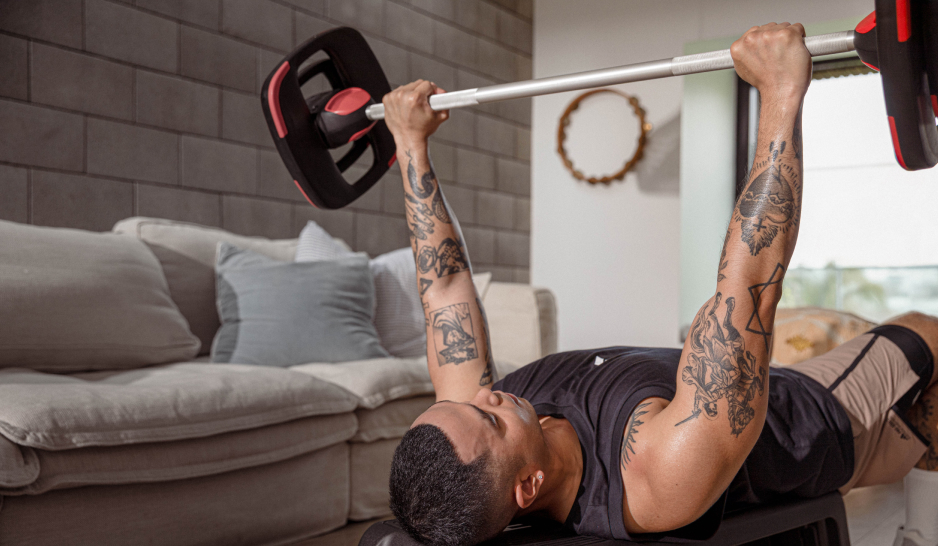
Less than you think. There are thousands of workouts available on the LES MILLS+ app that can be done using bodyweight alone. If you want to lift weights there are plenty of options. Les Mills Creative Kylie Gates says that if you choose a workout like BODYPUMP™, even just using one or two weight plates will provide you with a really solid strength building effect.
UK-based cycling enthusiast Jennifer Martin found a simple solution for bringing cycle workouts into her home setup: "I've fitted a stand to my bike that holds my 15-inch laptop, so I can view RPM and THE TRIP. It cost me the best part of £5."
Although you can certainly make do without equipment, many use equipment purchases as motivation. Since starting at-home exercise Cathy Sheppard has slowly begun investing in LES MILLS™ Equipment. This is the gear that’s been purpose-designed to make training feel more effective, more comfortable and more enjoyable. For Cathy, it’s a game changer. She says having quality equipment helps keeps her motivated, so she keeps investing in it, “I know I am putting my money to good use.”
Setup tip: Keep your equipment together in a basket or tidy spot, with a towel and water ready. Home exerciser Laurie A. Lucas says a dedicated area can also reinforce fitness habits, “It’s how we stay accountable!”
Takeaway: You don't need a full home gym equipment set up to get results. Start with what you have and build from there.
Why should you download workouts in advance?
It's a simple habit that removes one of the biggest barriers to consistency. Regular home exercisers recommend downloading your favorite workouts ahead of time so you're never relying on your internet connection when it's time to train.
For Debbie Tonkin, it's also a way to stay accountable. "I plan ahead which workout I want to do, download it, and set a time to do it!"
Les Mills Head of Research, Bryce Hastings explains, “The fewer decisions and obstacles standing between you and your workout, the more likely you are to complete it.” This is something backed up by recent habit science research. In a year-long study of 1,134 people new to exercise, those who combined clear goals and enjoyable workouts with preparation habits, such as laying out their gear, and instigation habits, such as exercising after an existing daily routine, worked out 200% more often than people given none of these tools. The practical lesson is simple: decide what will cue your workout, prepare for it in advance, and write down how you will handle likely barriers.
Planning tip: Schedule a specific workout time, then decide what you will do well in advance. Lay out your gear and clear enough space to move, so you can start immediately when the time arrives.
Practical tip: Choose your workout the night before, bookmark it, and remove distractions before you begin. As home exerciser Gosia Mider puts it, this simple setup protects your workout time and helps you stay focused, “All I have to do is follow the screen”.
What's the best way to create a home workout routine?
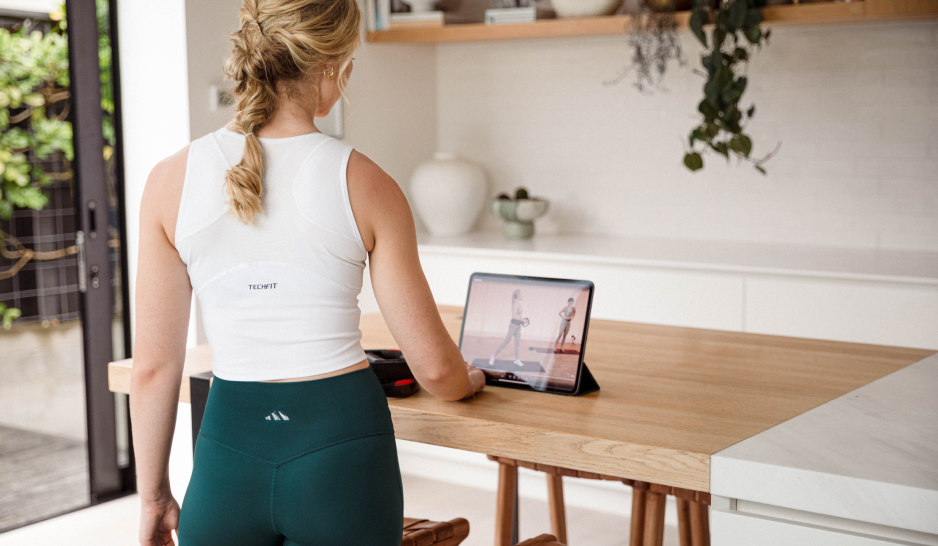
Have a plan, but don't let the plan control you. Workout schedules can be a great way to stay focused and work towards a goal. At the same time, experienced home exercisers know that flexibility is often the key to long-term success.
To support a well-balanced start to fitness, Hastings recommends the SMART START approach. This involves starting slowly, managing workout duration and intensity, and building steadily as your fitness improves. Enjoyment and support matter too: choose workouts that feel good, plan in one-week blocks, reflect on what is working, and if you can, train with a friend who will help you stay accountable.
Gosia Mider follows a structured training plan but doesn't force herself to stick to it at all costs. "The main thing for me is to enjoy the workout and not just do it because I feel I must."
Similarly, Hawaii-based Carol Yuen plans workouts in advance. "I do the planning so I don't have to spend time thinking about what to do that day or the next." But she adds, she also gives herself permission to switch things up whenever needed.
Takeaway: Planning creates consistency. Flexibility makes that consistency sustainable.
Want your planning sorted for you? The science-backed training plans on LES MILLS+ make it easy to follow a smart, sustainable routine.
How do successful home exercisers stay motivated?
The most interesting answer is that everyone does it differently.
For Gosia Mider, motivation starts with fun. "I have a collection of bright, funny, cheerful workout clothes, including a tutu and rainbow wings!"
For Cathy Sheppard, progress is the biggest motivator. "It is cool to see where I started and where I am now. It's a real motivation."
Whether it's tracking progress, wearing clothes that make you feel great, investing in equipment, or simply scheduling dedicated time for yourself, the best motivation strategy is the one you'll actually stick with.
Takeaway: There is no perfect formula. Find the small things that make you want to keep showing up.
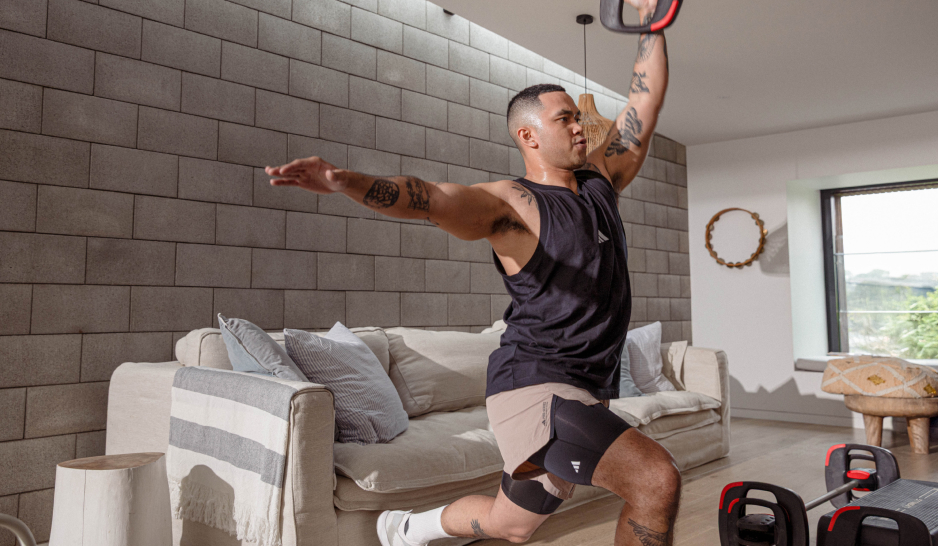
The home fitness habits that matter most
After years of successfully working out at home, these exercisers all point to the same truth: success doesn't come from one thing. It comes from removing barriers, creating routines that fit your life, and finding workouts you genuinely enjoy.
The goal isn't to replicate a gym. It's to create an environment where exercise becomes an easy and rewarding part of your day.
Want more top tips for at-home exercise success? Check out LES MILLS+.
FAQs
What is the best way to start exercising at home?
Start simple. Schedule a few workouts each week, create a dedicated space to exercise, and choose workouts that match your fitness level and interests.
Do I need equipment for home workouts?
No. Many effective workouts use only bodyweight. If you choose to add equipment, start small and invest gradually.
How often should I work out at home?
Aiming for three to five workouts per week is a realistic starting point for many people. Consistency matters more than doing everything perfectly.
How do I stay motivated to exercise at home?
Successful home exercisers recommend scheduling workouts, planning ahead, tracking progress, and choosing workouts you enjoy.
Can home workouts be as effective as gym workouts?
Yes. With the right mix of strength, cardio, and recovery training, home workouts can deliver excellent fitness results while offering greater convenience and flexibility.
More about the author
Emma Hogan
Emma is a health and fitness writer with 20 years of experience creating evidence-based features that bridge the gap between scientific research and real-world application. Based in New Zealand, she works with global exercise scientists, physiotherapists, and internationally recognized fitness experts to uncover the latest insights in health, fitness, and human performance.
Known for making complex topics accessible and engaging, Emma writes on everything from strength training and recovery to motivation, behavior change, and lifelong wellbeing. Her work helps readers navigate an increasingly crowded health landscape and make informed choices grounded in credible research rather than trends or misinformation.

Fit Planet
Home exercise hacks: The tips home exercisers swear by

Fit Planet
Why exercise fights depression: scientists uncover how muscles talk to the brain

Fit Planet
Exercise for mental health: What the research says about feeling happier, healthier, and more resilient
Fit Planet
How to become a group fitness Instructor: A step-by-step guide

Fit Planet
Why music makes exercise feel easier, more enjoyable, and more effective

Fit Planet
Are you eating enough to support your workouts? 7 signs you're under-fueling your training

Fit Planet
10 signs you'd make a great group fitness Instructor

Fit Planet
Does exercise help you lose weight? What the science really says
Fit Planet
How much strength training do you need to live longer? Scientists say 90-120 minutes per week
Fit Planet
Should you change your workouts based on your menstrual cycle?
Fit Planet
When is the best time to exercise? Morning vs evening workouts explained
Fit Planet