How to breathe the Pilates way
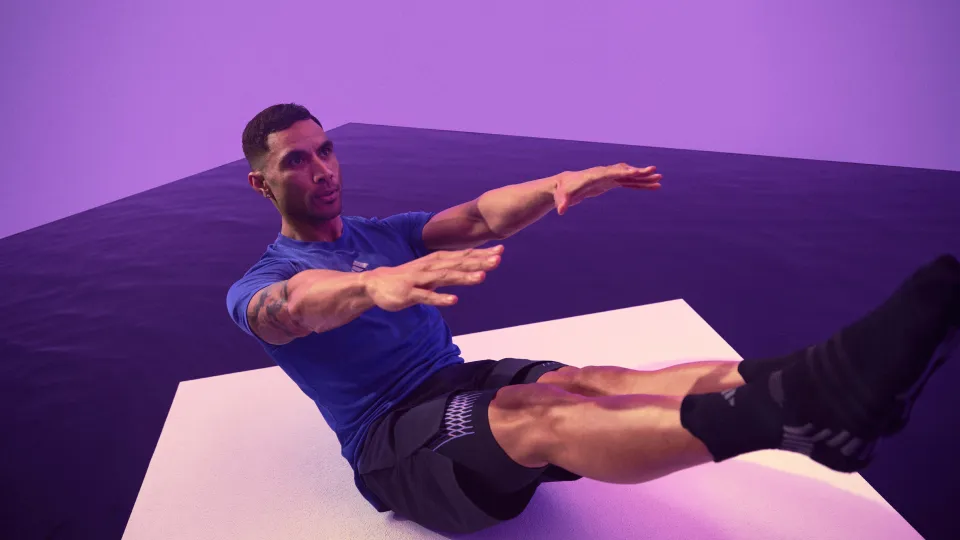
Want to maximize the benefits of your next Pilates workout? Learn how to breathe the Pilates way so you can fast-track feelings of strength, calm and control.
Pilates works wonders when it comes to building a strong core and creating feelings of calm – a large part of this comes down to the focus on breathing.
The different ways to breathe
Did you know … we take approximately 22,000 breaths each day. Most of the time we do it without a second thought. This is ‘normal breathing’ where each inhale and exhale is passive, seamlessly flowing in and out. But during some activities, like Pilates, using controlled and mindful breathing can boost the physical and mental perks.
What’s the difference between Pilates breathing and yoga breathing?
Yoga breathing focuses on the inhale and what’s called diaphragmatic breathing. This is when you breathe in deep and draw the air right down into your belly to the point you feel your belly expand. This diaphragmatic breathing is designed to create a relaxing sensation in your core.
Pilates breathing involves taking a normal breath in through the nose and then, rather than draw the breath into your belly, you draw it into your ribcage and expand your ribs laterally. On the exhale, you’re trying to breathe out through your mouth. Dr. Gillian Hatfield, an Associate Professor in Kinesiology and Pilates trainer explains: “While it’s not a forceful exhale, it does take a bit of effort and focus. It is kind of like you’re breathing out through a straw.” When you breathe like this and focus on expanding the ribcage, you end up engaging your abdominal muscles during both the inhale and exhale.
IN A NUTSHELL:
Yoga breathing is about breathing deep into the belly and relaxing the abdominals. Pilates breathing is about engaging the abdominals.
Why is Pilates breathing beneficial?
Normally our muscles relax when we exhale, but using Pilates breathing and focusing on exhaling out through the mouth helps ensure the abdominal muscles stay switched on. Researchers put this to the test by getting a group of exercisers to do the same set of Pilates exercises while breathing normally and then while doing Pilates breathing. They found Pilates breathing leads to higher muscle activation in the abdominals and back.
Pilates breathing leads to higher muscle activation in the abdominals and back.
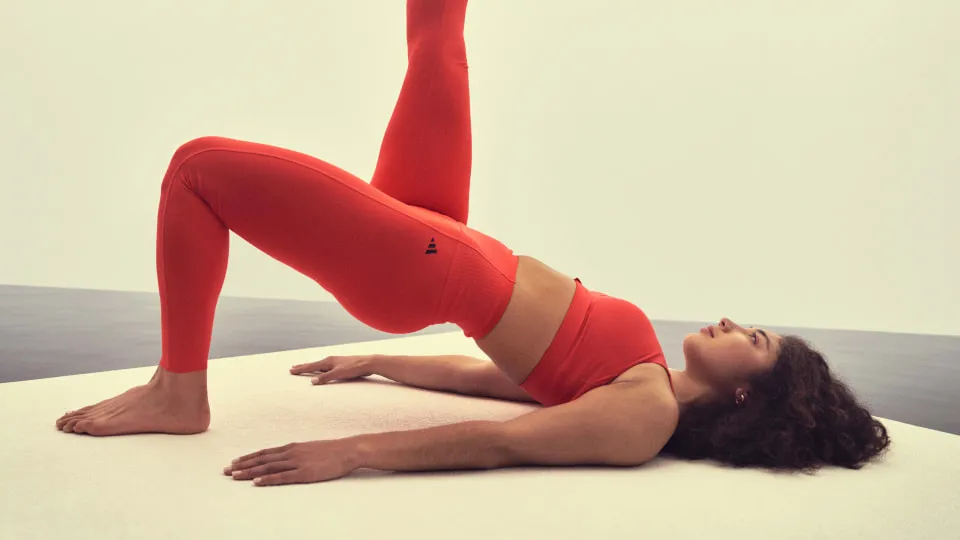
The focus on breathing is also likely to contribute to the calming effect of Pilates. “You’re focusing on the movement and the breath, so you have to let go of everything else. It’s time away from your daily stresses and that’s what leaves you feeling calm,” says Gillian. She adds that when researchers explored how Pilates participation affects heart rate variability (which is a measure of nervous system stress) they found just 12 weeks of Pilates can spark a significant improvement. The study shows those who did Pilates three times a week had increased heart rate variability, indicating they’re better able to regulate their nervous system and deal with stress and anxiety.
Breathwork also brings more awareness to the way you move – which can help you move more safely and reduce injury risk. “If you’re breathing slowly and doing a five-second inhale and five-second exhale, it helps you to move slowly, encouraging you to move with control rather than relying on momentum,” adds Gillian. For Pilates trainer Summer Bradley, the Pilates breathing techniques help her feel more in control and train more effectively across all her workouts. “Moving with control gives me the time to correct my alignment and has strengthened my core and glutes.”
And the benefits extend beyond working out. Gillian explains: “Like many people, I tend to hold my breath when I’m feeling stressed or anxious, but Pilates has helped me have more awareness of my breathing, and how I can use breathing to influence my mood, energy and emotions.”
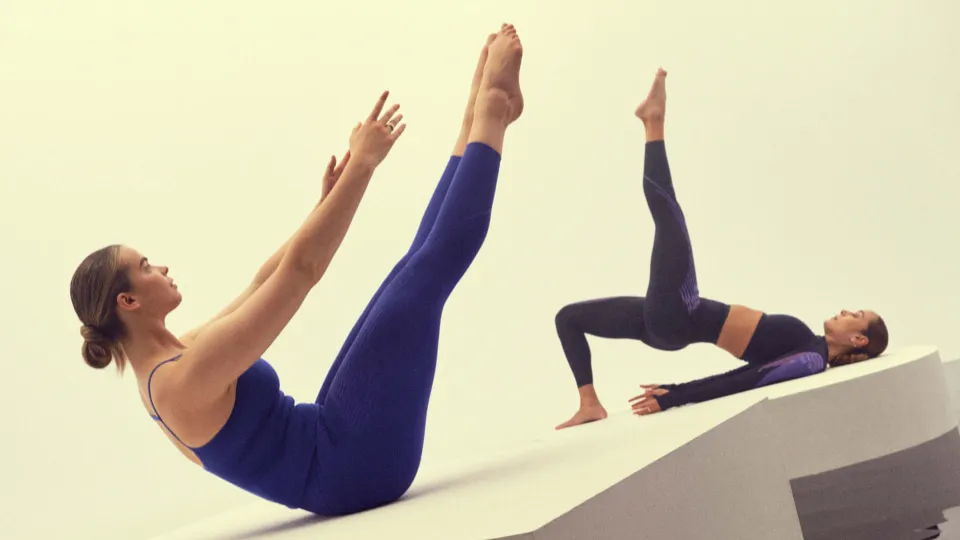
HOW TO ‘BREATHE THE PILATES WAY’
It can be hard to coordinate breathing and moving. Focus on doing the exercise in the first instance, do a couple of reps of the move and then layer in your focus on breathing.
#1 Breathe in normally through your nose
#2 Think about directing your breath to the sides of your ribs
#3 Exhale through your mouth
#4 Time your breath so you’re exhaling on the hardest part of the move (so you’re engaging your core during the hardest part of the exercise).
LES MILLS PILATES™ features classic mat Pilates movements – with a twist. With core moves, unique music and supportive coaching it takes the Pilates experience to a whole new level. There’s no need for expensive equipment, and each workout has been tested and iterated to leave you feeling strong, uplifted and calm. LES MILLS PILATES is coming soon to a fitness club near you.
FInd out more about les mills pilates
Dr. Gillian Hatfield
Dr. Gillian Hatfield is a biomechanics and athletic injuries teacher and researcher, with a background in physiotherapy. She specializes in biomechanics and muscle activation patterns, with a particular interest in the effect of exercise interventions. In addition to being an Associate Professor in Kinesiology at Canada's University of the Fraser Valley, Dr. Hatfield is also a certified Les Mills Instructor.
Sign up to Fit Planet and get fresh health and fitness news and advice straight to your inbox. Subscribe
Want more health and fitness insights?
Get monthly Fit Planet updates straight to your inbox.
Want more health and fitness insights?
More about the author
Emma Hogan
Emma is a health and fitness writer with 20 years of experience creating evidence-based features that bridge the gap between scientific research and real-world application. Based in New Zealand, she works with global exercise scientists, physiotherapists, and internationally recognized fitness experts to uncover the latest insights in health, fitness, and human performance.
Known for making complex topics accessible and engaging, Emma writes on everything from strength training and recovery to motivation, behavior change, and lifelong wellbeing. Her work helps readers navigate an increasingly crowded health landscape and make informed choices grounded in credible research rather than trends or misinformation.

Fit Planet
Home exercise hacks: The tips home exercisers swear by

Fit Planet
Why exercise fights depression: scientists uncover how muscles talk to the brain

Fit Planet
Exercise for mental health: What the research says about feeling happier, healthier, and more resilient
Fit Planet
How to become a group fitness Instructor: A step-by-step guide
Fit Planet
Why music makes exercise feel easier, more enjoyable, and more effective

Fit Planet
Are you eating enough to support your workouts? 7 signs you're under-fueling your training

Fit Planet
10 signs you'd make a great group fitness Instructor
Fit Planet
Does exercise help you lose weight? What the science really says
Fit Planet
How much strength training do you need to live longer? Scientists say 90-120 minutes per week
Fit Planet
Should you change your workouts based on your menstrual cycle?
Fit Planet
When is the best time to exercise? Morning vs evening workouts explained
Fit Planet