Muscle pain after exercise: What it means and how to manage it

Wondering why your muscles are sore after a workout? Delayed onset muscle soreness (DOMS) is a normal response to exercise, particularly when you try a new activity, increase workout intensity, or challenge your muscles in a different way. Here's what causes post-workout muscle soreness, how to manage it, and the best ways to support recovery, with insights from Les Mills Head of Research Bryce Hastings.
Quick answer: Why do muscles get sore after exercise?
Muscle soreness after exercise, often called delayed onset muscle soreness (DOMS), is a normal response to unfamiliar or challenging physical activity. It typically develops 12-24 hours after exercise, peaks between 24-72 hours, and gradually declines as your body adapts and recovers.
The latest 2026 research shows DOMS is not simply caused by muscle damage. Instead, it's understood to be a complex response involving muscle and connective tissue microtrauma, inflammatory signaling, sensitization of pain receptors, changes in movement control, and nervous system responses.
This highlights how soreness and muscle damage are related, but not perfectly linked. So feeling sore is not necessarily a sign you've had a better workout.
Key takeaways
- DOMS is a normal response to new or challenging exercise.
- Eccentric movements, where muscles lengthen under load, commonly trigger soreness.
- Muscle soreness does not necessarily indicate workout quality or effectiveness.
- Gradually increasing training intensity is the most effective way to reduce future soreness.
- Light movement and active recovery can help you stay comfortable while muscles recover.
- Severe, persistent, or one-sided pain may indicate something other than DOMS and should be assessed appropriately.
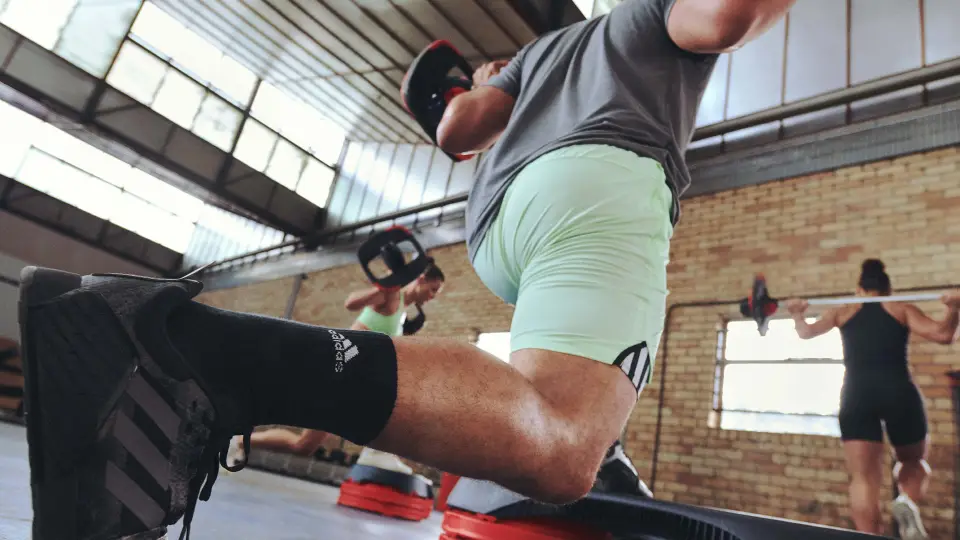
Does muscle soreness mean you had a good workout?
We all know the smugly satisfying, yet painful, feeling that comes from waking up sore after a challenging training session. It's easy to assume soreness is proof you've worked harder, pushed further, or achieved better results. However, research suggests that's not necessarily the case.
Modern understanding of DOMS indicates that soreness is a complex response involving both physiological and neurological processes. While soreness can accompany adaptation, it isn't a reliable measure of workout effectiveness.
In fact, according to a 2025 study, sore muscles post workout might have more to do with your age than how many squats you did. This research shows that younger people are more likely to feel sore after a workout, while older people are likely to experience less post-workout muscle pain.
So if soreness isn't simply a measure of hard work, what's actually happening inside your muscles?
What causes sore muscles after exercise?
According to Les Mills Head of Research Bryce Hastings, we can confidently set aside one of the most enduring exercise myths.
BRYCE HASTINGS (BH): “It’s generally accepted that the old ‘build-up of lactic acid’ theory no longer holds true. Lactate (it’s no longer referred to as lactic acid) is produced during high-intensity exercise, when the body starts using energy pathways that don’t rely on oxygen. Lactate is cleared from the muscles relatively quickly, which means it cannot be responsible for muscle pain that worsens over a two-to-three-day period.”
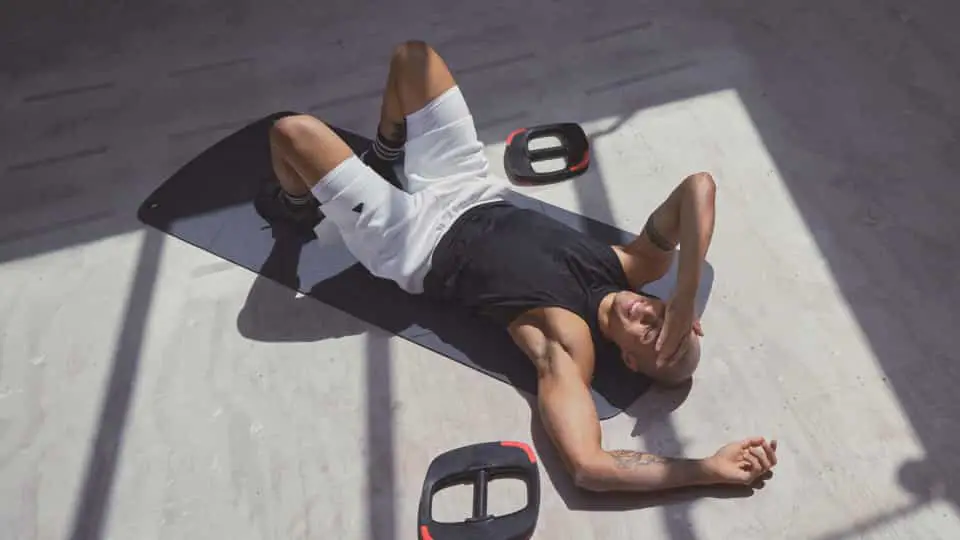
So what's the real cause of DOMS?
BH: “Current theories suggest that ‘delayed onset muscle soreness’ – or DOMS – is the result of a combination of factors including inflammation, fluid accumulation and neural mechanisms. These things may sound bad, but it’s these responses to exercise that lead to adaptation within muscle – this is one of the reasons exercise is so good for us.
In terms of the types of exercise that trigger these responses, eccentric exercise (where the muscle lengthens under load) is a common contributor, as is a sudden change in the type or intensity of exercise."
Is there such a thing as too much pain?
Some post-workout soreness is normal. Excessive pain is not.
BH: “It’s normal to feel some post-exercise muscle pain when you first start exercising. But the pain should not be too horrific! If we consider a pain scale of 0 – 10, a maximum of 3 out of 10 is acceptable. Another useful rule is that you can expect to feel equal pain on each side of your body. Muscle pain that is significantly worse on one side than the other may indicate something more significant than muscle soreness and therefore needs to be watched carefully and assessed if persistent.”
How can you prevent sore muscles after exercise?
The most effective strategy isn't a recovery hack. It's progressive training.
BH: “If you’re just starting out or reigniting your fitness journey, the secret is to start slowly and increase the frequency, duration and intensity of exercise gradually over a six-week period. If you adopt this gradual approach, you’ll minimize muscle soreness and allow the adaptation process to occur with minimal discomfort.”
A gradual approach doesn't just reduce soreness. It also helps build confidence, consistency, and long-term exercise habits.
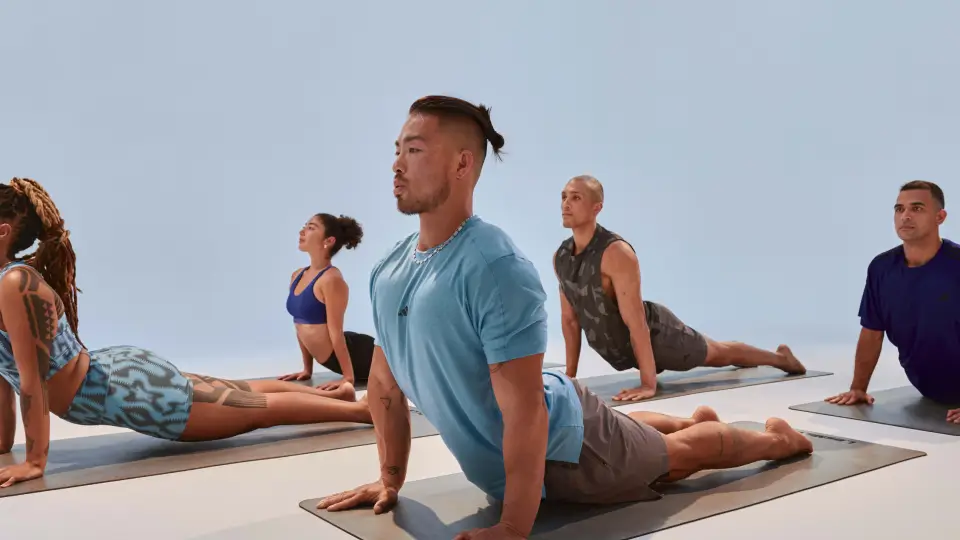
Can you do more than warm up and cool down?
Warm-ups matter, but understanding your current fitness level matters just as much.
BH: “Avoiding muscle pain or strain relies on knowing your limits during a workout. If you haven’t curled a bar for a long time, chances are your biceps aren’t going to be too happy when you suddenly subject them to all the bicep curls in a BODYPUMP™ workout (it could be up to 100 reps). Similarly, you may walk upstairs every day at work, but if you haven’t done anything resembling a jumping lunge since primary school, your quads probably aren’t going to be happy after your first BODYATTACK™ workout. All LES MILLS workouts feature options that make the workout easier and less painful. Put your ego on hold and take the options. Your muscles will still gain the benefit without the soreness.”
"Put your ego on hold and take the options. Your muscles will still gain the benefit without the soreness." Bryce Hastings
Can a cooldown reduce DOMS?
A cooldown may help you feel better, but it isn't a proven solution for preventing post-workout soreness.
BH: “There is no solid evidence to suggest that a cooldown has any effect on DOMs. Despite this, many people just ‘feel better’ psychologically after doing some kind of cooling down activity. If the workout you’re doing doesn’t feature a structured cooldown, enjoying the feel-good benefits can be as easy as gradually reducing activity levels until the heart rate and breathing return to normal. If you really want your body to benefit from enhanced recovery and improved flexibility, then a restorative workout such as BODYBALANCE™ is the way to go. A weekly BODYBALANCE session will help increase your flexibility and core strength, not to mention leave you feeling calm and strong.”
Will stretching, massage, saunas, or hot baths help muscle soreness?
Many recovery methods feel good, but not all are backed by strong evidence.
BH: “Go easy with stretching when your muscles are sore. The changes occurring, such as an increase in fluid, makes them sensitive and an aggressive approach to stretching won’t make them recover any faster. Percussive therapy and compression may help. Hot baths are okay if you need to get clean, but they probably won’t help reduce soreness, particularly if there’s an inflammatory component – even with Epsom salts. Saunas, again, not a lot of help for muscle pain relief. My advice? Go for a walk!
However, there is a significant psychological component to how we perceive pain. It’s not all down to physiology. If a particular recovery strategy makes you feel good – chances are it will probably work for you.”
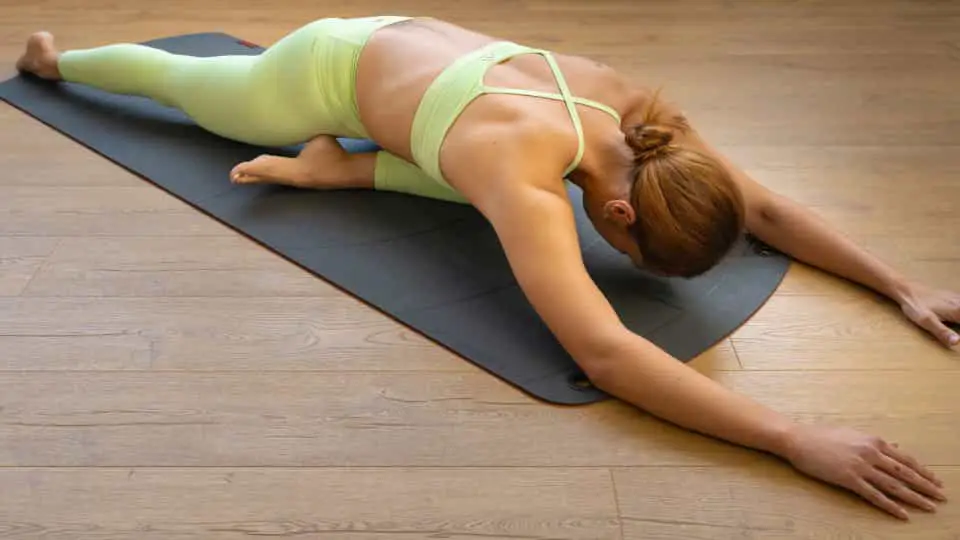
Three ways to avoid post-workout muscle pain
- Ease your way into exercise, slowly increasing frequency, duration, and intensity over time.
- If you're trying a new workout, start with lighter weights and build progressively.
- Know your limits and use workout modifications when needed.
Is it okay to work out when you're sore?
In most cases, yes. Movement can be beneficial during recovery, provided you avoid repeatedly stressing the same muscles that are still recovering.
BH: “Exercising when your muscles are sore is not a bad thing. However, repeating the same exercise that produced the sore muscles prior to recovery is a little risky and it probably won’t seem like a good idea anyway. So, if you are suffering from upper body stiffness as a result of training your arms, chest and back, some leg training will probably be fine. And low-intensity cardio training may even speed up the recovery by helping with reabsorption of fluid in the recovering muscles.”
Is muscle soreness necessary to get fitter?
For elite athletes, occasional discomfort may be part of maximizing performance. For the rest of us, Bryce suggests a different perspective.
BH: “Elite athletes have an amazing capacity for pain during and after exercise – in fact, they crave it. And yes, if you have to improve performance by very small increments to become the world’s best, at times it’s going to hurt. As for the rest of us, exercise doesn’t need to hurt at all, so why push it that hard? When I train, I think to myself I’m going to be doing this for years, so what’s the point in busting a gasket now?”
The best exercises when your muscles are sore
If you're dealing with DOMS, gentle movement is often your best option.
- Choose low-intensity cardio
- Go for a walk
- Try an indoor cycling workout such as RPM
- Stay mobile and keep blood flowing through recovering muscles
- Avoid aggressive stretching
- Avoid repeating the same workout that caused the soreness
Access foam rolling sessions, massage ball routines, and active recovery workouts with LES MILLS+.
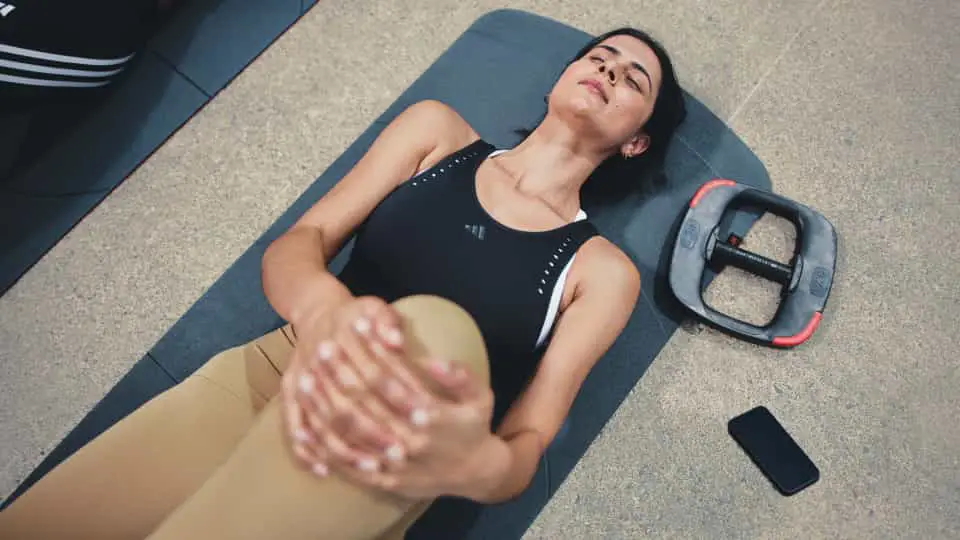
When is rest best?
Learn about the confusing realm of rest and recovery – and you can strengthen your training routine by doing almost nothing at all.
Frequently asked questions about DOMS
What is DOMS?
DOMS stands for delayed onset muscle soreness and describes the tenderness, stiffness, and discomfort that can develop after exercise, particularly when you've performed unfamiliar movements or increased training intensity.
Current research suggests DOMS is a multifactorial neurophysiological response involving:
- Muscle and connective tissue microtrauma
- Inflammatory signaling
- Fluid accumulation
- Sensitization of pain receptors
- Changes in proprioception and motor control
- Central nervous system responses
This newer understanding is important because it changes how we think about soreness. Rather than viewing DOMS purely as muscle damage, researchers now see it as a complex recovery and adaptation response throughout the body.
How long does DOMS last?
DOMS typically develops 12-24 hours after exercise, peaks within 24-72 hours, and resolves over the following days.
Does muscle soreness mean muscle growth?
Not necessarily. Soreness and muscle growth are related but separate processes. You can gain strength and build muscle without experiencing significant soreness.
What causes DOMS?
Current research suggests DOMS is caused by a combination of muscle and connective tissue stress, inflammatory signaling, sensitized pain receptors, altered movement control, and nervous system responses.
Should you stretch sore muscles?
Gentle mobility work may feel good, but aggressive stretching is unlikely to speed recovery and may worsen discomfort.
What's the best way to prevent DOMS?
The most effective approach is gradual progression. Increase training frequency, intensity, and duration steadily over time rather than making sudden jumps in workload.
More about the author
Emma Hogan
Emma is a health and fitness writer with 20 years of experience creating evidence-based features that bridge the gap between scientific research and real-world application. Based in New Zealand, she works with global exercise scientists, physiotherapists, and internationally recognized fitness experts to uncover the latest insights in health, fitness, and human performance.
Known for making complex topics accessible and engaging, Emma writes on everything from strength training and recovery to motivation, behavior change, and lifelong wellbeing. Her work helps readers navigate an increasingly crowded health landscape and make informed choices grounded in credible research rather than trends or misinformation.


Fit Planet
Stay in the game: The 12 min pre-hab routine top trainers swear by
Fit Planet
Sleep and exercise: Why better sleep could be the missing piece of your health puzzle

Fit Planet
Muscle pain after exercise: What it means and how to manage it

Fit Planet
What causes muscle cramps during exercise – and how can you prevent them?

Fit Planet
HIIT and sleep: What’s the sweet spot for better recovery?

Fit Planet
Sleep and athletic performance: How better sleep improves recovery and results
Fit Planet
Strength training and sleep: Can lifting weights help you sleep better?
Fit Planet
High performance mindset: what we can learn from elite athletes

Fit Planet
Home exercise hacks: The tips home exercisers swear by

Fit Planet
Why exercise fights depression: scientists uncover how muscles talk to the brain

Fit Planet
Exercise for mental health: What the research says about feeling happier, healthier, and more resilient
Fit Planet