PROTEIN POWER
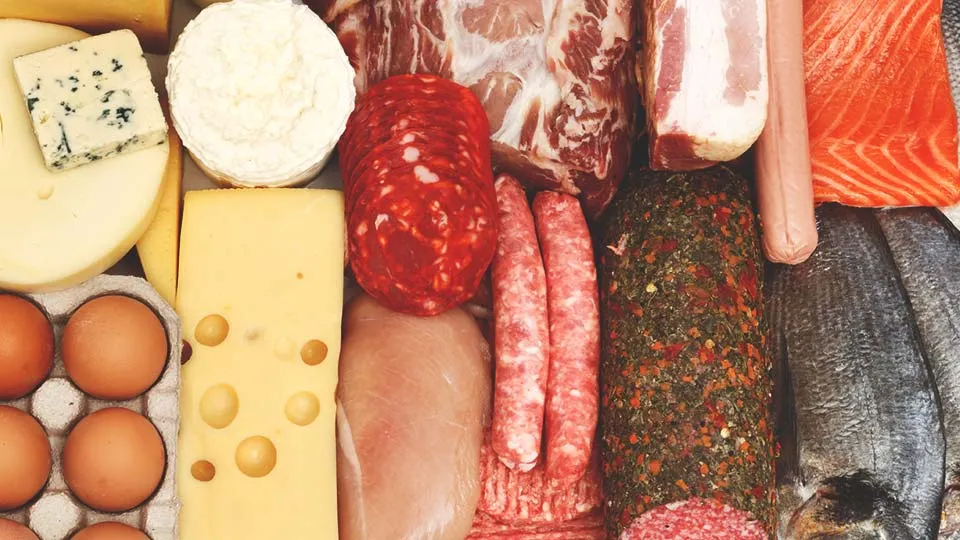
Not all proteins are alike. Some are definitely better than others in helping with exercise recovery and metabolism.
Of the three major sources of energy – fat, carbohydrates and proteins – the importance of proteins to human health has remained the most elusive. Proteins are absolutely essential for human life, supplying the 20 amino acids that are present in varying levels in all cells. Here are some of the things you should know about how proteins work, and how to incorporate them in your diet.
What are amino acids?
Amino acids are divided into two major groups: the essentials and the non-essentials. This is a misleading classification, as all amino acids are absolutely essential. “Non-essential” simply refers to the ones that can be made, to a varying extent, from the basic building blocks of other amino acids.
What do amino acids do?
Most people eat plenty of amino acids to supply the daily needs of their cells. Within each body cell, these acids are mainly used to make proteins. Each protein is made up of varying numbers of amino acids, from as few as 10 to the super-large structural proteins made up of 100,000 or more acids. Proteins are constantly being broken down and remade, with very little loss of amino acids in the process. It’s because of this very efficient recycling that the absolute requirement of amino acids each day is rather small.
So how much protein do I need?
For the past two decades there has been a major rethink of the roles and functions of protein for human health. Caught up in the endless debate about the best ways to lose weight and build muscle mass, the low-carbohydrate/high-protein diet generated very strong opinions. As with all trends, the truth is likely to lie somewhere in the middle of the extremes supported by nutritional experts and celebrities alike. Central to the question of how much protein is needed for optimal health has been increased analysis of exactly what amino acids can do. The latest nutritional science has highlighted just how important some amino acids are for optimal health, including:
Leucine and lifting
Leucine is known as a “branch chain amino acid”, just one of four that share a uniquely branched chemical structure. Found in high levels in dairy protein (as well as soybean, some meats, seeds and nuts), leucine is the key ingredient in body-building protein blends. After exercise, leucine has the ability to increase the activity of the protein-making machinery in muscles.
So how much leucine is enough?
Leucine has now been scientifically proven to boost muscle repair and, over time, increase the amount of muscle gained. But Leucine’s impact is still small boost compared to the actions of exercise alone. Despite the hype, it’s the exercise and a 24/7 healthy diet that matters most. The leucine boost works when protein rich food is consumed sometime within the first two hours of recovering after a workout. But the amount of total protein (and leucine) is unlikely to be boosted by ever-increasing amounts of protein powder. Careful measurement suggests that a total dose of 25grams of leucine-rich protein (well less than what is recommended on most bodybuilding formulations) is more than enough.
Glutamine and the gut
Glutamine is a non-essential amino acid, and one of the most abundant in the body. Found abundantly in meats and eggs, glutamine has a surprisingly important role in the digestive tract, including the colon. For reasons that are not yet clear, dietary glutamine can maintain the healthy and integrity of the many millions of cells that line the digestive tract.
Tryptophan and the brain
Tryptophan is abundant in many high-protein foods, including nuts, seeds, cheese, red meat, fish, oats and eggs. It is the only ingredient used to synthesise the mood-regulating hormone, serotonin. Transport of tryptophan into the brain enables the many neurons of the serotonergic system to make serotonin, which influences mood and mental health.
So where is the science on protein and diet now?
Protein rich foods are an essential part of an optimal diet, but the jury is still out on whether a high protein diet, particularly one that limits carbohydrates and comes with more fats, is healthy. The scientific evidence to date shows a potential for greater maintenance of weight loss with slightly more dietary protein. There is certainly no evidence of greater energy, increased physical performance, huge gains in muscle mass and improved mood. In reality, the human body needs a diverse array of foods, including those with protein.

Professor David Cameron-Smith is a regular Fit Planet contributor. A transplanted Australian, he obtained a PhD in nutritional biochemistry from Deakin University, and undertook postdoctoral training at the Royal Prince Alfred Hospital, Sydney. His research interests include the importance of nutrition in the maintenance of optimal health in an ageing population, and the impact of nutrition in regulating the function of muscles.
Sign up to Fit Planet and get fresh health and fitness news and advice straight to your inbox. Subscribe

Fit Planet
Sleep and exercise: Why better sleep could be the missing piece of your health puzzle

Fit Planet
Muscle pain after exercise: What it means and how to manage it

Fit Planet
What causes muscle cramps during exercise – and how can you prevent them?

Fit Planet
HIIT and sleep: What’s the sweet spot for better recovery?

Fit Planet
Sleep and athletic performance: How better sleep improves recovery and results

Fit Planet
Strength training and sleep: Can lifting weights help you sleep better?

Fit Planet
High performance mindset: what we can learn from elite athletes

Fit Planet
Home exercise hacks: The tips home exercisers swear by

Fit Planet
Why exercise fights depression: scientists uncover how muscles talk to the brain

Fit Planet
Exercise for mental health: What the research says about feeling happier, healthier, and more resilient

Fit Planet
How to become a group fitness Instructor: A step-by-step guide

Fit Planet