Muscle pain after exercise

Is having sore muscles after exercise a reminder of how hard you trained? Or is it simply something to do with your age? Find out what causes post-workout muscle soreness, how you can avoid it, and the best exercises for easing muscle pain.
I know I am not the only one who feels a sense of smug joy when I wake up with sore muscles after a workout. But, I've just learned that rather than being an indicator of hard work, muscle soreness might have more to do with your age than how many squats you did. New research shows that younger people are more likely to feel sore after a workout, while older people are likely to experience less post-workout muscle pain.
This is a fortunate shift as it may encourage us to stick with exercise as we get older. After all, if there’s less soreness associated with strength training then we’re more likely to do it – and we know that’s important as we age. Building strength is key to preserving muscle mass, supporting bone health, improving balance and mobility and enhancing cognitive function.
So what’s actually going on when your muscles start to ache? And what can you do about it? We spoke to Les Mills Head of Research Bryce Hastings to sort fact from fiction when it comes to pain and gain.
What is happening to your muscles when you feel sore?
Bryce Hastings (BH): “It’s generally accepted that the old ‘build-up of lactic acid’ theory no longer holds true. Lactic acid, which is produced in the muscle as a result of not being able to get enough oxygen to the muscle fibers due to a high exercise intensity, is cleared from the muscle relatively quickly. So it cannot be responsible for the pain that worsens over a two-to-three-day period.”
So what’s the real cause of sore muscles after exercise?
BH: “Current theories suggest that ‘delayed onset muscle soreness’ – or DOMS – is the result of a combination of factors including inflammation, fluid accumulation and neural mechanisms.. These things may sound bad, but it’s these responses to exercise that lead to adaptation within muscle – this is one of the reasons exercise is so good for us.
In terms of the types of exercise that triggers these responses, eccentric exercise, where the muscle lengthens under load is a common contributor, as is a sudden change in the type or intensity of exercise.
Is there such a thing as too much pain?
BH: “It’s normal to feel some post-exercise muscle pain when you first start exercising. But the pain should not be too horrific! If we consider a pain scale of 0 – 10, a maximum of 3 out of 10 is acceptable. Another useful rule is that you can expect to feel equal pain on each side of your body. Muscle pain that is significantly worse on one side than the other may indicate something more significant than muscle soreness and therefore needs to be watched carefully and assessed if persistent.”
What can you do to reduce the likelihood of sore muscles after exercise?
BH: “If you’re just starting out or reigniting your fitness journey, the secret is to start slowly and increase the frequency, duration and intensity of exercise gradually over a six-week period. If you adopt this gradual approach you’ll minimize muscle soreness and allow the adaptation process to occur with minimal discomfort.”
We’re told to warm-up and warm-down, but can you do more to avoid strain or pain?
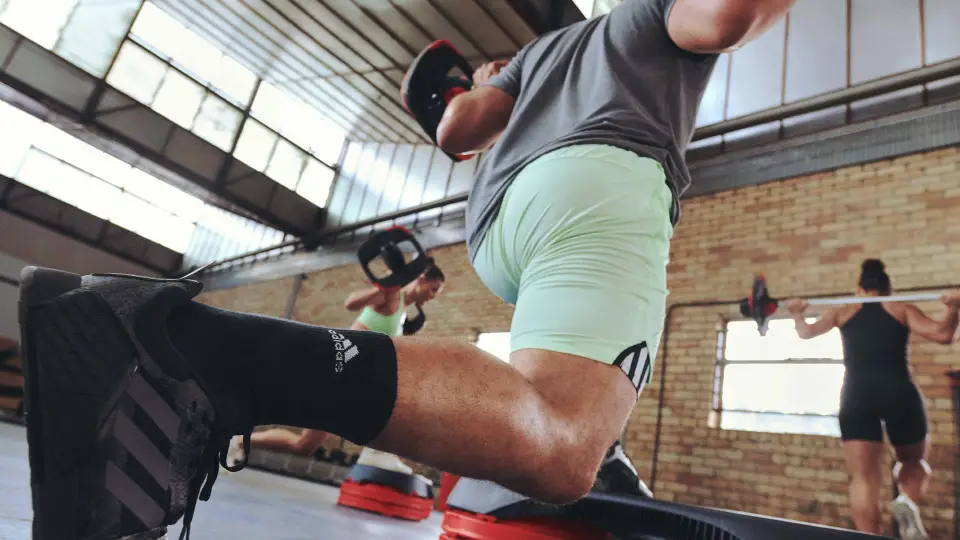
BH: “Avoiding muscle pain or strain relies on knowing your limits during a workout. If you haven’t curled a bar for a long time, chances are your biceps aren’t going to be too happy when you suddenly subject them to all the bicep curls in a BODYPUMP workout (it could be up to 100 reps). Similarly, you may walk upstairs every day at work, but if you haven’t done anything resembling a jumping lunge since primary school, your quads probably aren’t going to be happy after your first BODYATTACK workout. All LES MILLS workouts feature options that make the workout easier and less painful. Put your ego on hold and take the options. Your muscles will still gain the benefit without the soreness.”
“Put your ego on hold and take the options. Your muscles will still gain the benefit without the soreness.” Bryce Hastings
Can a good cooldown lessen the chance of muscle pain?
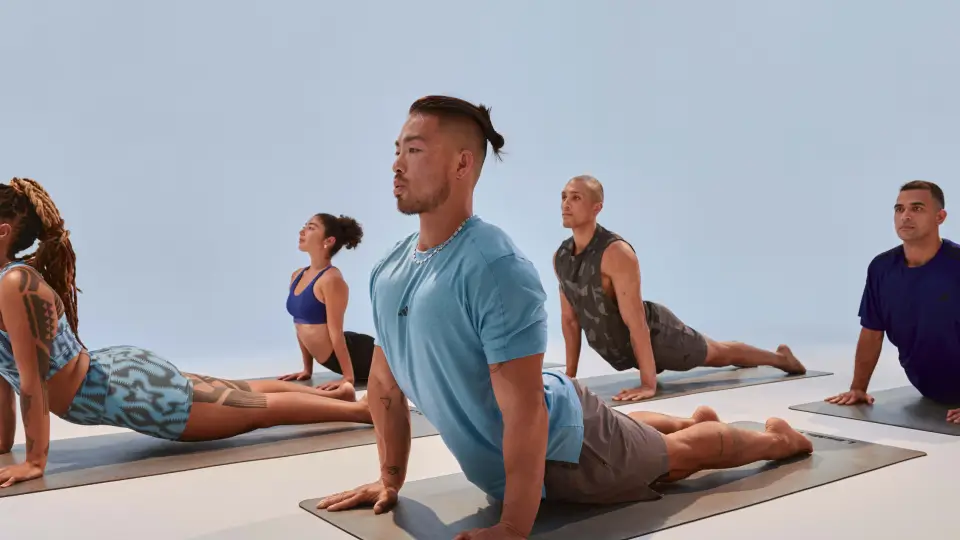
BH: “There is no solid evidence to suggest that a cooldown has any effect on DOMs. However, despite this many people just ‘feel better’ psychologically after doing some kind of cooling down activity. If the workout you’re doing doesn’t feature a structured cooldown, enjoying the feel-good benefits can be as easy as gradually reducing activity levels until the heart rate and breathing return to normal. If you really want your body to benefit from enhanced recovery and improved flexibility then a restorative workout such as BODYBALANCE is the way to go. A weekly BODYBALANCE session will help increase your flexibility and core strength, not to mention leave you feeling calm and strong.”
Three ways to avoid post-workout muscle pain
- Ease your way into exercise, slowly increasing the frequency, duration and intensity over time
- If you’re trying a new workout start with light weights – you can always add more next time
- Put your ego on hold and know your limits. There are always options to lower the intensity of your workout – so take them!
Should you exercise even when you are still sore from your workout?
BH: “Yes, you can still do some exercise even if your muscles are sore. However, repeating the same exercise that produced the sore muscles prior to recovery is a little risky and it probably won’t seem like a good idea anyway. So, if you are suffering from upper body stiffness as a result of training your arms, chest and back, some leg training will probably be fine. And low-intensity cardio training may even help speed up the recovery by helping with reabsorption of fluid in the recovering muscles.”
Is a little muscle soreness always part of pushing yourself to the next level?
BH: “Elite athletes have an amazing capacity for pain during and after exercise – in fact, they crave it. And yes, if you have to improve performance by very small increments to become the world’s best, at times it’s going to hurt. As for the rest of us, exercise doesn’t need to hurt at all, so why push it that hard? When I train I think, I’m going to be doing this for years, so what’s the point in busting a gasket now?”
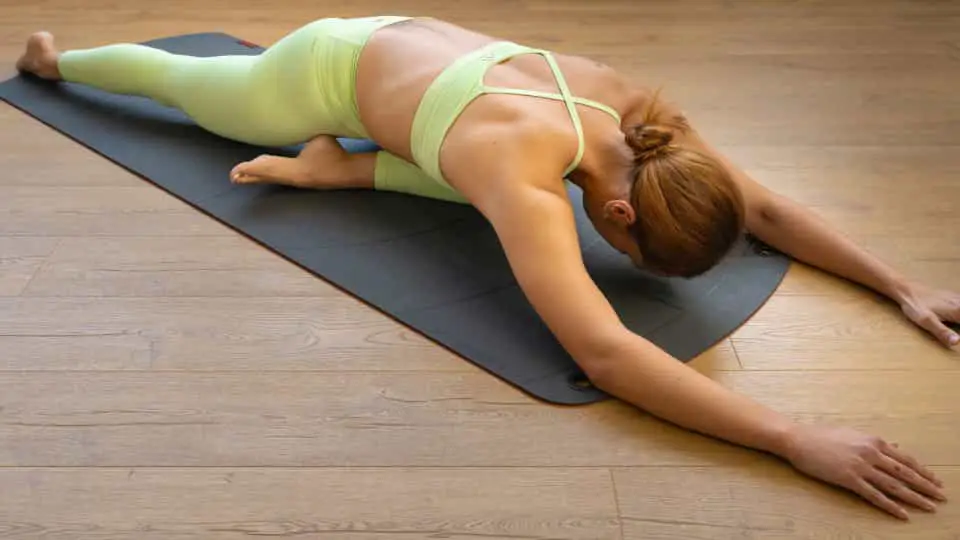
Finally, will stretching, rubs, hot baths or saunas really help muscle soreness?
BH: “Go easy with stretching when your muscles are sore. The changes occurring, such as an increase in fluid, makes them sensitive and an aggressive approach to stretching won’t make them recover any faster. Percussive therapy and compression may help. Hot baths are okay if you need to get clean, but they probably won’t help reduce soreness, particularly if there’s an inflammatory component – even with Epsom salts. Saunas, again, not a lot of help for muscle pain relief. My advice? Go for a walk!”
There is a significant psychological component to how we perceive pain. It's not all down to physiology. If a particular recovery strategy makes you feel good – chances are it will probably work for you.”
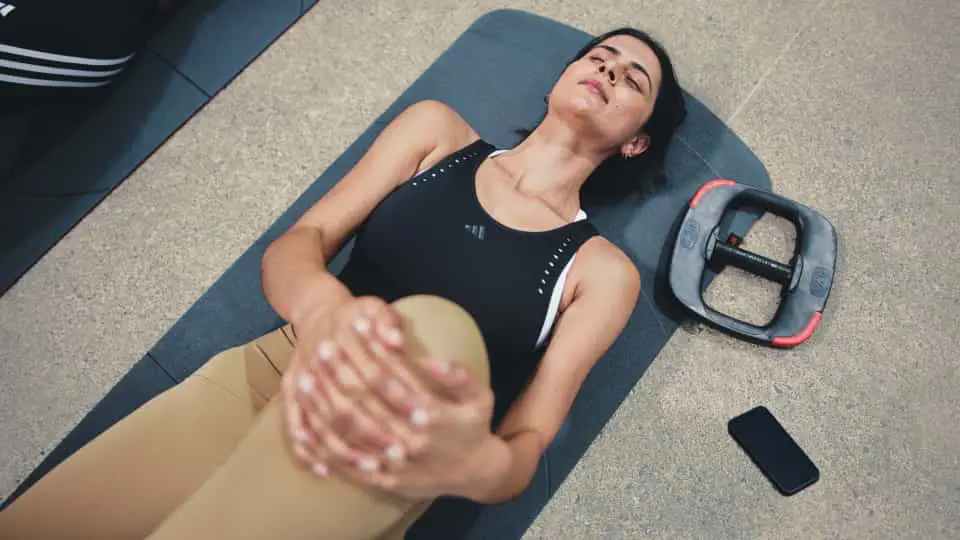
The best exercises for when your muscles are sore
- Choose low-intensity cardio to flush oxygenated blood through your recovering muscles
- Going for a walk is ideal
- An indoor cycle workout such as RPM is also a good option
- Avoid too much stretching – as inflamed muscles are sensitive and intensive stretching can aggravate them
- Whatever you do, don’t repeat the workout that caused your sore muscles!
Access a range of foam rolling, massage ball sessions and active recovery workouts using LES MILLS+.
When is rest best?
Learn about the confusing realm of rest and recovery – and you can strengthen your training routine by doing almost nothing at all.
FIND OUT


Fit Planet
Exercise for mental health: What the research says about feeling happier, healthier, and more resilient
Fit Planet
How to become a group fitness Instructor: A step-by-step guide

Fit Planet
Why music makes exercise feel easier, more enjoyable, and more effective

Fit Planet
Are you eating enough to support your workouts? 7 signs you're under-fueling your training
Fit Planet
10 signs you'd make a great group fitness Instructor
Fit Planet
Does exercise help you lose weight? What the science really says

Fit Planet
How much strength training do you need to live longer? Scientists say 90-120 minutes per week

Fit Planet
Should you change your workouts based on your menstrual cycle?
Fit Planet
When is the best time to exercise? Morning vs evening workouts explained
Fit Planet
What is CEREMONY HYROX? A complete guide to the new Les Mills x HYROX workouts
Fit Planet