Where people go wrong when they join the gym

Quick answer: People often struggle with traditional gyms because they feel unsure what to do, isolated in a busy space, intimidated by more experienced members, or bored by repetitive solo workouts. Group fitness helps by adding structure, coaching, music, accountability, and a stronger sense of community.
Joining a gym sounds simple. Sign up, get a swipe card, show up. But for many people, it feels harder than it should.
Stepping into a traditional gym can spark feelings of confusion, isolation, intimidation, and boredom, especially when the experience is mostly self-directed.
That’s why group fitness can be such a useful gym anxiety solution. It gives you a plan, an Instructor, music, momentum, and a community moving with you.
Key takeaways
• Traditional gyms can feel difficult when workouts lack structure, coaching, or social connection.
• Common barriers include gym anxiety, workout confusion, fitness intimidation, isolation, and boredom.
• Group fitness helps by combining coached workouts, music, accountability, and community.
• Beginners can start by choosing a class that matches their personality, arriving early, and following lower-intensity options.
• The best workout is the one you enjoy enough to repeat consistently.
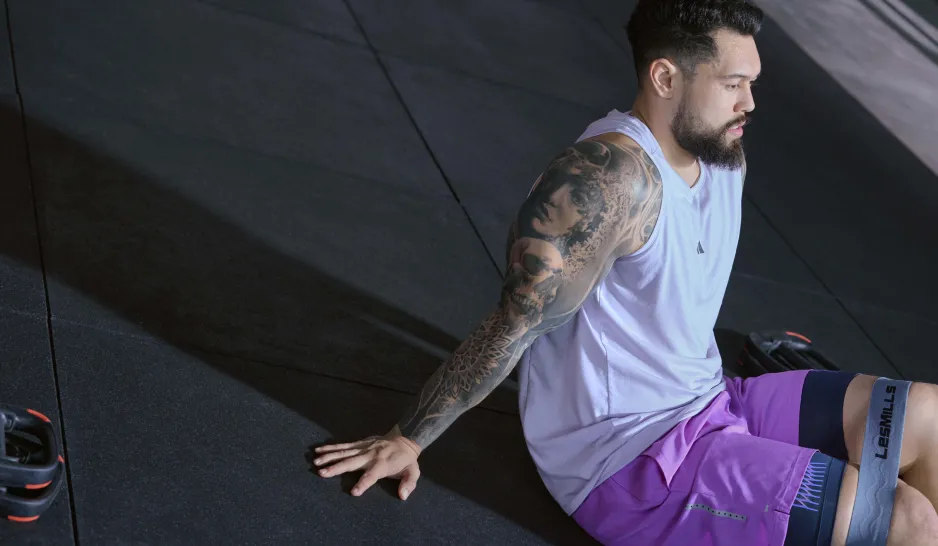
Why do people feel anxious at the gym?
Gym anxiety often has less to do with exercise, and more to do with how the environment feels. A 2026 research paper published in Frontiers highlights how anxiety can spike when people feel unsure about what they’re doing or where they fit. Here are four common pain points:
1. Workout confusion
You walk into a gym full of equipment, but no clear plan. That freedom can quickly turn into decision paralysis.
2. Isolation in a shared space
Even in a busy gym, it’s easy to feel like you’re training solo. No interaction, no shared direction.
3. The intimidation factor
When others seem confident and you’re still figuring things out, fitness intimidation can build fast.
4. Boredom
Without guidance or variation, workouts can feel repetitive and hard to stay engaged with.
These aren’t failures of the individual. They’re gaps in the experience.
What helps people feel more confident at the gym?
Most people don’t need more equipment. They need more guidance, connection, and energy. A large systematic review published in 2026, makes it clear that structured, Instructor-led sessions help people feel more confident and less anxious, while social connection and group belonging keeps them motivated. Add supportive coaching and workouts people actually enjoy, and it’s much easier to stick with it for the long run.
The elements that drive consistency look like this:
Structure without overwhelm: Clear, coached sessions that remove guesswork
Social energy without pressure: Group motivation where you feel part of something, but still move at your own pace
Expert guidance without judgment: Supportive Instructors who help you feel capable
Experiences worth showing up for: Workouts that feel engaging, not repetitive
This is where gyms with a strong group fitness offering create a very different experience.
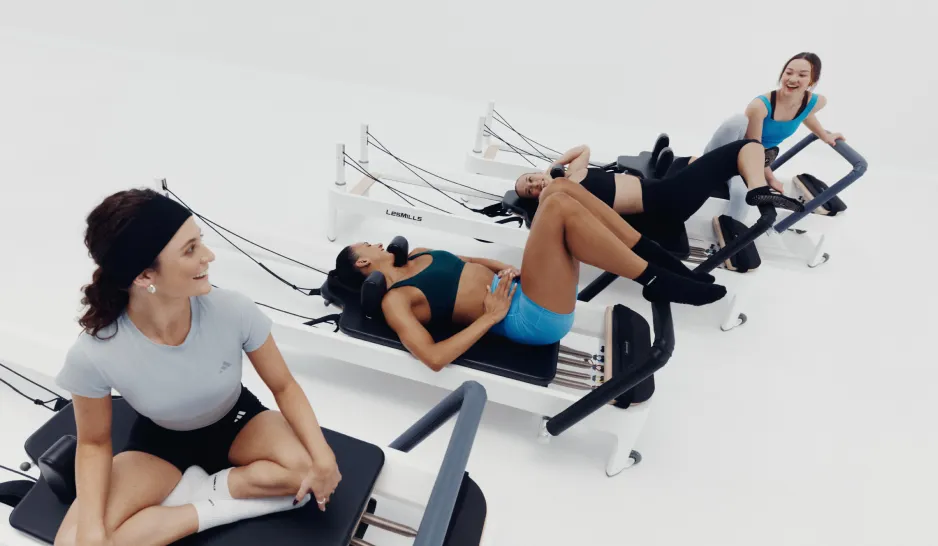
How does group fitness help with gym anxiety?
Group fitness doesn’t replace the gym, it simply changes how it feels. Findings from a Chinese study published in 2024 show that structured, Instructor-led sessions reduce anxiety by providing clear guidance, social support, and a sense of belonging, all of which are linked to lower social anxiety and higher confidence. Group environments also build connection and shared identity, which can ease feelings of isolation and make the experience feel more supportive and accessible. In that way, group fitness helps fill the gaps often left in self-directed training. It also eases feelings of stress. In 2017, Dr Danya Yorks explored the effects of group fitness on quality of life, and an article published by American Osteopathic Association makes it clear that group exercise reduces stress more than solo workouts.
Workout confusion → Structured workouts
Programmed sessions mean you always have a clear plan
Isolation → Collective energy and community
You train alongside others, not separate from them
Intimidation → Shared starting point
Everyone begins together, regardless of experience
Boredom → Immersive atmosphere
Music, coaching, and energy create a more engaging session
For many members, this balance between independence and support becomes the difference between starting and sticking with any exercise routine.
Why your brain struggles without structure (and thrives with it)
Unstructured workouts demand constant decision-making. What exercise should I do? How many reps? How heavy? What next? All these questions mean mental load builds quickly and can reduce motivation before the workout even gets going.
Coached classes remove that friction. You simply follow the session as it unfolds.
Group fitness also opens up a powerful psychological factor.
- You naturally match the energy around you
- You push further without overthinking it
- You stay engaged for longer
Instead of relying on internal motivation alone, you tap into collective energy.
This is backed up by a 2019 study, revealing that exercisers tend to exert themselves more when they train within a group and their enjoyment and satisfaction levels go up a notch too. “These findings show that we really are social animals when it comes to working out,” says Les Mills Head of Research Bryce Hastings.
The accountability architecture
Consistency becomes easier when the system supports it. That’s why group fitness is so powerful; it introduces built-in workout accountability. Scheduled classes create commitment, familiar faces build a sense of expectation, while Instructors provide recognition and encouragement.
When you choose group fitness, you’re no longer depending entirely on discipline. You’re supported by structure.
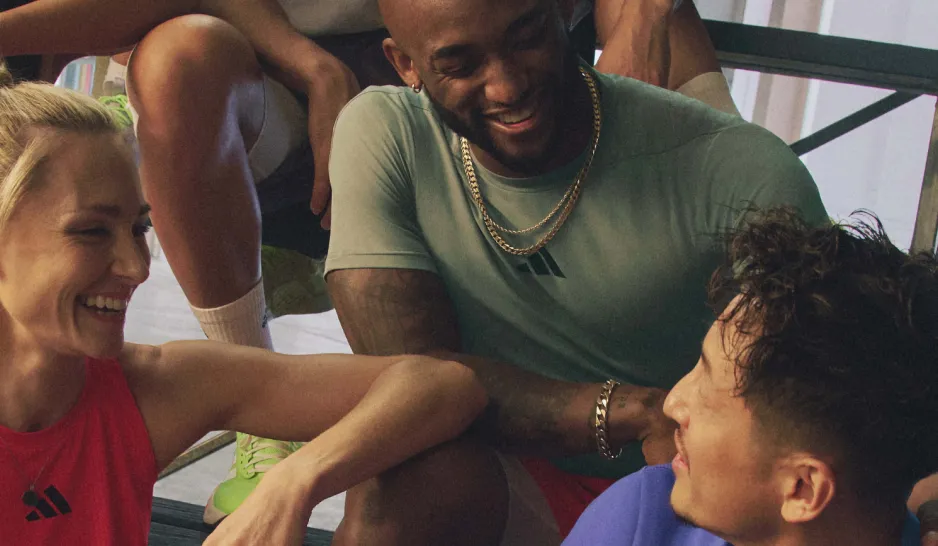
From isolation to shared experience
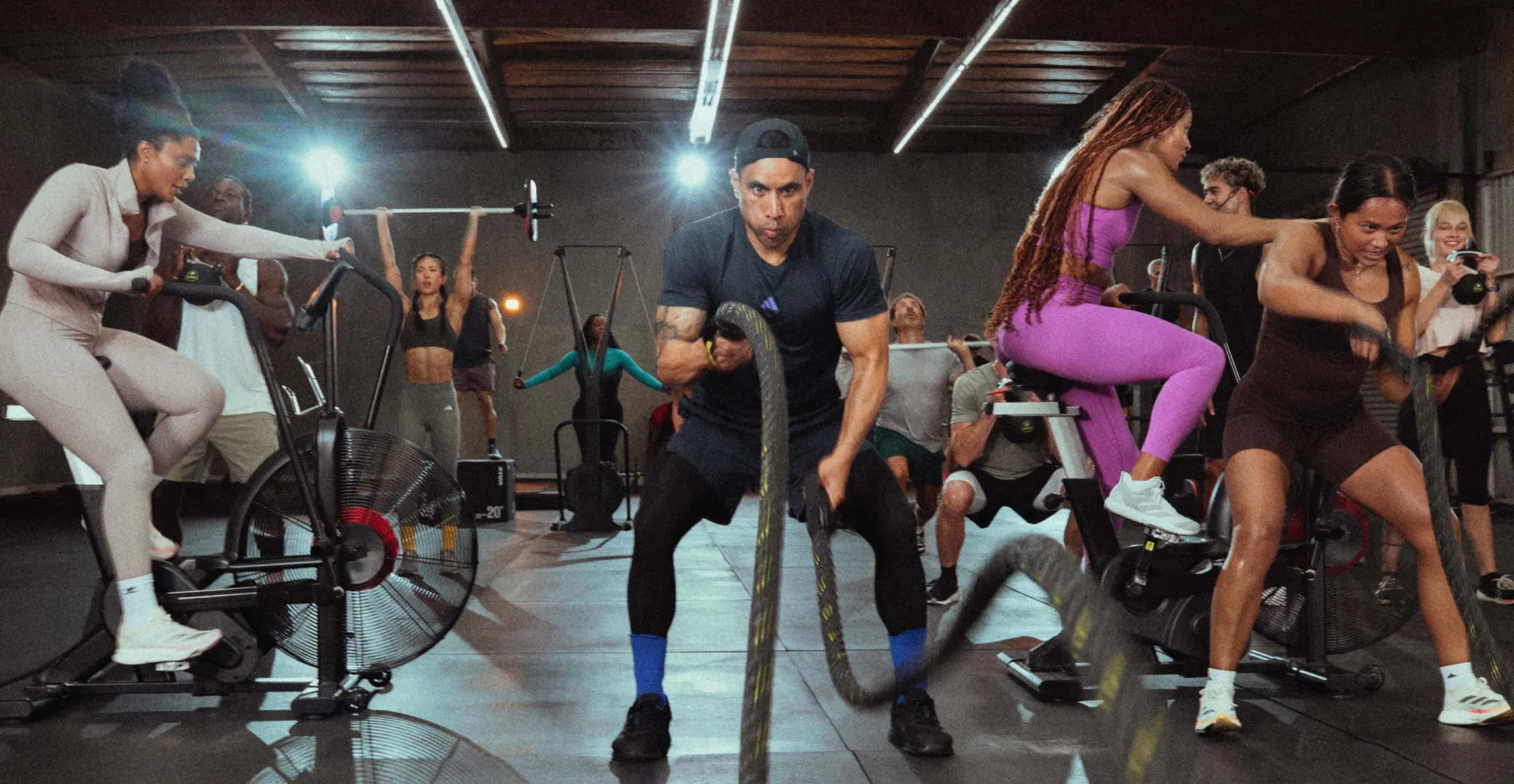
Training alongside others shifts both the emotional and physical experience of exercise. You move in sync with the room, you draw energy from others’ effort, you stay engaged through challenging moments.
This is where social fitness becomes powerful. It turns workouts into connection points, not just tasks to complete.
Music, atmosphere, and experiences that make workouts addictive

Why music-driven fitness creates momentum
In many gyms, music sits in the background. In a good group fitness class, it leads the experience. Movements are matched to the beat, which helps create flow, removes the need to count or track reps, and builds a stronger sense of rhythm and progress. The result is a more intuitive, immersive workout.
Music is undoubtedly key to any good workout. Science shows different music drives physical responses in different ways, and there’s plenty of evidence to show how music makes exercise more enjoyable and effective, while keeping us motivated for longer.
The atmosphere factor
Gyms that invest in group fitness typically design the experience deliberately. They have lighting that sets the tone, high-quality sound systems, and spaces built for energy and focus. This creates a workout atmosphere that feels more engaging and less repetitive than standard setups.
The science behind group energy
Research suggests that group exercise can support adherence, reduce stress, and improve physical, mental, and emotional wellbeing, especially when workouts combine social connection, coaching, and a regular schedule. Combined with the performance gains driven by social facilitation and expert coaching, it creates a training experience that can feel easier to start and more rewarding to repeat. See why moving together makes all the difference.
What should you expect in your first group fitness class?
What to bring: Water bottle, towel, comfortable clothing. Most clubs provide everything else, including equipment and guidance. No prior experience required.
Arriving early: Arrive 10 to 15 minutes before class so you can meet the Instructor, get set up, and ask any questions. This small step can reduce gym anxiety and help your first class feel more manageable.
During class: Know that everyone is focused on their own workout, and there is no expectation to get everything right. The idea is to just get started and move your body. You’ll find different intensity options are always offered, and you can take a moment to rest at any time.
Building confidence before class: Instructors are skilled at coaching beginners and helping everyone feel confident in the studio. If you want extra preparation before stepping into a busy class, the LES MILLS+ Home Workout App offers technique and tutorial videos that break down the foundations of different classes. It can help you master key movements at home, build confidence before your first studio workout, and complement your in-gym routine between classes. You can try LES MILLS+ for free.
Finding your best group fitness match: which classes fit your personality
Different training styles suit different personalities.
The energy seeker:
This is someone who craves intensity and gets a buzz from challenging themselves. Good workout options include:
• LES MILLS GRIT™ – a 30-minute high-intensity interval training workout
• BODYCOMBAT™ – martial arts meets unstoppable energy
• BODYATTACK™ – This is full-throttle cardio that hits every muscle and floods your system with feel-good energy.
The mindful mover:
This is someone who thrives on building strength, control and progression. Good workout options span everything from strength-building, to circuit training, to yoga.
• BODYPUMP™ and STRENGTH DEVELOPMENT™ – Total body strength training where you build muscle, increase power and progressively get stronger.
• BODYBALANCE™ – the original yoga fusion workout for strength, calm and control.
• CEREMONY HYROX™ – high-performance strength and cardio circuit training, for everybody.
• LES MILLS CORE™ – a scientific core workout that sculpts and strengthens.
The social mover:
This is someone who is highly motivated by music and connection. While any group fitness workout will appeal to those who thrive on the social energy, there are some particularly good options:
• BODYSTEP™ – a full-body cardio workout where you tune into the tempo and barely notice how hard you’re working!
• LES MILLS DANCE™ – an energizing exploration of different dance styles that leaves you feeling uplifted and full of joy.
• RPM™ – feel the beat, push the pace and ride to the rhythm during this indoor cycling favorite.
Which workout is best?
The best group workout is the one you enjoy enough to return to. This is why it’s a good idea to try a variety of classes.
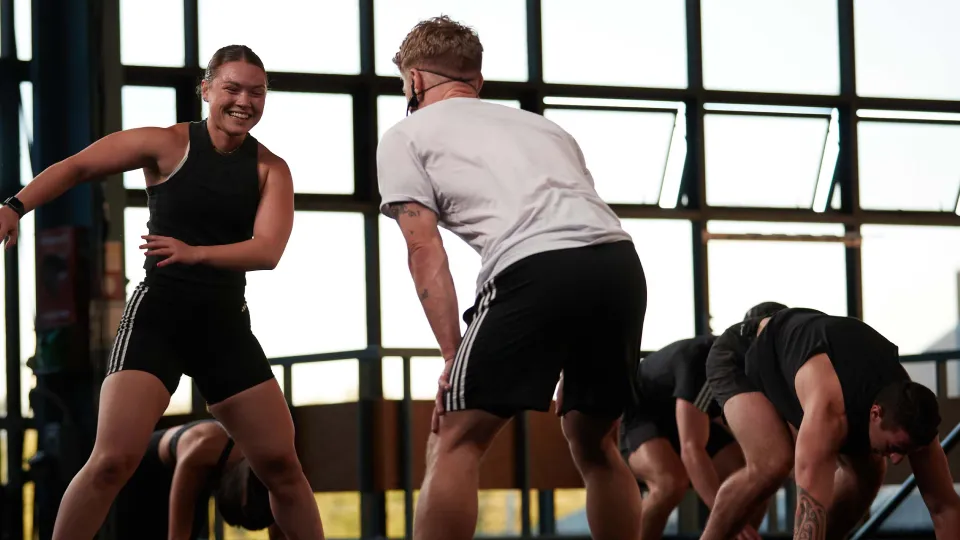
Budget breakdown: A full-service gym with group fitness vs basic gym access
What you’re investing in:
Memberships that include group fitness typically provide:
• Expert coaching in each session
• Structured programming
• Curated music and atmosphere
• Quality equipment and facilities
• A sense of community and belonging
It’s a broader experience, not just access to equipment.
What basic memberships may not include:
Lower-cost options often rely on self-direction:
• Limited coaching support
• No structured programming
• Additional costs for classes or guidance
For some, that autonomy works well. For others, it can make consistency harder.
ROI: outcomes over access
The real measure of value is not how often you can go, but how often you do.
Environments that combine structure, coaching, and community tend to support stronger consistency and better long-term results.
The takeaway
If stepping into a gym has left you feeling unsure, isolated, or unmotivated, the solution may be a more supported fitness experience.
Group fitness gives you a plan, an Instructor, music, momentum, and people moving with you.
That combination can make exercise feel less like something you have to force, and more like something you want to come back to.
FAQs
What is gym anxiety?
Gym anxiety (sometimes referred to as ‘gymtimidation’) is the discomfort, self-consciousness, or uncertainty some people feel in a gym environment. It can be triggered by unfamiliar equipment, crowded spaces, fear of judgment, or not knowing what workout to do.
How can I feel less intimidated at the gym?
Start with a structured option, such as a coached group fitness class. Arrive early, introduce yourself to the Instructor, choose a spot where you feel comfortable, and use lower-intensity options when needed.
Are group fitness classes good for beginners?
Yes. Most group fitness classes offer different intensity options, so beginners can start at their own pace. Instructors usually provide setup guidance, technique cues, and modifications throughout the class.
What should I bring to my first group fitness class?
Bring a water bottle, towel, and comfortable workout clothes. Most clubs provide the equipment needed for class, and Instructors can help you set up before the session begins.
Can LES MILLS+ help me prepare for a group fitness class?
Yes. The LES MILLS+ Home Workout App includes technique and tutorial videos that explain the foundations of different classes. It is a useful way to practice key movements, build confidence at home, and support your in-gym workouts. You can try LES MILLS+ for free.
Is group fitness better than working out alone?
It depends on your goals and preferences. Group fitness can be especially helpful if you want structure, accountability, coaching, music, and social energy. Solo training may suit people who prefer flexibility and independence.
What type of group fitness class should I try first?
Choose based on what motivates you. Try strength classes if you want control and progression, cardio or HIIT classes if you like intensity, or dance and cycling classes if music and rhythm help you stay engaged.
More about the author
Emma Hogan
Emma is a health and fitness writer with 20 years of experience creating evidence-based features that bridge the gap between scientific research and real-world application. Based in New Zealand, she works with global exercise scientists, physiotherapists, and internationally recognized fitness experts to uncover the latest insights in health, fitness, and human performance.
Known for making complex topics accessible and engaging, Emma writes on everything from strength training and recovery to motivation, behavior change, and lifelong wellbeing. Her work helps readers navigate an increasingly crowded health landscape and make informed choices grounded in credible research rather than trends or misinformation.

Fit Planet
Home exercise hacks: The tips home exercisers swear by
Fit Planet
Why exercise fights depression: scientists uncover how muscles talk to the brain

Fit Planet
Exercise for mental health: What the research says about feeling happier, healthier, and more resilient
Fit Planet
How to become a group fitness Instructor: A step-by-step guide
Fit Planet
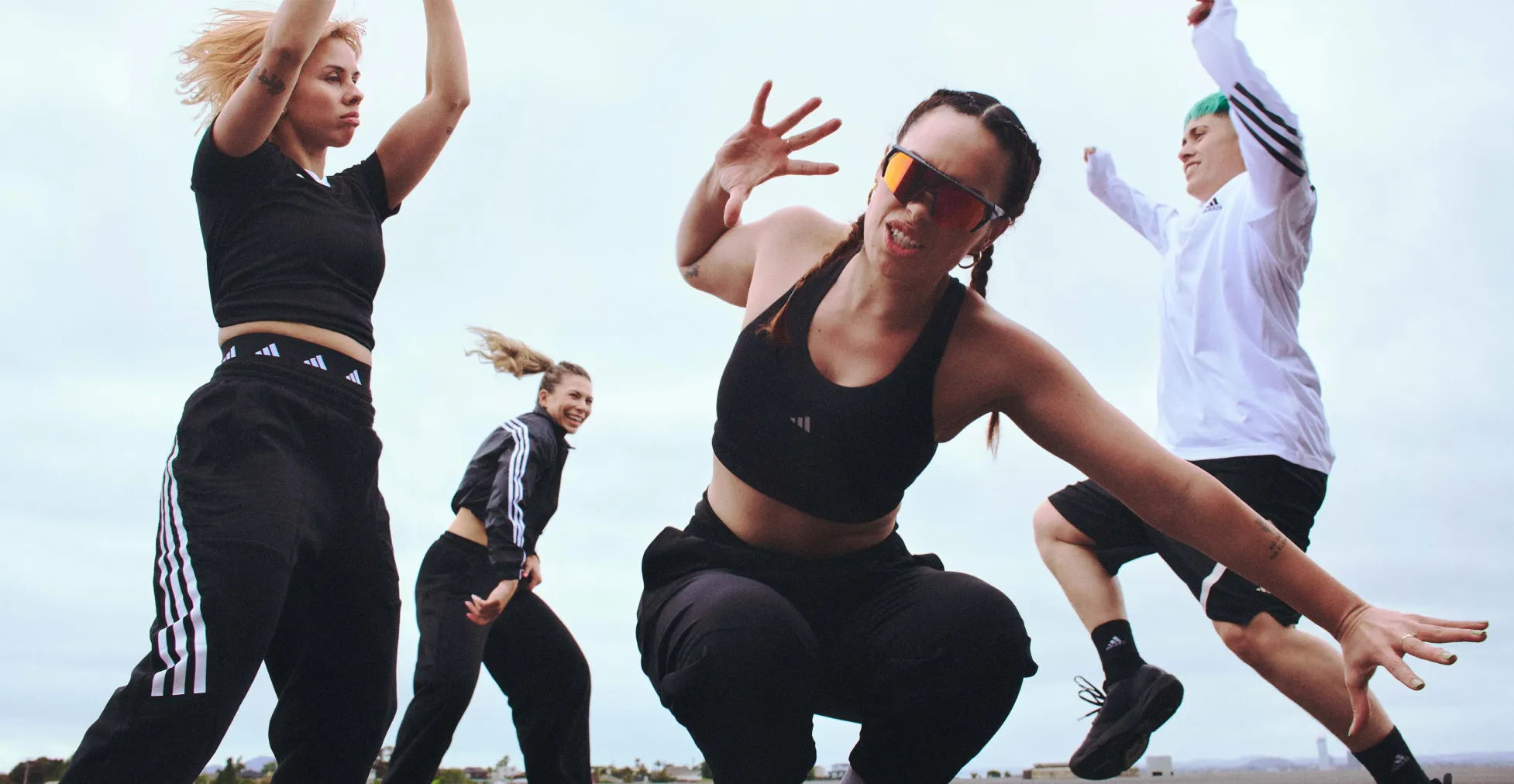
Why music makes exercise feel easier, more enjoyable, and more effective

Fit Planet
Are you eating enough to support your workouts? 7 signs you're under-fueling your training
Fit Planet
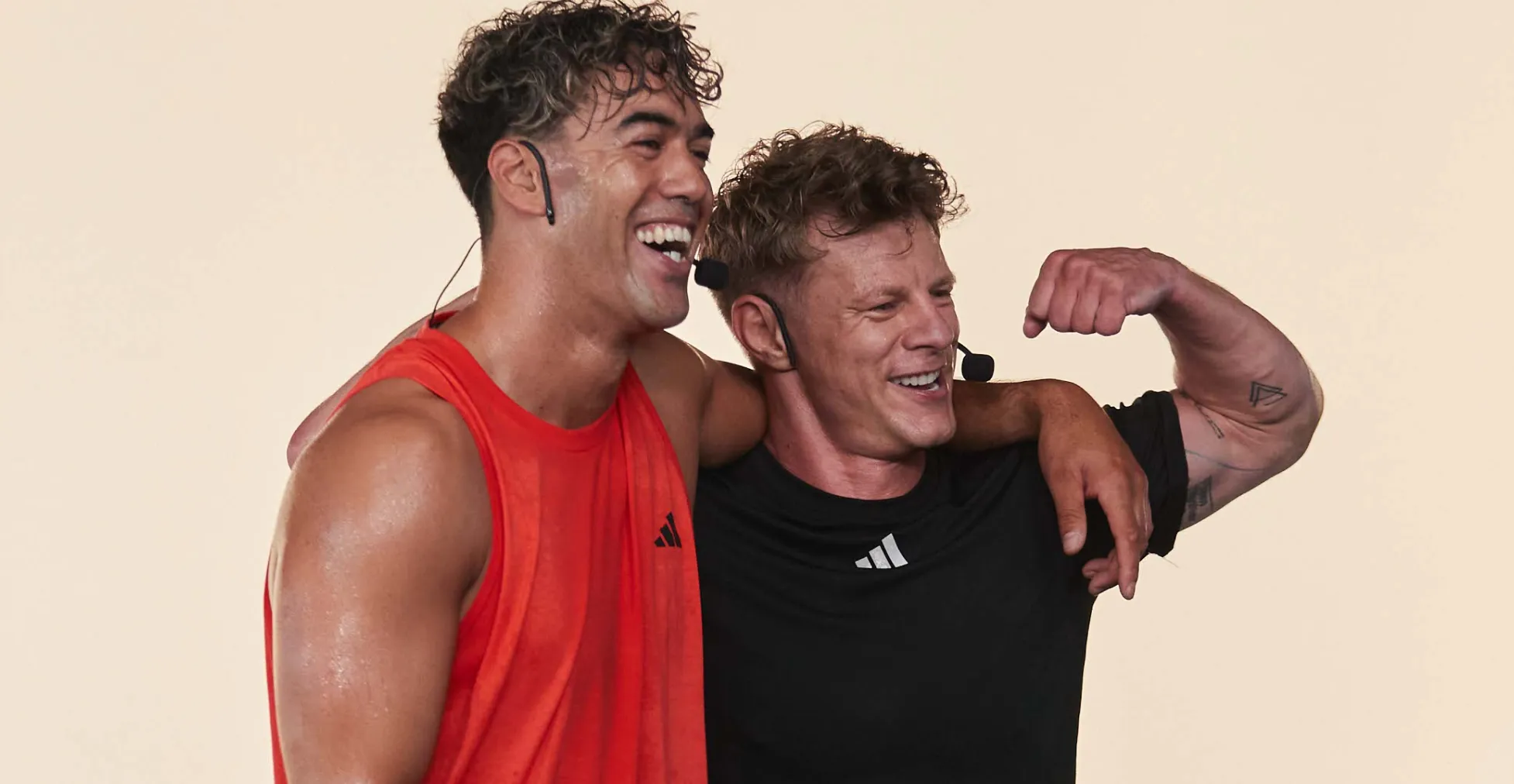
10 signs you'd make a great group fitness Instructor

Fit Planet
Does exercise help you lose weight? What the science really says
Fit Planet
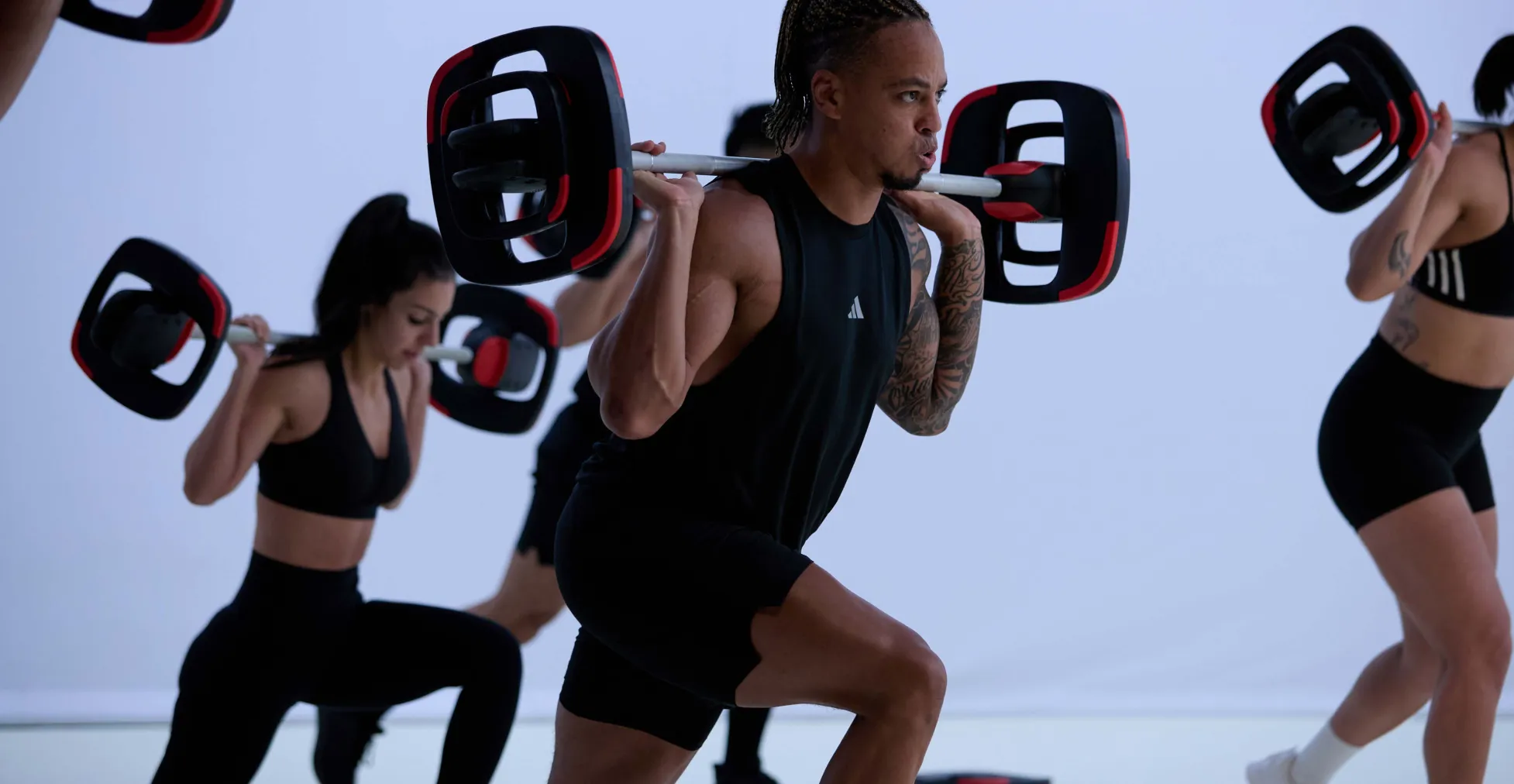
How much strength training do you need to live longer? Scientists say 90-120 minutes per week
Fit Planet
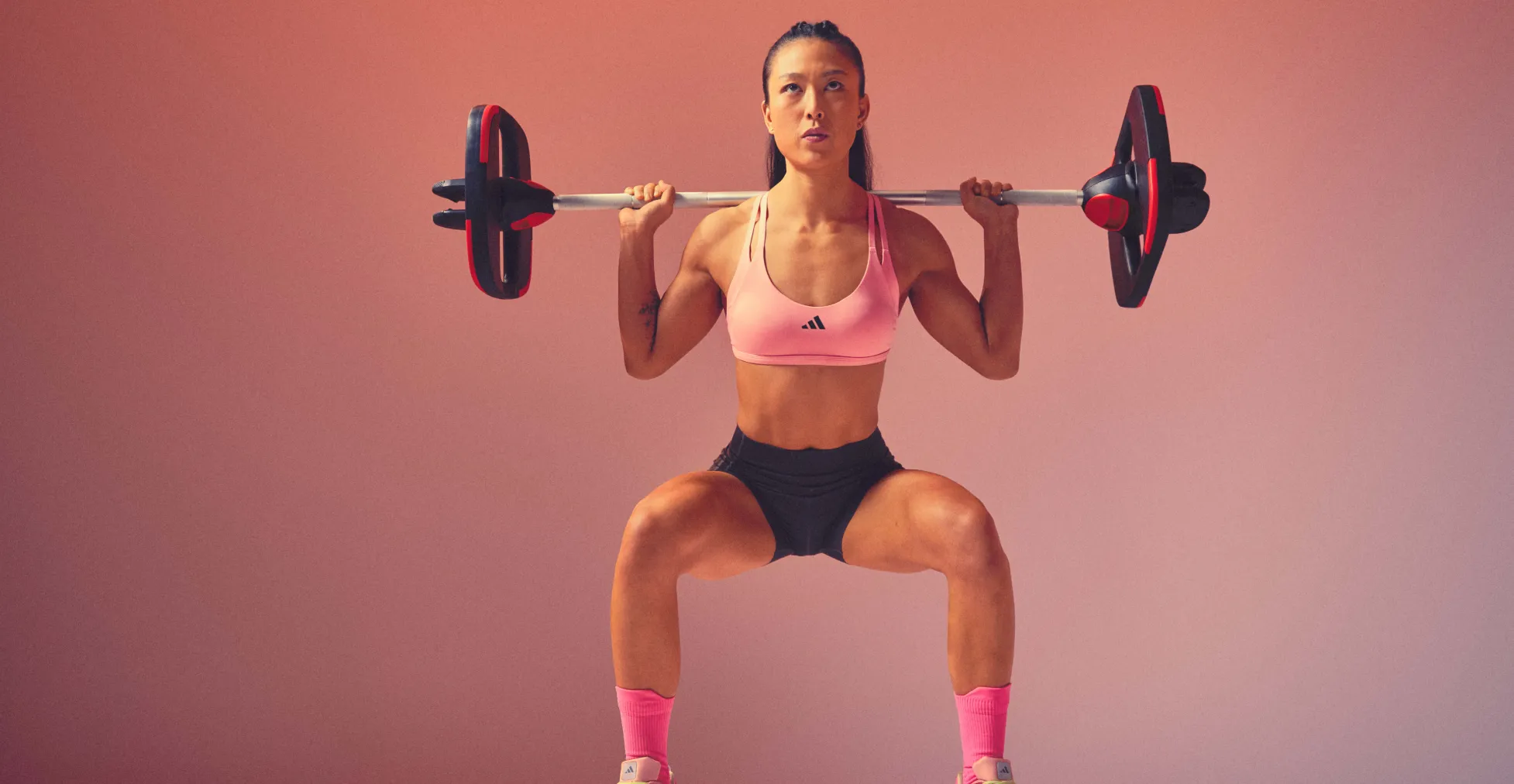
Should you change your workouts based on your menstrual cycle?
Fit Planet
When is the best time to exercise? Morning vs evening workouts explained
Fit Planet