Four key fitness findings operators need to know in 2026

Drawing on the latest industry reports and consumer research, we unpack the trends dominating fitness, from resilient member demand and untapped audiences to the growing business value of community and social-first experiences.
1. A thriving US market
The Health and Fitness Association (HFA)'s 2026 report described the industry as "nimble" – reflecting its ability to respond quickly to market forces and maintain growth. Considering the challenges – energy costs, inflation spikes, cutbacks in consumer spending, and more – it's a signal that despite turbulence, the foundations of the fitness industry are strong.
Fitness spending remains a consumer priority, even with price pressures. Disposable income remains limited for many members, but a loyal and deeply invested cohort choose to retain their gym memberships, treating fitness as essential spending. As community, longevity, and wellness take priority, consumers are sticking with their gym memberships for reasons that go beyond aesthetics. HFA stats the report show:
- 81 million people were members at a US fitness facility in 2025 – a new all-time high and the fourth successive post-pandemic year of growth
- Total visits to fitness facilities reached nearly 7 billion
- Member churn declined 7.1% to the lowest rate in a decade
- The average planned spend for Americans was $61 per month
- Across a diverse mix of 11,000 selected fitness locations, average visits increased 4.2% YoY
And proving that today's fitness consumers are among the most engaged ever, only 23% of Americans said they would cut their fitness spend. Dining out (44%), travel (36%), and entertainment (29%) were all more likely to be cut ahead of it.
The data paints a picture of a resilient and deeply committed consumer base. The challenge now isn't simply attracting members, but understanding what keeps them coming back and deepening their connection to your club over the long term.

2. Turning inactivity into opportunity
The dedication of already active consumers suggests strong retention prospects for the industry, but among the inactive majority, operators still have plenty of opportunity. Sports brand Asics asked 34,000 people from 31 countries about their daily movement activities. More than half (53%) said they failed to meet recommended physical activity guidelines, with 86% agreeing the majority of their day is spent not moving.
The survey revealed:
- Almost one in four people (23%) exercise for less than 30 minutes per week
- People who fail to meet recommended physical activity guidelines have significantly lower state of mind scores (60/100 vs 71/100 for those who meet or exceed guidelines)
- They also report feeling 23% less energized, 20% less composed, 17% less focused, and 16% more stressed than those who are active
Supporting the inactive majority to enter the club ecosystem requires making movement feel achievable, not intimidating. A new member's pathway to long-term fitness relies on starting slow, building steadily, and enjoying it. It's why many successful clubs rely on SMART START principles to remove the friction from a new member's journey. Just like any new joiner, it's key to identify the workouts that will suit them best and ensure exercise adherence, be that through circuits, a dance class, or strength. The key is to manage intensity and start slowly in a way that doesn't feel overwhelming.
Bringing Instructors in to support by discreetly signposting new members when they join a class reassures participants that they can work at their own pace. For example, encouraging members to leave after 20 minutes if they've had enough can help reduce intimidation and build confidence in the early stages of participation.

3. The pressure points still to overcome
A new report from XPlor Fitness and Leisure polled 180 gym and leisure operators across 19 countries and four continents, echoing the globally unstoppable appetite for fitness experiences. 74% of all operators said they had experienced strong or moderate growth over the last three years, with just 2% reporting a decline. Further, growth is driving expansion. 68% of all operators surveyed opened a brand-new location in the same period, 20% acquired an existing club, and 9% used franchising to bring on additional locations.
But the pain points will likely feel familiar to many operators, as the survey revealed the top barriers to growth were:
- Recruiting qualified staff (56%)
- Rising acquisition costs (60%)
- Maintaining consistency across locations (37%)
When asked what they considered to be their biggest drivers of growth, the top three factors were marketing (64%), retention (57%), and group training classes (55%). Already famed for its ability to serve members' key requirements around community and social fitness, these findings also underline the strategic value of group training for operators. Ranking alongside marketing and retention as a leading growth driver, group training is increasingly acknowledged as a key contributor to member engagement, loyalty, and lifetime value.
The survey also points to group training specifically as a revenue driver. When asked which revenue streams are growing fastest currently, operators pointed to group training classes (43%), second only to memberships(69%). Key factors included group training’s ability to justify higher membership tiers, adding value for members, and increasing revenue for clubs.
4. Together, together
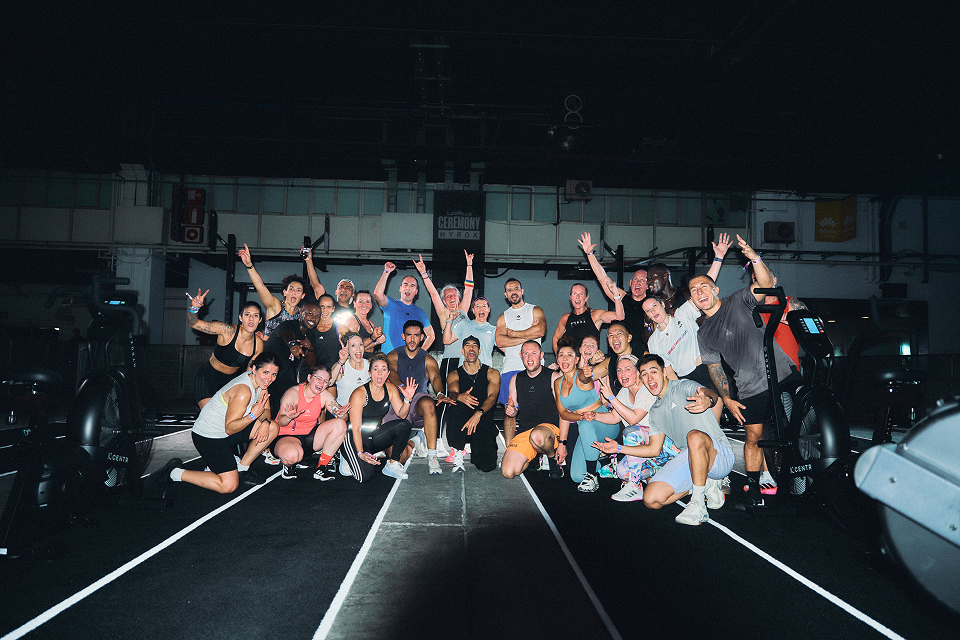
Gen Z and Millennial members often cite social-first experiences as prime motivators for returning to their clubs, and the data continues to validate that. The ABC Fitness Mid-Year Wellness Watch report found 67% of members agreed community is the biggest driver of motivation and accountability in their fitness routine. That figure is up 12% year over year, highlighting how appetite for fitness experiences that build belonging, shared experiences, and accountability is growing – opening the door for clubs to do even more in this space.
Furthermore, 61% say community leads to improved mental and emotional well-being, and 57% of active consumers agree that a fitness community significantly impacts long-term commitment to an active lifestyle. Drilling deeper into the Gen Z mindset, UK operator The Gym Group found 72% of this cohort believe going to the gym helps tackle loneliness, and 62% say that as well as a place to exercise, the gym is also a place to socialize.
As demand for connection continues to rise, clubs that create experiences centered on belonging, accountability, and shared achievement will be best placed to drive both growth and retention.
READY TO UNLEASH YOUR NEXT GENERATION OF MEMBERS?
Les Mills has crafted a new series of programs to meet the specific demands of Gen Z and put your club in the fast lane for growth.
READY TO UNLEASH YOUR NEXT GENERATION OF MEMBERS?
More about the author
Jo Bryce
Jo is a content specialist focused on the global fitness industry. Her role (as Global B2B Content Manager) at Les Mills brings the latest fitness and wellness developments to life, translating research, trends and real-world operator experiences into practical strategies that help fitness businesses navigate a rapidly evolving market.
As a writer, Jo has worked across a range of sectors spanning broadcast, technology and fitness, developing content for both consumer and business audiences. She holds a Master's degree in English Literature and enjoys running and boxing.


Clubs and Facilities
Four key fitness findings operators need to know in 2026

Clubs and Facilities
How do you know your timetable is working?
Clubs and Facilities
Five things we learned at FIT BUSINESS LIVE BARCELONA

Clubs and Facilities
CEREMONY HYROX MAX - Where performance meets community

Clubs and Facilities
The simple gym design principle that powers profitability

Clubs and Facilities
What are the Best Group Training Classes to Attract New Gym Members?

Clubs and Facilities
5 best practices for building lasting member loyalty

Clubs and Facilities
Video: How Nuffield Health increased group fitness attendance by 20% with LES MILLS REFORMER

Clubs and Facilities
Why group fitness is a retention driver for gyms and health clubs

Clubs and Facilities
Fitness24Seven relaunches LES MILLS GRIT to meet demand for time-efficient workouts

Clubs and Facilities
The music-led Reformer experience turning boutique fans into big box converts

Clubs and Facilities