Teach High-Intensity? We Have Good News

New research suggests the benefits of high-intensity training may deliver greater heart protection than first thought and even trigger cancer-fighting effects in as little as 10 minutes.
Training twice as hard offers four times the benefit
As an Instructor, you already know that any movement is good movement – and that members don’t need to exhaust themselves to gain health benefits. But new research suggests that when intensity increases, the payoff can be far greater, especially for heart health.
A large-scale study analyzing wearable data from more than 73,000 adults examined outcomes related to all-cause mortality and cardiometabolic health. The findings were striking. Each minute of vigorous-intensity activity delivered the same benefit as four to nine minutes of moderate exercise, or more than 50 minutes of light activity. In other words, vigorous exercise was at least four times more powerful than moderate exercise for protecting the heart.
This challenges the long-held belief that one minute of vigorous exercise equals two minutes of moderate activity. It also raises questions about current World Health Organization guidelines, which suggest 150–300 minutes of moderate activity provides similar benefits to 75–150 minutes of vigorous activity. According to Bryce Hastings, Les Mills Head of Research: “What we now know is that training at a higher intensity is far more potent than once thought.”
For Instructors who teach vigorous formats, such as BODYATTACK™, LES MILLS GRIT™ or LES MILLS SPRINT™, this reinforces the value of what you coach – and gives you powerful, evidence-based language to help members understand why intensity matters.
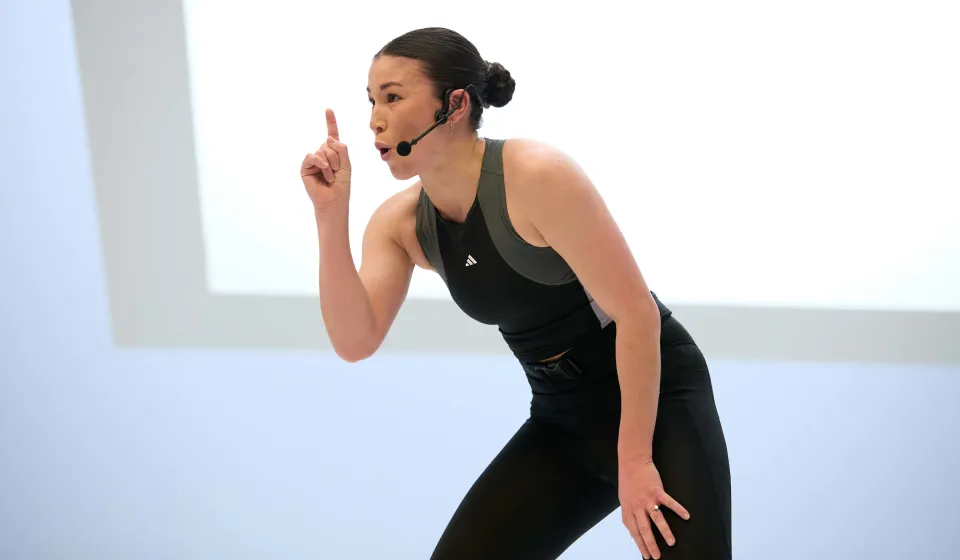
Short on time? Go big on intensity
The research also supports earlier findings that brief, intense workouts can drive outsized health gains – an important message for time-poor members.
An earlier review highlighted how just 20 minutes of High-Intensity Interval Training (HIIT) can create health benefits on par with a full week of moderate workouts. Some studies suggest even smaller doses can be effective. Four minutes of HIIT, three times per week for 12 weeks, has been shown to deliver similar improvements to 45-minute moderate-intensity sessions performed three times a week.
For Instructors, this underscores the impact of well-coached, short-format sessions. When you guide members to reach true vigorous intensity safely and effectively, the physiological return on effort can be significant.

10 minutes of intense exercise can stimulate an anti-cancer effect
HIIT doesn’t just improve cardiovascular fitness. Science shows that just 10 minutes of hard physical activity can release a surge of beneficial molecules into the bloodstream.
When researchers exposed these post-exercise blood samples to bowel cancer cells in a lab setting, they observed widespread genetic changes. More than 1,300 genes altered their activity, including those involved in repairing damaged DNA, regulating energy use, and limiting tumor development. Many of the molecules elevated by exercise are also associated with reduced inflammation, improved metabolic function, and healthier blood vessels.
What’s particularly compelling is how quickly these responses occur. A single 10-minute vigorous workout was enough to initiate these protective signals.
While this is not a replacement for medical treatment, it adds to the growing body of evidence that physical activity – including the kind of high-intensity work many Les Mills Instructors deliver – plays an important role in long-term cancer prevention.

Yes, you can have too much of a good thing
While vigorous training delivers clear benefits, more is not always better – and this is where Instructor expertise becomes critical.
Research suggests that spending more than 30 to 40 minutes with your heart rate above 90 percent of its maximum may increase the risk of overreaching and fatigue. A large 2026 cohort study tracking 110,000 adults in the US over 30 years reinforces the importance of balance. Those who varied their training across different activity types saw greater health and longevity benefits and were 19% less likely to die than those who focused on a single type of exercise.
As Dr Jinger Gottschall explains, vigorous intensity is valuable, but moderate-intensity cardio also plays a critical role. “Moderate-intensity has been tested in countless studies and provides multiple benefits in terms of cardiovascular health, cholesterol levels, triglycerides, and fasting glucose.”
She also highlights the importance of combining cardio with strength and flexibility training. “Research shows a combination of cardio, strength and flexibility training fosters long-term engagement and results. We also know that injury incidence is reduced when you balance cardio exercise with flexibility and strength training.”
For Instructors, this reinforces the importance of intelligent programming, recovery messaging, and helping members see the bigger picture of balanced training.

What counts as vigorous exercise?
Vigorous exercise is any activity that significantly elevates heart rate, increases breathing rate, and makes sustained conversation difficult. It typically occurs when heart rate reaches around 70–85% of maximum.
Running was the primary activity studied in much of the 2025 meta-analysis, but it is far from the only way to reach this intensity. HIIT, which alternates between very high effort (often above 90% max heart rate) and recovery periods, is one of the most effective and accessible ways to train vigorously.
Vigorous intensity isn’t just fast movement – it’s about elevating heart rate into the right zone and helping members understand what that level of work should feel like.
Learn more about Les Mills high-intensity programs
Learn more about Les Mills high-intensity programs
More about the author
Jonathan Tustain
Jonathan is a Digital Content Producer at Les Mills International, where he develops and delivers content for Instructors across the Les Mills website and app. His role focuses on creating useful, engaging content that supports Instructors and strengthens their connection to the Les Mills community.
With a background spanning media, fitness and digital content, Jonathan has written for publications including Gym Owner Monthly and How It Works, and has developed and delivered industry events including The Future of Fitness. He has also spoken at major international events and organisations including MIPCOM, MIPTV, GSMA, Hubei TV and NYU Abu Dhabi.
Jonathan brings together editorial, creative and strategic experience to explore new ways of communicating with fitness professionals and creating content that is relevant, engaging and useful to Instructors around the world.


Instructor News
Kylie Gates on building a fitness career that lasts



Instructor News
The Real Lives of Les Mills Instructors Part 3

Instructor News
The Real Lives of Les Mills Instructors Part 2
Instructor News
Teaching LES MILLS REFORMER™: Instructor Insights

Instructor News
Les Mills Q3 ’26 Release Highlights: What’s New


Instructor News
Become Your Best Self Part 2: Awareness Into Action


Instructor News