INTO THE DEEP BLUE YONDER
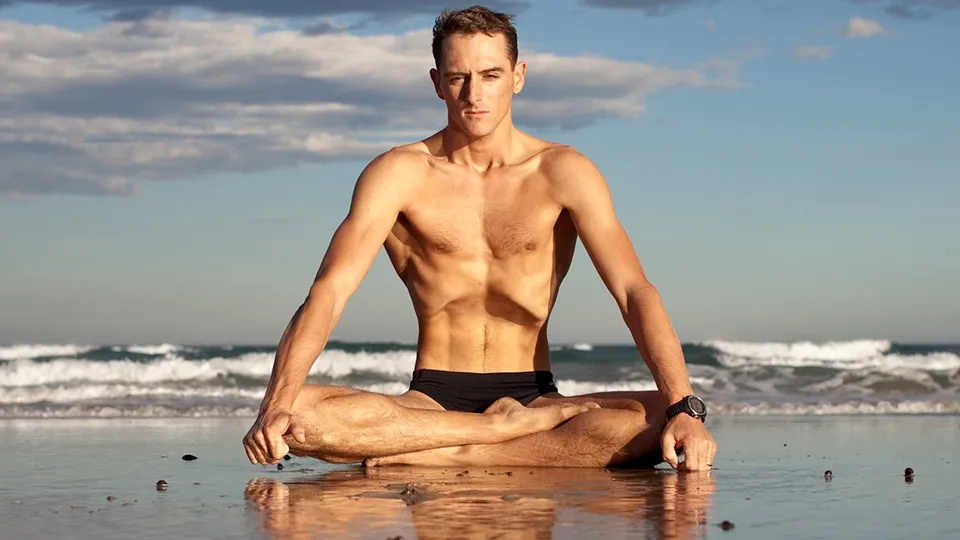
World free-diving champion William Trubridge has trained his body and mind to achieve the seemingly impossible. Now he is sharing what he’s learned in this riveting interview and in an extraordinary new memoir.
Can you swim 100 meters? Okay, can you swim 100 meters without taking a breath? Now, could you swim that 100 meters without taking a breath straight down in a deep enough part of the ocean?
Well, that’s the easy bit. Now you have to swim back up – on the same breath. That’s right – 200 meters, under pressure, no assistance or equipment, in one breath.
It’s a high – or rather deep – bar, admittedly, because that is what William Trubridge achieved when he broke the world free diving record in 2016. In fact, he reached a depth of 102 meters. The dive and return to the surface took four minutes and 12 seconds.
One breath.
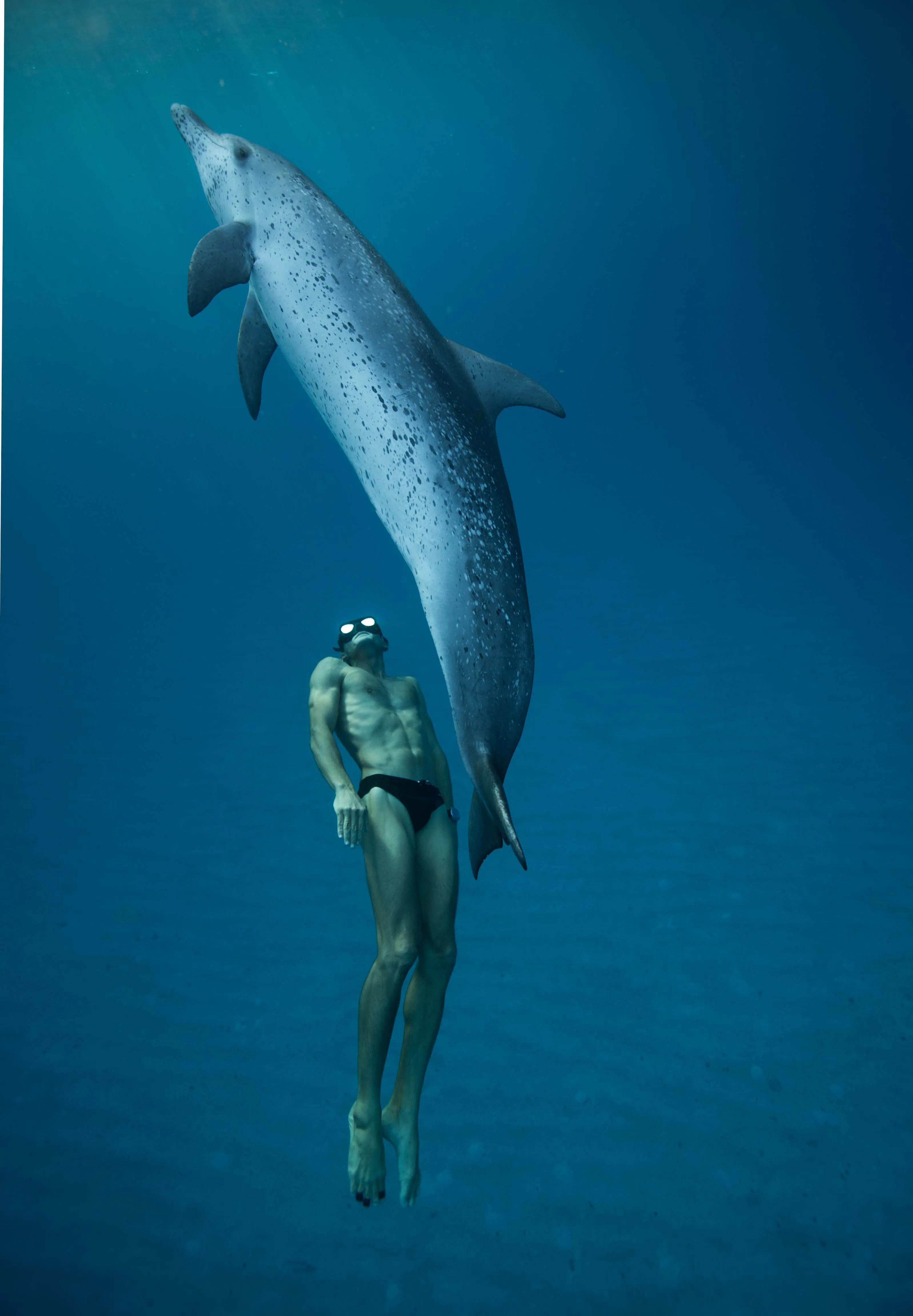
You can listen to Trubridge talk about his incredible achievements in this wide-reaching and fascinating interview. (NB, to set the mood, the interview begins with part of the soundtrack to Luc Besson’s wonderful film The Big Blue, about the rivalry between two legendary pioneers of free diving.)
This interview comes courtesy of Radio New Zealand.
UK-born New Zealander Trubridge started freediving at the age of eight, having spent much of his childhood on board his parents’ yacht as they sailed the world. He began to train seriously in Italy when he was 23. Two years later he was the first free-diver to dive at Dean's Blue Hole in the Bahamas, now recognized as the world's premier free-diving venue, and site of the annual Vertical Blue event, which Trubridge also runs.
In 2007 he broke his first world record in the discipline of CNF (Constant Weight No Fins), diving to 81 meters; three years later he became the first human to descend to 100 meters; and in July 2016 he furthered this record to 102 meters, in an event broadcast live. He now lives in the Bahamas where he trains and teaches freediving, and has just released an extraordinary memoir, Oxygen.
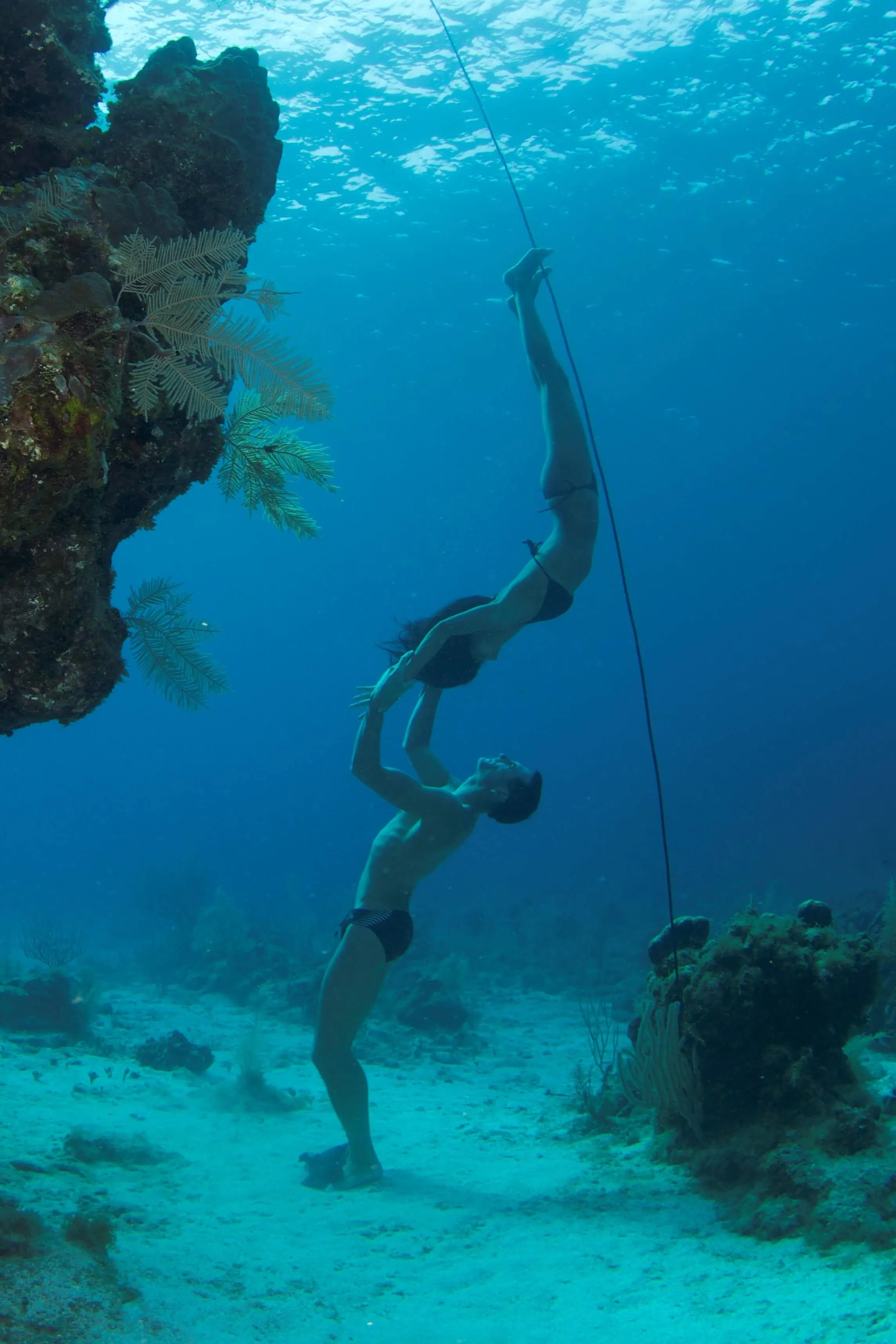
In the interview Trubridge discusses:
- Learning to harness and control the mammalian “dive reflex”, the body’s way of conserving oxygen by slowing the heart and directing blood to the core, forcing the muscles to work anaerobically.
- Finding the right balance of oxygen and carbon dioxide to stimulate the dive reflex.
- How marine mammals have evolved to be more efficient at this than humans, but how we can train ourselves to emulate their abilities.
- Why training is the key to his success – having had his own genome sequenced he discovered he had no real natural physiological advantages.
- Why he thinks his world record will be extended, but that the human limit will probably be around 120 meters.
- What it was like to free-dive the most dangerous dive site in world, Egypt’s Dahab Blue Hole on the Red Sea.
Trubridge also explains how mental discipline – conquering panic and negative thoughts – is a key component of his success. Distinguishing between instinct and fear – both of which operate in the same part of the subconscious – is a skill he has acquired with experience, and which enables him to focus on what is happening to his body and how to push it to the limits of endurance.
The result, he says, does have a spiritual dimension. Being so present in the moment, free from distraction, in low light with no sound, is a form of pure consciousness – a state of mindfulness he now finds he can occasionally return to on dry land.
What drove him? Having excelled at sports as a child, he also became a teenage chess champion, and he believes it was his twin interests that drew him to the deep. “Maybe that drew me to free-diving, because it is a mental and physical sport. You can’t muscle your way to 100 metres, and you can’t meditate your way down there either. It has to be a combination of the two in equal measure.”
You can see Trubridge talk more about his memoir here.

This content is published under licence and in partnership with Radio New Zealand, one of the world’s foremost public broadcasters. To learn more go to radionz.co.nz

Sign up to Fit Planet and get fresh health and fitness news and advice straight to your inbox. Subscribe

Fit Planet
High performance mindset: what we can learn from elite athletes
Fit Planet
Home exercise hacks: The tips home exercisers swear by

Fit Planet
Why exercise fights depression: scientists uncover how muscles talk to the brain

Fit Planet
Exercise for mental health: What the research says about feeling happier, healthier, and more resilient
Fit Planet
How to become a group fitness Instructor: A step-by-step guide
Fit Planet
Why music makes exercise feel easier, more enjoyable, and more effective

Fit Planet
Are you eating enough to support your workouts? 7 signs you're under-fueling your training
Fit Planet
10 signs you'd make a great group fitness Instructor
Fit Planet
Does exercise help you lose weight? What the science really says

Fit Planet
How much strength training do you need to live longer? Scientists say 90-120 minutes per week

Fit Planet
Should you change your workouts based on your menstrual cycle?
Fit Planet