5 Reasons to Teach Pilates: Why Becoming a Pilates Instructor is a Smart Move
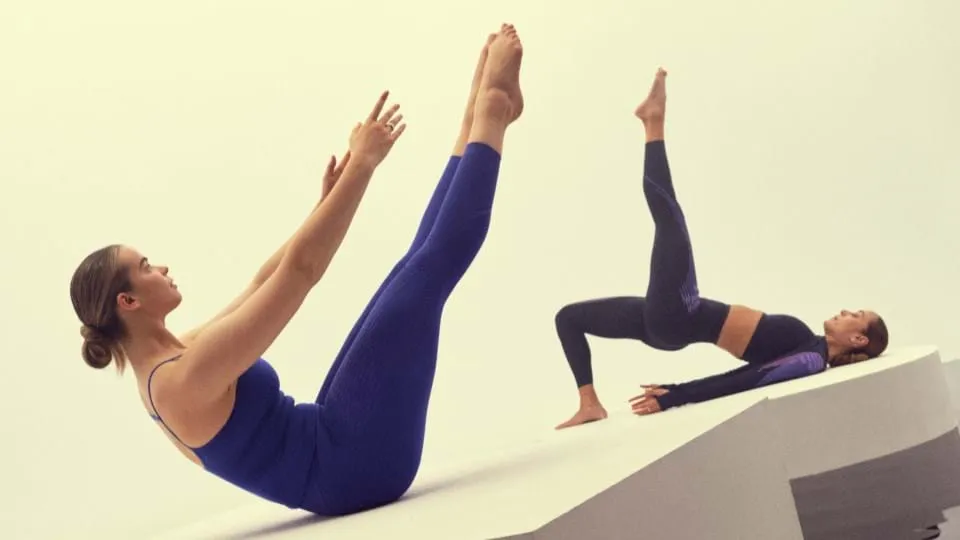
Pilates is having a resurgence, and we’re here for it. As more members discover the benefits of Pilates, there are more opportunities than ever for Instructors to add this versatile training style to their teaching portfolio.
In April 2026, Forbes reported an estimated 12.9 million people were participating in Pilates in the United States alone. This is a 40% growth in participation since 2019. For Instructors, the growth of Pilates represents an opportunity to be in demand, develop new coaching skills, reach different members and add a workout style that can complement almost every other type of training.
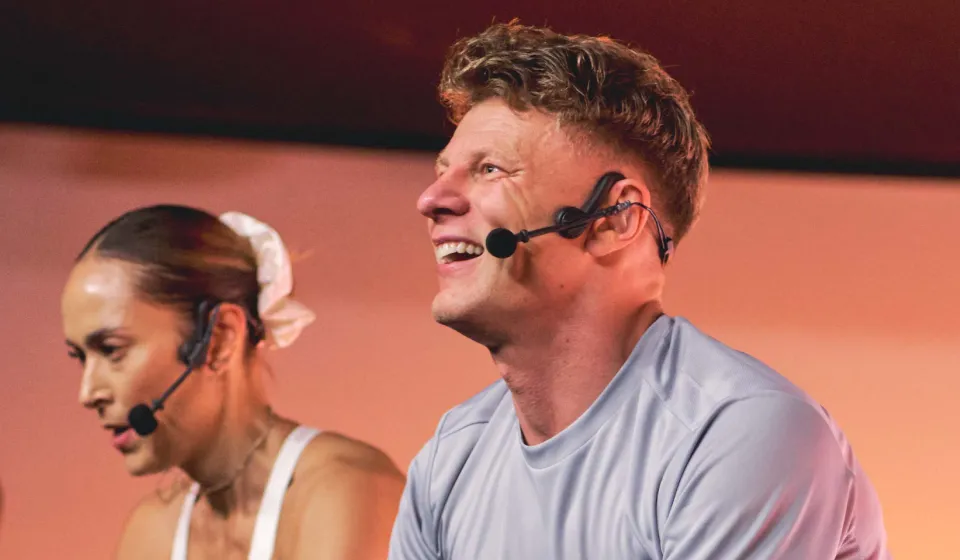
Glen Ostergaard, one of the lead Creatives behind LES MILLS PILATES™, attributes the rise of the discipline to the cross-training advantages it offers.
“The really cool thing about Pilates is you get a lot of benefits without having to rinse yourself every workout. Physically, it has strengthened my core and my glutes, which has helped with my cycle training and lifting weights. I had some back pain – which pretty much disappeared – and I feel less likely to get injured. Mentally, it’s been great. I am not really a yoga guy, so having a different way to calm my nervous system and focus on breathing has been really beneficial.”
We spoke to Pilates Instructors from across the board to find out how they benefit from teaching. Read on to find out what’s to love about being a Pilates Instructor.
Improve overall strength
Pilates is a fantastic way to build functional strength.
“The key functional benefits for your body are spine and hip mobility, core control, and glute strength,” says Summer Bradley, Les Mills Creative. “You work the small muscles that support bigger muscles. This can cross over to have a positive impact on other training disciplines.”
Sarah Hinton, a Pilates and Reformer Pilates Instructor, says it’s the awareness of our core muscles that makes the difference. “Pilates is focused on the core. Learning how to activate these muscles in the correct way will improve strength, while awareness of neutral spine alignment can help us move safely and with more strength in all our movements.”
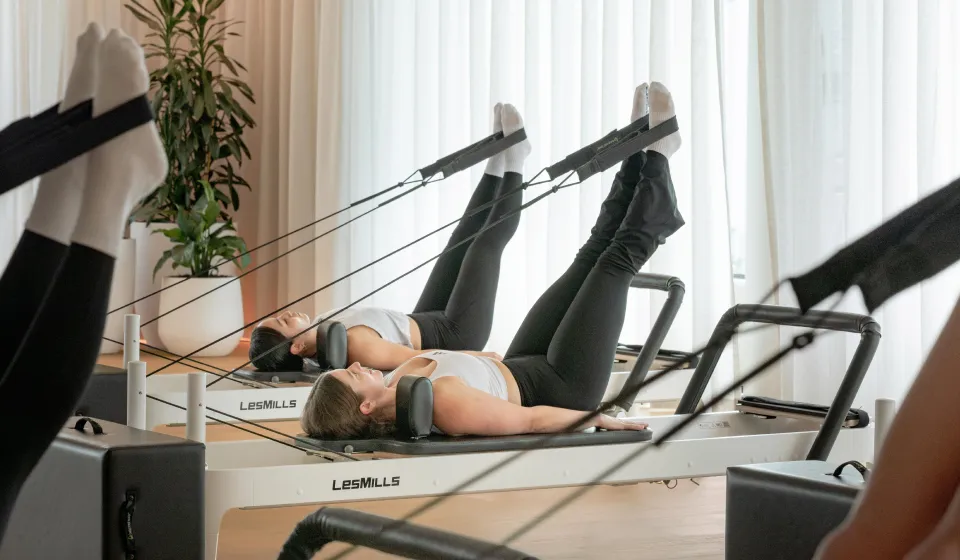
Whether members experience Pilates on a mat or a Reformer, the focus remains on controlled movement, body awareness and building strength from the inside out. LES MILLS REFORMER adds the challenge of spring-based resistance, allowing participants to adjust intensity while developing stability, mobility and control.

Balance your training
If you find that your training or teaching is heavily skewed toward HIIT, cardio or lifting, adding Pilates into the mix can help to redress the balance.
“Overtraining, teaching high-intensity workouts without sufficient recovery, or not having adequate warmups and cooldowns can lead to injuries,” says Pilates Instructor Yogini Nimita Morarji. “Pilates can help minimize that risk. Its focus on core strength, improved postural muscle development and body awareness is why Pilates is known as a rehabilitation and recovery practice.”
Otto Prodan, Les Mills Presenter, says teaching Pilates has helped him remain strong for teaching other Les Mills programs. “The thing I love about teaching Pilates is incorporating spinal movement into my own training outside teaching classes, which has helped me develop better full-body mobility and strength. Pilates is a really good way to train and regulate the nervous system. If you’re looking for a little bit more balance and longevity with your training, if you’d like to try something challenging and learn a new skill – or if you are working through any chronic injuries – Pilates is for you.”
The low-impact nature of Pilates also means that you can teach it more frequently than other programs, says Shenae Bearman, one of the Master Trainers at STRONG Pilates®. “It’s easy to get behind it as you know members aren’t going to get overloaded/burnt out if they’re doing it frequently, compared to some other forms of exercise.”
Level up your coaching
Teaching Pilates will arm you with a brand-new skill set when it comes to coaching.
“It definitely brings a level of coaching challenge compared with other workouts,” says Shenae. “There’s a lot more to cue compared with some of our most basic compound movements – but I think we Instructors always love a challenge, especially if we’ve been in the field for a while. It requires a lot more tactile cueing, which I find gives a better member experience. Some people are kinesthetic learners and need to feel the correct position.”
The practice will also give you greater body awareness, adds Sarah. “We move differently from traditional training. Pilates requires a deeper understanding of how our physical body works. Alignment is important and small shifts in technique will make you feel the movement differently. When we understand this, we become better Instructors and athletes.”
Teaching Pilates also offers the opportunity to reinvent yourself as an Instructor, says Kylie Gates. “It’s a great challenge to take up a new program, become a beginner again and remember why you fell in love with teaching in the first place. This offers us longevity as Instructors.”
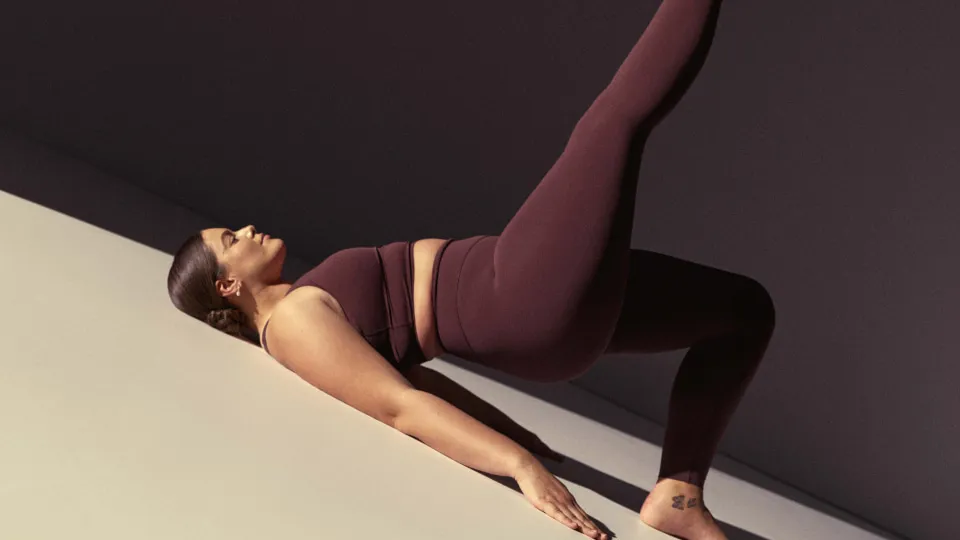
Improve mind-body connection
Low-impact exercise is on the rise, according to a survey by fitness platform Mindbody, with 41% of consumers preferring low-intensity exercises because of their calming and relaxing benefits. Pilates delivers on this promise with its focus on mindful connection to the body, according to Nimita. “As Joseph Pilates said, ‘Pilates is the complete coordination of mind, body, and spirit.’ This is a comprehensive wellbeing workout where you get to experience the magic of breathing techniques for mental focus and share that with members.”
The focus on breathwork in Pilates will benefit both you and your members, says Otto. “Pilates is all about alignment and breath. These skills are transferable into any other physical activities you do or teach. Your movement becomes more efficient when you’re in the correct position, with the correct breath. You’ll not only feel stronger when working out, but you can teach people how to do the same.”
Nimita agrees: “With a strong emphasis on deep controlled breathing for core activation, you’ll recognize how powerful breathing is for enhancing your lung capacity. This helps boost your energy when teaching other programs, as well as improving your breathwork coaching skills.”
Improve spinal health
With its emphasis on spinal alignment, Pilates is an excellent way to maintain a strong and healthy back, says Sarah. “As Joseph Pilates says, ‘You are only as young as your spine is flexible.’ Having a flexible spine that can move in all planes of motion is a key aspect of Pilates.”
Teaching Pilates with Les Mills
Whether you’re coaching members through a mat-based Pilates workout or guiding them through movement on the Reformer, helping people develop greater body awareness and movement confidence is one of the most rewarding parts of teaching Pilates.
As a Les Mills Instructor you’re backed by a trusted global brand, with the support and credibility to deliver premium professional class experiences every session. You’re set up with perfectly crafted playlists, expert coaching guidelines and that unmistakable Les Mills magic that keeps members coming back for more.
With Les Mills, Instructors can choose from a variety of different Pilates types, notably; LES MILLS PILATES™, our mat-based program, or the new LES MILLS REFORMER™ which uses a Reformer machine. There are also programs like LES MILLS SHAPES™, which features Pilates, Sculpt and Power Yoga, and BODYBALANCE™, which fuses Yoga, Tai Chi and Pilates.
Why teach LES MILLS PILATES?
Described as Pilates, reimagined, LES MILLS PILATES brings together the fundamental movements of Pilates with music-led coaching, making the workout accessible to a wide range of members.
“You don’t need to be a Pilates guru to teach LES MILLS PILATES,” says Summer, the Les Mills Creative behind the program. “The programming has been carefully sequenced and tested, so you don’t have to spend time creating your own workout. It’s set to incredible music that matches the tone and flow of the movements. Plus, you get to do the workout alongside your class, so you also get the benefits!”
Nimita adds: “LES MILLS PILATES integrates the fundamental movements of Pilates with breathing, offering options to accommodate different levels of mobility and flexibility. In other words, you don't have to be able to do the splits or wrap your leg around your head to teach it! This adaptability makes it accessible, so you'll attract a wide demographic of members with varying fitness levels in classes. It's achievable for everyone.”
Naturally, being a LES MILLS program means the music is also key.
“The music is captivating,” says Kylie. “This keeps you in the workout, as well as creating a space for people to connect internally. It’s cool to observe the progress our members make in class. Seeing people gain confidence will give you pride in your job, knowing you’re making a difference to someone's day.”
Learn more about LES MILLS PILATES
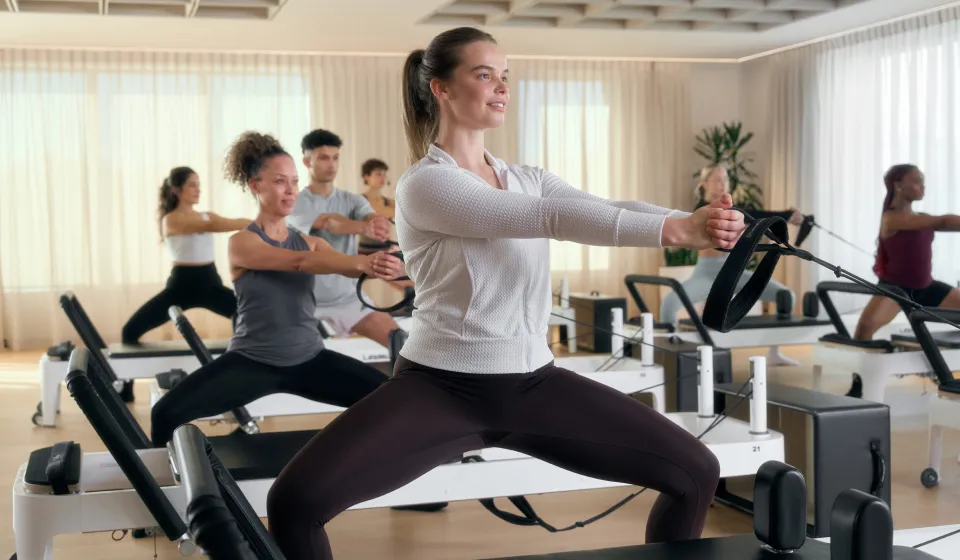
Why teach LES MILLS REFORMER?
LES MILLS REFORMER provides a great opportunity to get involved with this form of in-demand training.
Interest in Reformer Pilates continues to rise, with online search interest for “Reformer Pilates” in the UK increasing by 57% between late 2024 and mid-2026. As more members look for Reformer classes, clubs are responding by adding more sessions to their schedules and creating new opportunities for Instructors.
Summer says that is your chance to become to a sought-after Reformer teacher – without extensive hours of training. And like LES MILLS PILATES, you can feel confident teaching carefully crafted programming. “The sequencing and playlists are all created for you, so you get everything you need to deliver consistently amazing classes. And the music, it’s pure vibes on vibes. Plus, this is low-impact and restorative, so you’re looking after your body as you teach.”
Rather than the 30–150+ hours (1–2 years) often required for traditional Reformer Pilates training, new and current Instructors can become certified to teach LES MILLS REFORMER in a matter of weeks. They’ll still benefit from the gold-standard training Les Mills is known for.
For Sarah Steele, who teaches LES MILLS REFORMER, the practical nature of the training helped her build confidence with the format. “The benefit of doing the training course over a whole weekend is that we got to practice a lot and get familiar with the beds. The good thing about Les Mills training is that you go over and over the workout, the moves and the execution for deeper learning.”
Learn more about LES MILLS REFORMER in this interview with Summer Bradley.
Whether you choose to teach LES MILLS PILATES, LES MILLS REFORMER, or one of Les Mills’ other Pilates-inspired programs, you’ll help more people experience the physical and mental benefits of Pilates while continuing to grow your skills as an Instructor.
Instructor News
Kylie Gates on building a fitness career that lasts
Instructor News
The Real Lives of Les Mills Instructors Part 3

Instructor News
The Real Lives of Les Mills Instructors Part 2
Instructor News
Teaching LES MILLS REFORMER™: Instructor Insights
Instructor News
Les Mills Q3 ’26 Release Highlights: What’s New
Instructor News