What causes muscle cramps during exercise – and how can you prevent them?
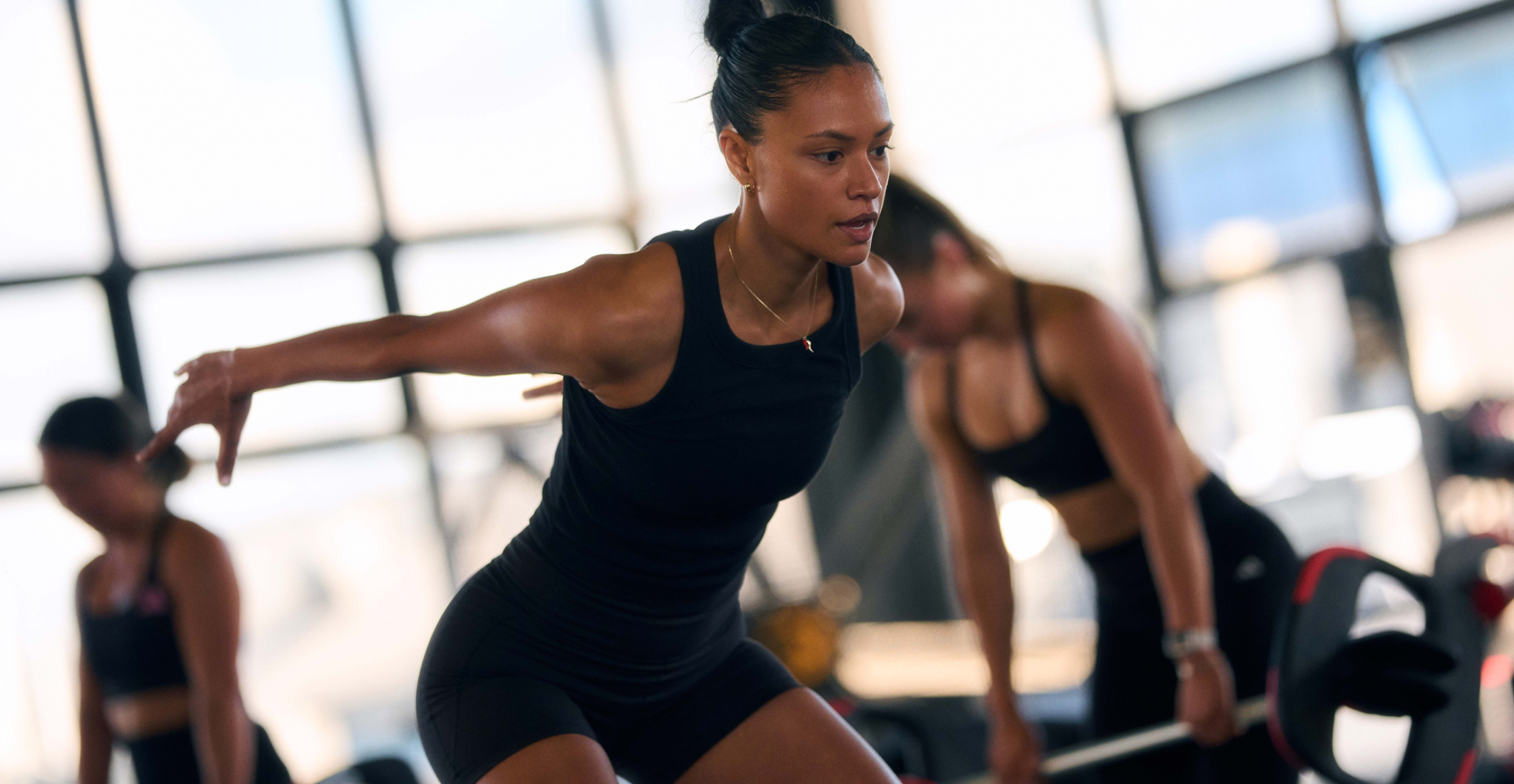
One moment you’re powering through a workout; the next, a muscle seizes without warning. While hydration and electrolytes often take the blame, research suggests neuromuscular fatigue is the more common trigger. Discover the training techniques that will help ease the issue.
Key points to know:
- Muscle cramps during sports or exercise are most often linked to neuromuscular fatigue, although heat, dehydration and sodium loss can also contribute.
- Gentle stretching is the fastest way to ease an active cramp.
- Training progression specific to the demands of any event or competition may help reduce recurring cramps.
Whether you're chasing a new PB, tackling a HYROX race, logging long training miles, or pushing hard in your favorite group fitness class, few things are more frustrating than a muscle cramp stopping you in your tracks.
Many people blame cramps on dehydration and electrolyte loss. That's why sports drinks, electrolyte tablets, and even pickle juice have become popular remedies among athletes and exercise enthusiasts. But research suggests the story is far more complex, with most muscle cramps driven less by a lack of sodium and more by fatigue within the nervous system itself.
The good news? Understanding what really causes cramps can help you take a smarter, bigger-picture approach to preventing them.
What causes exercise-associated muscle cramps?
Exercise-associated muscle cramps are sudden, painful, involuntary muscle contractions that most commonly affect the calves, hamstrings, quadriceps, or foot muscles.
While heat, dehydration, and sodium loss can contribute to the conditions that make cramping more likely, it’s typically neuromuscular fatigue that is the primary trigger. According to research, cramps occur when there's an imbalance between the signals that tell a muscle to contract and those that tell it to relax.
When a muscle becomes fatigued:
- Excitatory signals from muscle spindles can increase.
- Inhibitory signals from Golgi tendon organs can decrease.
- The muscle becomes more likely to contract involuntarily.
The result? A sudden, painful cramp that seems to come out of nowhere.
This theory also helps explain why cramps usually occur in the muscles working hardest during exercise, rather than appearing randomly throughout the body.
Does dehydration cause muscle cramps?
Dehydration is often the first thing people associate with cramps, but that doesn’t mean you should chug excessive amounts of water to counter them.
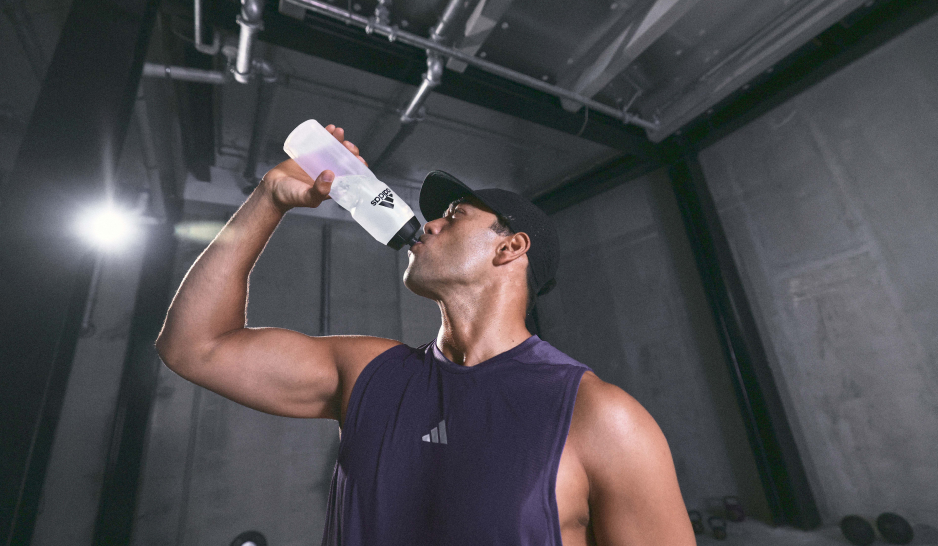
Interestingly, consuming large volumes of plain water during prolonged exercise can dilute sodium levels in the bloodstream. This reduction in sodium concentration can actually increase muscle excitability and potentially make cramping more likely. There’s science showing that replacing dehydration losses with water alone can increase susceptibility to muscle cramps. Only fluids containing electrolytes can reverse that effect.
Do electrolytes prevent muscle cramps?
Electrolytes are minerals in your blood, sweat and body fluids that help regulate fluid balance, nerve function, and muscle contractions. You lose electrolytes when you sweat, so replacing them with electrolyte supplements can be important during long-duration exercise.
However, studies of endurance athletes, including Ironman competitors, found no significant differences in serum electrolyte concentrations or body-weight changes between athletes who experienced cramps and those who remained cramp-free. In other words, athletes who cramp can have hydration and electrolyte levels similar to those who don’t.
This doesn't mean electrolytes are irrelevant. Replacing fluids and sodium remains important for performance, especially during long training sessions in hot conditions. But for many people who regularly experience cramps, electrolytes are only part of the picture and can’t be counted on as a guaranteed cramp-prevention strategy.
Does pickle juice actually stop cramps?
Yes, drinking pickle juice may help shorten an active cramp, which is why it’s become something of a cult favorite among athletes. And surprisingly, drinking pickle juice is an approach backed by science.
In a frequently cited study, researchers found that pickle juice shortened the duration of electrically induced muscle cramps significantly faster than water. What's particularly interesting is that the effect happened far too quickly to be explained by electrolyte absorption into the bloodstream.
Researchers believe pickle juice works by stimulating receptors in the mouth and throat that rapidly influence nervous system activity. The strong, acidic taste activates transient receptor potential (TRP) channels, triggering a reflex that may dampen the hyperactive nerve signals contributing to a cramp.
In other words, it targets a neurological mechanism rather than accelerating absorbtion of electrolytes.
Why stretching remains the fastest cramp fix
If you’re seeking the quickest and most reliable way to relieve an active muscle cramp, you can’t look past gentle stretching. A 2021 review concluded that gently stretching the affected muscle until the cramp subsides remains the strongest recommendation for immediate relief. Simply slowing down or stopping the activity can also help.
Bryce Hastings, Les Mills Head of Research, says: “Stretching relieves a cramp because it increases tension in the muscle-tendon unit, activating Golgi tendon organs that inhibit the overactive motor neurons responsible for the involuntary contraction.”
Unlike fluids, which may take more than 10 minutes to be absorbed, stretching can begin working almost immediately.
Hastings also explains what can help cramp from reoccurring. “We’ve all seen a sports player go down with cramp and a trainer run onto the pitch to stretch the player’s calf muscle as they lay on the ground with their foot in the air. While that provides initial relief, in my experience it’s best to get the player up and weight-bearing as quickly as possible. This seems to provide relief as well as reduce the chance of cramp recurrence.”
Can stretching prevent cramps?
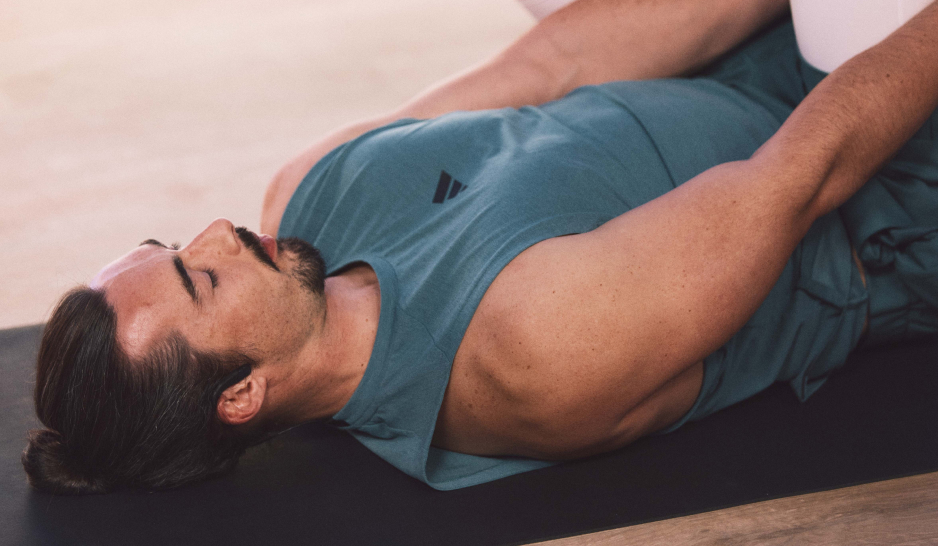
Stretching is highly effective at relieving a cramp in the moment, but there's limited evidence that a regular stretching routine alone prevents exercise-associated muscle cramps.
That said, studies indicate that shortened 2-joint muscles (such as the gastrocnemius, hamstrings, quads and long toe flexors) are more prone to cramping, therefore, mobility and flexibility work still offers valuable benefits.
- Reduces excessive muscle tightness
- Improves range of motion
- Enhances movement efficiency
Regular stretching, as you get during yoga or a BODYBALANCE™ class, could also help lower the neuromuscular stress placed on muscles during exercise.
How should you train to reduce your risk of cramps?
One of the most overlooked causes of cramping is simply asking the body to do more than it's prepared for. Sudden jumps in training volume or intensity can rapidly increase neuromuscular fatigue, making cramps more likely. If you’re training for an event or competition, train in similar temperatures and conditions to the actual competition and set realistic pacing goals on race day.
The surface you’re racing, playing or exercising on is also important. If you do all your training on grass and pavements and then find yourself competing on turf, cramps are likely to be more prevalent.
How can you help prevent muscle cramps during exercise?
- Build the strength and fatigue resistance of cramp-prone muscles
- Increase training volume and intensity gradually
- During a race or competition, set realistic pacing goals
- Prioritize sleep and recovery
- Use an individual hydration and electrolyte plan for long or hot sessions.
The bottom line
The next time a cramp strikes, don’t assume you simply need more water or electrolytes. Gently stretch the affected muscle for immediate relief, then look at the bigger picture: targeted strength training, gradual training progression, ample recovery, and a hydration strategy suited to the conditions.
Cramps can be frustrating, but conditioning muscles to build greater fatigue resistance may help you stay comfortable – and keep performing at your best – for longer.
Want to learn more about muscle pain and training?
See Bryce Hastings’ advice on how to deal with DOMS and train when your muscles are sore.
MUSCLE PAIN AFTER EXERCISE
More about the author
Emma Hogan
Emma is a health and fitness writer with 20 years of experience creating evidence-based features that bridge the gap between scientific research and real-world application. Based in New Zealand, she works with global exercise scientists, physiotherapists, and internationally recognized fitness experts to uncover the latest insights in health, fitness, and human performance.
Known for making complex topics accessible and engaging, Emma writes on everything from strength training and recovery to motivation, behavior change, and lifelong wellbeing. Her work helps readers navigate an increasingly crowded health landscape and make informed choices grounded in credible research rather than trends or misinformation.

Fit Planet
What causes muscle cramps during exercise – and how can you prevent them?
Fit Planet
High performance mindset: what we can learn from elite athletes
Fit Planet
Home exercise hacks: The tips home exercisers swear by
Fit Planet
Why exercise fights depression: scientists uncover how muscles talk to the brain

Fit Planet
Exercise for mental health: What the research says about feeling happier, healthier, and more resilient
Fit Planet
How to become a group fitness Instructor: A step-by-step guide
Fit Planet
Why music makes exercise feel easier, more enjoyable, and more effective

Fit Planet
Are you eating enough to support your workouts? 7 signs you're under-fueling your training
Fit Planet
10 signs you'd make a great group fitness Instructor
Fit Planet
Does exercise help you lose weight? What the science really says
Fit Planet
How much strength training do you need to live longer? Scientists say 90-120 minutes per week
Fit Planet