6 fitness trends set to drive club growth in 2027
New innovations, old favorites and societal shifts are redefining what members want from their clubs – from the Transformation Economy to a premium on human connection. Here are six trends, spanning AI, events, autotelic exercise, strength and Pilates, that present major growth opportunities for operators in 2027.
Taken together, these six trends point in one direction: members are looking for clubs that deliver more than equipment and access. They want to be transformed, feel connected, and be guided by real people. The operators who shape their offer to meet these needs will be best placed to grow in 2027.
1. The Transformation Economy
Prediction: We’re entering the age of the Transformation Economy, where people are the product – and everyone wants an upgrade.
Why now: There’s been a fundamental shift in the way consumers make purchasing decisions – and fitness is a prime example. Where once consumers bought goods, then services, and more recently experiences, today they seek something more aspirational and ambitious: transformation.
As renowned author Joseph Pine notes in his new book The Transformation Economy, providing a great experience – for many years the holy grail for gyms – may not be enough for today’s new class of customer. They still want experiences, but expect them to provide total and lasting transformation.
Consider the boom in online (and offline) courses promising to help people become more affluent, confident, employable or mindful. Or the rise in wellness-linked offerings to help people improve their sleep, mental health, diet or complexion. People have become the product and will pay top dollar to become a better version of themselves.
In action: Members demand to be transformed, and the industry is evolving to meet these elevated expectations. Operators like the UK’s Everyone Active have recognized this with its You+ wellness membership, attracting nearly 70,000 members through its offer of transformative results across fitness, sleep, nutrition, movement, recovery, brain health and social wellbeing.
Meanwhile, Belgian chain Jims is taking a joined-up approach to preventative health by using its connections to food, movement and healthcare pathways to reach consumers beyond the gym and help them sustain healthier behaviors.
What it means for operators: People aren’t joining gyms simply for the location, equipment or classes (although they remain important considerations), they’re paying to pursue an identity. They want to transform into a leaner/stronger/fitter/bendier/happier version of who they are today, so our marketing must reflect not just what they do in the gym, but who they aspire to become.
2. The end of the strength trend?
Prediction: 2027 will see strength transcend from a red-hot trend more people are trying, to a training mainstay that’s embraced by almost every major member segment, supporting healthy ageing, weight-management, confidence and functional-health goals – as well as aesthetics.
Why now: When is something no longer a trend? Either its popularity wanes, or grows so strong that it reaches mass adoption and becomes embedded in culture. Having topped virtually every trend list since the pandemic, strength is reaching that apex. Vital to all member categories and every stage of life, strength is becoming a mainstay of modern training plans.
The 2026 HFA Global Report highlights growing interest in strength training for long-term health and physical capability, alongside aesthetic goals, while a global academic review from Les Mills and ukactive highlighted the crucial role of strength training for maintaining muscle mass among people on weight loss drugs.
Such demand for strength training has created huge opportunities for club operators, but certain hurdles must still be cleared before its potential can be fully realized. The 2026 Global Fitness Report found 36% of current strength participants were unsure whether their training was correct, and 40% were unsure about their technique. Among aspiring lifters, 54% felt conflicting advice made it difficult to know where to begin, while 50% worried about feeling out of place in the weights area.
In action: Since 2018, Germany’s LifeFit Group has seen a 39% reduction in the number of members who aren’t visiting their club (non-users) and a significant uplift in strength demand, so the operator has doubled down on its group training strategy – partly to manage the extra footfall. LifeFit Group has massively expanded its timetable and doubled the proportion of Les Mills classes (rising from 21% to 41% of all timetable slots), driving significant uplifts in member retention and lifetime value.
What it means for operators: The next stage of the strength boom will be won through accessibility – coached entry points, great programming, technique education and progression pathways – not simply more equipment. This requires a holistic approach to strength provision that takes pressure off the gym floor and leverages large-capacity spaces like the studio to manage footfall and meet members’ varied needs for coaching, support, community and motivation.
3. The Antidote to AI: Human connection counts for more
Prediction: As the presence of AI expands through club operations, coaching and wider society, we’ll see a premium placed on authentic human experiences rooted in instruction, motivation and connection.
Why now: A paradox of modern living is that as technology and AI become entrenched in our daily lives, people are placing greater value on the places where they can unplug and escape into analogue bliss.
As noted in The Wellness Economy Substack: “Cotton workout tees are back. Wired headphones have become a statement. People are buying film cameras, joining book clubs, playing board games and paying to attend retreats where the main selling point is having no wifi.”
This is especially true in fitness, with the 2026 Global Fitness Report finding just 10% of consumers prefer an AI-created workout to a human-led experience. This was echoed by the McKinsey Future of Wellness 2027 Report, which found 40% of US consumers worry AI wellness advice may be inaccurate, and only 11% of consumers are using AI for real-time fitness coaching.
As AI becomes more embedded in everyday life, that pull towards analogue experiences extends into the club. Against this backdrop, gyms are positioning themselves as community hubs where people can feel better about themselves, receive trusted advice, and find the connection that modern lifestyles lack.
Gen Z and Millennial members often cite social-first experiences as prime motivators for returning to their clubs, and the data continues to validate it. The ABC Fitness Mid-Year Wellness Watch report found 67% of members agreed community is the biggest driver of motivation and accountability in their fitness routine.
Furthermore, 61% say community leads to improved mental and emotional well-being, and 57% of active consumers agree that a fitness community significantly impacts their long-term commitment to an active lifestyle. Drilling deeper into the Gen Z mindset, UK operator The Gym Group found 72% of this cohort believe going to the gym helps tackle loneliness, and 62% say the gym is also a place to socialize.
In action: As the industry grapples with how and where to automate club operations, multiple CEOs at the recent HCM Summit advocated thoughtful deployment of AI to free up teammates to provide more meaningful human touchpoints for members. Or as industry expert Emma Barry succinctly puts it: “Automate the friction, not the feeling.”
At the same HCM event, SATS CEO Sondre Gravir said member activity is the most meaningful metric for measuring engagement, with activities that support connection and community providing a strong path to profitability. The company has significantly expanded its studios and timetables in recent years, finding that group training participants stay with SATS 1.8 times longer than other members and have twice as much lifetime value.
What it means for operators: As demand for connection continues to rise, clubs that create experiences centered on belonging, accountability, and shared achievement will be best placed to drive both growth and retention.
4. Events 2.0: An essential part of the club experience
Prediction: Fuelled by this growing member appetite for connection, clubs will increasingly treat events, challenges and shared experiences as a programmed part of their product, rather than an occasional marketing activity.
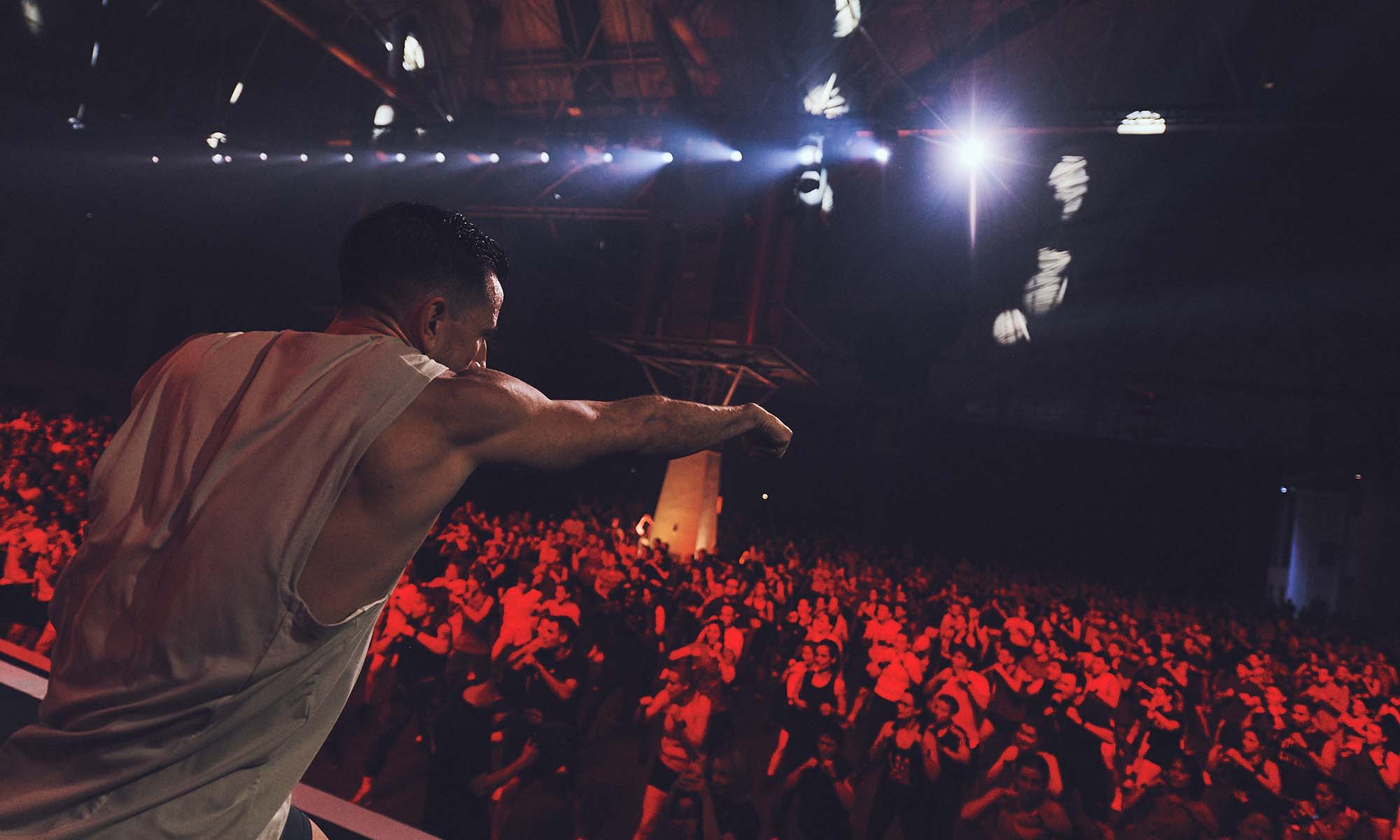
Why now: Fitness events are continuing to scale, driven by bigger and bolder spectacles. Regional offerings like Strong New York and Faces of Fitness Chicago are growing steadily, while on the international stage, LES MILLS LIVE Barcelona brought together fitness fans from 65 different countries in October 2026 for an epic weekend of workouts and group energy.
HYROX continues its inexorable rise, with more than two million competitors expected to race globally in the 2027 season, while the brand brought fitness events into uncharted waters with the HYROX Cruise – taking 2,000+ athletes on a four-day floating fitness festival in the Mediterranean.
At a club level, operators are taking cues from the macro environment to curate more impactful and innovative events, blending community and competition to boost engagement, drive referrals, and turn everyday workouts into unmissable experiences. Quarterly launches of new group training programs remain a mainstay for many, while the demand for HYROX-style marquee events that members can train towards is giving rise to a host of in-club competition formats.
Events remain the bedrock of a thriving club and the most powerful reminder of why members first fell in love with it. The operational load of executing events is far outweighed by the sales and marketing benefits: stronger member engagement and retention, new joiners, brand exposure, ample content to amplify across your club channels, and the chance to capture leads for ongoing nurture and a healthy member pipeline.
In action: Premium US operator Life Time – the world’s largest operator by revenue – is doubling down on experiences and building its own hybrid training ecosystem. The brand is scaling up its Hybrid XT training program and hosting competitive LT Games as the centerpiece.
Famed for its legendary in-club events and program launches, Ireland's West Wood Club chain raised the bar again recently with a BODYBALANCE™ CandleLit Experience which saw yoga fans enjoy their favorite workout accompanied by live musicians and over 1,000 candles.
What it means for operators: As members seek meaningful and transformative experiences to connect, events are a prime opportunity to meet this desire and serve as a stunning (and social media-friendly) shop window for what clubs have to offer.
With demand for live fitness experiences at an all-time high, embedding events into their BAU means operators can turbocharge growth and stand out from the crowd.
5. The age of autotelic exercise
Prediction: In a culture of instant gratification, workout experiences are re-engineered to become the reward themselves, rather than the means to a long-term goal.
Why now: Having grown up with Amazon Prime and Uber Eats at their fingertips, younger members expect flexible fitness solutions that allow them to work out wherever, whenever, and however they want – and instantly feel better.
Step forward autotelic exercise. Coming from two Greek roots: autos (meaning "self") and telos (meaning "end" or "goal") autotelic literally means "having its goal within itself".
The man who coined the phrase – Les Mills Head of Research Bryce Hastings – says it reflects a growth in exercise experiences where the activity itself is the reward, rather than participants waiting for results to come further down the track. Longer-term benefits (such as strength, or endurance) are still sought and desirable, but the activity needs to deliver an immediate pay-off to keep members coming back.
“In the past, the industry prescribed exercise where people smashed themselves for a result that was going to happen six months down the track. I don't think that's a popular form of exercise with current members,” notes Bryce.
“With autotelic exercise, the experience provides members the kick they're after. This is one reason modalities like Pilates, yoga and Mind Body are becoming hugely successful.
“People walk out of those workouts, and they immediately feel the benefit. They feel more connected, more relaxed, less anxious. This is the age for certain groups of autotelic exercise, versus exercise prescription for something that's going to happen later.”

In action: Operators are putting autotelic exercise into practice by treating the room itself as part of the product – with many adding live DJs to their studio offering. In the US, EōS Fitness has built distinct and immersive studio concepts, staging themed events and member-requested playlists to help turn classes into communities. Basic-Fit has launched Feel Good Club, bringing live DJ performances into its gyms, while The Gym Group is rolling out zoned layouts, better kit and lighting, glute zones and women’s areas.
The same obsession with detail is evident at Les Mills New Zealand, where group training accounts for roughly 50% of total club attendance. CEO Brett Sutton says the clubs "obsess the environment – every aspect from the equipment, setup, lights, and sound" so members step into an immersive workout, while Instructors are tasked with an end-to-end experience, from welcoming people and remembering names to seeing them out and reminding them their return is eagerly anticipated.
What it means for operators: Anecdotal reports of post-pandemic club usage patterns suggest members are attending more often, but tenure is shorter, so retention remains an Achilles’ Heel for most clubs. Stronger onboarding strategies can address this, so creating pathways towards autotelic forms of exercise will ensure those hard-earned new joiners are working out rather than walking out – laying the foundations for substantial and sustainable growth.
6. Pilates prompts lift-off for longevity movement
Prediction: The ongoing popularity of Pilates will prompt innovation as clubs diversify their programming, equipment solutions and training pathways, while Pilates will provide a gateway to wider interest in longevity, creating further opportunities for operators to upsell.
Why now: That Pilates (especially Reformer) will continue to gain ground in 2027 is practically a given, but the second wave impacts are worth exploring.
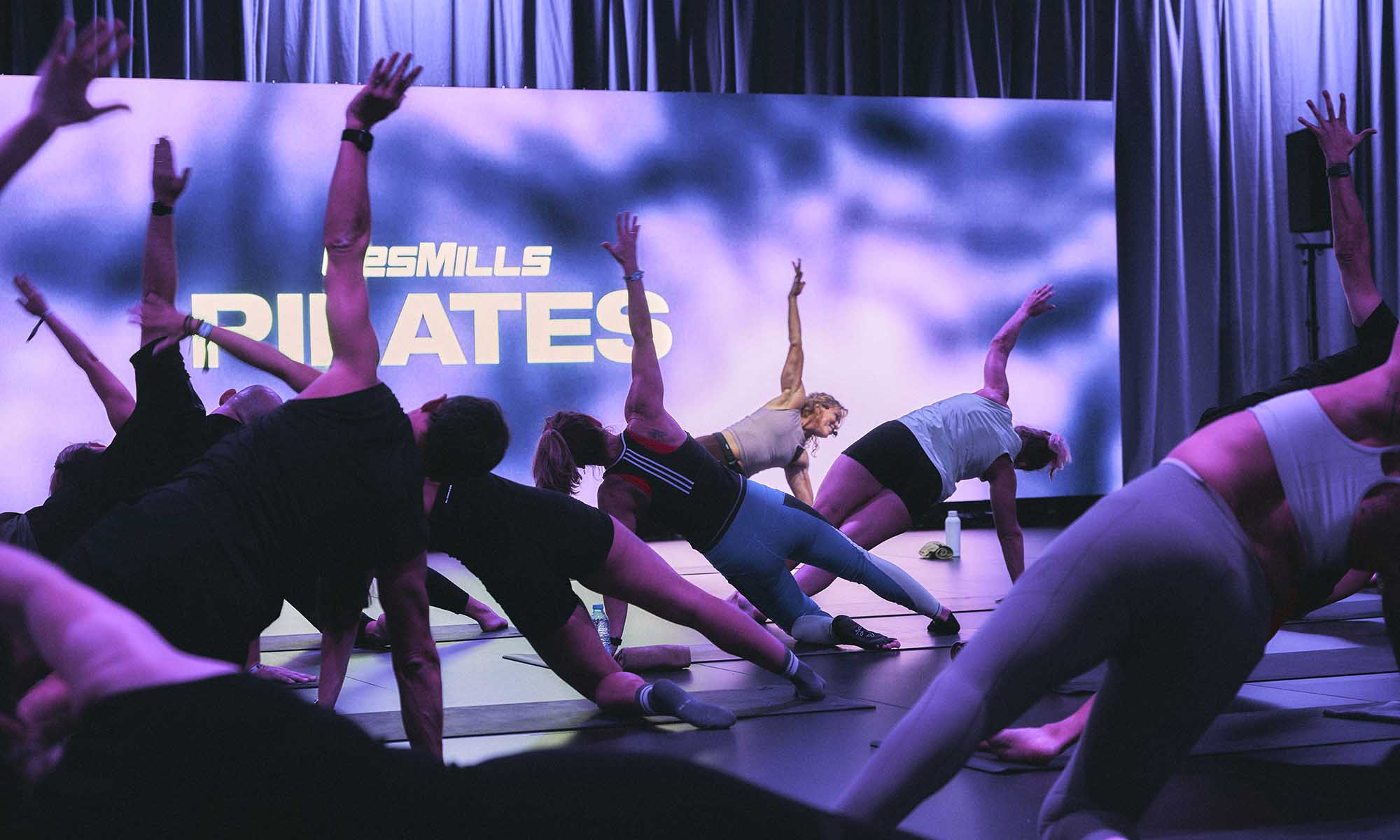
Once confined to chic boutiques and premium facilities, Pilates is being democratized as facilities of all price points add studios to capture growing member demand – HFA reports US member participation grew 28% between 2021 and 2025. Operationally, this is creating the need for expanded timetables, more varied programming, and faster routes to recruiting and training new Instructors.
As well as attracting new cohorts such as sports teams and growing numbers of men towards Pilates, the halo effect is stimulating interest in other categories like Mind Body – particularly Yoga and Breath Work – as a broader mindset shift towards longevity begins to take hold. According to the McKinsey Future of Wellness 2027 Report, 40% of US consumers say they’re willing to “do whatever it takes to live as long as possible”, with the Pilates boom potentially serving as a gateway to greater focus on longevity.
In response, gyms are expanding their offering beyond fitness, supporting mental health, social connection, recovery and medical alignment at the premium end of the market.
The potential of clubs to unlock new categories was a hot topic at the recent HCM Summit, where brain health was a central theme. Physiologist Oliver Patrick, called on operators to recognize the brain benefits of their existing services and consider dedicated spaces for cognitive training.
Meanwhile, Anna Milani, founder and CEO of Brain & Fitness, outlined how baseline assessments and workouts combining physical and cognitive challenges could support new longevity and healthy ageing services.
In action: ACSM's 2027 trends survey cites balance, flow and core strength, which includes Pilates, yoga and mobility-focused training, rising from fifth to third in its rankings. HFA says Pilates participation grew 28% between 2021 and 2025, while ClassPass reports male attendance at Pilates has tripled since 2023.
Product investment is broadening the category, ushering in new partnerships between equipment suppliers and program providers to make it easier for clubs to scale up their Pilates solutions and add digital components to optimize studio utility.
What it means for operators: Growing demand means clubs are faced with a mixture of Pilates newbies and more sophisticated participants who have higher expectations, requiring deeper and more flexible timetables that can meet a wide range of needs.
The role of Pilates as a compelling gateway into wider longevity creates opportunities to funnel these members towards complementary modalities and generate ancillary revenue through wellness packages and products.
Conclusion
Whatever 2027 brings, there’s a clear thread running through all six trends: members want fitness that changes them, connects them and rewards them in the moment. Operators who pair that ambition with great people, compelling programming and memorable events – rather than simply adding more equipment or technology – will create the foundations for substantial growth.
Want to see how our previous predictions have fared?
• 7 Key Trends Shaping Fitness in 2026
READY TO UNLEASH YOUR NEXT GENERATION OF MEMBERS?
Les Mills has crafted a new series of programs to meet the specific demands of Gen Z and put your club in the fast lane for growth.
READY TO UNLEASH YOUR NEXT GENERATION OF MEMBERS?
More about the author
Jak Phillips
Jak Phillips is a content expert who specialises in the global fitness market and has produced countless industry-leading reports during his 13 years working in the global fitness industry. Based in London, Jak’s role as Global Director of Content, PR & Growth Marketing for Les Mills sees him work with leading brands from around the world, offering rare insight into what it takes to win in the modern fitness industry.
As a journalist, Jak has worked for a slew of national and international titles, with his work appearing in TIME Magazine, VICE, The Huffington Post, The i Newspaper, and various fitness industry publications. A speaker at numerous fitness industry conferences, Jak is also a qualified personal trainer, BODYPUMP and CEREMONY HYROX Instructor.

Clubs and Facilities
6 fitness trends set to drive club growth in 2027
Clubs and Facilities
Video: Martin Seibold on the opportunities shaping fitness industry growth
Clubs and Facilities
LifeFit Group’s CEO shares strategy for driving retention, referrals and revenue
Clubs and Facilities
5 club learnings that powered fitness growth in 2026
Clubs and Facilities
LES MILLS REFORMER and CEREMONY HYROX drive fresh member experiences and long-term growth
Clubs and Facilities
Four key fitness findings operators need to know in 2026
Clubs and Facilities
How do you know your timetable is working?
Clubs and Facilities
Five things we learned at FIT BUSINESS LIVE BARCELONA
Clubs and Facilities
CEREMONY HYROX MAX - Where performance meets community
Clubs and Facilities
The simple gym design principle that powers profitability
Clubs and Facilities