How group fitness and people drive growth
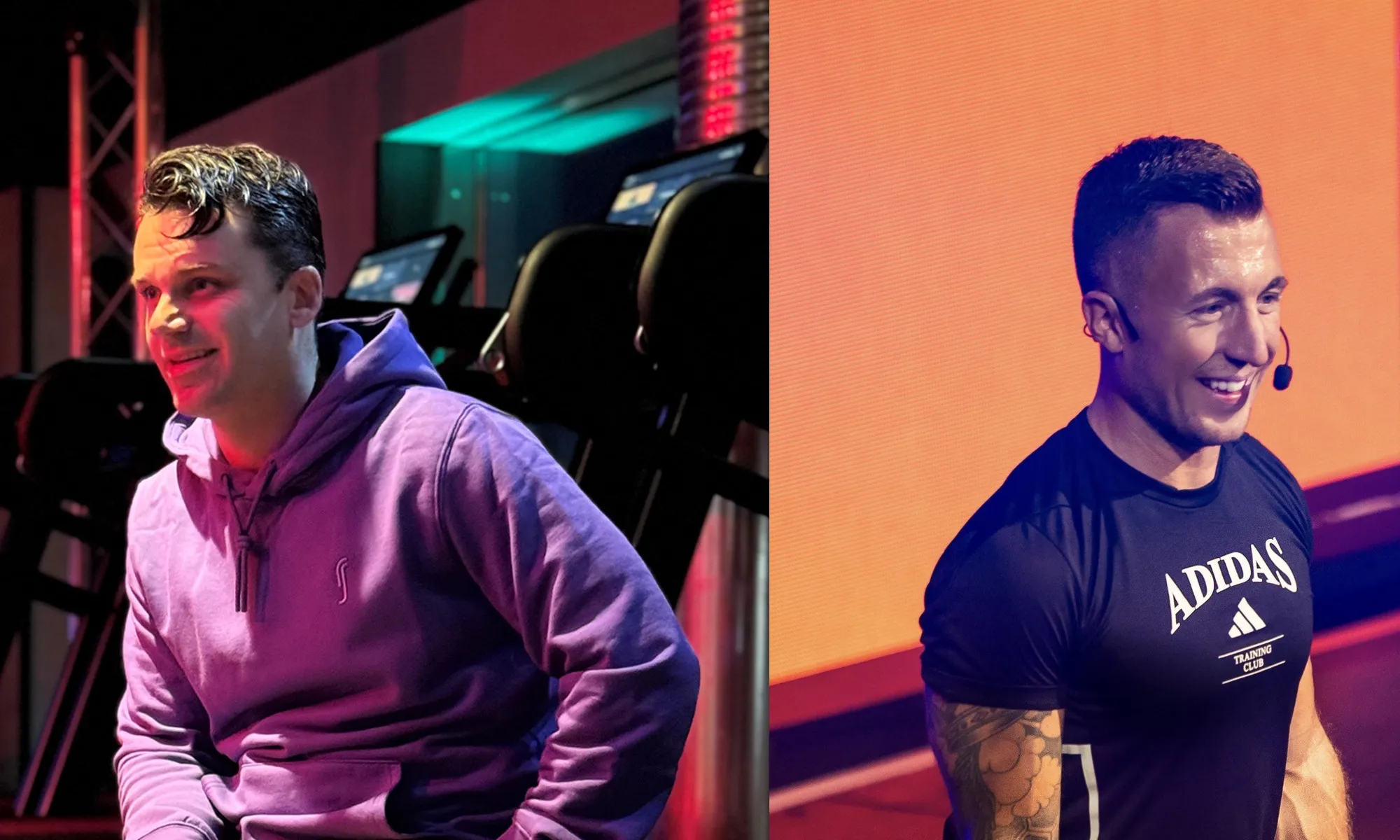
In today’s fast-moving fitness landscape, clubs are competing on more than square meters and equipment. Experience, people, and purpose have become the true differentiators. Few understand this shift better than Michael Steenhouwer and Simon Nilsson, two industry professionals with deep roots in group fitness, coaching, and club development.
Creating spaces where people feel good
Michael Steenhouwer has spent 23 years in the fitness industry, starting as a group fitness instructor at just 15. Alongside teaching, he has built a career as a gym owner, personal trainer and Les Mills Trainer, travelling internationally for more than 12 years while running a gym outside Stockholm.
In 2020, Michael and his team opened a full‑service, high‑end club, where his role is Product creator and Team development.
- I have a huge passion for gym design and I’m constantly thinking forward, not just about workouts but about how the club can be a true feel‑good space for our members.
Despite his leadership role, Michael remains hands‑on, still teaching classes and working as a personal trainer. With more clubs, concepts and boutiques than ever before, he believes standards must rise.
- Competition today pushes us to be better in every aspect of what we do and how we do it.
For Michael, growth comes from being proud of the product and valuing it properly, both in pricing and marketing.
- We want to be our members’ go‑to place, whether they want to train hard, relax, meet people, feel inspired or just have a coffee.
Why group fitness matters
Group fitness is central to Michael’s strategy, not just for energy, but for connection.
- It’s the easiest way to build real relationships with members, and that shows clearly in retention and referrals.
From his own data, the difference is clear. Members who participate in group fitness stay significantly longer.
- The retention numbers of a member involved in group fitness of any kind are three times higher than those of a member who workout without a trainer.
Michael also acknowledges the challenges many club owners face around instructors, scheduling and efficiency. That’s where Group Fitness Management (GFM) becomes a valuable tool, offering new perspectives and ways to think differently and work smarter.
Structure that supports growth
Simon Nilsson, 34, is a fitness professional from Alingsås with over 18 years of experience across Group Fitness Management, Personal Training, Head Coaching and extensive work with Les Mills Nordic as a Trainer, Presenter, Assessor and Program Coach. He has coached participants of all ages and backgrounds and delivers education and workshops to support trainer and leader development.
Priorities for gym owners today
According to Simon, growth is no longer just about acquisition.
- It’s about retention, community and people development. Creating real member value through strong experiences and great coaching is essential.
Investing in teams and leadership is critical, as people drive both member experience and long‑term business success.
How GFM makes a difference
Simon sees GFM as a powerful framework for turning group fitness into a strategic business driver.
- GFM helps clubs create structure and clarity, turning group fitness into a true contributor to member experience and retention.
Beyond scheduling and concepts, people development is an important key benefit, supporting instructors and managers with education, feedback and direction to raise overall quality in the club.
Being fit for the future
Looking ahead, Simon believes the industry must continue shifting focus from access to experience.
- People expect results, connection and consistency. The future is about creating real member value through meaningful experiences, strong coaching and community.
A key priority is also retention, by improving member journeys and offering more personalized support to build long-term habits. At the same time, the industry must stay relevant by evolving its offerings, embracing innovation, and adapting to changing needs and demographics.
One clear message
From Michael’s product-driven club philosophy to Simon’s structured, people-first approach, the message is consistent: Group fitness, people development and community are no longer optional, they are essential. Clubs that succeed will be those that value their product, invest in their people, and create environments where members don’t just workout, they feel that they belong there.
Want to learn more about Group Fitness Management (GFM) and view upcoming dates?
Find out more>>

Clubs and Facilities
Video: How Nuffield Health increased group fitness attendance by 20% with LES MILLS REFORMER

Clubs and Facilities
Why group fitness is a retention driver for gyms and health clubs
Clubs and Facilities
Fitness24Seven relaunches LES MILLS GRIT to meet demand for time-efficient workouts

Clubs and Facilities
The music-led Reformer experience turning boutique fans into big box converts
Clubs and Facilities
Community holds the key to continued club growth
Clubs and Facilities
What is LES MILLS REFORMER™? All you need to know about the workout redefining Pilates
Clubs and Facilities
LES MILLS REFORMER™: A powerful new way for clubs to capture the growing Pilates market

Clubs and Facilities
Video: Will technology reshape the in-club experience?

Clubs and Facilities
BODYPUMP HEAVY driving strong results for clubs and instructors

Clubs and Facilities