


A new report, capturing five years of consumer mindset shifts, delivers a benchmark to guide fitness operators into the future. The 2026 Global Fitness Report, based on insights from over 10,000 global fitness consumers, reveals a sector that’s thriving – and evolving fast. Member engagement is stronger than ever, and so are expectations. The report finds that today’s fitness consumers are informed, empowered, and looking for more than just physical transformation. They want holistic health, mental wellbeing, and experiences that feel personal and connected.
The report dives into critical areas shaping the future of fitness, including motivations and barriers to exercise, the rise of strength training, and the evolution of wellness. For operators and decision-makers, these findings present actionable insights to future-proof your offering and drive retention in a competitive landscape.

Motivations
The reasons people work out have shifted dramatically. While traditional goals like weight loss and aesthetics remain, they’re no longer the primary motivators. Instead, mental health, holistic wellbeing and workout variety are leading the charge.
Motivation to exercise for mental wellbeing has surged by 29% since 2021, while reducing stress is up 17%. Members increasingly view fitness as a tool for emotional resilience, not just physical change. With fitness increasingly relied upon for mental health, the focus on enjoyment and overall experience has risen sharply, as consumers seek variety and intensity from their workouts. 54% want new ways to get fit, and younger generations are particularly driven by challenge, with demand for workouts that push them to their limits up 47%.
Despite this, 41% of fitness consumers see exercise as a chore, presenting clubs with a clear opportunity to boost retention by engaging members who have yet to discover workouts that truly resonate with them. And that’s underpinned by the desire for inspirational surroundings: 64% of people say they’re more likely to work out if the environment has a good vibe.
Group training is a major draw for Gen Z and Millennials, with 45% seeking out group workouts. Gen Z now make up the lion’s share of new gym joins – but they’re also a fickle cohort when it comes to long-term loyalty – so offering experiences that easily service their need for community and sociability is more crucial than ever.

Barriers
Scheduling exercise remains a key hurdle for many. Time is cited as the top barrier to working out more: 25% of current members say they’re too busy. For those in the consideration phase, a lack of confidence, limited time, and uncertainty about where to start are preventing them from taking action. Promoting your onboarding programs and highlighting Instructor support are proven tactics for attracting members who need a confidence boost.
Strength Training: The unstoppable force
Once a niche pursuit, strength training has exploded into the mainstream, becoming a cornerstone of modern fitness. For many members, strength training is now the default workout.
Over half of regular exercisers include some form of strength training in their routines, and group strength participation has grown from 30% in 2018 to 36%, reflecting in part the cultural shift toward functional health and longevity. Winning with strength fans is a retention goldmine if you can keep their interest. Much like the overarching preference for variety and challenge, offering new ways to service their passion for strength is key.
And just because appetite is high, it doesn’t mean everyone is clear on what they’re doing. The report reveals that even advanced lifters struggle, with 58% of lifters saying conflicting advice makes it hard to know how best to train, and over a third (37%) are unsure how to progress.
Uptake is strong, yet hard to believe as it may be, even more strength fans are waiting in the wings. Barriers for those interested in starting strength training include lack of equipment (33%), fear of injury (23%), and feeling out of place in the weights area (50%), offering clubs ample opportunity to transform these prospects into loyal members.
Wellness: From trend to table stakes
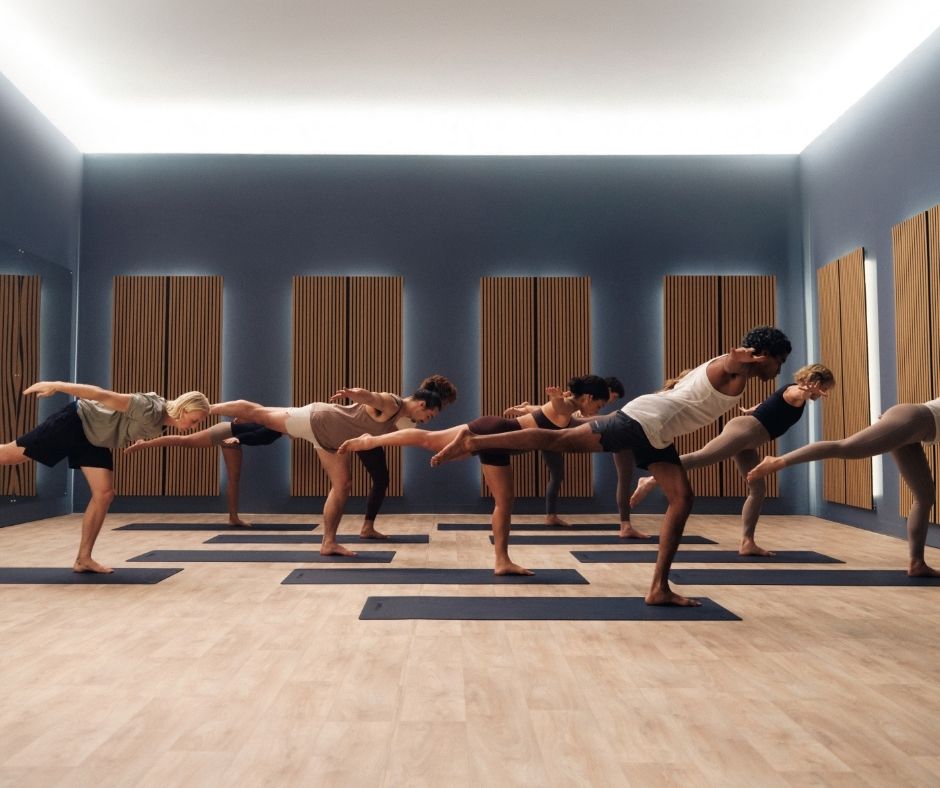
Wellness has moved beyond buzzword status – in 2026, it’s the key to deeper member connection. Members expect their clubs to support mental, physical, and emotional health in equal measure, so clubs have the perfect opportunity to become trusted, modern wellness hubs that play a deeper role in their lives. 94% of people say the gym is among their most important wellness tools.
The Global Fitness Report spells out the motivational shift from aesthetics to longevity and stress management, and appetite for more holistic offerings is insatiable: 88% of members want yoga, breathwork, or meditation on timetables. 74% of people say prioritizing mental health is very or extremely important, and 77% say the same for overall wellness. And the gym is helping provide clarity for fitness consumers: 74% of gym members say they have a clear understanding of what is meant by "wellness", but this drops to 60% among non-members, highlighting the role of gyms in empowering users to understand and define their needs. For those with a clear sight of what wellness means to them, it’s producing tangible outcomes: gym members are 46% more likely to feel very happy with their personal wellness than non-members.
Ready to map out how these findings can drive success for your club? Download the 2026 Global Fitness Report for comprehensive insights into the modern member mindset.
READY TO UNLEASH YOUR NEXT GENERATION OF MEMBERS?
Les Mills has crafted a new series of programs to meet the specific demands of Gen Z and put your club in the fast-lane for growth.
DISCOVER MORE