Become Your Best Self – Part 1: What Really Drives You?

Every Instructor knows how it feels to light up a room. But sustaining that energy week after week requires more than fitness alone. Based on Kylie Gates’ wellness video series, we explore how your internal compass can guide you toward happiness, purpose, and connection.
Wellness starts beneath the surface. Before the lights go on, before you start the music, and before you cue the first move, there is something far more important shaping how you show up – your beliefs, values, energy, and internal dialogue.
For Instructors, this isn’t abstract. It shows up in real life: when teaching multiple classes in a week, when bringing energy when you’re tired, when connecting with members who rely on your presence, whilst still trying to take care of yourself outside the studio.
Wellness is not a destination
Wellness is a dynamic balance across the mental, emotional, physical, and spiritual systems that shape how we think, feel, move, and connect.
For Instructors, this balance is constantly being tested – early mornings, back-to-back classes, bringing energy into your coaching, and managing life outside the studio. That’s why understanding these systems matters so much. It’s not just about personal wellbeing – it’s about sustainable performance and authentic leadership.
At the center of it all is a simple truth:
Your outer results are a reflection of your inner world.
How you show up in class, how you recover, how you connect – it all starts internally.
The four body systems: A holistic view of wellness
The four body systems offer a practical way to understand what is really going on beneath the surface.
The mental system includes thoughts, beliefs, and self-talk. It shapes how you interpret your performance – that voice after class saying “that was amazing” or “I wasn’t good enough today”. When balanced, it brings clarity and confidence. When overloaded, it can lead to overthinking, self-doubt, or mental fatigue – especially after high-output teaching blocks.
The emotional system reflects how you process feelings and connect with others. As an Instructor, you don’t just manage your own emotions – you hold space for a room full of people. When balanced, there is connection and flow. When strained, it can feel like emotional overload, withdrawal, or burnout after giving a lot of energy to others.
The physical system includes your body, energy levels, environment, sleep, nutrition, and movement. This is the system most Instructors notice first – because it shows up in stamina, recovery, and consistency. It’s the difference between feeling sharp in your third class of the week versus running on empty.
The spiritual system relates to meaning, purpose, and alignment with your values. It’s the “why” behind showing up again and again – even when you’re tired. It’s what connects teaching a class to something bigger than just choreography.
When one system is out of balance, the others feel it. A tough week physically can affect your mindset. Emotional overload can drain energy. Mental stress can impact recovery. This is why wellness cannot be treated in isolation.
Roots and Fruits: What is really driving your life?
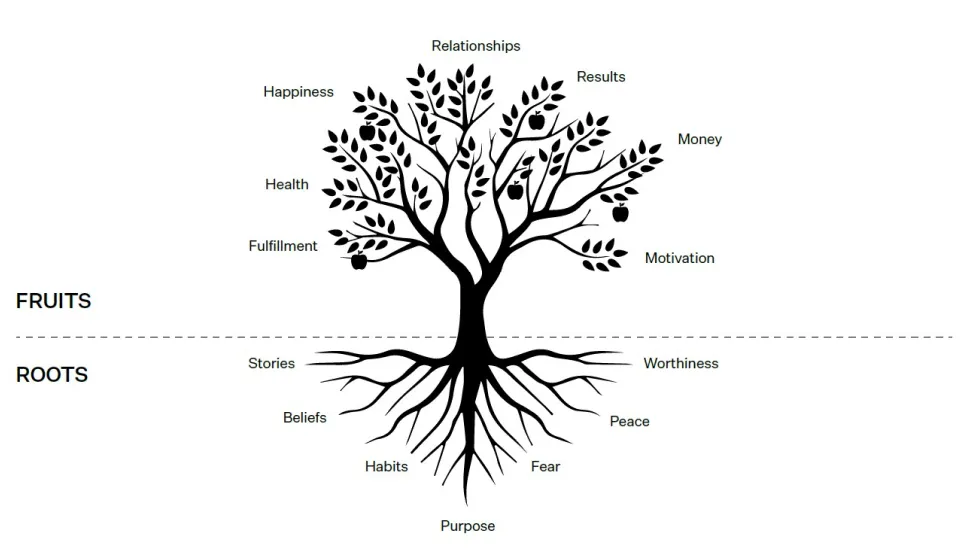
The “Roots and Fruits” model simplifies personal growth in a powerful way.
- Roots - your internal world: beliefs, habits, values, identity, self-talk
- Fruits - your external outcomes: energy, performance, relationships, success, fulfilment
As Instructors, we often focus on the fruits – the class energy, participant experience, choreo perfection, physical output. But the real driver is always underneath.
If the roots are strong and intentional, everything feels more aligned. If they are neglected, you might still perform well externally – but internally it starts to feel harder, heavier, or inconsistent.
A simple but powerful reflection is:
What am I currently reinforcing through my thoughts, habits, and beliefs – especially on the days when I’m tired, stressed, or stretched?
Because those are the real root-building moments.
Intentional living: Choosing what you grow
Intentional living is about moving from reaction to direction.
For Instructors, this can feel very real:
- Teaching out of habit vs teaching with presence
- Running on autopilot vs being fully in the room
- Surviving a busy week vs shaping it with intention
Instead of only asking “What do I want to achieve?” the deeper question becomes:
What do I want to grow into?
Because growth doesn’t happen by accident. It’s built through repeated choices – especially the small ones no one sees.
Your values act as your internal compass. They guide how you show up when energy is low, when plans change, or when pressure builds before stepping on stage.
When values are unclear, everything feels like effort. When they’re clear, decisions become simpler – even on the busiest days.
From awareness to alignment
The first step in wellness is awareness – noticing your patterns in real time.
For Instructors, this might sound familiar:
- The internal dialogue before class starts
- The energy you carry after a full teaching day
- The way you speak to yourself after a “not perfect” class
- The difference between showing up and really showing up
From awareness comes alignment.
Small reflections create meaningful shifts:
- What do I want more of in my life and teaching right now?
- Where am I feeling out of alignment or drained?
- What am I currently growing without realizing it?
These questions are not about fixing everything – they’re about noticing what’s already happening beneath the surface.
The #1 wellness takeaway for Instructors
Before habits can change and outcomes can improve, the internal system has to be understood. Wellness begins with roots – not effort, not perfection, and not performance.
For Instructors, this foundation is what allows you to lead with presence, consistency, and authenticity – even on the days when energy is low.
In Part Two, we move from awareness into action. We’ll explore how habits are formed and sustained, how beliefs can be reshaped through neuroplasticity, and how daily self-care practices – alongside the fundamentals of sleep, nutrition, and movement – translate insight into lasting behavioral change.
Ready to learn more?
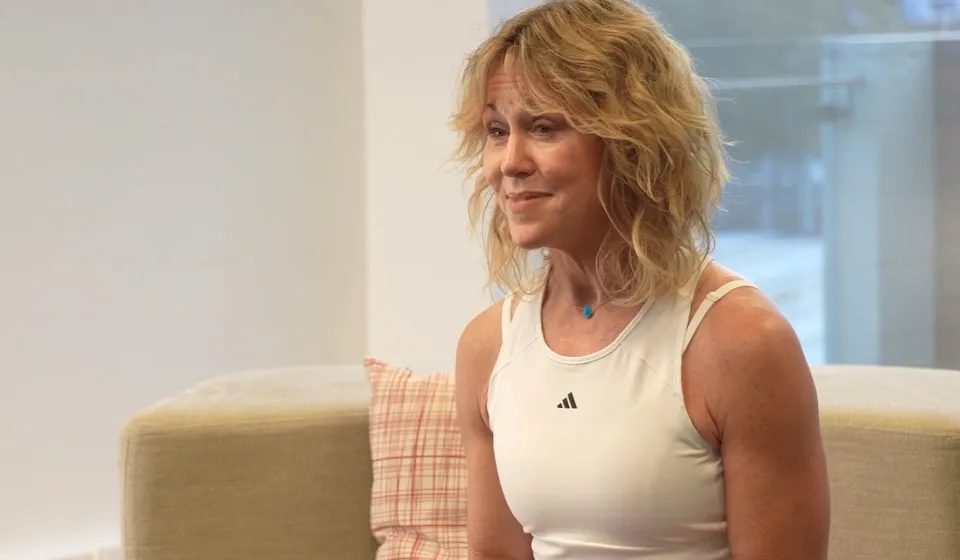
Explore nine bite-sized wellness coaching videos now available on your Releases App. In the Become Your Best Self course, Creative Director and Integrated Wellness Coach Kylie Gates guides you through life-changing topics including finding your "why", building strong foundations, and creating greater happiness and inner peace.
Head to Learn – Tips, then scroll down to the Wellness Library.
Special thanks to Justin Riley, LMI Education Content Specialist, for his support with this feature.
Exercise for anxiety and depression
Instructor News
The Real Lives of Les Mills Instructors Part 3

Instructor News
The Real Lives of Les Mills Instructors Part 2
Instructor News
Teaching LES MILLS REFORMER™: Instructor Insights
Instructor News
Les Mills Q3 ’26 Release Highlights: What’s New

Instructor News
Become Your Best Self Part 2: Awareness Into Action


Instructor News
Become Your Best Self – Part 1: What Really Drives You?

Instructor News