Fitness forecast: What’s about to take off?
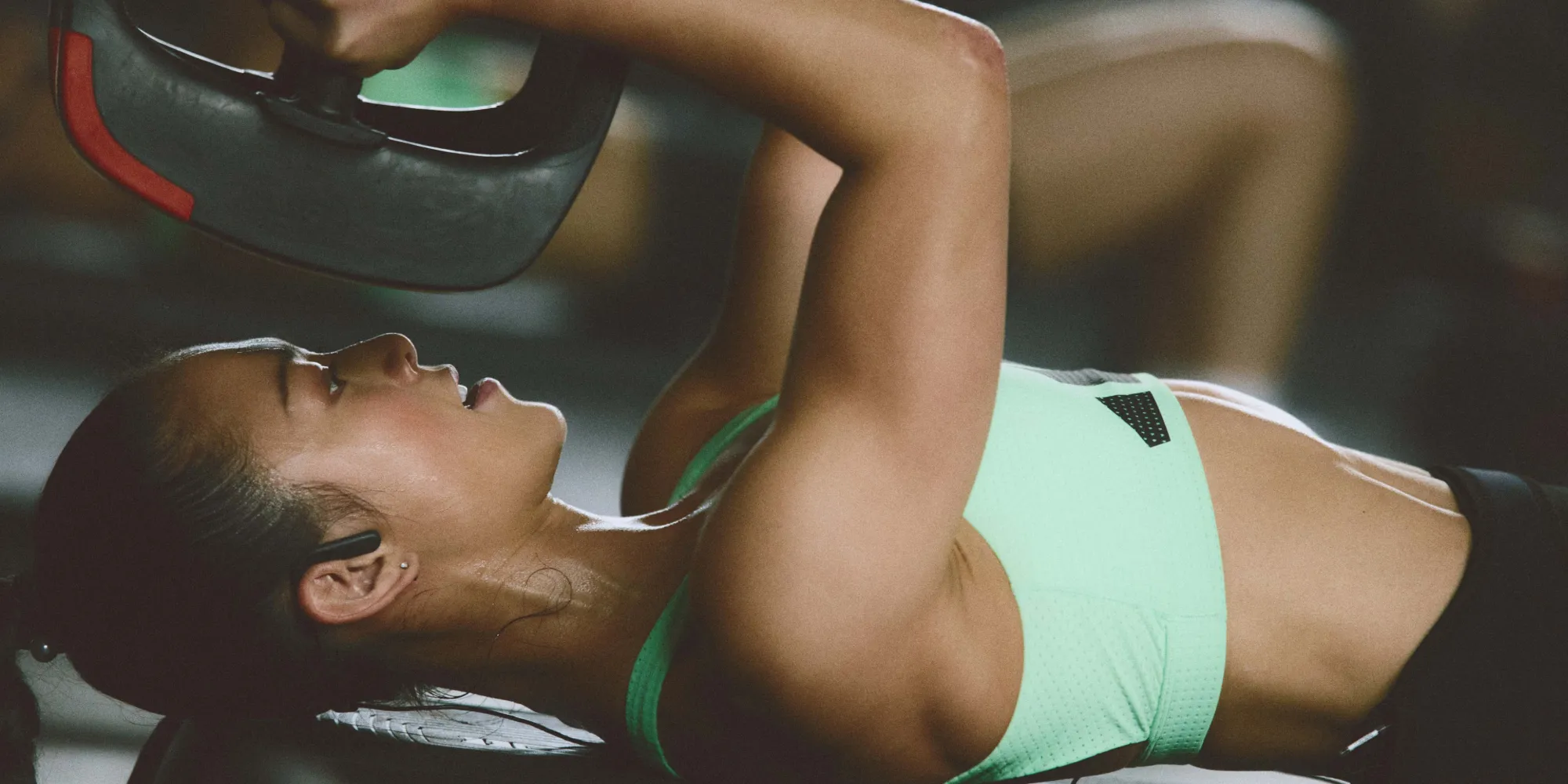
Digital twinning, spicing up strength training, crossing the wellness chasm and experiencing JOMO… these are just some of the trends set to shape how we move in the year ahead.
1. JOMO – The Joy of Missing Out
Forget FOMO (fear of missing out), the year ahead is going to be all about JOMO – the joy of missing out. A welcome antidote to FOMO, JOMO involves being present and finding joy in one's current activities, prioritizing self-care, and being intentional with one's time, rather than feeling anxiety about what others are doing.
No longer do we feel the need to force ourselves through unpleasant workouts. Multiple studies have shown the ‘no pain, no gain’ ethos of commonly associated with gyms is becoming a turn-off, and can even fuel feelings of ‘gymtimidation’. The mental health movement taught us that it’s ok not to be ok, while the rise of JOMO suggests it’s also ok to skip leg day every once in a while. And there’s a growing emphasis on rest and recovery being equally important for sustainable progress.
Enter Zone Zero training.With its emphasis on ultra-low-intensity movement, physical activity that keeps your heart rate low is gaining traction both with newbie exercisers and anyone looking to offset their more strenuous workouts.
GET YOUR FIX:
LES MILLS YOGA™ is a four-part series featuring different styles of yoga. LES MILLS YOGA Yin is a particularly good example of Zone Zero training –you settle into long-held poses that release tension, calm the nervous system, and gently reset the body and mind. LES MILLS BREATH is also low-intensity movement and breathwork designed to clear your head, ground your body, and help you tune inward.
BODYBALANCE™ and LES MILLS PILATES™ can also be great ways to keep your heart rate low while you focus on building strength and flexibility.
2. Meeting your digital twin
Good news for anyone interested in amore personalized and tech-driven approach to health and wellness – your digital twin could be here to help.
The concept of digital twinning isn’t entirely new: it was first deployed by NASA in the 1960s, using simulators to model the impact modifications would have on the performance of Apollo spacecraft. More recently, it’s become prominent in manufacturing, but now, advances in body tracking and AI mean digital twinning is gaining traction as a way of improving our health. These digital twins are virtual replicas of an individual, created using body metrics from wearables, lab results and meal logs. They work by continuously monitoring physiological data like heart rate and glucose, analyzing it to simulate performance, and then providing real-time, data-driven recommendations for training, nutrition, and recovery.
GET YOUR FIX:
As the concept gathers steam, we can expect to see gyms and other fitness providers giving us the opportunity to create our own digital twins. Watch this space!
3. Crossing the wellness chasm
In a world where we’re drowning in data and feeling anxious from obsessively tracking health metrics, gym-goers are getting smarter and savvier when it comes to overall wellness.Soon-to-be-released research shows gym members are nearly twice as likely to have a strong understanding of how to improve their wellness, while the vast majority of members say the gym is one of, if not the most important, element of their wellness toolkit.
With this in mind, we can expect to seemore gyms expand their Mind-Body offerings (with enhanced yoga timetables,breathwork and meditation sessions). At the same time, the use of wellness-themed digital content is tipped to take off.
GET YOUR FIX:
Explore LES MILLS COLOURS™ guided mindfulness tools available on LES MILLS+. Or follow the Calming Calendar, a month of micro wellness sessions that you can enjoy anytime anywhere.
Make sessions like LES MILLS BREATH part of your routine – you can find a class near you or enjoy at home.
4. Making ‘fitness friends’
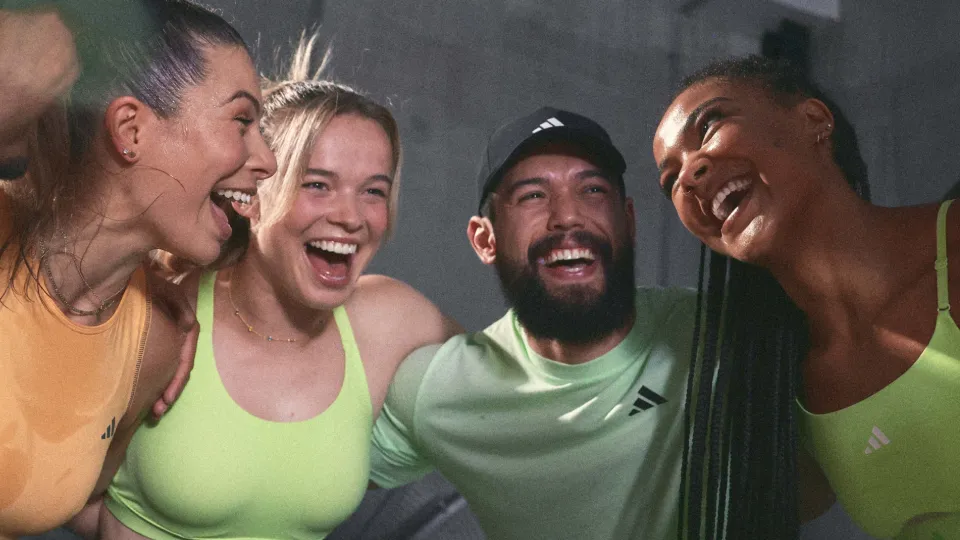
As a society, we are experiencing unprecedented levels of isolation and loneliness. We spend 70% less time with our friends than we did a decade ago, driving a desperate need for in-person connection and community. According to the latest Strava Trend Report, increasing numbers of young people are using fitness as an emotional outlet and a cultural touchpoint – so it’s not surprising that working out with others is becoming more popular than ever. 39% of Gen Z now consider run clubs a great way to meet people and over 80% of Gen Z gym-goers are jumping into group training. We can expect the popularity of gym-based run clubs, social training groups – and events like HYROX – will continue to thrive.
The latest ABC Fitness report found 73% of club members say community plays a crucial role in fitness motivation and consistency, noting that “members join for health, but stay for connection.” Making friends at the gym can be the ultimate motivator. After all, “No one ever left a gym because they had too many friends there,” says Phillp Mills.
GET YOUR FIX:
Step inside the group training studio at your local gym and tune into details about fitness events in your region. (Heads up, in 2026 LES MILLS LIVE will be hitting major cities worldwide.)
Can’t make it into the gym? Tap into the fitness community vibe by joining the LES MILLS+ Facebook Squad.
5. More shades of strength
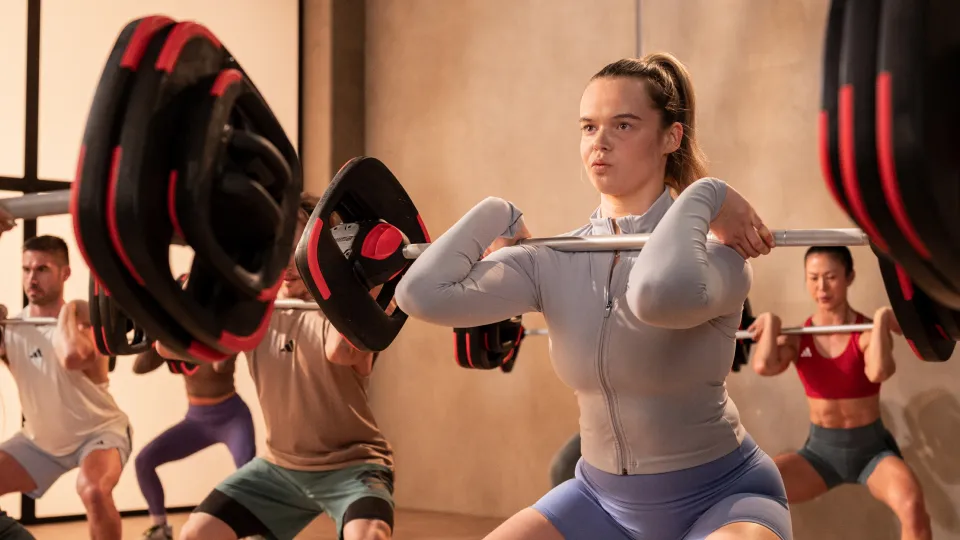
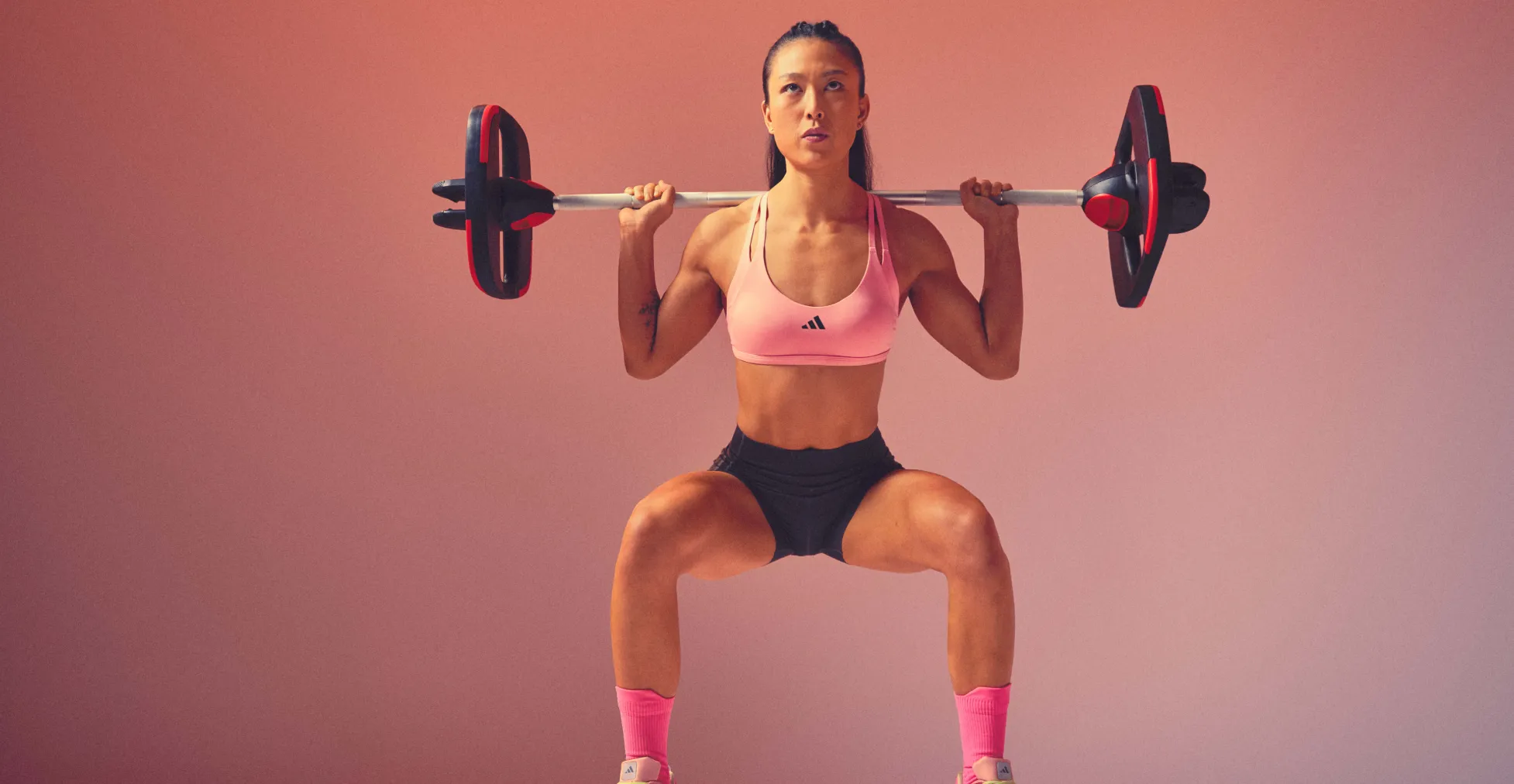
Getting strong continues to be a top trend in fitness… and it’s no surprise given the many reasons to love lifting and the life-lengthening benefits that come from building muscular fitness. With strength training a key modality for all ages – not just Gen Z, but those experiencing perimenopause/menopause, older adults and those taking weight-loss medication – we are seeing many more shades of strength workouts showing up.
Beyond pumping iron on the gym floor, options to boost overall strength, such as yoga, Pilates and circuits, are all gaining in popularity. Gyms across the world have been swapping out cardio equipment for extra weight stations on the gym floor, while a raft of new strength-based classes have quickly come to prominence – particularly as a means of alleviating lengthy queues at the squat racks.
GET YOUR FIX:
Try BODYPUMP HEAVY™, a workout that makes safe and effective weightlifting accessible for everyone. This workout removes common ‘gymtimidation’ barriers and dials up the workout experience with iconic music, group energy and an expert Les Mills-certified Instructor. Find a class near you or get a taste of it at home using LES MILLS+.
Explore different ways to get strong with workouts like LES MILLS SHAPES™, LES MILLS PILATES™, LES MILLS TONE™ and LES MILLS CEREMONY™.
6. Investing in fitness is on the rise
Gen Z is putting health at the top of their spending priorities. According to the Strava Trend Report, 64%would rather buy fitness gear than go on a date, and nearly a third plan to increase their fitness investment in 2026. Wearables lead the charge, with 63%naming them their most important purchase, but boutique memberships, fitness subscriptions, home workout equipment and performance apparel are also popular investments. The trend is clear, fitness isn’t just a habit, it’s becoming a lifestyle worth investing in.
GET YOUR FIX:
Check out LES MILLS Equipment and the latest from performance apparel from adidas.
Policymakers taking action – fitness for all
Whisper it quietly, but 2026 could be the year fitness finally starts to receive the recognition it deserves from policymakers– and the chance to change the lives of those who need it most.
Having spent decades being largely overlooked by governments and healthcare providers, fitness is starting to see recognition for its vital role in creating healthy societies. With health services creaking under the strain of unprecedented demand, governments around the world are announcing pro-fitness policies to shift emphasis to prevention over cure.
In the US, recent changes to the rules aroundHealth Savings Accounts (HSA) and Flexible Spending Accounts (FSA) mean that the estimated US$150bn sitting in Americans’ pre-tax spending accounts can now be spent on fitness services like workout app subscriptions, home gym equipment and recovery products.
Meanwhile, 2026 will see Medicare reimburse physicians for assessing patients’ physical-activity levels and nutrition habits during clinical visits. The policy, driven by advocacy from the HFA and the Physical Activity Alliance, formally recognizes physical activity as a measurable clinical factor and positions exercise as a medical intervention, not just lifestyle advice. The HFA is now calling for Congress togo further and expand access to exercise-based prevention programs, particularly for older adults.
As well as supporting healthcare, fitness is starting to gain recognition for its role in driving economic growth. The UK government’s new ‘Keep Britain Working Review’ aims to tackle ill-health in the workplace and boost economic productivity through a fundamental shift from a model where health at work is largely left to the individual and the NHS, to one where it becomes a shared responsibility between employers, employees and health services. Seven fitness companies have been hand-picked to help advance the proposals and define how they would work in practice from 2029 to create a fitter workforce.
Get more Fit Planet insights
Sign up now and get fresh health and fitness news and advice straight to your inbox.
Get more Fit Planet insights
More about the author
Emma Hogan
Emma is a health and fitness writer with 20 years of experience creating evidence-based features that bridge the gap between scientific research and real-world application. Based in New Zealand, she works with global exercise scientists, physiotherapists, and internationally recognized fitness experts to uncover the latest insights in health, fitness, and human performance.
Known for making complex topics accessible and engaging, Emma writes on everything from strength training and recovery to motivation, behavior change, and lifelong wellbeing. Her work helps readers navigate an increasingly crowded health landscape and make informed choices grounded in credible research rather than trends or misinformation.

Fit Planet
High performance mindset: what we can learn from elite athletes
Fit Planet
Home exercise hacks: The tips home exercisers swear by
Fit Planet
Why exercise fights depression: scientists uncover how muscles talk to the brain

Fit Planet
Exercise for mental health: What the research says about feeling happier, healthier, and more resilient
Fit Planet
How to become a group fitness Instructor: A step-by-step guide
Fit Planet
Why music makes exercise feel easier, more enjoyable, and more effective

Fit Planet
Are you eating enough to support your workouts? 7 signs you're under-fueling your training
Fit Planet
10 signs you'd make a great group fitness Instructor
Fit Planet
Does exercise help you lose weight? What the science really says
Fit Planet
How much strength training do you need to live longer? Scientists say 90-120 minutes per week
Fit Planet
Should you change your workouts based on your menstrual cycle?
Fit Planet