Why is Pilates so popular? Benefits, types, and how to get started
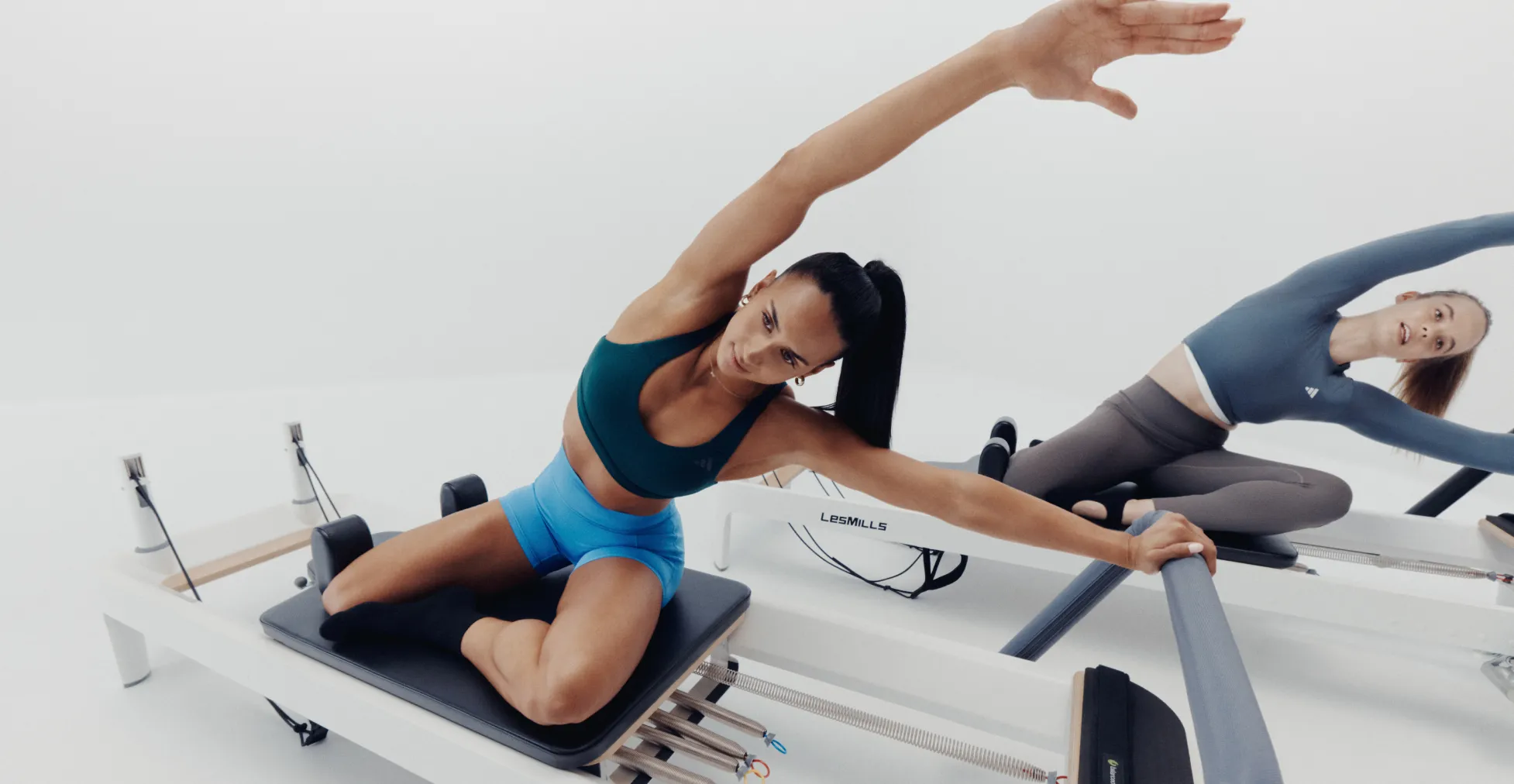
It’s been over 100 years since Joseph Pilates debuted his unique approach to building strength and stamina. Now it's become one of the most sought-after ways to train. Find out why Pilates is so popular – and how to enjoy the benefits without paying a pricy Pilates studio membership.
Read on and you’ll discover:
- The health benefits of Pilates
- The different types of Pilates
- Who Pilates is best suited for
- Simple ways to introduce Pilates into your exercise routine
- Expert advice for getting started with Pilates.
What is traditional Pilates?
Traditional Pilates is a low-impact exercise method built around controlled movement, breath, alignment, and core strength. It helps train the deep stabilizing muscles that support posture, balance, mobility, and efficient movement.
How did Pilates get so popular?
Pilates became popular because it delivers strength, mobility, posture, and body awareness in a low-impact format that suits many fitness levels. Its appeal has grown through studio culture, celebrity interest, reformer training, and newer hybrid formats such as mat, hot, HIIT, and Pilates-inspired classes.
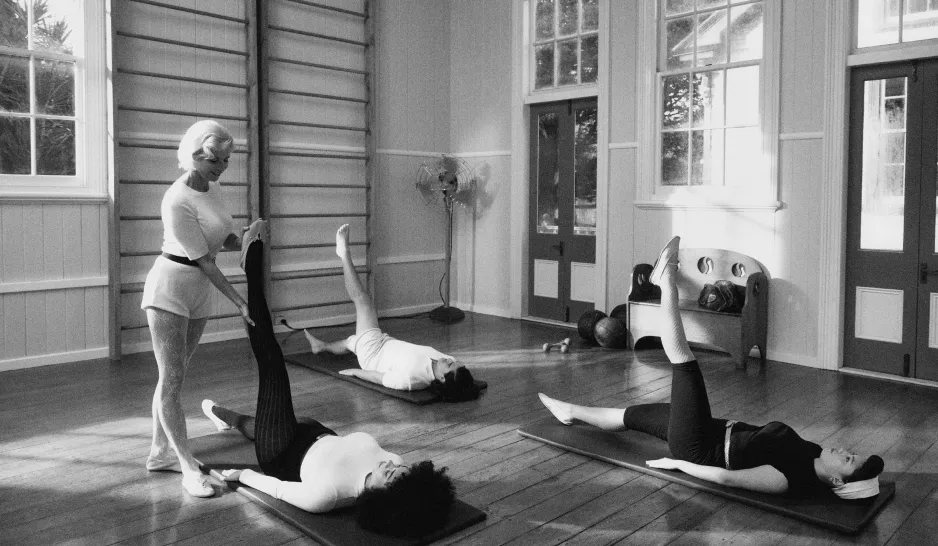
The concept was first born in the early 1920s when Joseph Pilates, a German physical trainer, started using low-impact exercises to finely tune muscle balance and neuromuscular patterns and create optimal strength. He dubbed early iterations of his training ‘Contrology’ as the focus was on using the mind to control muscles, in particular the core postural muscles that keep the body balanced, providing support and control for the spine. While at first his exercise regimen was used for rehabilitation purposes, when Joseph Pilates moved to New York his novel approach to training became popular with ballerinas and gymnasts. He opened a Pilates gym on 8th Avenue, which was soon packed with society women looking to enhance flexibility, strength and stamina.
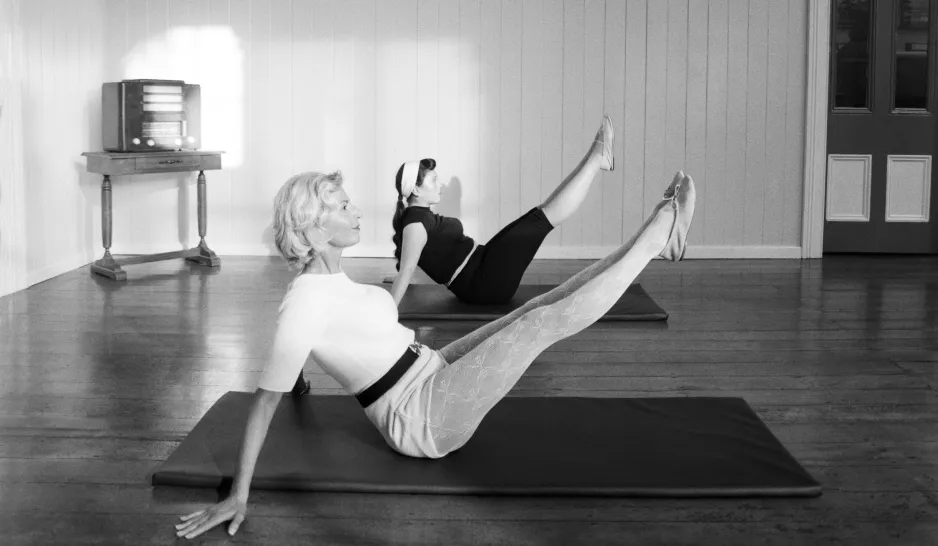
In the late 1990s, interest in Pilates again surged when celebs like Madonna, Gwyneth Paltrow and Jennifer Aniston were spotted heading to Pilates studios daily. Since then, it’s trendiness has continued to flourish. In 2023, Mindbody reported Pilates as the most popular workout of the year, with Pilates class bookings up 92%, while Google searches for Pilates have soared by 71%. Mat Pilates, hot Pilates, HIIT Pilates, reformer Pilates, Stott Pilates, Winsor Pilates, Clinical Pilates, Classical Pilates … there are now a wealth of options to choose from. Whatever your exercise personality, there’s a Pilates workout to suit.
Why is Pilates so beneficial?
Pilates can help improve core strength, mobility, posture, balance and coordination, while also supporting general wellbeing. Research links Pilates with promising benefits for sleep quality, cognitive function, immunity levels and even your sex life, although evidence varies by outcome and more high-quality studies are needed in some areas.
Pilates is also good for helping improve body awareness. Dancer and trainer Summer Bradley says this is such a powerful benefit: “Not only does it help me feel more in control, it helps me avoid injury and train more effectively in other workouts. Moving with control gives me the time to correct my alignment and has strengthened my core and glutes.”
"Pilates improves function, alignment, core strength, posture, control, concentration, breath … there are so many benefits." Glen Ostergaard
What are the top science-backed benefits of Pilates?
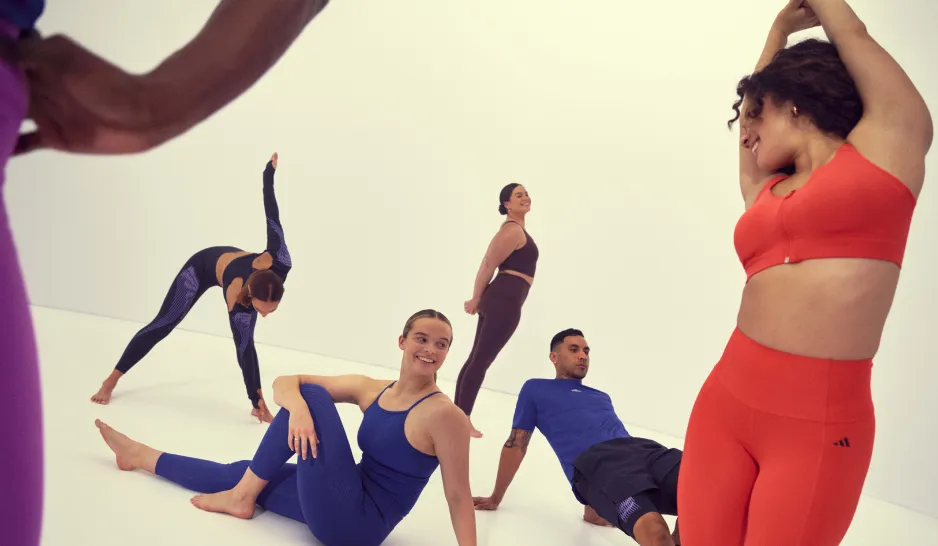
Research suggests Pilates may support balance, mobility, posture, mood, motivation, injury prevention, and lower-back function. Evidence is strongest when Pilates is practiced consistently, taught with good technique, and matched to your current strength, flexibility, and training goals.
- Pilates can improve balance and body awareness. The focus on mindful movement and breath enhances proprioception and heightens awareness of how your body moves. This can prevent injuries and falls, which is particularly important as we age.
- Pilates can increase mobility as you use slow and controlled stretching movements to improve flexibility and strengthen muscles at the same time. While improved flexibility doesn't necessarily provide any functional benefit, increased mobility is valuable as it improves the movement of your joints.
- Pilates may help reduce stress and support mood, energy and motivation. The focus on controlled movement and breath can support relaxation and body awareness. Like many forms of exercise, Pilates may also help improve circulation, energy and mood. Some studies suggest Pilates can support motivation, achievement and cognitive function, although results can vary by population and program design.
- Pilates may help improve posture. By strengthening postural muscles and increasing awareness of alignment, Pilates can support more efficient movement and may help reduce strain linked with shoulder, neck and back discomfort.
- Pilates may help reduce injury risk. Pilates builds control, stability and strength through the trunk, hips and joints, which may support safer movement in sport and everyday activity. The benefit depends on appropriate progression, good coaching and consistent technique.
- Pilates may help ease lower-back pain. Physical activity is considered the magic lotion for back pain, and research suggests Pilates can help reduce pain and improve function for some people. Because Pilates trains deep core and pelvic stability, it can support the muscles that help stabilize the back.
4 popular types of Pilates
- Mat Pilates
Perfect for beginners, classic Mat Pilates provides a great introduction to popular Pilates movements. Using nothing but bodyweight, Mat Pilates exercises help improve core control, strength and stamina. Popular exercises include: hundreds, a variation on the common crunch where you do 100 pulses; leg circles, which challenge core stability; planks and side planks; plus single and double leg stretches.
- Reformer Pilates
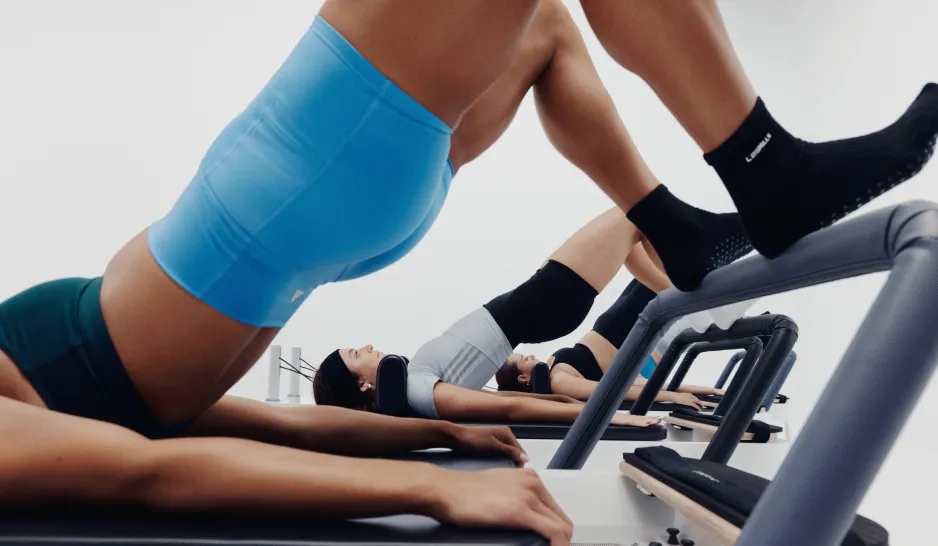
Reformer Pilates involves using a reformer machine, which is a bed-like sliding carriage with straps, springs and pulleys. Many of the exercises are similar to mat Pilates movements, but holding and pulling the machine’s straps adds controlled resistance and increases intensity. There is a sense of flow as you move gracefully, gliding on the machine. The low-impact, controlled, precise movements build strength, improve posture, and help develop muscle.
- Hybrid Pilates
Considered by some as contemporary Pilates, this approach breaks the traditionally ridged sequence of classic Pilates moves by blending in other types of movement. Dance and Pilates is a popular Pilates hybrid, as are yoga and Pilates. You can experience a fusion of power yoga, barre and Pilates when you try LES MILLS SHAPES™, and a mix of yoga and Pilates when you try BODYBALANCE™.
- HIIT Pilates
Tapping into the huge popularity of high-intensity interval training, HIIT Pilates mixes Pilates exercises like bridges, leg lifts and planks, with intervals of heart-pounding cardio. This means you benefit from controlled strength building while also sparking increased calorie burn.

Pilates teacher Yayoi Matches says Pilates is a remarkable way for people to improve awareness of their body. “Working out is not always about how much you sweat, how much strain you put your body through or pushing for fast results. Life is actually really long, and for us to live a long life filled with love and energy we must understand that this starts from the mind – a connection to body within.”
Yayoi uses Pilates as an opportunity to listen to her body. “It’s a time to understand your needs, to truly give what is calling. Whether it’s just to breathe and tune into your nervous system, or to engage your whole body and use energy to awaken and vitalize.”
Glen Ostergaard, who leads the creation of workouts like BODYPUMP™, RPM™ and LES MILLS SPRINT™ is also a big Pilates advocate. "With Pilates, you can improve your body’s function without having to exhaust yourself. It’s about how you do the move, not how many reps or how hard you go.” Glen says Pilates exercises are great in isolation and to complement other forms of exercise. “It improves function, alignment, core strength, posture, control, concentration, breath … there are so many benefits." Glen suggests that anyone just starting out begins slowly, identifies their own strength and flexibility ranges and works within them, as well as staying consistent.
Does Pilates have any disadvantages?
Pilates has few drawbacks for many people when practiced with good technique, but it usually does not provide enough cardio training on its own. For a balanced routine, pair Pilates with aerobic exercise, resistance training, and flexibility work that supports your fitness goals. The American College of Sports Medicine recommends a varied training program that includes cardiorespiratory exercise, resistance training and flexibility work. In most cases, Pilates has a limited cardio element, so it’s useful to balance it with activities that raise your heart rate and build broader fitness.
What's the difference between Pilates and yoga?
Pilates and yoga are both low-impact practices that use breath and focus, but they train the body differently. Yoga often centers on poses, holds, and flow, while Pilates uses repeated controlled movements to strengthen the core and improve alignment, stability, and control.
What are the best Pilates workouts to try?
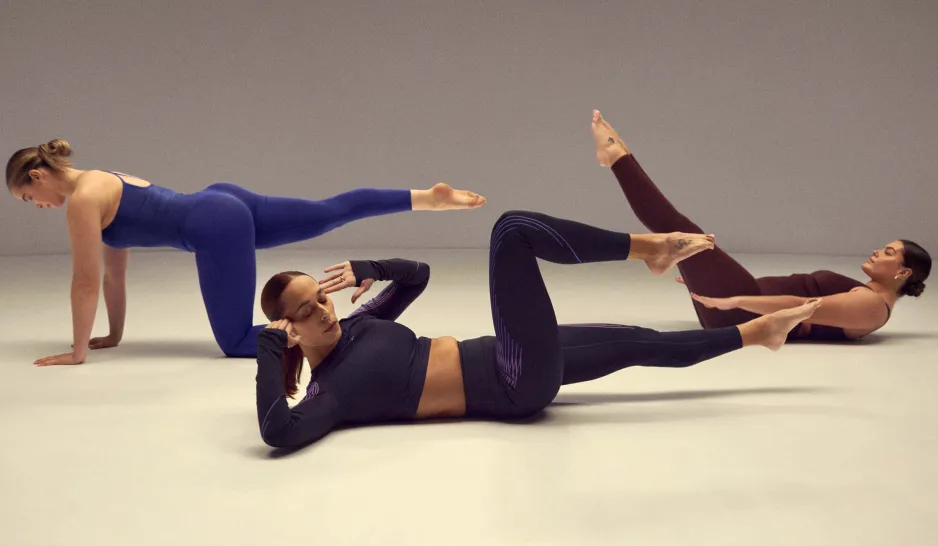
The best Pilates workout is one that matches your experience, goals, and preferred training style. For a simple no-equipment option, mat-based Pilates is a strong place to start because it builds core strength, control, and confidence using bodyweight movement. If you’re looking for something different, Reformer Pilates can feel more novel and playful.
LES MILLS PILATES™ features classic mat Pilates movements – with a twist. With core moves, unique music and supportive coaching it takes the Pilates experience to a whole new level. There’s no need for expensive equipment, and each workout has been tested and iterated to leave you feeling strong, uplifted and calm.
Find a LES MILLS PILATES class near you. Enjoy LES MILLS PILATES at home using LES MILLS+.
LES MILLS REFORMER™ is a new kind of Reformer Pilates experience, where every move is set to the beat. The music creates emotion and it feels both restorative and strengthening. It’s a great option for beginners, because the instructor moves with you, so it’s easy to follow and you’re in control choosing the resistance and intensity levels. LES MILLS REFORMER is coming soon to a club near you.
What are more ways to enjoy Pilates?
You can enjoy Pilates through classic mat classes, hybrid Pilates-barre workouts, yoga and Pilates blends, or low-impact strength formats. These options make it easy to choose a class that fits your goals, equipment access, and preferred intensity.
LES MILLS SHAPES™ brings together elements of Pilates, barre and power yoga. It is intense and athletic, yet with low-impact movements that build endurance and control. Try LES MILLS SHAPES on LES MILLS+ or find a class near you.
BODYBALANCE™ is a combination of yoga and Pilates-based movements with elements of Tai Chi. BODYBALANCE uses nothing but bodyweight exercises to improve strength and flexibility. The focus is not on muscular burn, it’s about moving well with a body and mind. Find a BODYBALANCE class near you, or try the BODYBALANCE Pilates Mix on LES MILLS+.

What equipment works well for Pilates?
You can do many Pilates workouts with no equipment at all. Reformer Pilates requires a specialist machine, while Pilates-inspired strength classes such as LES MILLS SHAPES may use light weight plates, sculpt bands or resistance bands and slider discs to add challenge and variety.
As you need a large (and expensive) Reformer machine to do Reformer Pilates, it's often easiest – and cheapest – to do this type of Pilates during class such as LES MILLS REFORMER, which is held in a dedicated Reformer studio.
Pilates FAQs
Is Pilates good for beginners?
Yes. Pilates is a strong option for beginners because it uses controlled, low-impact movements that can be adapted to different fitness levels. During a good Pilates class, expert instructors will guide you to move in a way that works for you.
How often should you do Pilates?
Two to three Pilates sessions a week can help build strength, mobility, posture, and body awareness. For best results, combine Pilates with cardio, resistance training, and flexibility work as part of a balanced routine.
Can you do Pilates at home?
Yes. Many Pilates workouts can be done at home with no equipment beyond a mat. Online classes, mat-based workouts, and Pilates-inspired strength sessions make it easy to practice without a reformer or studio membership.
Is Pilates enough exercise on its own?
Pilates is excellent for strength, control, mobility, and body awareness, but it usually does not provide enough cardio training on its own. Pair it with aerobic exercise and resistance training for a more complete fitness routine.
What is better for beginners, mat Pilates or Reformer Pilates?
Mat Pilates is often simpler and more accessible for beginners because it uses bodyweight movement and minimal equipment. However, beginners can definitely enjoy Reformer Pilates, and Reformer Instructors are well skilled in helping understand how to use the Reformer machines and tailor the resistance and intensity.
What equipment do you need for Pilates?
You can do many Pilates workouts with no equipment at all, although a mat can make floor work more comfortable. Some Pilates-inspired classes use light plates, bands, sliders, or a reformer to add resistance and variety.
Want more health and fitness insights?
Get monthly Fit Planet updates straight to your inbox.
Want more health and fitness insights?
More about the author
Emma Hogan
Emma is a health and fitness writer with 20 years of experience creating evidence-based features that bridge the gap between scientific research and real-world application. Based in New Zealand, she works with global exercise scientists, physiotherapists, and internationally recognized fitness experts to uncover the latest insights in health, fitness, and human performance.
Known for making complex topics accessible and engaging, Emma writes on everything from strength training and recovery to motivation, behavior change, and lifelong wellbeing. Her work helps readers navigate an increasingly crowded health landscape and make informed choices grounded in credible research rather than trends or misinformation.

Fit Planet
High performance mindset: what we can learn from elite athletes
Fit Planet
Home exercise hacks: The tips home exercisers swear by
Fit Planet
Why exercise fights depression: scientists uncover how muscles talk to the brain

Fit Planet
Exercise for mental health: What the research says about feeling happier, healthier, and more resilient
Fit Planet
How to become a group fitness Instructor: A step-by-step guide
Fit Planet
Why music makes exercise feel easier, more enjoyable, and more effective
Fit Planet
Are you eating enough to support your workouts? 7 signs you're under-fueling your training
Fit Planet
10 signs you'd make a great group fitness Instructor
Fit Planet
Does exercise help you lose weight? What the science really says
Fit Planet
How much strength training do you need to live longer? Scientists say 90-120 minutes per week
Fit Planet
Should you change your workouts based on your menstrual cycle?
Fit Planet