A new era of circuit training: How modern circuits can elevate your routine
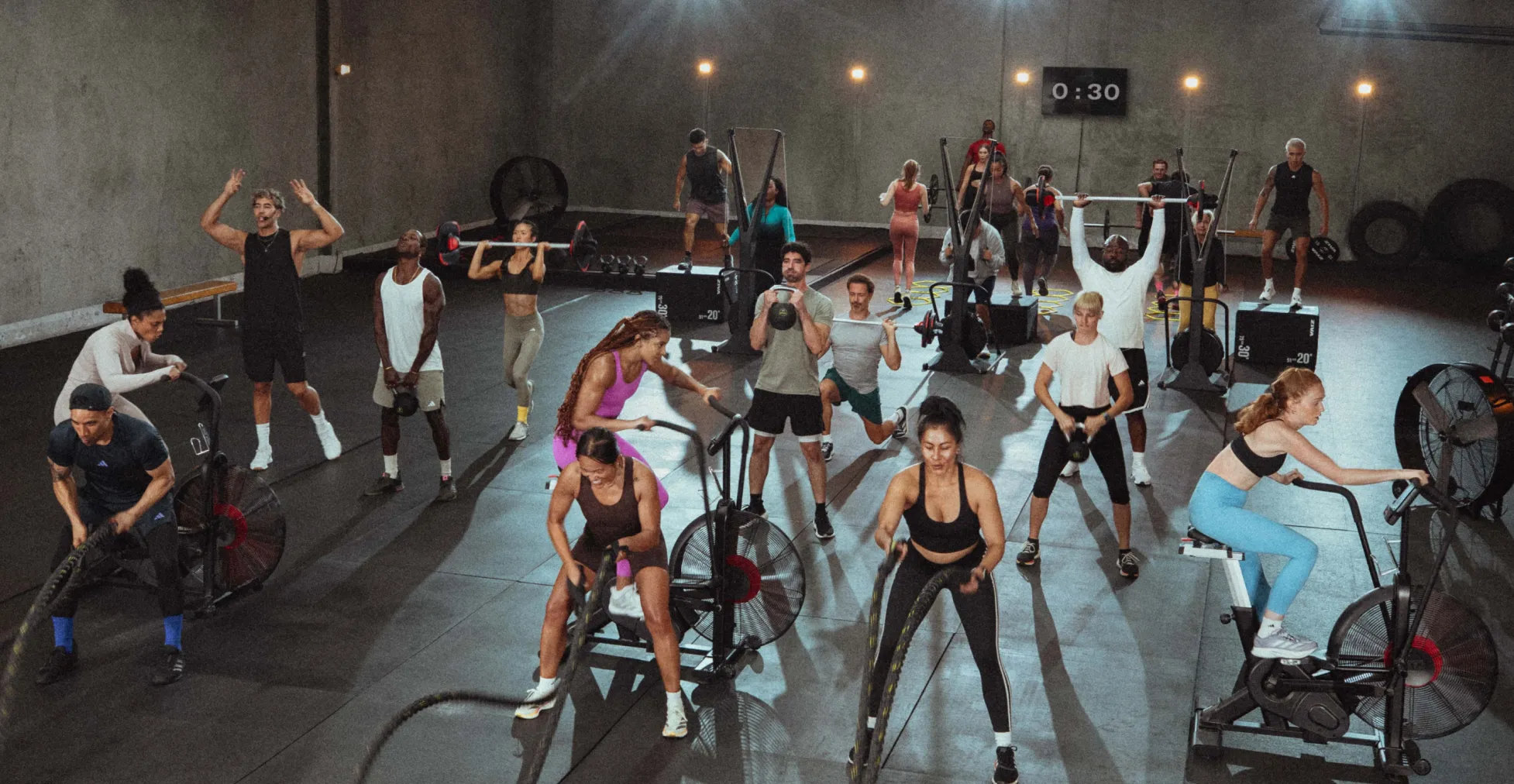
Scroll the gym timetable, and there’s always one class with a stacked waitlist … the circuit class. Why does circuit training keep drawing crowds? Is it genuinely effective, or just familiar? And what will the circuit workouts look like as training science continues to evolve?
Read on, and you’ll discover:
· What a typical circuit workout looks like
· Why strength is now a circuit heavy hitter
· The value of performance tracking
· What circuits of the future might look like
A well-established formula
A typical circuit workout involves moving across various stations, doing a different exercise at each, with a short rest between each station. There are usually between 8 and 12 stations in the circuit, and you will repeat the circuit multiple times. This format keeps intensity high, blends strength and cardio, and delivers an efficient full‑body workout.
It’s not a new style of training. The first circuit workouts emerged back in the early 1950s, in the 1960s they were widely adopted by the military, and in the 1980s circuits hit mainstream training and really took off.
Phillip Mills, founder of Les Mills International, explains that before BODYPUMP™ became a big hit and reshaped group fitness, circuit classes ruled the timetable. “Circuit classes dominated, and we were pulling in 150 members per class,” he recalls. “And now, we’re seeing a huge resurgence.”
These days, a good circuit class will typically have a solid waitlist, with dozens waiting on tenterhooks to see if they can secure a coveted spot.
It’s unlikely the resurgence is based on nostalgia. Rather, the surge in popularity is born from science-backed evolution in training, making hybrid workouts better than ever.
So what’s changed?

Modern circuits: what sets them apart
1. A heavy focus on strength (paired with cardio for endurance)
We’ve long accepted that a mix of cardio, strength, and core training supports good health. But in recent years, strength training has stepped into the spotlight as the most important form of exercise for a long, healthy life. And modern circuit workouts reflect this. A 2024 systematic review and meta‑analysis published in Scientific Reports found resistance-focused circuit training significantly improves body composition, muscular strength, cardiorespiratory fitness, blood pressure, and functional autonomy. And guidelines from the American Heart Association support this too, highlighting that short, structured sessions combining resistance and aerobic work can improve blood pressure, insulin sensitivity, lipid profiles, and overall mortality risk.
Interestingly, emerging research suggests the magic doesn’t stem from specific exercises – a 2025 study showed total training volume matters more than specific movement selection. In other words, smart structure is key.
2. More training volume in less time
For the last decade, High-Intensity Interval Training (HIIT) has been a popular go-to for anyone seeking a short, sharp fitness fix. But many HIIT workouts are predominantly cardio-only. Circuit training provides a mix of cardio and strength in a very time-efficient format, solving the ‘I don’t have time’ problem without sidelining strength. By layering resistance training into timed intervals, circuits deliver maximum return per minute without sacrificing the power of strength training.
3. Options for everyone
Variety-packed and easily customizable, circuit exercises can be adapted for any fitness level. For newbie exercisers who know strength training is important, but don’t know where to start, circuits are an ideal gateway to resistance training. Many movements can be done with limited equipment or even just bodyweight, and most can be regressed or progressed easily. More experienced athletes can dial up load, tempo, or complexity, without changing the format.
4. People thrive on the vibe
According to the 2026 Global Fitness Report, 64% of people say they’re more likely to work out if there’s a good vibe in the facility – and that’s where modern circuits have the edge. The best circuit workouts are set in purpose-built circuit studios with custom lighting, loud music and coach-led energy driving momentum. The rotating‑station structure allows for large groups of mixed abilities to come together in a way that’s socially engaging and fun. You might not speak to those working out alongside you, but you feel the shared effort – and science shows that sense of groupness is a powerful motivator.
5. You can track your progress
The desire to chase new challenges is a common theme among younger generations, and demand for workouts that push limits is up 47%. Many everyday athletes are tracking progress, chasing PBs, and keeping tabs on improvement markers. Circuit training lends itself naturally to performance monitoring – whether it’s training in specific heart rate zones, hitting rep targets or time caps.
This type of performance tracking aligns with the explosion in popularity of fitness races, like HYROX, where race participants aim to complete all the stations in a specific time. The introduction of workouts like CEREMONY HYROX MAX supports this type of training focus. This new performance training workout features race-specific movement patterns and increased cardio demand to help participants build measurable progress toward competition goals.
Why quality circuit training is a game-changer
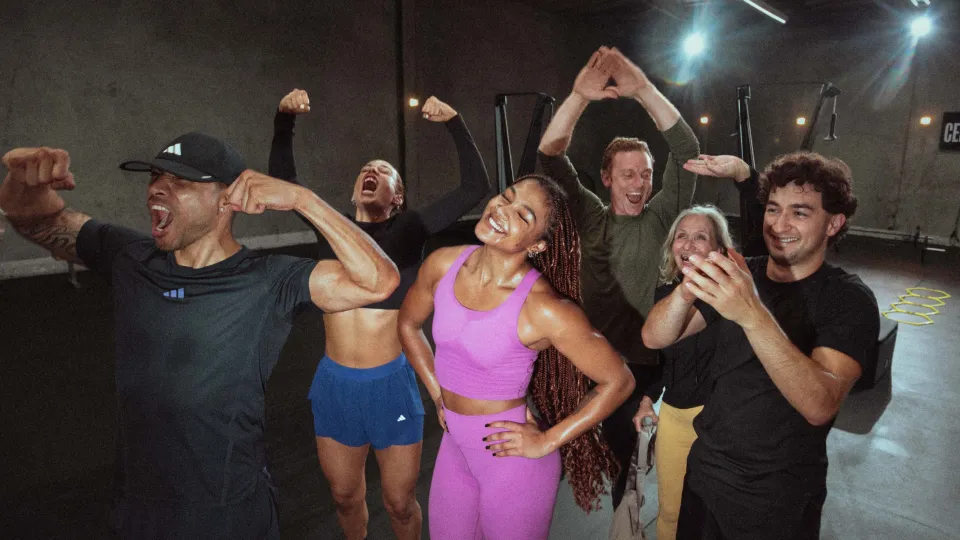
For gym goer Grace Jordan, strength training and running had long formed the backbone of her routine. She felt fit, strong, and healthy, but it wasn’t until she added quality circuit training that things truly shifted. “CEREMONY workouts helped me learn how to use equipment with confidence, the coaches gave me tips to improve my technique, and I was having a great time working out alongside friends.”
After seeing real progress, Grace was inspired to enter her first HYROX race – now she’s hooked and training for more.
“CEREMONY circuits have become the highlight of my week. I love the fact you don’t have to plan or set up a workout. And because the movement patterns mirror what you do in a HYROX race, each session is helping me get closer to my race fitness goals.”
What does the future of circuit training look like?
As this popular type of training evolves, we can expect continued emphasis on functional movement and strength‑building. This will likely be paired with smarter use of technology, while live tracking and tech‑enabled feedback will enable even more personalized training. For those motivated by a you‑versus‑you mindset, tracking provides another compelling reason to push a little harder.
According to Rob Lee, Les Mills Creative Team Coach, physiotherapist, and part of the team shaping new HYROX‑inspired group training workouts, the opportunities and potential for innovation in this space are limitless. “When we first started in circuit programming, we created a circuit workout that’s scientifically designed to be balanced and avoid overload, and that’s what makes it a great always-on training option.”
Now, with huge numbers of people engaging in fitness races – 1.3 million are expected to race HYROX in the next 12 months – it’s sparked a new partnership and some exciting innovation.“We wanted to create a workout that drives even more progression and helps people level up ahead of a race, so we’ve taken the elements of a HYROX race and threaded them through to create a more demanding program. This progression incorporates the use of targets. When athletes train or move towards targets, that increases intensity and a sense of achievement, which really unlocks people's potential.”
Lee adds that, while improved performance is a key driver, it’s clear people want more than physical results alone. “Circuit training is evolving into a full experience, where atmosphere matters as much as programming.” Training alongside others, guided by motivating coaches, and driven by music that lifts the room, creates a vibe that elevates effort and enjoyment together. That blend of science, structure, and shared energy is what will define the next era of circuit training.
This is where CEREMONY HYROX and CEREMONY HYROX MAX come in.
As HYROX’s official Group Training Partner, Les Mills has combined HYROX’s sport performance system with Les Mills’ proven group training expertise to create the definitive training experience.
CEREMONY HYROX: A 45-minute strength and cardio conditioning circuit, with options that make it great for everybody
CEREMONY HYROX MAX: This is higher intensity training for anyone looking to level up and get race-ready. With partner formats, increased cardio demand, and progressive training, it builds endurance and performance edge.
This is training where music sets the energy and pace, coaches keep you locked in, and the group energy keeps you coming back for more. It’s more than a workout. It’s a training ritual you rise to, again and again.
Discover more about CEREMONY HYROX and CEREMONY HYROX MAX

Fit Planet
Exercise for mental health: What the research says about feeling happier, healthier, and more resilient
Fit Planet
How to become a group fitness Instructor: A step-by-step guide

Fit Planet
Why music makes exercise feel easier, more enjoyable, and more effective

Fit Planet
Are you eating enough to support your workouts? 7 signs you're under-fueling your training

Fit Planet
10 signs you'd make a great group fitness Instructor

Fit Planet
Does exercise help you lose weight? What the science really says

Fit Planet
How much strength training do you need to live longer? Scientists say 90-120 minutes per week

Fit Planet
Should you change your workouts based on your menstrual cycle?

Fit Planet
When is the best time to exercise? Morning vs evening workouts explained

Fit Planet
What is CEREMONY HYROX? A complete guide to the new Les Mills x HYROX workouts

Fit Planet