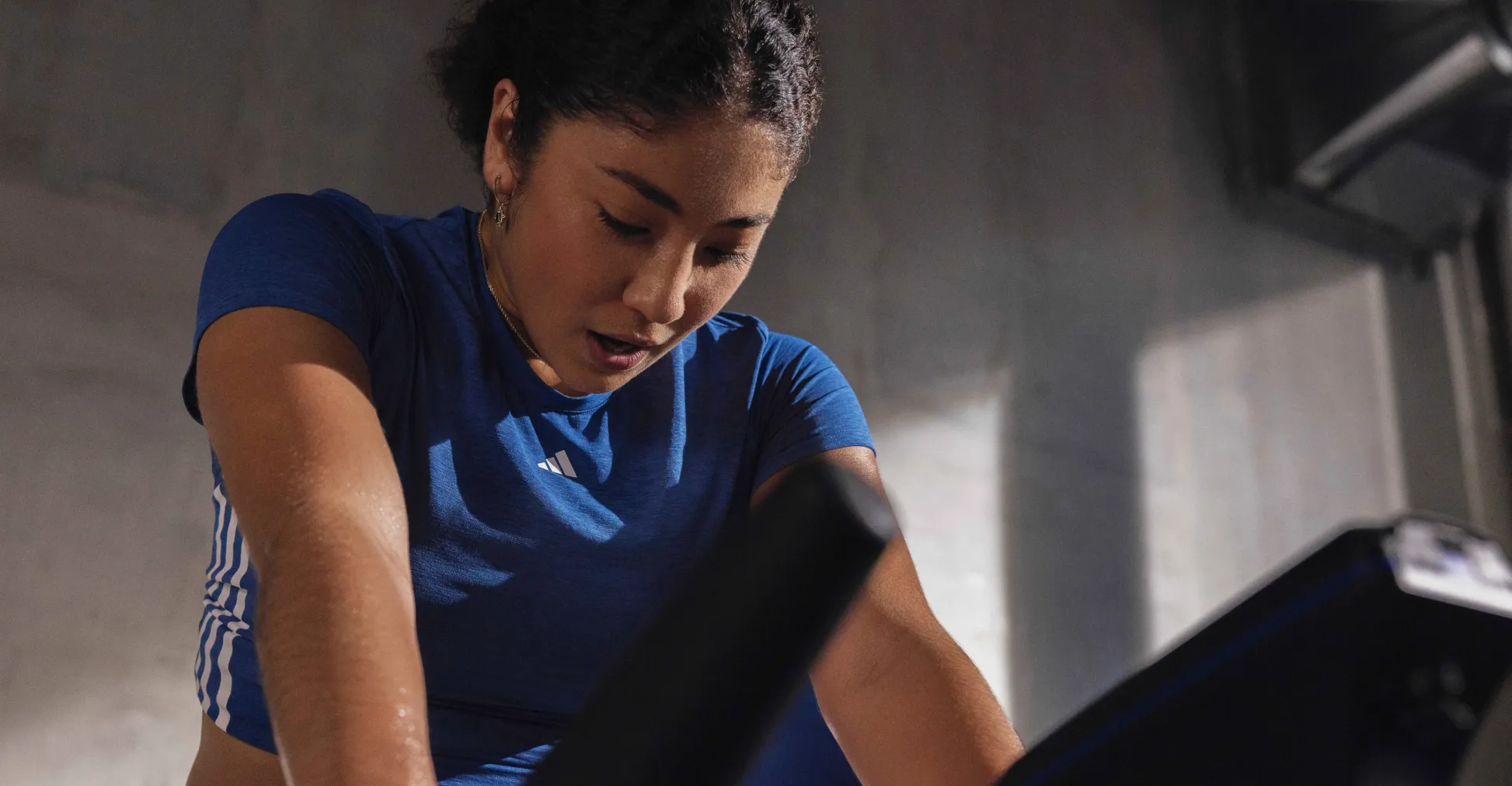
Pregnancy modifications
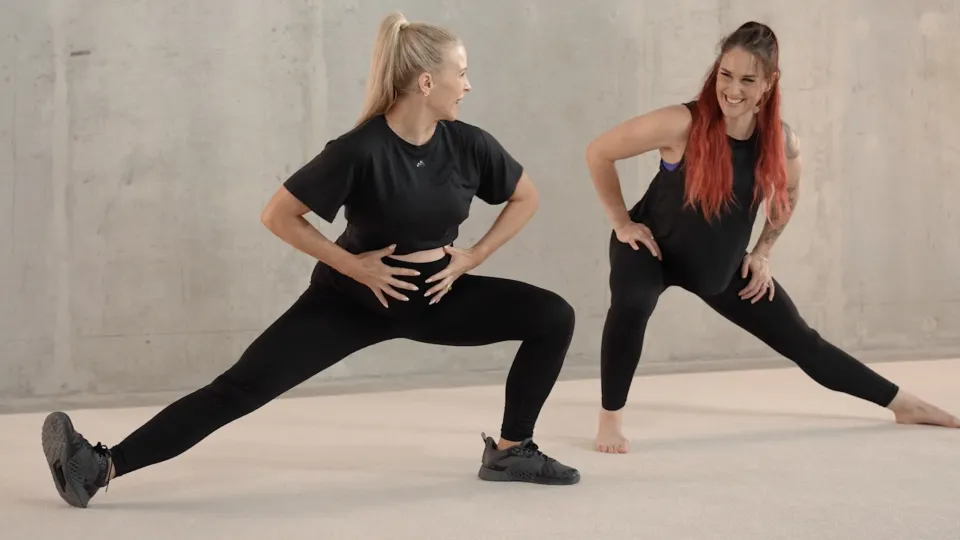
Exercising throughout your pregnancy is not only possible, it’s potentially beneficial for both you and your baby – but certain modifications are a must for exercising safely.
Follow these pregnancy exercise guidelines and you can reap the rewards of regular exercise while doing what’s best for you and bubs.
The most important thing about exercise during pregnancy is to be clear about what you hope to achieve. Pregnancy is generally the time for maintenance, not for striving for new fitness goals or working out at high intensity.
Erin Maw, Les Mills Program Director, says she reset her approach to exercise when she became pregnant. “I let go of my expectations and changed my mindset to focus on doing what I can do. I left my ego at the door and started prioritizing strength training and low impact cardio like stationary cycling.”target=”_blank”
Fellow trainer Mandi Hirini also switched up her workout routine. “I started taking each day as it comes, accepting what my body needs.” This means embracing a variety of different training modalities like mobility, minimal impact cardio and strength. “I prioritize strength training, because it not only helps to keep my mood and energy up, but keep my core as functional as possible. Strength training helps my pregnancy be pain free, will help empower my birth experience and creates a positive foundation for whatever postpartum recovery may be ahead.”
PREGNANCY FUNDAMENTALS: 3 THINGS TO FOCUS ON
The transversus abdominis muscle (TVA) is a deep muscle in the abdominal region that is important in core stability and support. Strengthening the TVA during pregnancy is particularly valuable, as it can help alleviate back pain, and support the spine and pelvis. Watch and learn how to engage your TVA, learn what it takes to strengthen your pelvic floor and discover breathwork techniques for pregnancy.
However you choose to move during pregnancy, make sure your obstetric caregiver is aware of your fitness activities, drink plenty of water during exercise and stop immediately if you ever feel dizzy or uncomfortable.
Watch and learn as Erin and Mandi explain how to focus on mobilization while pregnant.
Exercises to avoid during pregnancy
- Exercises that position you on your back after the first trimester, because this position can hinder blood flow to and from the heart.
- Exercise that may cause trauma to the abdominal area – now’s the time to give up your kickboxing, at least until the baby’s born.
- Exercising in high heat environments – wear loose, comfortable clothing, preferably with layers that can be removed.
- Long periods of stationary or motionless standing, as this can cause changes in blood pressure.
- Any exercise that may cause loss of balance, or put you at risk of a fall.
Exercise adjustments to make during pregnancy
- Modify training whenever possible so that you avoid lying flat on your back. You can do this by supporting yourself on your elbows (ensuring you keep the chest lifted), rolling over to do hover or plank work, or embracing four-point kneeling.
- Reduce intensity whenever you, and your doctor, think you should.
- Chances are your range of motion is eventually going to change, making it uncomfortable to twist and jump, so just take it easy and really respect what your body is telling you.
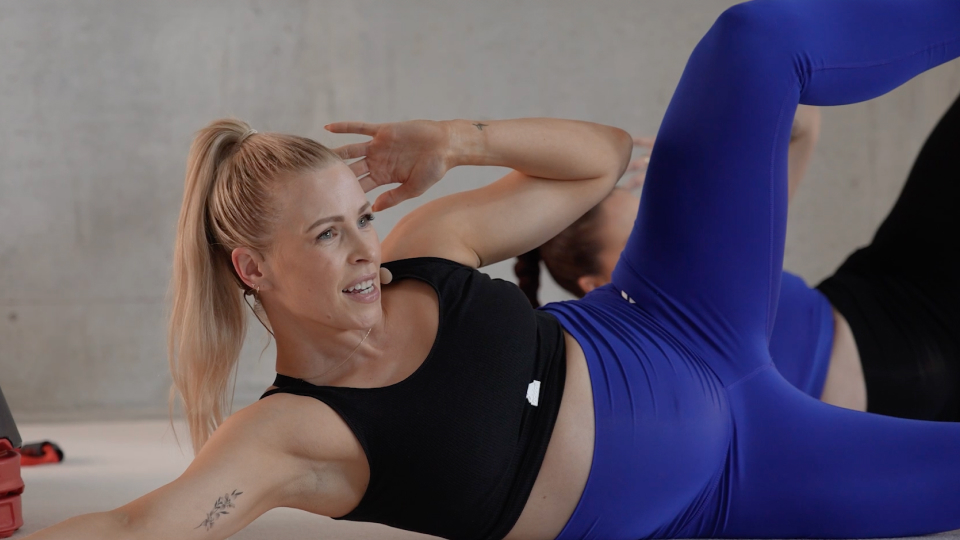
Many LES MILLS™ workouts can be enjoyed during pregnancy. Simply choose the options where needed.
BODYBALANCE™ can be started for the first time during pregnancy. This workout includes plenty of exercises that are appropriate for expectant mothers looking to make healthy lifestyle changes. During BODYBALANCE, try to wriggle through your poses and make certain you are not too aggressive with your stretches – the hormones released during pregnancy can loosen up your joints. Stop immediately if you ever feel dizzy.
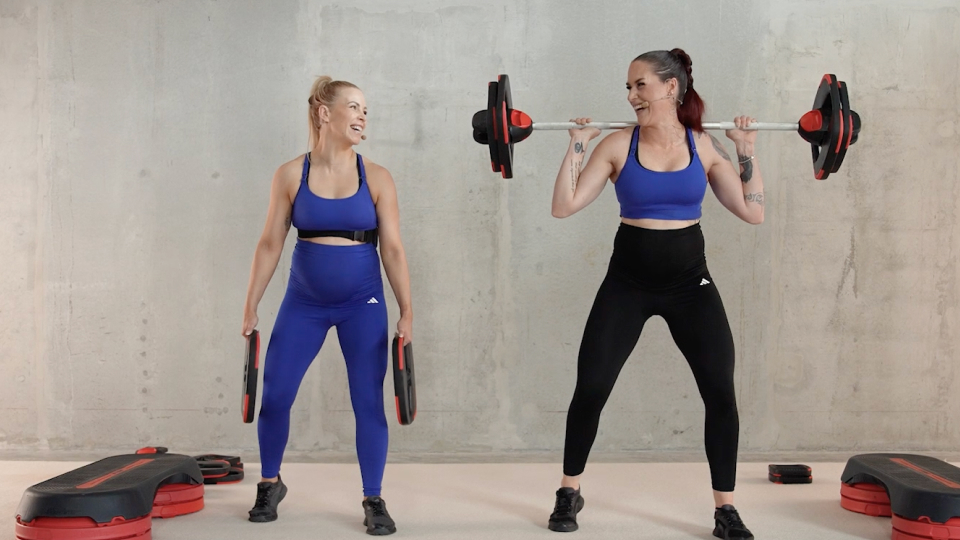
Strength training during pregnancy
If you’re keen to maintain strength and function during pregnancy, BODYPUMP™ is a great option as it uses lighter weights and a reduced range of motion compared to other resistance training modalities. When it’s no longer comfortable to lie flat on your back in a BODYPUMP workout, turn your bench into an incline bench by stacking more risers at one end. Similar additions can be made to BODYPUMP HEAVY™ for the chest and hip thrust moves, in addition to reducing resistance as necessary. Workouts like LES MILLS STRENGTH DEVELOPMENT™ and LES MILLS FUNCTIONAL STRENGTH™ – where there are dynamic and explosive movements – are not recommended for those new to this type of training during pregnancy. You might like to try Les Mills’ Strength for Pregnancy workouts available exclusively on LES MILLS+.
Core training during pregnancy
Working your core in LES MILLS CORE™ and doing workouts like LES MILLS PILATES™ and LES MILLS SHAPES™ should be safe in the first and second trimester, as this type of training has been shown to minimize disruption of the abdominal wall during pregnancy. However, there are a few adjustments you should make when you can. When it’s no longer comfortable to lie flat on your back, you should switch to working your abs in 4-point kneeling, supporting yourself on your elbows (ensuring you keep the chest lifted) or rolling over to do hover or plank. Another option is to try the Barre and Pilates for Pregnancy workouts available exclusively on LES MILLS+.
Cardio exercise during pregnancy
If you’ve already been doing cardio workouts like BODYATTACK™, LES MILLS TONE™ and BODYSTEP™, it should be safe to continue while pregnant. Use the low-impact options that feel right for you. During BODYSTEP, decrease the number of risers you use and make sure you have a stable base of support by ensuring your foot is always planted firmly on the step and keeping a slightly wider base of support.
Similar modifications can be made to circuit classes such as LES MILLS CEREMONY™ – remember modify intensity when needed and use low impact options for enhanced stability.
During cycle workouts like RPM™ and THE TRIP™, you should modify the intensity by taking regular breaks, reducing resistance and avoiding the standing positions as you feel the need to.
The following workouts are not recommended during pregnancy:
- BODYCOMBAT™ is not recommended during pregnancy because of the joint instability you experience. The release of hormones such as oestrogen and relaxin can result in joints being less stable – so the kicks in BODYCOMBAT may aggravate the hip and pelvis.
- High-intensity interval training workouts such as LES MILLS GRIT™ and LES MILLS SPRINT™ are designed to push your body to its limit and take your fitness to the next level. Pregnancy is not the time to be pushing your body to its limits.
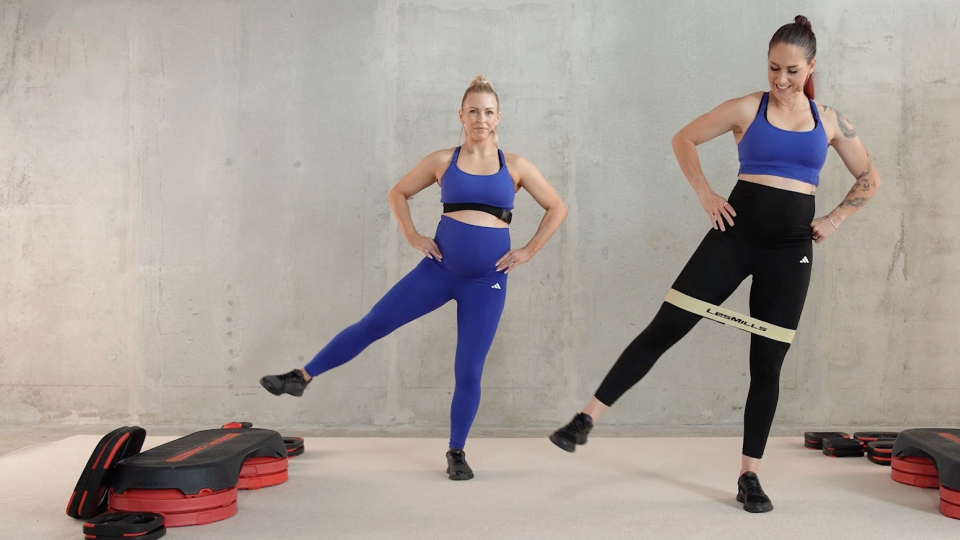
You can get free access to a full suite of pregnancy workouts – including strength training during pregnancy, core workouts for pregnancy, barre and Pilates for pregnant women, and pregnancy stretches and relaxation.
SEE LES MILLS+ PREGNANCY WORKOUTS
Get more facts about exercise and pregnancy. Learn from trainers and new moms as they share practical pointers for breastfeeding and exercise.
Sign up to Fit Planet and get fresh health and fitness news and advice straight to your inbox. Subscribe

Fit Planet
Exercise for mental health: What the research says about feeling happier, healthier, and more resilient
Fit Planet
How to become a group fitness Instructor: A step-by-step guide
Fit Planet
Why music makes exercise feel easier, more enjoyable, and more effective

Fit Planet
Are you eating enough to support your workouts? 7 signs you're under-fueling your training
Fit Planet
10 signs you'd make a great group fitness Instructor
Fit Planet
Does exercise help you lose weight? What the science really says
Fit Planet
How much strength training do you need to live longer? Scientists say 90-120 minutes per week
Fit Planet
Should you change your workouts based on your menstrual cycle?
Fit Planet
When is the best time to exercise? Morning vs evening workouts explained
Fit Planet
What is CEREMONY HYROX? A complete guide to the new Les Mills x HYROX workouts
Fit Planet