Is your child active enough?
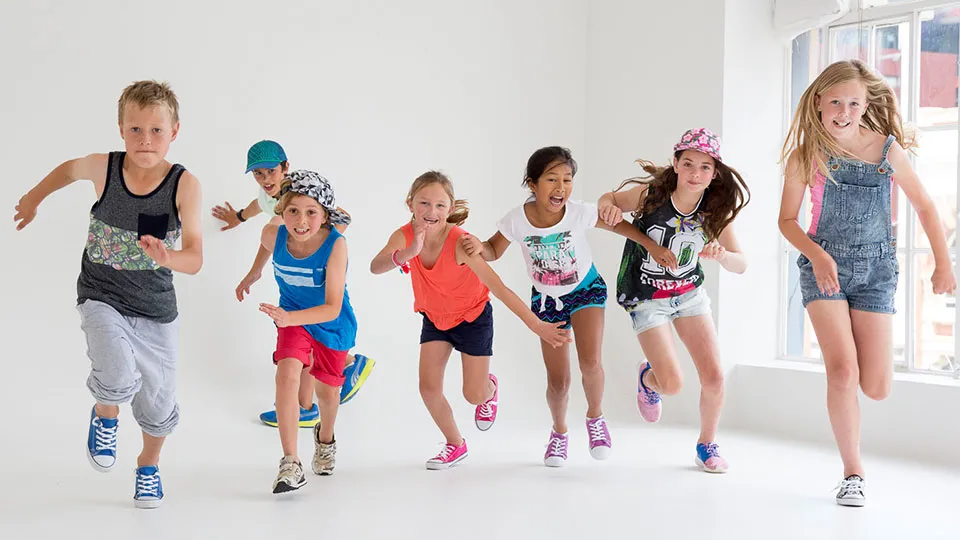
It’s no longer safe to assume that if a child’s level of activity is on par with their friends they’re doing okay – research proves that the majority of children are not active enough.
All over the world parents diligently track academic progress, they oversee homework, enrol children in tutoring, and do all they can to ensure their offspring hit set literacy and numeracy targets. Unfortunately when it comes to making sure that their child’s fitness and physical abilities are adequate many parents are not as dedicated. It’s not because parents don’t care. It’s because it’s much easier to measure academic performance than it is to track how fit and active a child is, let alone how much their physical abilities are improving.
Last year a UK non-for-profit, Fit For Sport, collected data from 10,000 primary school-aged children from 80 different schools. The study showed that 67% of children did not meet the recommended fitness level for their age group, and 24% fell well below the recommended level1.
Data shared as part of EuropeActive’s Action Learning for Children in Schools program supports this. It shows that less than 10% of European children meet the World Health Organization recommendations for physical activity and one in five children is overweight or obese2.
What is also alarming is that less than one fifth of the 10,000 children involved in the Fit For Sport study achieved targets in stamina and endurance3.
Children in Europe spend just 5% of their school time engaged in physical activity4. This fact alone highlights the importance of parents taking a proactive approach to helping build their child’s physical fitness.
Dr Jackie Mills, Les Mills Chief Creative Officer, suggests that parents who want to make sure their child’s physical fitness is up to scratch should first make sure they get a minimum of 60 minutes of physical activity each day. This physical activity should be made up of moderate intensity activity such as riding a bike as well as some vigorous intensity activity. Vigorous intensity activity is considered any activity that increases the heart rate and intensifies breathing.
BORN TO MOVE™ classes are structured to include both moderate and vigorous intensity activity. All the moves are pre-tested to ensure they safely ‘push’ young people to experience the full extent of their ability. Their confidence grows as they experience the thrill of mastering new skills and as a result they fall in love with regular physical activity.
Find a BORN TO MOVE class near you here or let your child experience the magic of moving to music anytime by accessing BORN TO MOVE on demand.
Sign up to Fit Planet and get fresh health and fitness news and advice straight to your inbox. Subscribe
Fit Planet
Sleep and exercise: Why better sleep could be the missing piece of your health puzzle

Fit Planet
Muscle pain after exercise: What it means and how to manage it

Fit Planet
What causes muscle cramps during exercise – and how can you prevent them?

Fit Planet
HIIT and sleep: What’s the sweet spot for better recovery?
Fit Planet
Sleep and athletic performance: How better sleep improves recovery and results
Fit Planet
Strength training and sleep: Can lifting weights help you sleep better?

Fit Planet
High performance mindset: what we can learn from elite athletes
Fit Planet
Home exercise hacks: The tips home exercisers swear by
Fit Planet
Why exercise fights depression: scientists uncover how muscles talk to the brain

Fit Planet
Exercise for mental health: What the research says about feeling happier, healthier, and more resilient
Fit Planet
How to become a group fitness Instructor: A step-by-step guide

Fit Planet