3 squat drills

If you suffer from sore knees after a workout, don’t blame your knees. Chances are it’s actually your glutes letting you down. Here are three quick and easy squat drills to help you fix it.
When you’re challenging your lower body with movements like squats and lunges, it can be good to push your limits and feel an element of discomfort – but not in your knees! Feeling it in your knees is often a sign you're not activating your glutes in the correct way.
“Many people have a knee-dominant squat,” explains physiotherapist Rob Lee. “This is where, rather than the hips sitting back and down, your knees track forward. This can place extra load is on the knees.”
This knee dominance means you rely heavily on your quads to do the work, often to the detriment of your glutes and posterior chain. Les Mills Creative Consultant Ben Main says this is a missed opportunity as you really want to jump at any chance to focus on your glutes: “Your glutes are the powerhouse of your body and building strong glutes enables you to move with power, drive and force.”
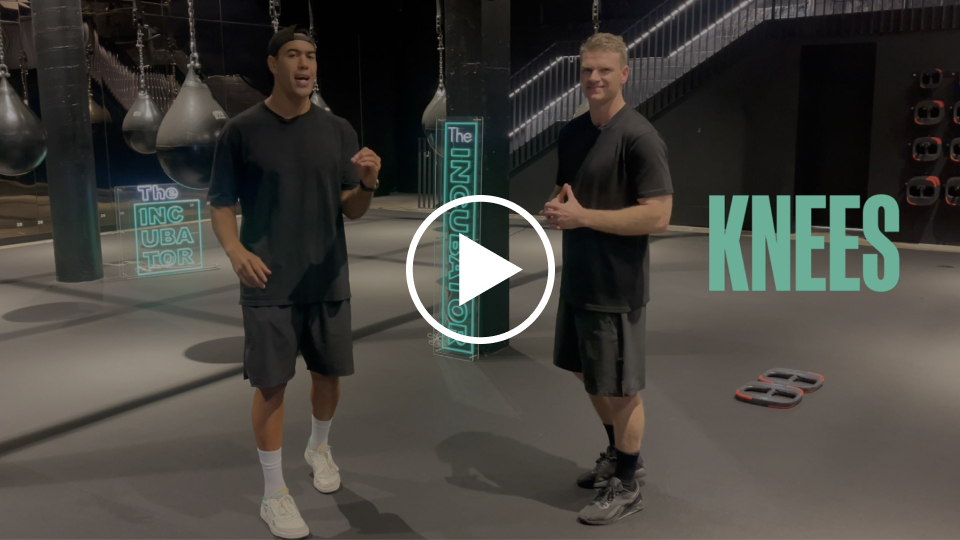
In the video above Rob and Ben explain three simple squat drills that will help you safely and effectively protect your knees and focus on your glutes while training your lower body.
DRILL ONE:
Patterning drill
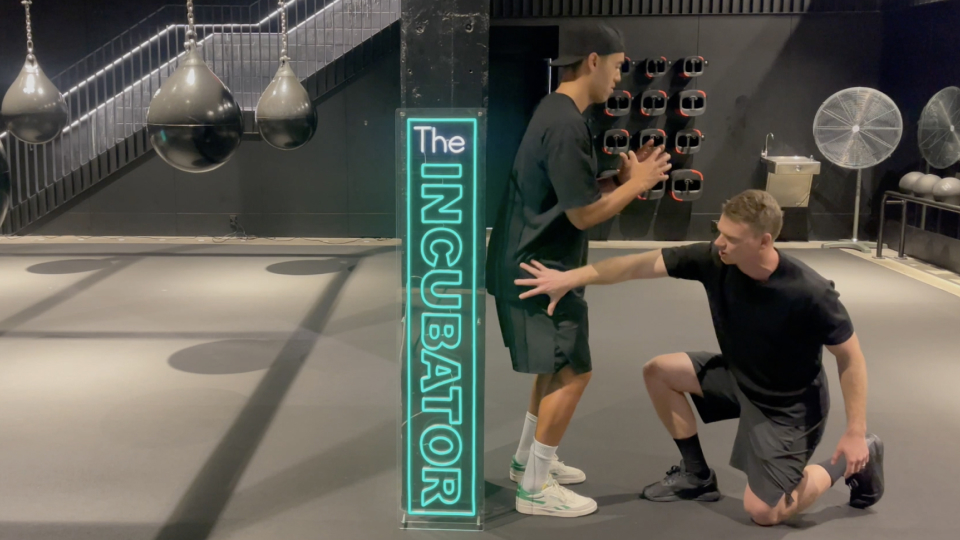
Practising this drill will encourage the ‘back and down’ movement of the hips to load the glutes and take excessive pressure away from your knees.
- Stand with your back to the wall
- Step out 1-foot away from the wall
- Squat down with awareness of how your knees and your butt track against the wall (if you’re knee dominant your butt won’t be touching the wall)
- Adjust your movement so that your butt consistently taps the wall as you squat
- Aim for 10-15 reps at a time.
DRILL TWO:
Strengthening drill
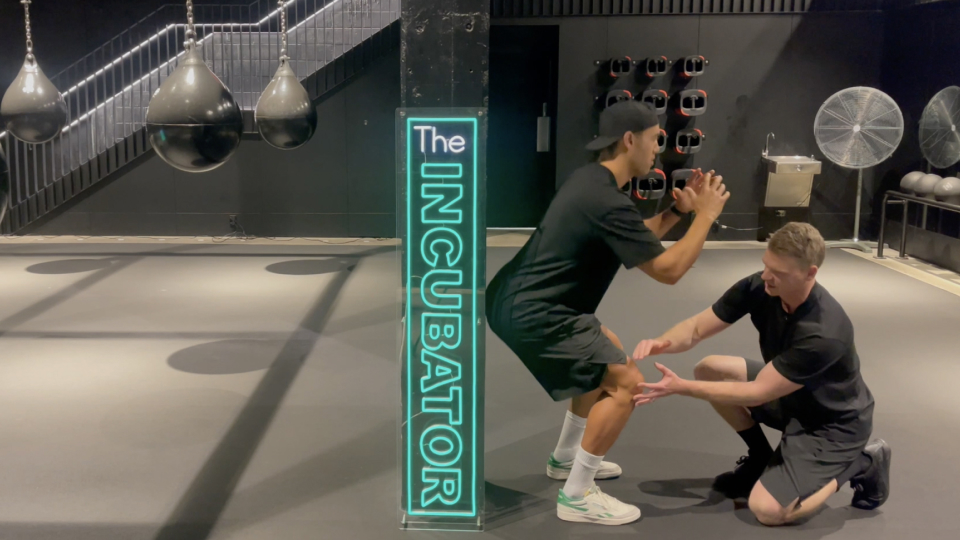
This drill helps ensure you’re evenly loading the knees and hips as you focus on your glutes. It will help you focus on engaging your glutes at the bottom of the movement to power up and elevate out of the squat.
- Stand in the same position as drill one
- Take one step further away from the wall
- Perform the same squat pattern, dropping deeper into your squat
- Make sure you keep tapping your butt against the wall
- Make the movements slower and with control
- Aim for 8-10 reps at a time
DRILL THREE:
Mobility drill
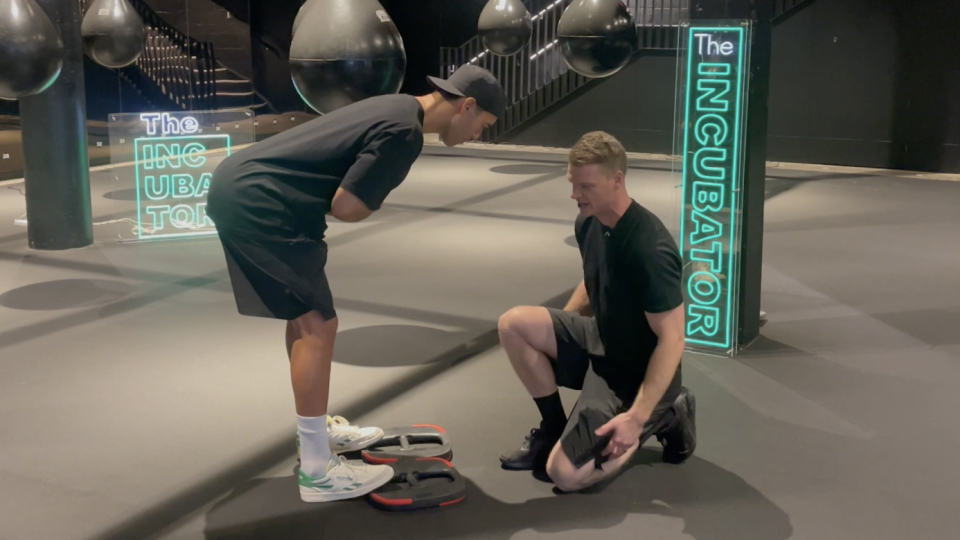
This drill is what’s called the ‘toes raised waiter’s bow’ and it helps you increase mobility around the back of your hips, glutes, hamstrings and posterior chain.
- Place two weight plates (or perhaps some books or similar) under your toes
- Have your feet hip-width apart with a slight bend in the knee
- Bend forward from the hips, with your hips tracking back and down
- Focus on feeling it in your hamstrings, glutes and posterior chain
- Aim for 10-15 reps at a time
Incorporating these three drills into your routine will help bring more awareness to how you move while you work out. It's a good idea to do them before your workout, so you have the learnings front-of-mind and can apply them directly to your training.
WHAT IS KNEE VALGUS AND WHAT CAN YOU DO ABOUT IT?
Knee valgus is what experts call the common movement dysfunction where the knees roll inwards as you squat, lunge, walk or run. This inward movement at the knee joint is an issue because it places excessive force on the soft tissues around the knee. Over time, as a result of the repetitive stresses, pain can develop in the knee. It can also cause pain further up and down the leg (at the hip or ankle) as the deviation can transmit altered force production to areas above and below the knee.
Often the result of habit and muscle memory, the first step to fixing knee valgus is being aware that this habit puts your joints in a vulnerable position and focusing on changing your technique. This can be as simple as learning how to activate your side glutes to hold your knees out. For ideas on how to train the side glutes so they’re more likely to hold the knee in the right alignment, check out this article on top glute exercises.
How to get maximum gain from your squats
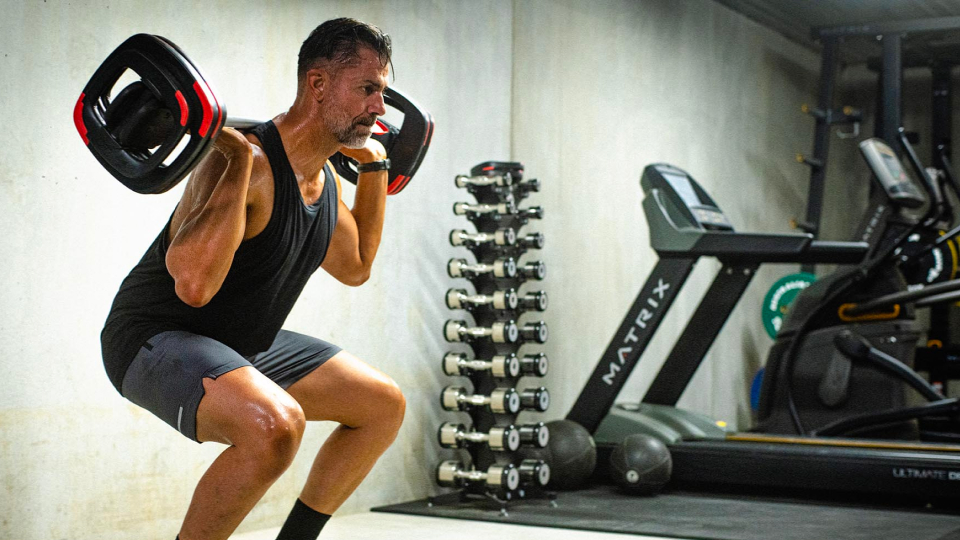
Find out the optimal formula for this lower body staple, common squat mistakes to avoid, and how to up the ante with your squat training.
Should you be lifting more?
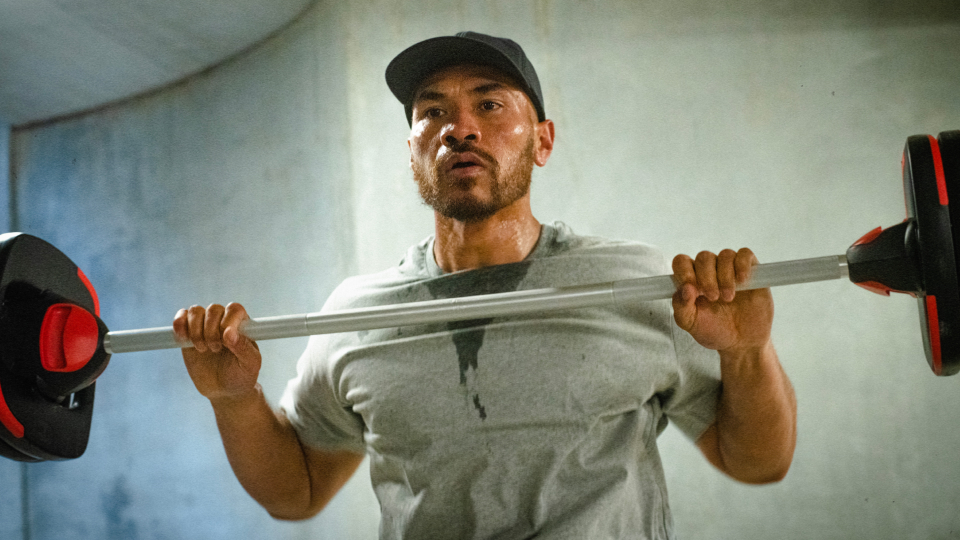
Discover the smart way to push your limits, grow muscles, and reap all the rewards of becoming stronger, fitter and more powerful.
Sign up to Fit Planet and get fresh health and fitness news and advice straight to your inbox. Subscribe
Fit Planet
Exercise for mental health: What the research says about feeling happier, healthier, and more resilient
Fit Planet
How to become a group fitness Instructor: A step-by-step guide
Fit Planet
Why music makes exercise feel easier, more enjoyable, and more effective
Fit Planet
Are you eating enough to support your workouts? 7 signs you're under-fueling your training
Fit Planet
10 signs you'd make a great group fitness Instructor
Fit Planet
Does exercise help you lose weight? What the science really says
Fit Planet
How much strength training do you need to live longer? Scientists say 90-120 minutes per week
Fit Planet
Should you change your workouts based on your menstrual cycle?
Fit Planet
When is the best time to exercise? Morning vs evening workouts explained
Fit Planet
What is CEREMONY HYROX? A complete guide to the new Les Mills x HYROX workouts
Fit Planet