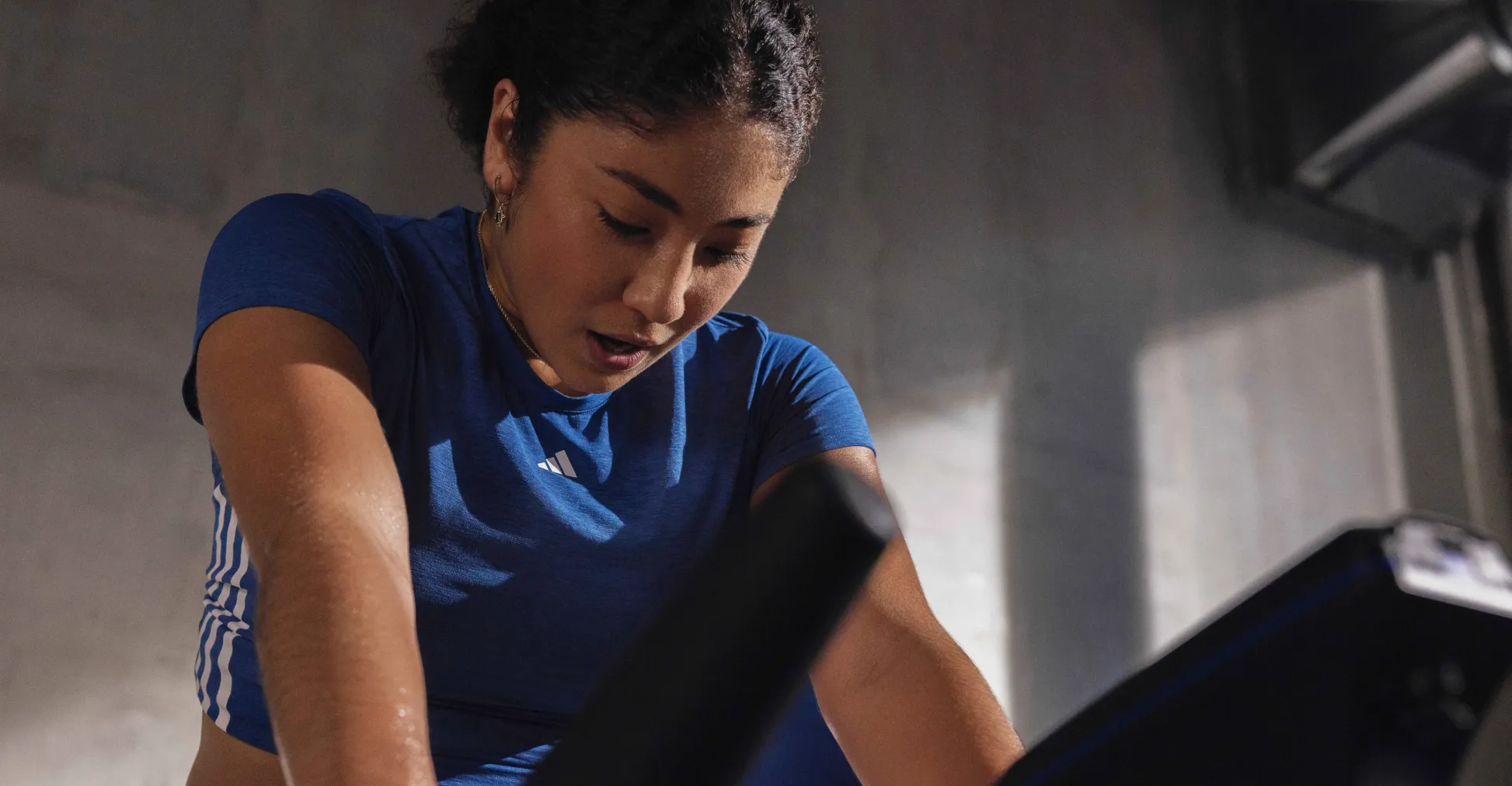
Why women can't afford to skip strength
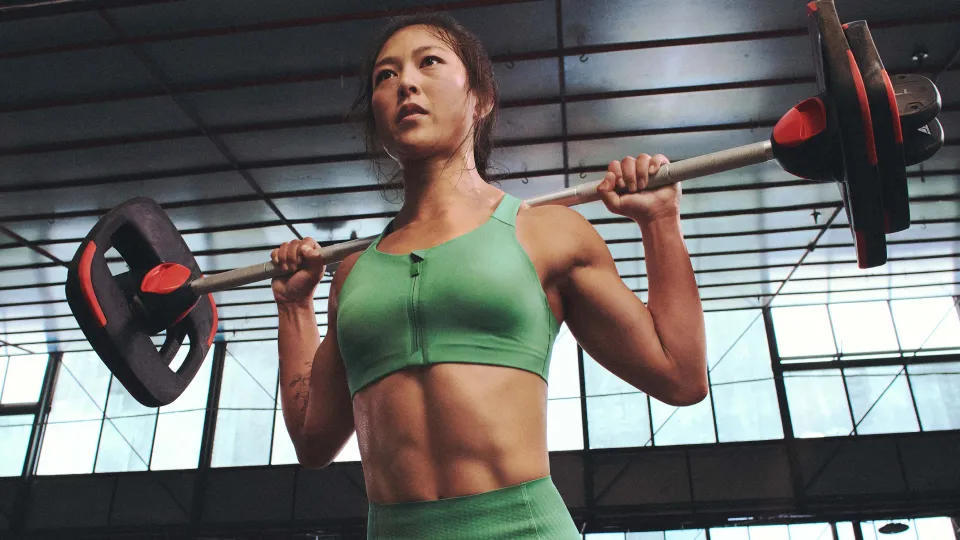
Five science-backed reasons why strength training is non-negotiable for women.
For years, strength training sat in the ‘optional extra’ category for women. Today, the science is clear: lifting weights is one of the most powerful tools women have for long‑term health.
From bone strength to building confidence, there are many reasons why women should make lifting weights part of their weekly routine.
1. Bone health is a biggie
Women lose bone density faster than men, with losses accelerating sharply after menopause due to declining estrogen. This significantly increases the risk of osteoporosis and fractures, particularly at the hips and spine. Large reviews and long‑term trials consistently show that strength training improves or preserves bone mineral density. And heavy lifting isn’t the only way to go. Research shows low-load, high repetition strength training (like you do in a BODYPUMP™ workout) has a particularly potent impact on bone density levels.
2. Muscle matters more with age
Women begin losing muscle mass from their 30s, and hormonal changes during perimenopause and menopause accelerate this decline. Loss of muscle increases fall risk, reduces metabolic health, and threatens independence later in life. Strength training is the most effective way for women to preserve muscle, maintain power, and protect everyday function. Studies show significant improvements in strength, balance, mobility, and physical performance in midlife and older women, even when training starts later in life.
3. Metabolic health improves
Women experience rising insulin resistance, abdominal fat storage, and cardio metabolic risk with age and hormonal change. Strength training improves how muscle tissue uses glucose, making it a powerful tool for blood sugar regulation. Research shows resistance training improves insulin sensitivity, blood glucose control, cholesterol, and blood pressure in women, reducing the risk of type 2 diabetes and cardiovascular disease. There is evidence that when postmenopausal women add resistance training to regular aerobic exercise they benefit from fat loss, muscle gain and improved metabolic markers.
4. It lowers injury risk and makes you more resilient
Women experience a high rate of lower‑limb injuries, particularly at the knees and hips, due to differences in anatomy, strength, and neuromuscular control. Strength training builds stronger muscles, tendons, and connective tissue, improving joint stability and movement mechanics. Meta‑analyses involving women athletes indicate that structured strength training and a focus on agility and coordination can reduce sports and activity‑related injuries by up to one‑third, with clear protective effects for the lower body. This is especially relevant for women, who account for a high proportion of ACL and lower‑extremity injuries.
5. You feel great
Strength training doesn’t just change physical capacity, it changes how you feel about your body and what it can do. There is research delving into how resistance training can foster self-efficacy, positive body image and psychological wellbeing, along with evidence that lifting weights can help dimmish anxiety factors. And if you hop on to social media you’ll find it awash with women worldwide crediting lifting weights with feeling strong, confident and empowered.
There are plenty more ways strength training can transform your life.
SIX SURPRISING REASONS TO LOVE LIFTING
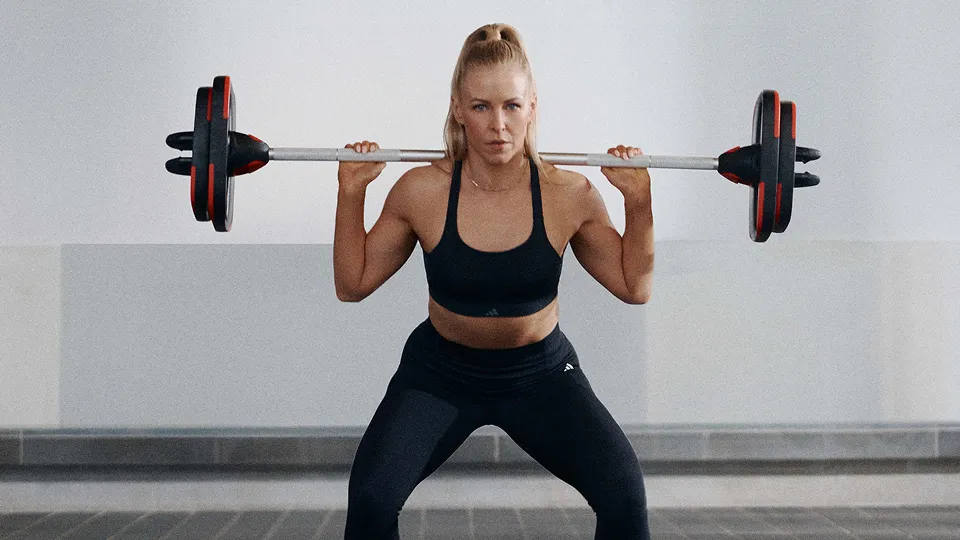
Erin Maw on why lifting matters
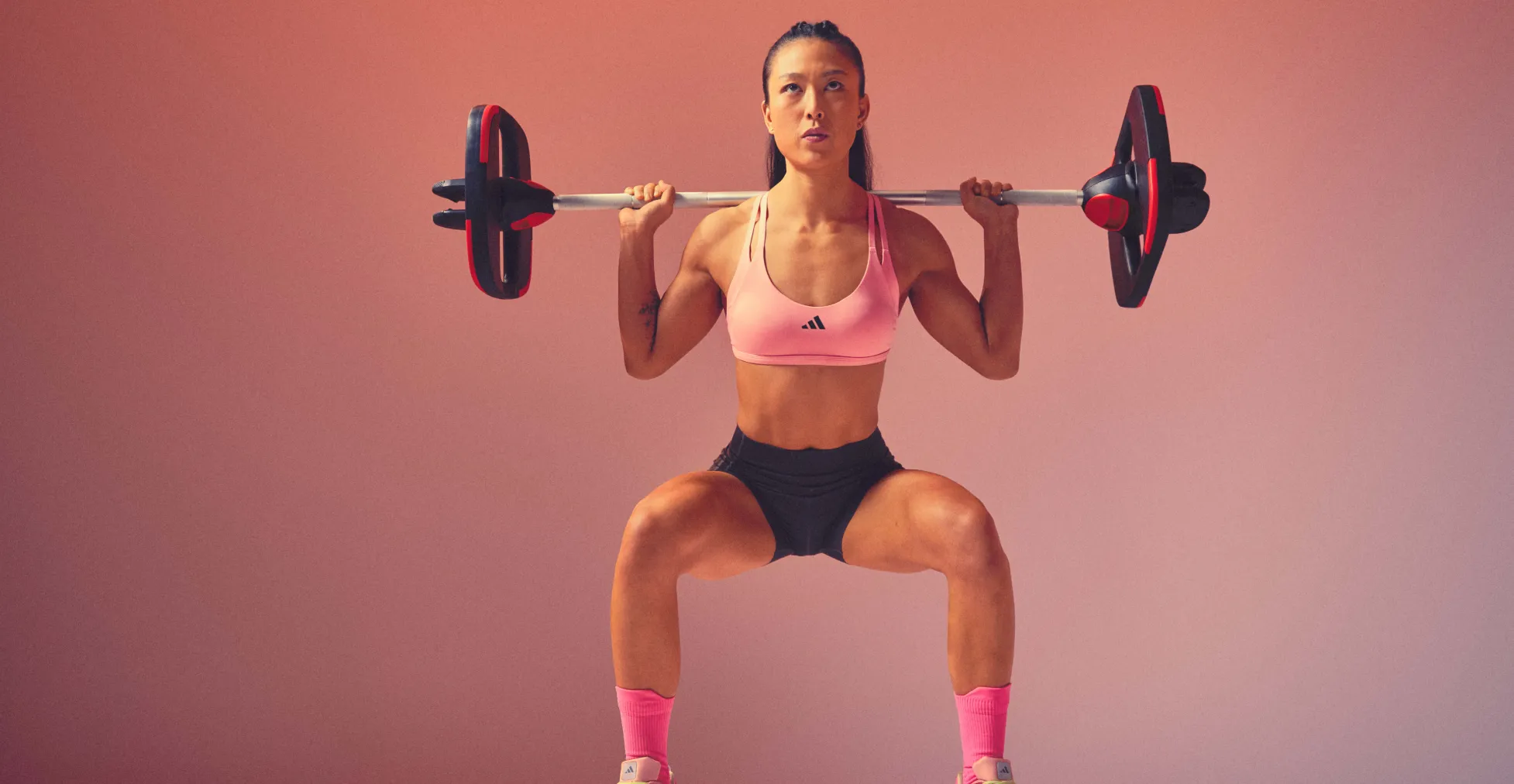
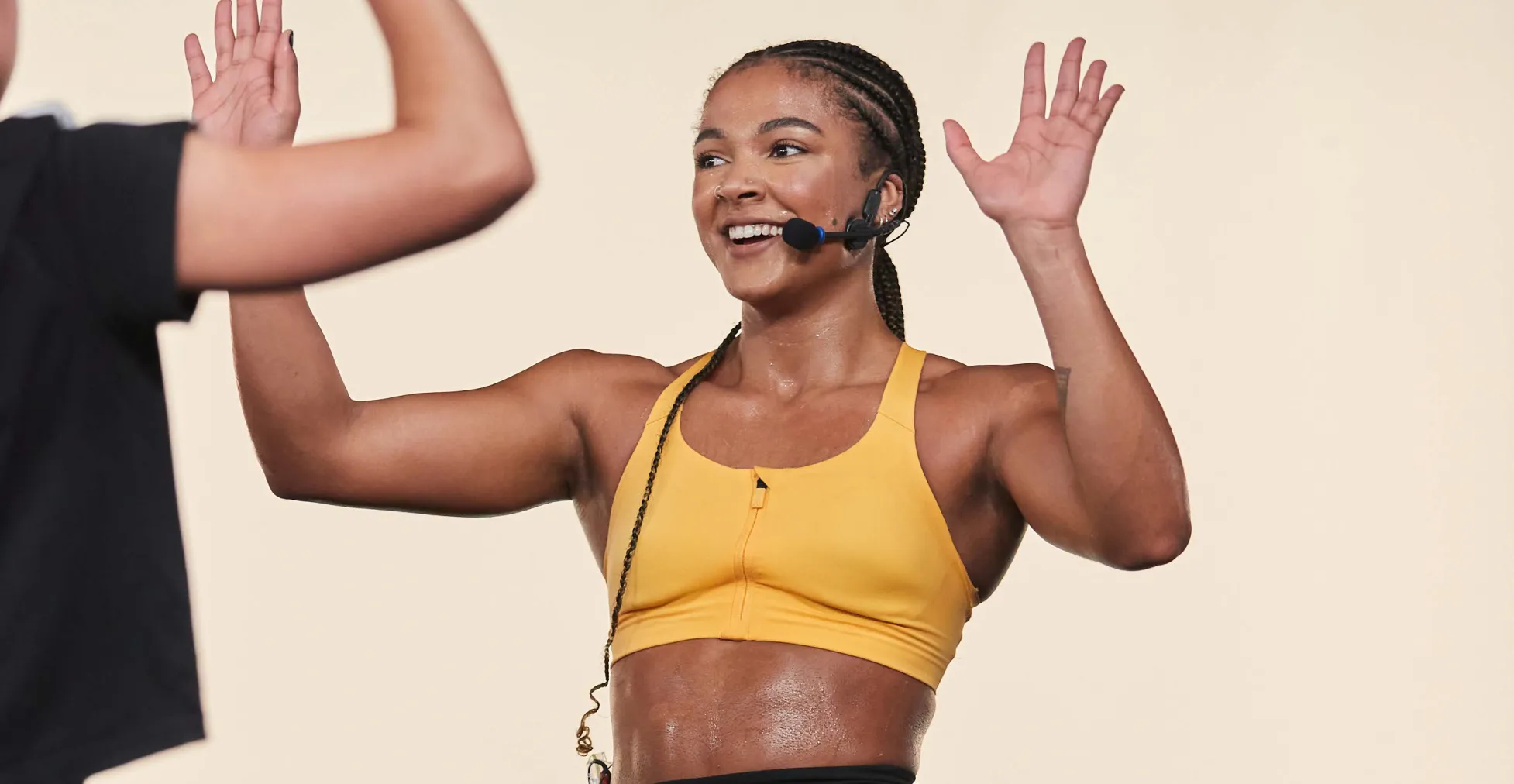
Erin Maw is a Les Mills Trainer who proudly represents strong, athletic women and wants to show others that they shouldn't be intimidated by strength training. “Women need strength training. As we get older, we reduce our ability to build and retain muscle, so strength training is absolutely essential.” Erin says.
And it’s not just about physical strength. “The best part of lifting heavy weights is the feeling that comes with it. That sense of achievement. I love knowing and seeing, that I’m getting stronger. Cardio is great when you want to feel fit and energized. But building strength leaves you feeling fierce, powerful, and capable.”
Will strength training make me bulky?
“I know some women have a misconception that strength training will make them look bulky,” Erin explains, “It won’t.”
“When people have extreme gains and look remarkably muscly, it’s because they choose that result and combine a number of factors: nutrition, supplements and really specific, strategic training.” Erin says if you choose a well-crafted strength workout like BODYPUMP or LES MILLS STRENGTH DEVELOPMENT it will make you strong, it will make you powerful, but the workouts alone won’t build a bulky body.
Explore the best strength training options.

How BODYPUMP paved the way for stronger women
Forty years ago, lifting weights was the domain of bulked-up bodybuilders and testosterone-pumped gym goers. Back then, jumping through a jazzercise class was the women’s exercise option du jour – chances are most females never thought twice about bicep curls or bench presses. Then BODYPUMP™ hit the scene.
In the 1980s, the aerobics movement was in full swing. All over the globe, group aerobics classes were proving to be a hit; it was clear that people loved beingable to work out in a social setting with music pumping.
In those early days of group fitness, most aerobics classes featured quite a lot of complicated dance movements, recalls Phillip Mills, Founder of Les Mills International.“If you were a woman who’d grown up doing ballet, then you would love it. But if you hadn't, it was very complex, and as a result, an awful lot of people found the classes intimidating.”
Phillip, who had taken over running his parents’ Auckland gym, knew that the combination of group exercise and music was where it was at, but he wanted to offer something more functional and athletic than the stereotypical “leotards and leg warmers” class. So a simple dumbbell class was born. When its popularity took off, Phillip and his wife Jackie, a former New Zealand athlete and gymnast, transformed the popular workout into a barbell class – a more efficient way to deliver all the benefits of strength training. This was the beginning of BODYPUMP.
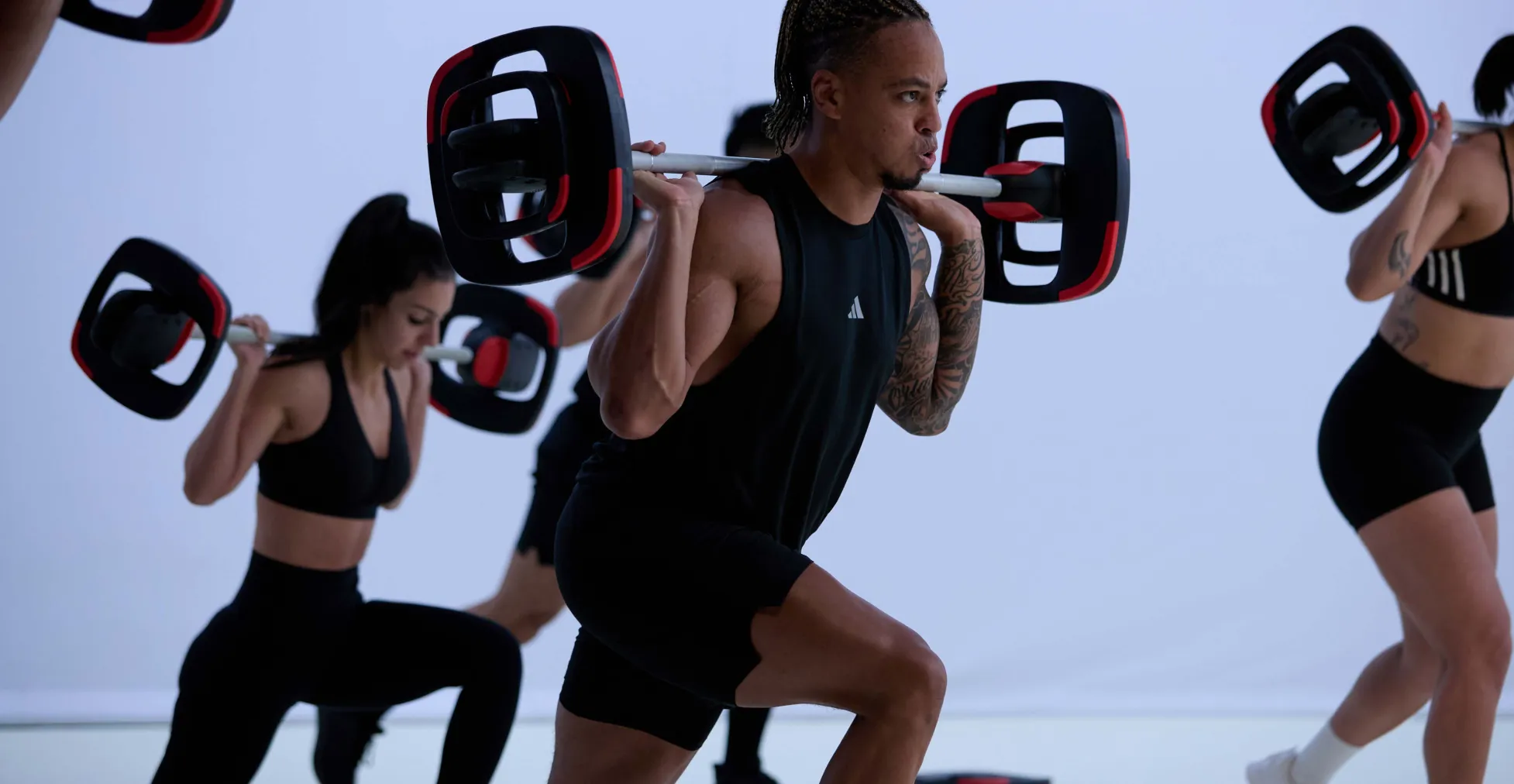
Combining very basic exercises such as squats, deadlifts and bench presses, BODYPUMP quickly proved to be a workout for the masses. Not only was it simple enough for anyone to do, it also provided real results – getting you strong, lean and toned, fast.
“We naively thought we were launching this class to help bring more men into the studio,” says Phillip. “It did attract more men, but what really surprised us was that it became just overwhelmingly popular with women.
“It probably coincided with the rise of feminism,” he suspects. Women wanted to become stronger and empowered in all areas of society. Health-conscious women no longer exercised simply to be slim and lose weight, they wanted to be strong as well. “All of a sudden, strong became the new skinny,” he says.
When the BODYPUMP phenomenon went global, Perth-based Instructor Kylie Gates was quick to jump on board. Having been an athlete prior to getting into aerobics instruction, she was one of the few women already sold on the benefits of strength training, and she loved the idea of empowering other women to lift weights. “There had always been a stigma out there about weight lifting. A lot of women think you're going to get lots of big muscles if you lift weights, but with a program like BODYPUMP, you don’t get big and bulky, you just get toned and shaped.”
In those early days, coaxing women into strength training took a bit of work, but once they tried it, there was no going back. Kylie says it didn’t take long for them to see the results, and soon her regular mid-morning “moms’ classes” were packed. “People can get addicted very quickly – they end up doing group fitness every day, BODYPUMP three times a week. As a result, their bodies change remarkably.” Kylie, who is now a BODYPUMP Creative, believes it’s this constant physical change, paired with great music and a social element, that keeps women coming back for more.
Of course, BODYPUMP is by no means exclusively for women. According to Kylie, BODYPUMP brought a lot of men back into the group fitness studio, and that created a whole new dynamic as well. “Women were like,‘Oh, there are all these guys exercising’, and it was clear they liked working out alongside the men.” That is one of the coolest things that happened, says Kylie. “BODYPUMP broke down barriers. It introduced women to strength training and got more men into the studio. Basically, it transformed the way people exercise.”
Today, strength training continues to evolve. Workouts like LES MILLS STRENGTH DEVELOPMENT™ and BODYPUMP HEAVY™ are just two of the many new ways women can get strong.


Fit Planet
Exercise for mental health: What the research says about feeling happier, healthier, and more resilient
Fit Planet
How to become a group fitness Instructor: A step-by-step guide
Fit Planet
Why music makes exercise feel easier, more enjoyable, and more effective
Fit Planet
Are you eating enough to support your workouts? 7 signs you're under-fueling your training
Fit Planet
10 signs you'd make a great group fitness Instructor
Fit Planet
Does exercise help you lose weight? What the science really says
Fit Planet
How much strength training do you need to live longer? Scientists say 90-120 minutes per week
Fit Planet
Should you change your workouts based on your menstrual cycle?
Fit Planet
When is the best time to exercise? Morning vs evening workouts explained
Fit Planet
What is CEREMONY HYROX? A complete guide to the new Les Mills x HYROX workouts
Fit Planet