10 signs you'd make a great group fitness Instructor
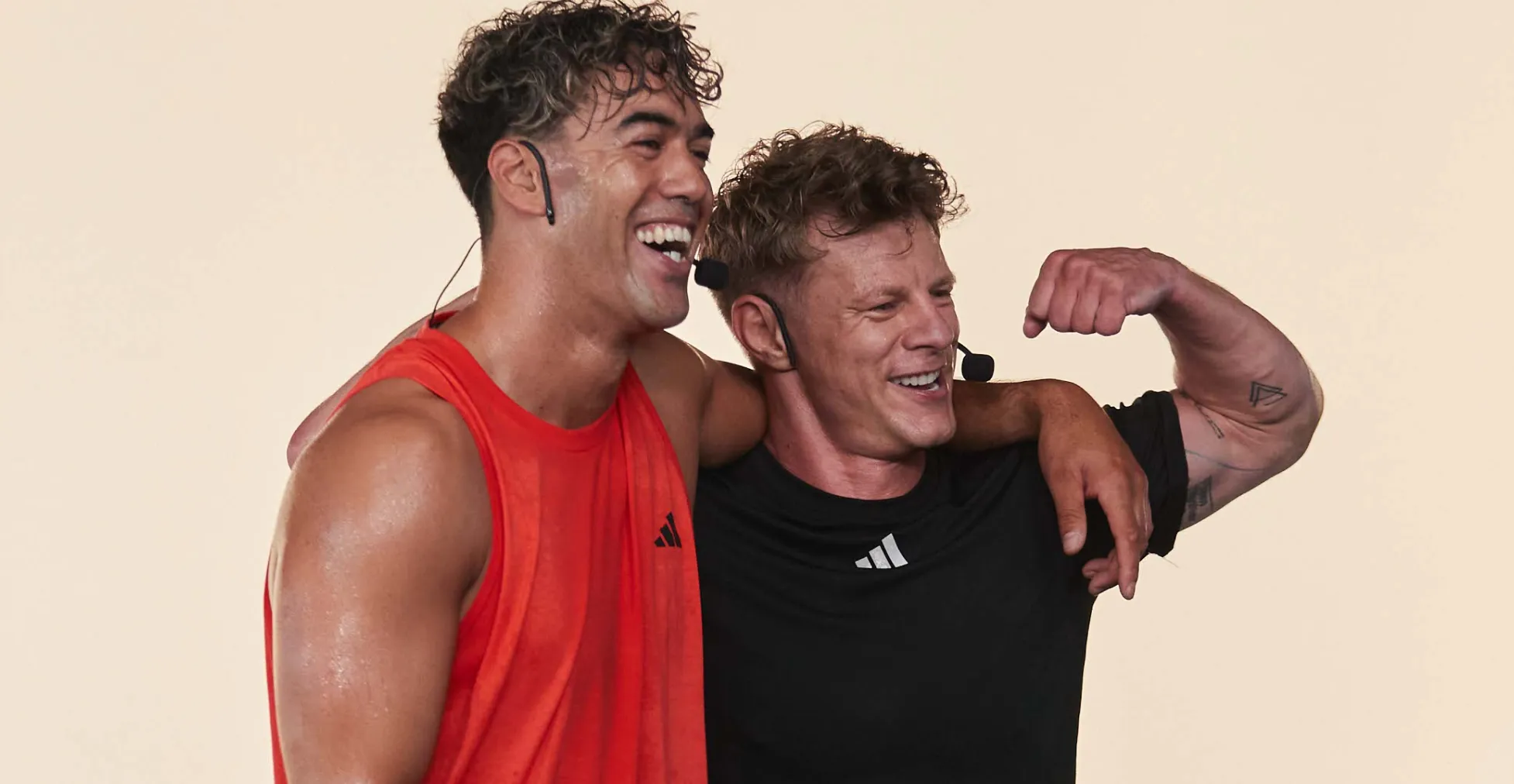
Have you ever walked out of a fitness class and thought, “Could I see myself leading that?” If so, group fitness instruction could be your calling.
What makes a good group fitness Instructor?
Great group fitness Instructors combine enthusiasm for fitness with communication, leadership, adaptability, and a genuine desire to help others succeed. While fitness knowledge is important, qualities such as coaching ability, confidence, relationship-building, and motivational skills can be just as valuable. There’s no must-have skillset, just a passion to help others feel their best.
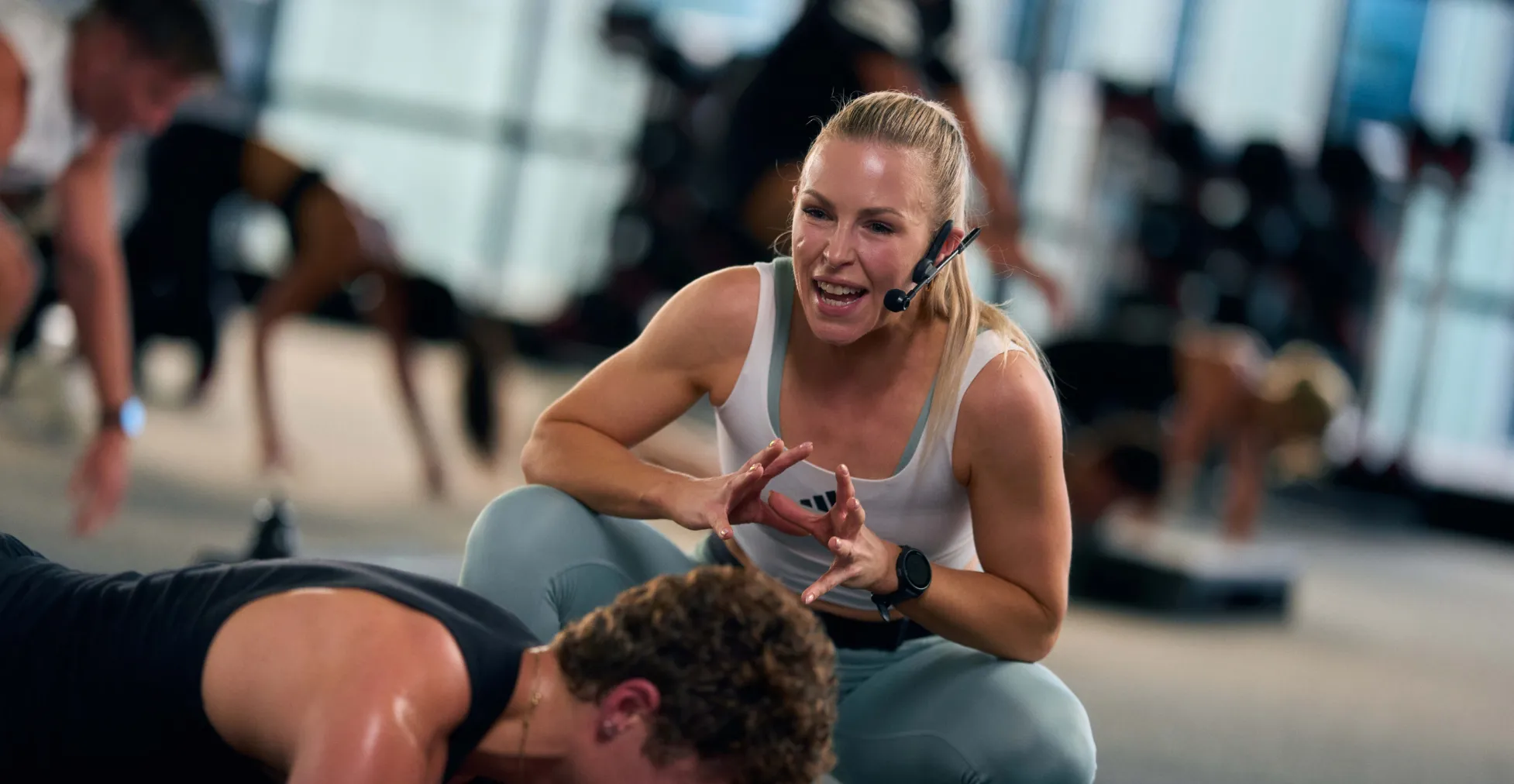
The good news is that becoming a group fitness Instructor isn’t reserved for elite athletes, fitness models, or lifelong gym enthusiasts. While a genuine interest in exercise and helping people move well is important, you don’t need to be the fittest person in the room to be an exceptional Instructor.
In fact, many successful Instructors start with just one or two standout strengths. Maybe you’re a natural motivator. Perhaps you have a background in dance, teaching, coaching, or performing. Maybe people simply trust you and enjoy being around you. Those qualities often matter far more than being able to power through burpees or hit an impressive squat.
Phillip Mills, Les Mills CEO and Founder, has worked with thousands of the world’s best Instructors and recognizes successful Instructors have different strengths in different areas. “Being a great Instructor relies not only on technical knowledge, but also enthusiasm, and an ability to perform to a crowd, to motivate, and to inspire others with their passion.” He adds that while some of these skills are innate; most can be built up over time.
Signs you'd make a great group fitness Instructor
- You love group fitness
- You move confidently
- You enjoy leading people
- You communicate clearly
- You motivate others
- You build relationships easily
- You adapt well
- You enjoy learning
- You lead with confidence
- You care about helping others
You don't need to tick every box on this list. If you recognize yourself in even one or two of these signs, group fitness instruction could be a path worth exploring. Comprehensive Instructor training is designed to teach the technical skills, coaching methods, and class delivery techniques needed to succeed. You’ll develop new strengths – both physically and mentally – build confidence, and turn existing talents into skills that inspire others.
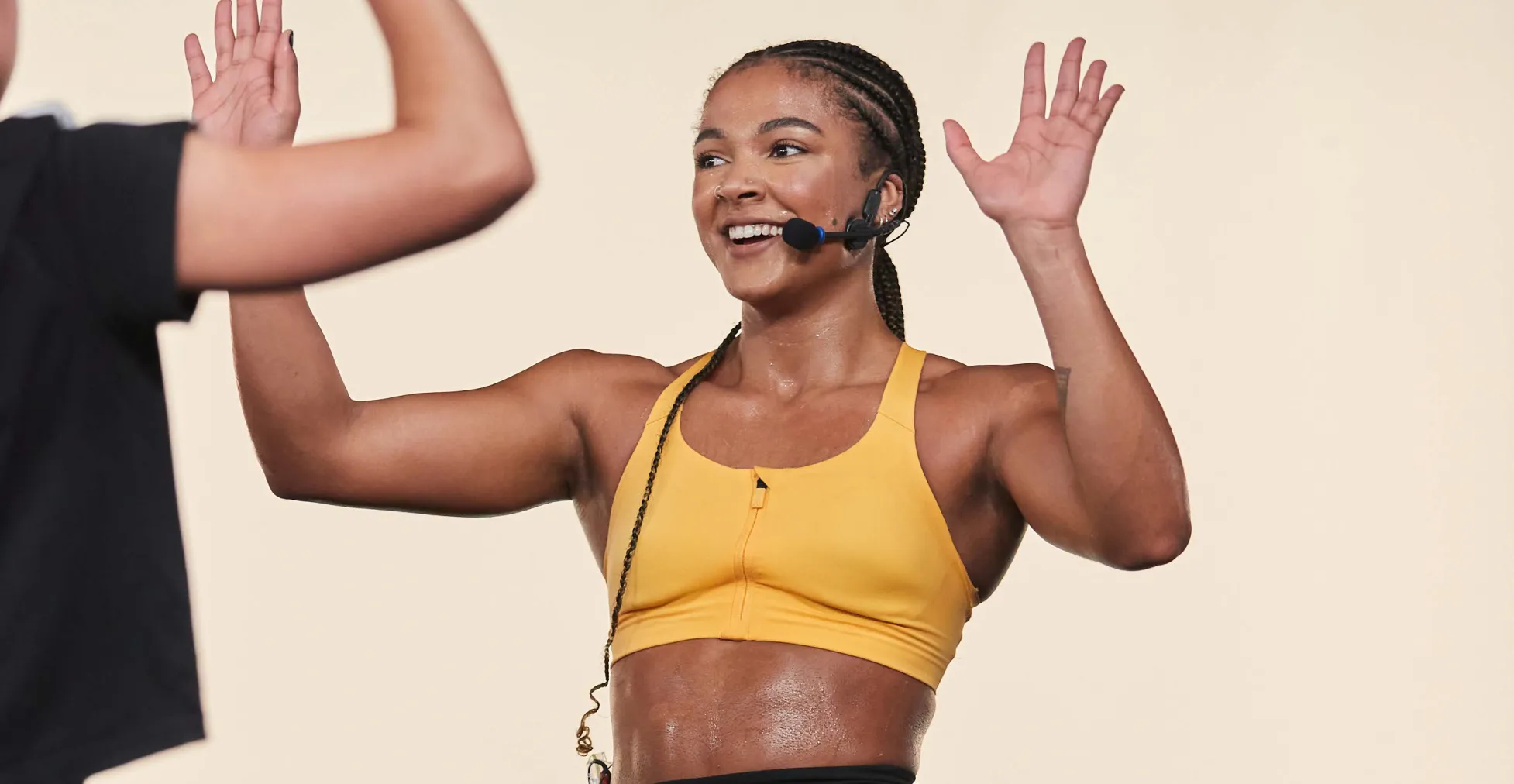
Here are 10 signs you may already have the foundations of a great group fitness Instructor. If at least one of these applies to you, then you’re well on your way.
1. You have a passion for group fitness
You know first-hand how powerful the perfect combo of music, movement and motivating guidance can be. You’re front and center at your favorite classes, and you thrive on the energy and good vibes.
The idea of going deeper into your favorite programs excites you. You want to understand how and why different exercises work, and what makes a great class feel so effective.
Making the transition from participant to Instructor means you’ll learn the science behind each workout, including why it is structured the way it is, the benefits of different moves, and how to help people get the most from every class. You’ll still get to enjoy your favorite workouts, but you’ll be inspiring others and getting paid while you do it.
2. Movement comes naturally to you
Perhaps you've spent years dancing, competing in gymnastics, practicing martial arts, or playing sport. Phillip Mills says: “Many of the best Instructors come from dance, gymnastics and other sports involving technical perfection and coordination.”
This is often because the coordination, rhythm, body awareness, and movement quality help Instructors demonstrate exercises clearly and confidently.
“Teachers who move beautifully are inspirational and easy to follow,” adds Mills. Participants are more likely to follow instructions when they can easily see and understand what they're being asked to do. Strong movement skills can make teaching feel more intuitive from day one.
3. You like being in front of a crowd
Standing in front of a room full of people sounds intimidating to some. Others find it exciting.
If you've been involved in theater, dance, music, public speaking, or any activity where you're comfortable performing or presenting, those experiences can translate remarkably well into group fitness instruction.
The best Instructors know how to hold attention, create excitement, and bring energy to a room. Mills says: “Some people are naturally gifted and born with the X-factor, while others develop it over time.” Either way, experience on the stage, in theater, dance, or music, plus a willingness to step forward and lead, is a great starting point.
4. You enjoy coaching or guiding others
Think about how you feel when someone asks for your help. Do you enjoy sharing knowledge? Explaining concepts? Helping people improve?
People attend classes not just for exercise, but for guidance and support along the way.
"People love intelligent instruction on the what, why, and how of exercise,” explains Mills. Great group fitness Instructors are teachers at heart. Whether you're a coach, personal trainer, school teacher, dance teacher, mentor, or simply someone who enjoys helping others learn, those skills are highly transferable.
You don’t need all the expertise, just the willingness to coach. During Les Mills Instructor training, you’re supported with layered coaching cues so you can teach best-practice technique with clarity, motivation, and confidence.
5. People naturally look to you for energy and encouragement
Every friend group seems to have that person who lifts the mood, rallies people together, and makes everyone feel more positive.
In a group fitness setting, that energy is powerful. Participants remember how an Instructor made them feel long after they've forgotten the workout itself. The ability to encourage, energize, and create a positive atmosphere can transform a good class into a great one.
If people naturally turn to you for motivation, you may already possess one of the most valuable qualities an Instructor can have.
6. You build relationships easily
Some Instructors consistently fill classes because participants genuinely enjoy spending time with them. They remember names. They ask questions. They celebrate milestones. They create a sense of community.
Technical knowledge is important, but people rarely stay loyal to a class because of programming alone. Connection matters. If you're someone who enjoys getting to know people and helping them feel included, you'll already understand one of the most important elements of long-term success.
7. You have strong communication skills
Giving clear instructions sounds simple, but it's one of the most important skills in the role.
Participants need to understand what to do, when to do it, and how to do it safely. Great Instructors communicate clearly, adapt their coaching style to different people, and explain concepts in a way that's easy to understand.
Whether you've developed those skills through teaching, customer service, leadership roles, coaching, or community work, they can serve you well as an Instructor.
8. You're confident, but open to learning
Confidence helps you lead a room. Humility helps you keep improving. The strongest Instructors combine both. They're comfortable taking charge while remaining open to feedback, education, and new ideas. They understand that expertise isn't a destination; it's an ongoing process.
If you're willing to learn, grow, and refine your craft, you'll already have a mindset that supports long-term success.
9. You're an adaptable leader
No two classes are exactly alike. Energy levels vary. Fitness levels vary. Sometimes the vibes are just different.
The best Instructors are people who can adjust their coaching while ensuring everyone feels included and challenged at the right level. If you're comfortable thinking on your feet and adapting to different situations, you'll be well equipped for the realities of teaching group fitness.
Sometimes you’ll lead in a way that's high energy and commanding. Other times you might guide in a calmer way that’s more encouraging and steady. If you've successfully led teams, projects, sports groups, or community initiatives, you may already have talents that can set the tone, create structure, and guide participants with confidence and clarity.
10. You're passionate about helping others feel their best
At its core, group fitness is about people.
Fitness journeys are rarely straightforward. Participants arrive with different goals, experiences, confidence levels, and challenges. Some people are returning after injury. Others are exercising for the first time in years.
The Instructors people connect best with aren't necessarily the strongest, fastest, or most technically perfect. They're the ones who genuinely care about helping others become healthier, happier, and more confident. That passion shows up in every interaction, from welcoming someone on their first day, to encouraging a regular participant who feels like giving up.
Annica Stråka is an Instructor Recruitment specialist at Gymkampen in Finland and says a commitment to the member experience is key. “Good Instructors are there for the members: they have to be driven by giving every single member the best feeling ever while they’re in the class. It’s about kindness, charisma, positive energy.”
Dana Monson, National Group Exercise Director at VillaSport, US agrees. “The key is having a heart for people, simple as that.”
If helping people do more than they thought possible gives you a genuine sense of fulfilment, group fitness instruction may be a natural fit.
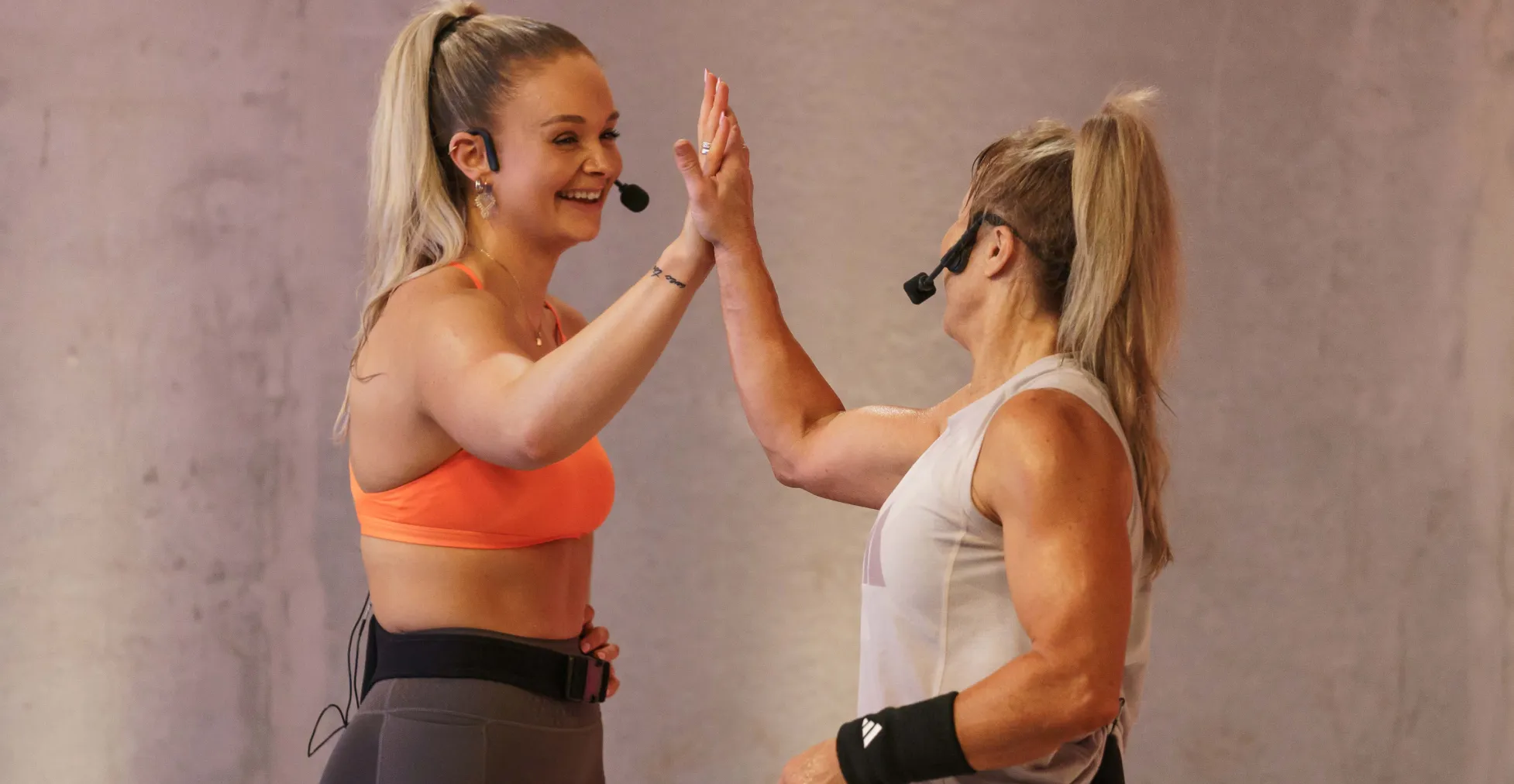
Ready to take the next step?
If you've seen yourself in even a couple of these signs, you may already have the foundation to become a successful group fitness Instructor. Instructor training can help you develop the technical skills, confidence, and coaching techniques needed to lead classes and inspire others.
Explore Les Mills Instructor Training and discover where your fitness journey could take you.
Frequently asked questions
Can anyone become a group fitness Instructor?
Yes, anyone can do Les Mills Instructor Training. Most successful group fitness Instructors start with a passion for fitness and people. The training provides skills around five class delivery fundamentals: choreography, technique, coaching, connection, and performance.
Do you need to be extremely fit to become a group fitness Instructor?
No. While Instructors need a good understanding of movement and exercise, communication, motivation, and leadership skills are equally important.
Do you need a sporting or dance background to become a group fitness Instructor?
No, but experience in dance, sport, martial arts, or gymnastics can help develop body awareness and coordination, which are valuable teaching skills.
What qualities make a great group fitness Instructor?
Great Instructors are enthusiastic, adaptable, confident communicators who enjoy helping others improve their health and fitness. The most important quality is a genuine desire to help others feel their best.
How do I become a Les Mills Instructor?
Most people start by attending LES MILLS™ classes regularly and then completing the Les Mills Instructor Training in the program they wish to teach. You can learn more about the Instructor training journey here.
What training is provided for group fitness Instructors?
Les Mills Instructor Training can be done either in-person or online over 1 -2 days. This in-depth initial training covers the following class delivery fundamentals: choreography, technique, coaching, connection, and performance. Instructors are provided with additional educational sessions every three months, and there is the opportunity to undergo advanced Instructor training.
More about the author
Emma Hogan
Emma is a health and fitness writer with 20 years of experience creating evidence-based features that bridge the gap between scientific research and real-world application. Based in New Zealand, she works with global exercise scientists, physiotherapists, and internationally recognized fitness experts to uncover the latest insights in health, fitness, and human performance.
Known for making complex topics accessible and engaging, Emma writes on everything from strength training and recovery to motivation, behavior change, and lifelong wellbeing. Her work helps readers navigate an increasingly crowded health landscape and make informed choices grounded in credible research rather than trends or misinformation.

Fit Planet
Home exercise hacks: The tips home exercisers swear by
Fit Planet
Why exercise fights depression: scientists uncover how muscles talk to the brain
Fit Planet
How to become a group fitness Instructor: A step-by-step guide
Fit Planet
Why music makes exercise feel easier, more enjoyable, and more effective
Fit Planet
10 signs you'd make a great group fitness Instructor
Fit Planet
Does exercise help you lose weight? What the science really says
Fit Planet
When is the best time to exercise? Morning vs evening workouts explained
Fit Planet
What is CEREMONY HYROX? A complete guide to the new Les Mills x HYROX workouts
Fit Planet
Can teaching group fitness fit around your day job?
Fit Planet
Reformer meets rhythm: Inside LES MILLS REFORMER
Fit Planet