A prescription for active living: How LES MILLS THRIVE is helping communities return to fitness
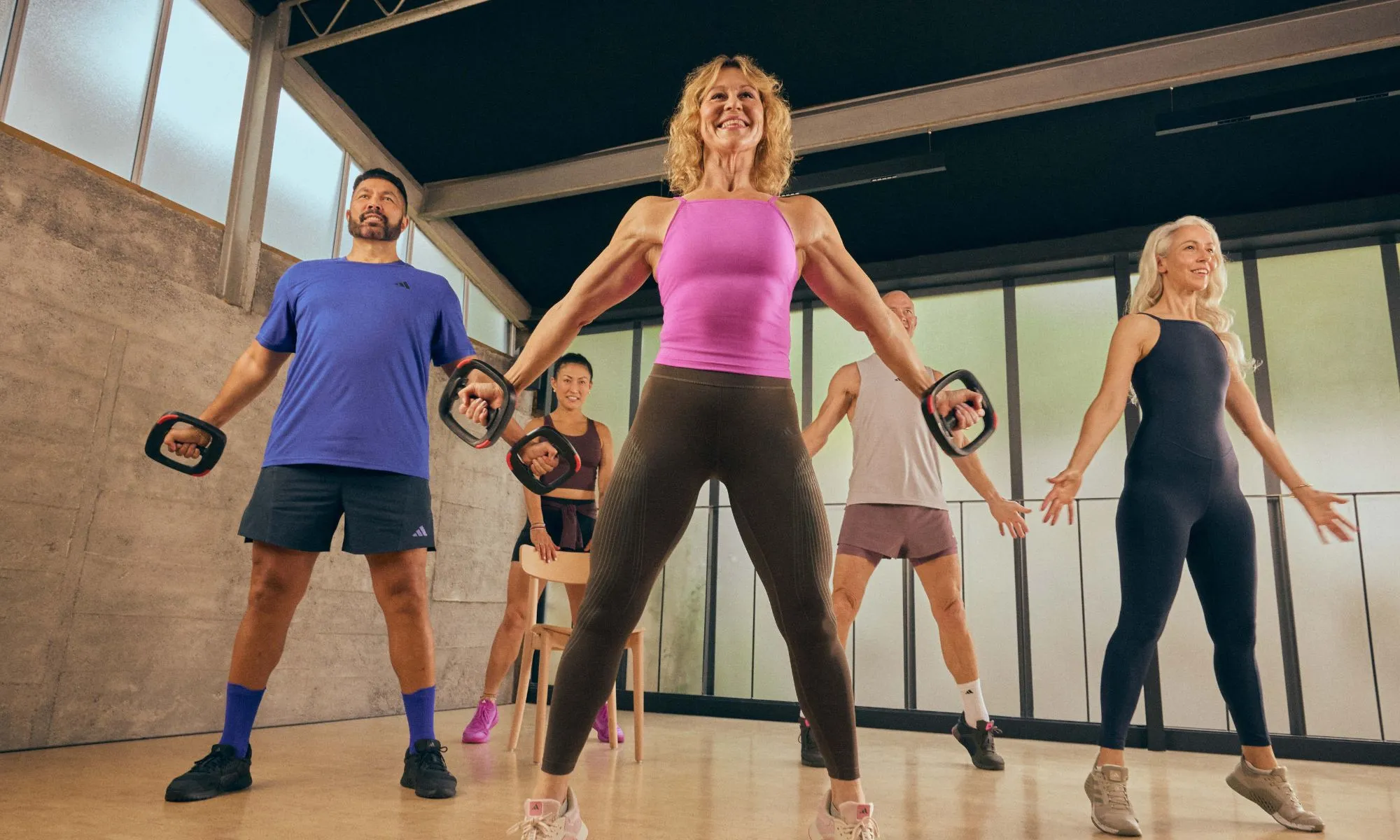
Wigan Council’s Be Well initiative is redefining the journey from healthcare to fitness. Danielle Gregory shares how LES MILLS THRIVE™ is helping people return to exercise safely, build confidence, and embrace an active lifestyle – while driving demand and community engagement across seven UK sites.
Tell us about your role, Danielle.
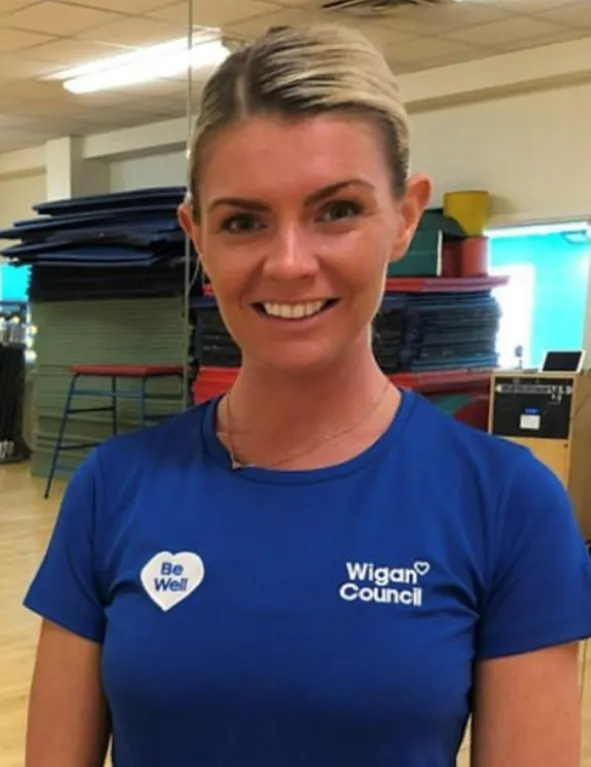
Danielle Gregory (DG): I’m a group exercise coordinator at Be Well across seven sites, collaborating with wellbeing staff who work strategically in facilities and the community. I come from a background of working with weight management health teams.
Can you explain what Be Well is?
DG: Be Well is a Wigan Council initiative that provides residents and communities with support to lead healthy lives, through accessible health and wellbeing programs. Our teams focus on active ageing, weight management, helping people return to exercise, and ensuring accessible services for those with long-term conditions.
We’re working to close the gap between healthcare and leisure facilities, making it easier for people with health conditions to return to exercise safely and confidently. People often join a leisure facility for high-intensity workouts and there’s less of a focus on funneling participants from health programs back to exercise.
Why is it important to make the distinction?
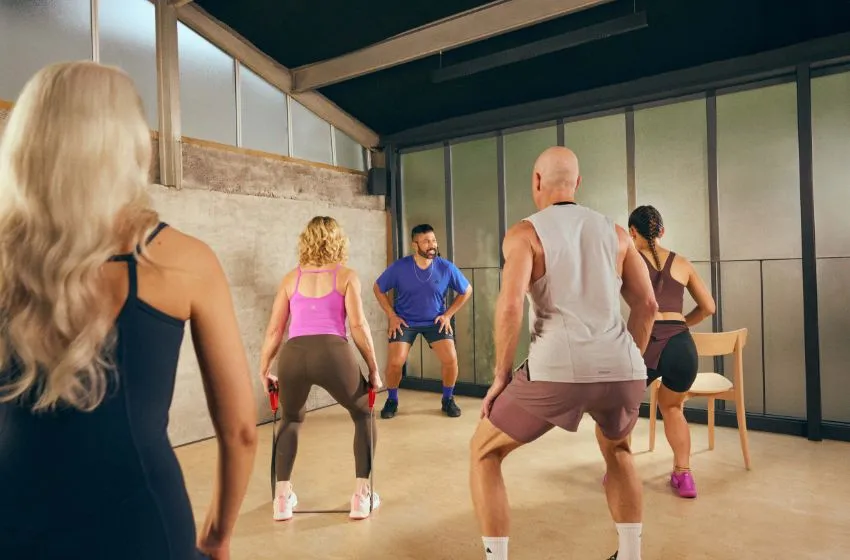
DG: Transitioning from a health program to a gym membership needs to be carefully managed to suit the needs of the person returning to an active lifestyle. Just like any new member, it’s key to identify the workouts that will suit them best and ensure exercise adherence, be that through circuits, a dance class, or strength. The key is to manage intensity and start slowly in a way that doesn’t feel overwhelming. That’s why we’ve found LES MILLS THRIVE to be so successful.
Some of our participants are coming from injury rehabilitation, recovering from cardiac conditions or even pre- and post-cancer care. Going straight into a high-intensity class isn’t appropriate for that group, so we're trying to bridge that gap. Traditionally, there hasn’t been much crossover between the healthcare teams and leisure centers, so it’s very exciting for us to be able to work together under the umbrella of a program that supports the needs of these communities.
How has THRIVE supported people returning to exercise?
DG: It’s been transformational for our communities. We've had a lot of people who have completed the THRIVE program and are now becoming members, transitioning into the full gym experience. They’re trying new things because they’ve found a workout that they're comfortable with and can now do regularly – sometimes 2-3 times a week. THRIVE has been really helpful for us to create the pathway into exercise. The way the class is structured builds confidence and empowers participants to see an active lifestyle as an attainable goal.

How has THRIVE broadened the Be Well offering?
DG: Previously, participants coming from the community services would come to my freestyle group exercise class because they weren’t confident in the gym. They’d find the idea of lifting weights scary. Having THRIVE has allowed me to start them on that journey safely. If you’re coming out of a long period of inactivity and someone asks you to lift a weight, that’s really scary!
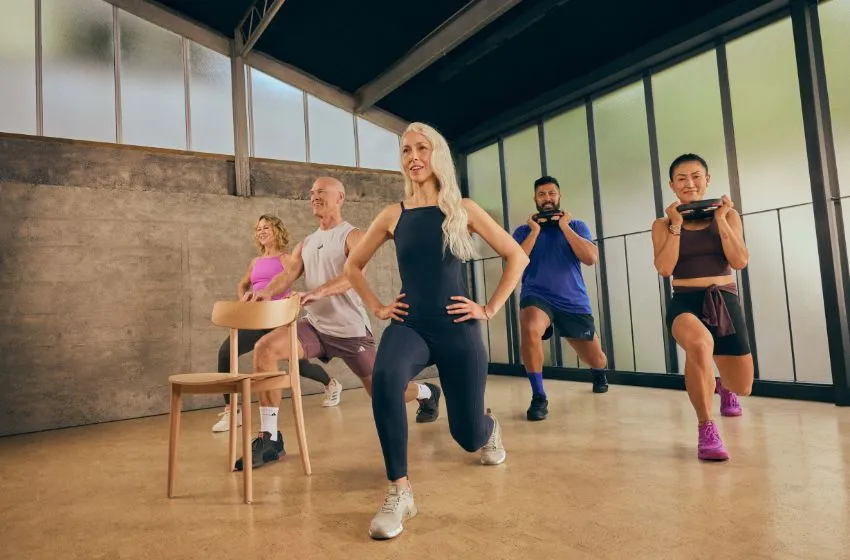
The accessible nature of THRIVE means it’s making things like lifting weights possible, which is amazing. One of my participants has MS. Watching her grow and flourish has been brilliant. It’s meeting the needs of so many demographics and ticking the boxes to make exercise possible, because there are three different modifications available. That means someone with a walking stick can come and do THRIVE, but someone further along their rehab journey is also going to get the benefit. It’s hitting so many different age and ability ranges.
Who else have you seen benefit from THRIVE?
DG: Something unexpected about THRIVE is how we’ve used it to get young people back into movement. We’re helping those who have a little bit of low self-esteem to feel confident and comfortable in the studio environment. We’re removing the perception that exercise is something they’ll struggle with.
Which tactics work best for people returning to exercise?
DG: Start them easy and move them on when the time is right. Give them lots of options and let them know that if they feel comfortable to progress to the next modification the following week, that's brilliant. And if not, just keep on giving it a try. I also try and face away from the mirrors as much as possible, which I think helps for nervous participants by relieving the fear of being watched. It’s attracted such a wide audience. I've got a mum and daughter who come together who were on the weight management program and there’s a little friendly competition between them as well as the support that keeps each other going. And everyone in the class spurs each other on – the camaraderie of the group environment is great.
What are the operational goals for this workout?
DG: Ultimately, we want to drive acquisition by getting participants onto the standardized group training timetable. A lot of our health programs are closed programs – they’re limited runs and funded – at the end they have to find something that keeps them motivated afterwards.
It’s been more popular than we could have imagined. We trained up several Instructors, but I still don’t have enough! There’s demand whenever it’s on the timetable – we've got some obscure times like 12:30pm on a Saturday, which isn’t the most popular time for a class, but it's a full class.
What trends have you seen with THRIVE classes?
DG: THRIVE is mostly timetabled and attended in the daytime. It’s timetabled at six sites once a week, and one site is fortunate enough to have it twice a week. We’ve seen exciting things happen with our evening slots, because attendees will give more things a try at that time of day. They'll do THRIVE and then they might stay and try the next class, whereas daytime participants specifically come in for that class.
When we launched, we set 12 as the capacity but demand was too high, so we increased it to 15, and now it's at 20. The studio capacity is 20, but we’ve had so much interest. And there's a massive waiting list, which is why I need to get more Instructors trained because we want to put it on more than once a week.
How have you promoted the class?
DG: We used the LES MILLS video marketing assets and shared a taster video on the Be Well YouTube channel, and our teams have been instrumental in spreading the word.
Front of house are some of the most important people on a members’ journey, because they can capture you or put you off straight away. Our reception really sells it for us. I make sure their knowledge of our timetable is as strong as mine or our Instructors. If you don't know how to describe the class, how can you recommend it?
It’s also educating the health teams by incorporating the work they do so participants leave with an exercise prescription at the end of the 12-week courses. It’s as simple as a friendly email or text reminding them that there’s something they can try.
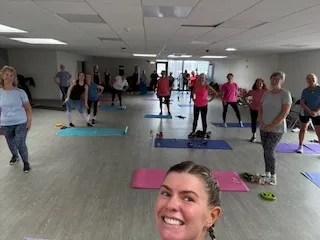
We also had the social media team create videos from each site, pulling back the curtain so potential participants feel reassured about the environment. Something simple like an Instructor selfie with the class in the background, pushed out to all the Be Well social media channels.
Are there particular qualities you look for in THRIVE Instructors?
DG: All Instructors need to be great motivators, but for THRIVE it’s important to be empathetic to the capability of people in the class. Our Instructors focus on making their experience as kind as possible and each of the modifications are well-led and explained. It’s about ensuring people feel confident and it doesn't matter what option they’re doing, we're here and we're thriving together.
There are a few people in my mind to get trained up because I know they've got those warm, encouraging, motivational qualities.
How do you use group exercise in general across the estate?
DG: Group exercise is the foundation of community for our members. For new joiners and existing ones, that social aspect is crucial for so many different groups of people. We’re using group exercise to target our young members. We've got a lot of younger people on the gym floor, which is amazing, so trying to get them into group exercise is our next strategy.
The more people we've got coming to classes, the longer they stay, the better our retention, and that’s why I’m trying to create more options within our timetable, especially around short changeover gaps. Some of our members who are returning to exercise from the health programs find their safe place is the studio. They’re reluctant to try the gym, so I want to encourage Instructors to get new members to use those brief spells in between classes to build confidence in the gym. It’s as simple as saying, “You've got 15 minutes, don't just sit down, go and have fun in the gym. Carry on spinning those legs and keep moving because you're coming back in 15 minutes for your next class.”
Some of our group exercise attendees are standout advocates! Whether they’re on the gym floor, the pool or whatever it might be, they’re telling people: “You need to come and try this class!” It’s all part of the retention piece.
WANT INSIGHTS THAT SUPPORT YOUR CLUB TO GROW?
More about the author
Jo Bryce
Jo is a content specialist focused on the global fitness industry. Her role (as Global B2B Content Manager) at Les Mills brings the latest fitness and wellness developments to life, translating research, trends and real-world operator experiences into practical strategies that help fitness businesses navigate a rapidly evolving market.
As a writer, Jo has worked across a range of sectors spanning broadcast, technology and fitness, developing content for both consumer and business audiences. She holds a Master's degree in English Literature and enjoys running and boxing.

Clubs and Facilities
Four key fitness findings operators need to know in 2026

Clubs and Facilities
How do you know your timetable is working?
Clubs and Facilities
Five things we learned at FIT BUSINESS LIVE BARCELONA

Clubs and Facilities
The simple gym design principle that powers profitability

Clubs and Facilities
What are the Best Group Training Classes to Attract New Gym Members?

Clubs and Facilities
5 best practices for building lasting member loyalty

Clubs and Facilities
Video: How Nuffield Health increased group fitness attendance by 20% with LES MILLS REFORMER

Clubs and Facilities
Why group fitness is a retention driver for gyms and health clubs

Clubs and Facilities
The music-led Reformer experience turning boutique fans into big box converts
Clubs and Facilities
Community holds the key to continued club growth
Clubs and Facilities
What is LES MILLS REFORMER™? All you need to know about the workout redefining Pilates

Clubs and Facilities