BODYPUMP and bone density study
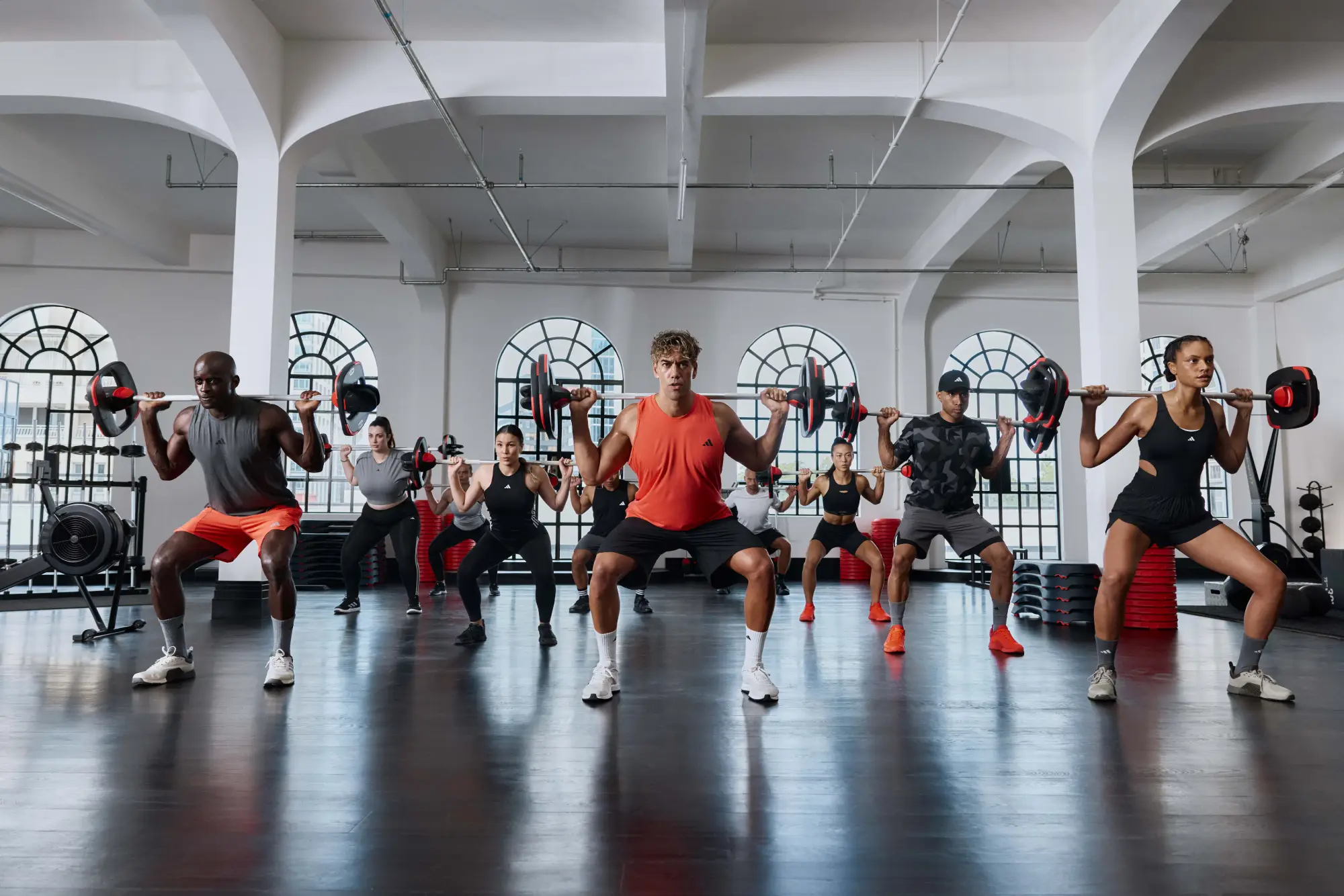
27 weeks of BODYPUMP led to an increase in bone mineral density which is associated with the reduced risk of osteoporosis
Introduction
It has been predicted that by the year 2020, osteoporosis will afflict 14 million people in the over-50 population, with another 47 million likely to suffer from low bone mass.
Resistance training is prescribed to maintain and increase bone mass. Historically, the prescription has been to lift heavy loads for low repetitions and past research has provided no clear evidence as to whether a low-load, high-repetition program such as BODYPUMP™ would increase bone density.
Method
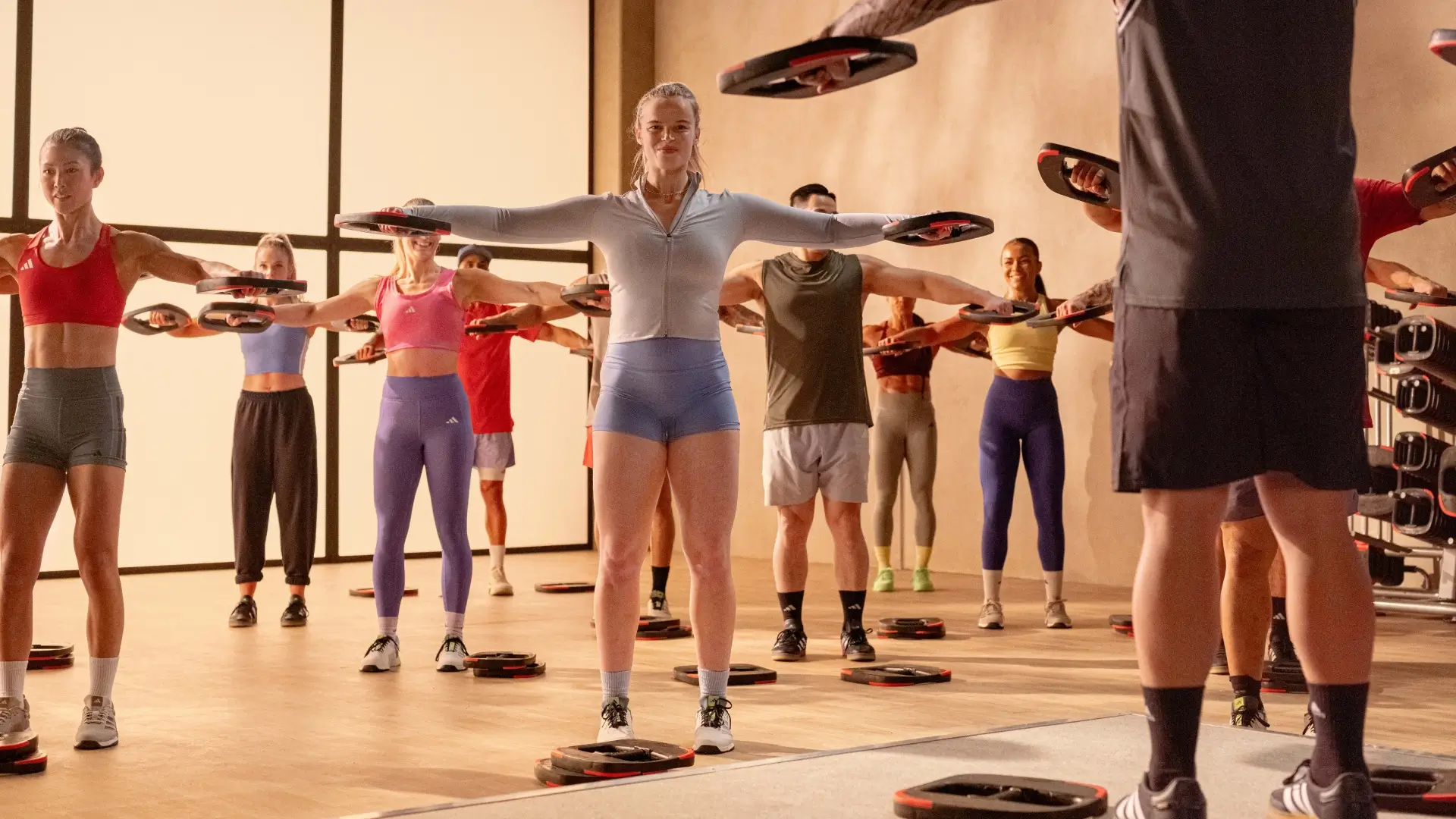
For this study 20 adults aged 28 - 63 years completed 27 weeks of LES MILLS™ classes. They were randomly divided into two groups: a strength training group participated in BODYPUMP and a core training group participated in BODYBALANCE™/BODYFLOW®. Both groups also participated in RPM™.
Results
The BODYPUMP group saw increases in bone mineral density in their arm by 4%, leg by 8%, pelvis by 7% and spine by 3%.
Particularly impressive was their gains in squat strength: 25.3% greater than that of the core strength group; increasing the squat weight was correlated with increases in bone mineral density.
Participants in the study who had osteopenia increased bone density at the hip and pelvis by 29% while post-menopausal women saw a 22% increase in the same region. Improving bone density in both the pelvis and legs is thought to help prevent potentially fatal fractures of the hip.
Conclusion
These results show that 27 weeks of BODYPUMP led to an increase in bone mineral density which is associated with the reduced risk of osteoporosis. BODYPUMP is a very accessible program for older and untrained adults; the low loads and self-selected weights mean it is easier to adhere to than trying to lift heavy loads in the weights room.
This program is therefore an ideal way to stay fit and strong and remain healthy as we age.
More about the author
Bryce Hastings
Bryce Hastings drives the science behind the sweat, leading world class research that shapes how millions of people train. Working alongside internationally renowned research partners, Bryce bridges the gap between the lab and the gym floor, ensuring every LES MILLS™ program is safe, effective, and powered by science.
He has developed numerous research programs and co authored reports across a range of fitness and scientific publications. These include the landmark Get Fit Together trial, alongside research into core conditioning, high intensity interval training, and exercise strategies for sedentary individuals.
A certified Physical Therapist since 1986, Bryce’s academic work is supported by extensive hands on experience. He owned a private practice within the original Les Mills World of Fitness in Auckland and holds an Advanced Diploma in Manipulative Therapy and a Master of Philosophy from Auckland University of Technology, where he serves as a Research Associate and lectured part time for eight years.




_(10)_HR%20Darbyshire%202000x1039%20no%20exp%20v2.webp)
.webp)

Research