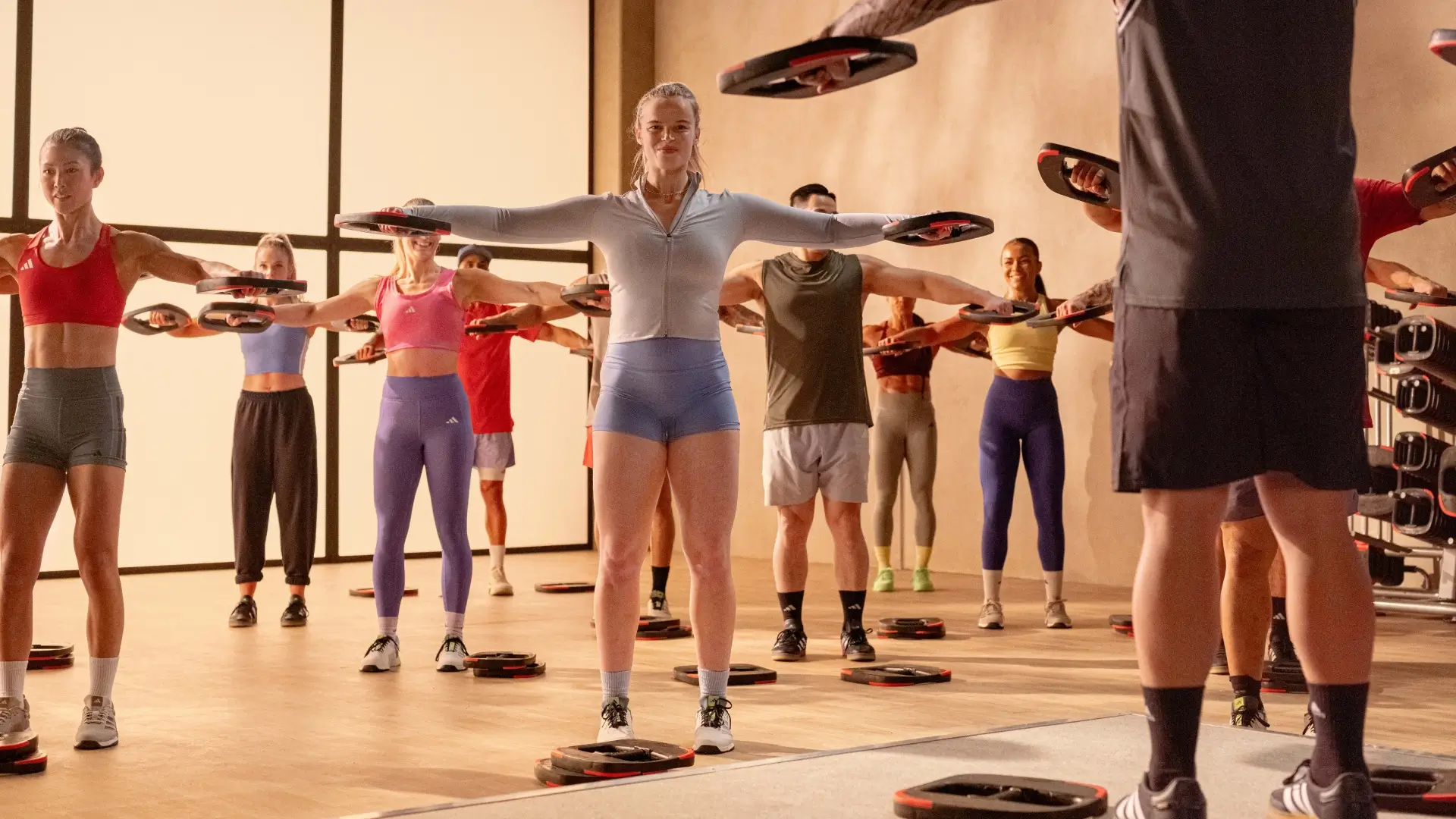
Born To Move Youth Leadership Study

This study explored the perceptions of youth leaders participating in peer-led BORN TO MOVE™ classes. It showed youth leaders viewed the experience positively, despite the physical challenges involved, and many reported increased fitness or physical activity levels. The task of leading their peers placed the leaders in a supportive yet anxiety-provoking environment, which presented valuable opportunities to teach them resilience-building skills.
INTRODUCTION
Identifying ways to increase opportunities for children and adolescents to be physically active has global significance. Students teaching and leading their peers (sometimes referred to as ‘peer tutoring’) is a powerful pedagogical tool and can result in positive impacts for the leaders involved.
RESEARCH QUESTION
This study aims to investigate the benefits and potential challenges of being a peer leader of BORN TO MOVE™ (BTM) as perceived by the leaders themselves.
METHOD
This study was conducted in four schools across the elementary and middle school sectors in NZ and involved children aged 9–13 years. Each school offered the BTM program to students, who volunteered to be part of the program. All program participants were given the chance to lead BTM PA sessions for their peers. Data were collected via an online questionnaire.
RESULTS
Implementation of the BTM peer leadership program has had primarily positive outcomes for the leaders across a range of areas. Not only do they find it enjoyable, it also provides a challenging PA (physical activity) experience that positively impacts their PA and fitness levels. Additionally, the peer leadership aspect of the program offers scope for schools to provide leaders with the opportunity to foster skills that build resilience.
CONCLUSION
The implementation in a school of peer-led BORN TO MOVE, where the student leaders explicitly offer PA directly to their peers, appears to be a successful endeavor for the leaders involved.
Read the full article
More about the author
Bryce Hastings
Bryce Hastings drives the science behind the sweat, leading world class research that shapes how millions of people train. Working alongside internationally renowned research partners, Bryce bridges the gap between the lab and the gym floor, ensuring every LES MILLS™ program is safe, effective, and powered by science.
He has developed numerous research programs and co authored reports across a range of fitness and scientific publications. These include the landmark Get Fit Together trial, alongside research into core conditioning, high intensity interval training, and exercise strategies for sedentary individuals.
A certified Physical Therapist since 1986, Bryce’s academic work is supported by extensive hands on experience. He owned a private practice within the original Les Mills World of Fitness in Auckland and holds an Advanced Diploma in Manipulative Therapy and a Master of Philosophy from Auckland University of Technology, where he serves as a Research Associate and lectured part time for eight years.






_(10)_HR%20Darbyshire%202000x1039%20no%20exp%20v2.webp)
.webp)

Research