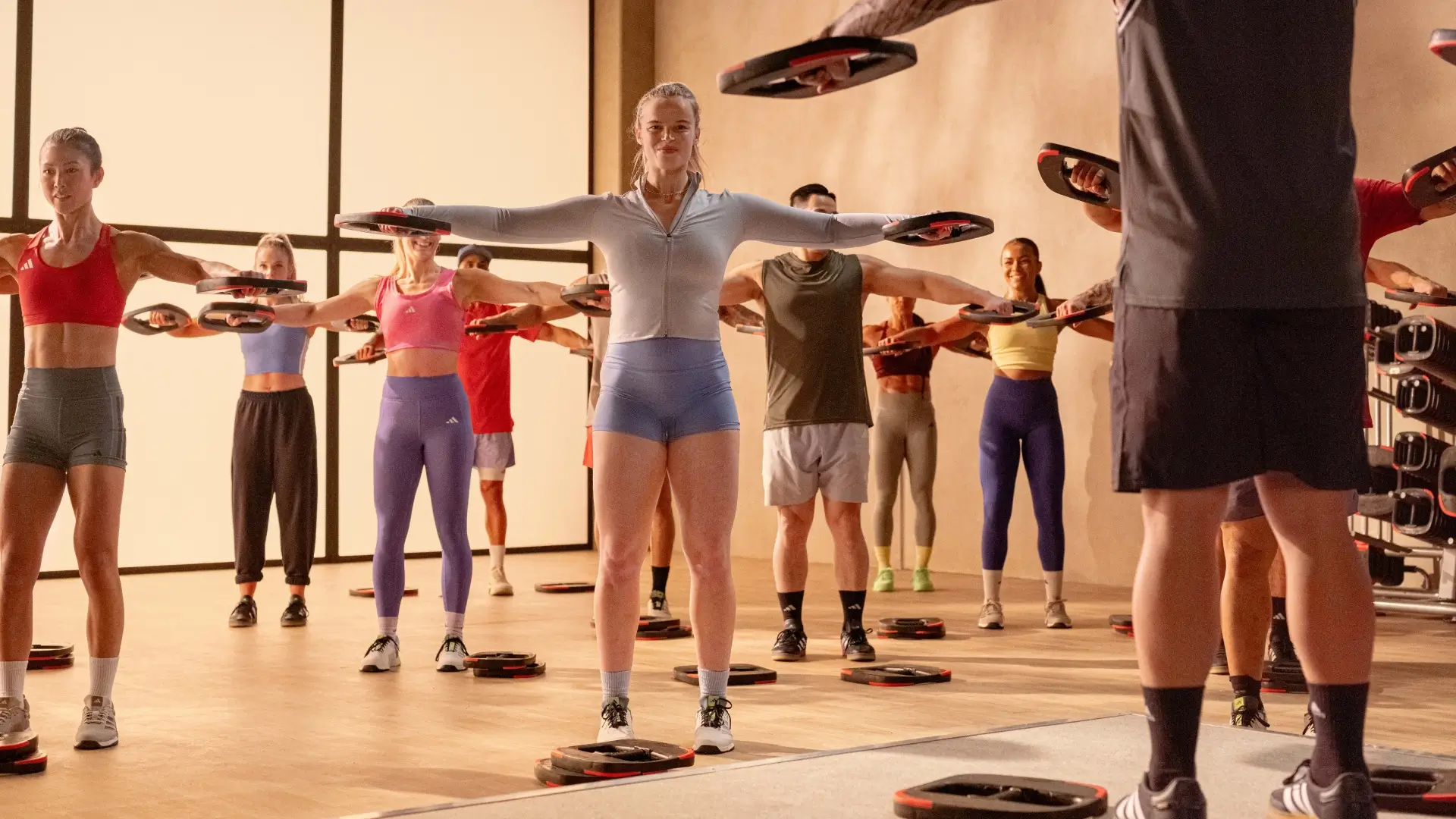
BORN TO MOVE study
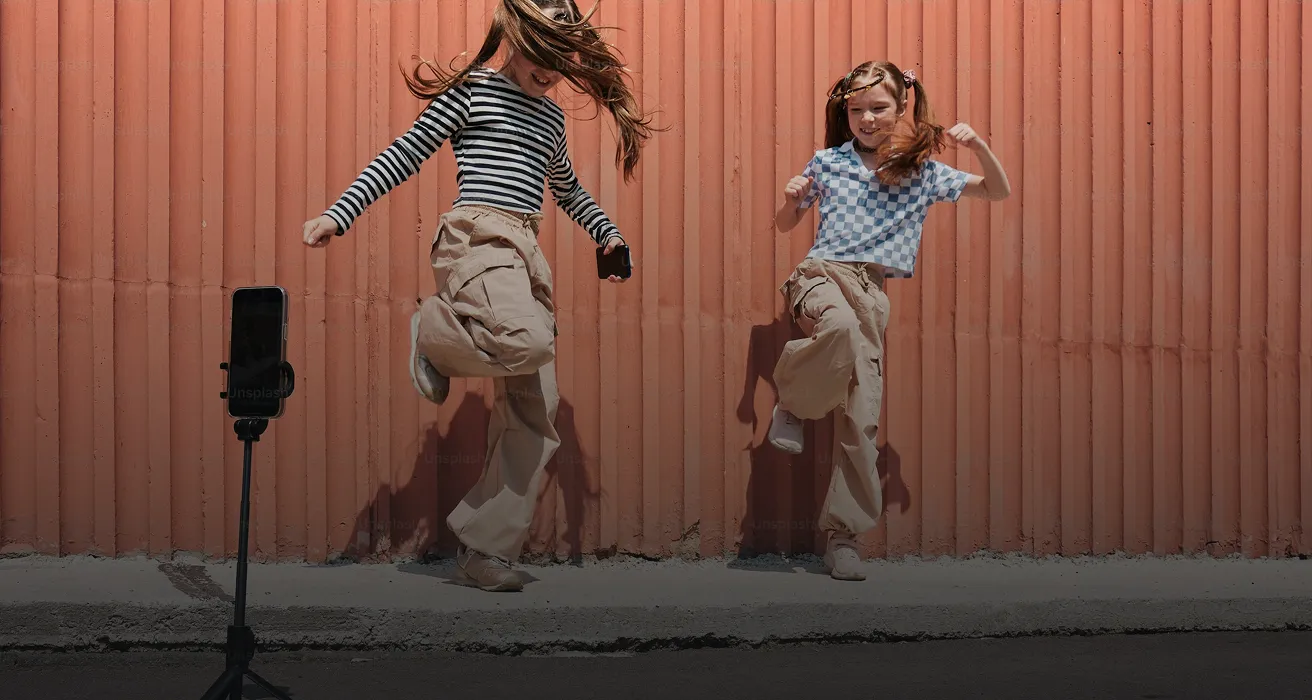
Physical inactivity and increased prevalence of sedentary behaviors in youth are associated with negative health indicators such as obesity and type 2 diabetes.
Background
Physical inactivity and increased prevalence of sedentary behaviors in youth are associated with negative health indicators such as obesity and type 2 diabetes. The most effective intervention approaches are those that are set in school environments. Physical Education (PE) is a mandatory subject through all years of compulsory schooling and curricula typically involve traditional games-based activities, with an emphasis of the current British government being competitive games. This narrow curriculum structure is however, not suited to all children, some of whom prefer activities that are more movement and exercise-oriented.
Aim of the Research
The primary aim of the project was to evaluate the effectiveness of Les Mills’ youth programming, BORN TO MOVE™ (BTM), on selected physical activity, fitness, and health outcomes. A secondary aim was to gather evidence of childrens’ and teachers’ perceptions of BTM.
Method
Four state-funded, co-educational primary schools from West Lancashire in north-west England were recruited. Year 6 pupils (children aged 10 - 11 years and in their final year of U.K. primary education) were selected to participate in the project.
There were 73 pupils in two schools who received the BTM program twice per week for six weeks. Two further schools (66 pupils) completed two PE classes per week, acting as a control.
Results
The BTM group improved push-up test performance from 5.7 to 11.7, and significantly improved standing long-jump performance from 130.2 cm to 145.0 cm. When wearing the accelerometers during waking hours, the BTM group engaged in significantly more light and moderate physical activity and less sedentary activity than the control group.
The BTM group engaged in more moderate physical activity, moderate to vigorous physical activity and total physical activity for a significantly greater percentage of lesson time than the control group did in their regular PE lessons. The BTM group engaged in significantly less sedentary activity for less time than the control group did in their regular PE lessons.
The BTM group’s intrinsic motivation score significantly increased during the BTM lesson compared to their baseline PE lesson.
A significant majority of the BTM group evaluated the lessons positively in relation to enjoyment, motivation, the teacher, the music, differentiation, competence, concentration, fitness, and health. The class teachers of the BTM group positively evaluated the program, citing challenge, enjoyment, teacher-child interactions, and improvements in confidence as being the key indicators of success.
Conclusion
The BTM group demonstrated positive improvements in muscular fitness. They engaged in more daily physical activity and less sedentary activity on days when they participated in the BTM lessons. They participated in significantly more moderate intensity physical activity and total physical activity than the children in the comparison schools did in their regular PE lessons.
Furthermore, less time was spent being sedentary in the BTM lessons compared to regular PE. The childrens’ intrinsic motivation was higher when compared to PE.
More about the author
Bryce Hastings
Bryce Hastings drives the science behind the sweat, leading world class research that shapes how millions of people train. Working alongside internationally renowned research partners, Bryce bridges the gap between the lab and the gym floor, ensuring every LES MILLS™ program is safe, effective, and powered by science.
He has developed numerous research programs and co authored reports across a range of fitness and scientific publications. These include the landmark Get Fit Together trial, alongside research into core conditioning, high intensity interval training, and exercise strategies for sedentary individuals.
A certified Physical Therapist since 1986, Bryce’s academic work is supported by extensive hands on experience. He owned a private practice within the original Les Mills World of Fitness in Auckland and holds an Advanced Diploma in Manipulative Therapy and a Master of Philosophy from Auckland University of Technology, where he serves as a Research Associate and lectured part time for eight years.





_(10)_HR%20Darbyshire%202000x1039%20no%20exp%20v2.webp)
.webp)

Research