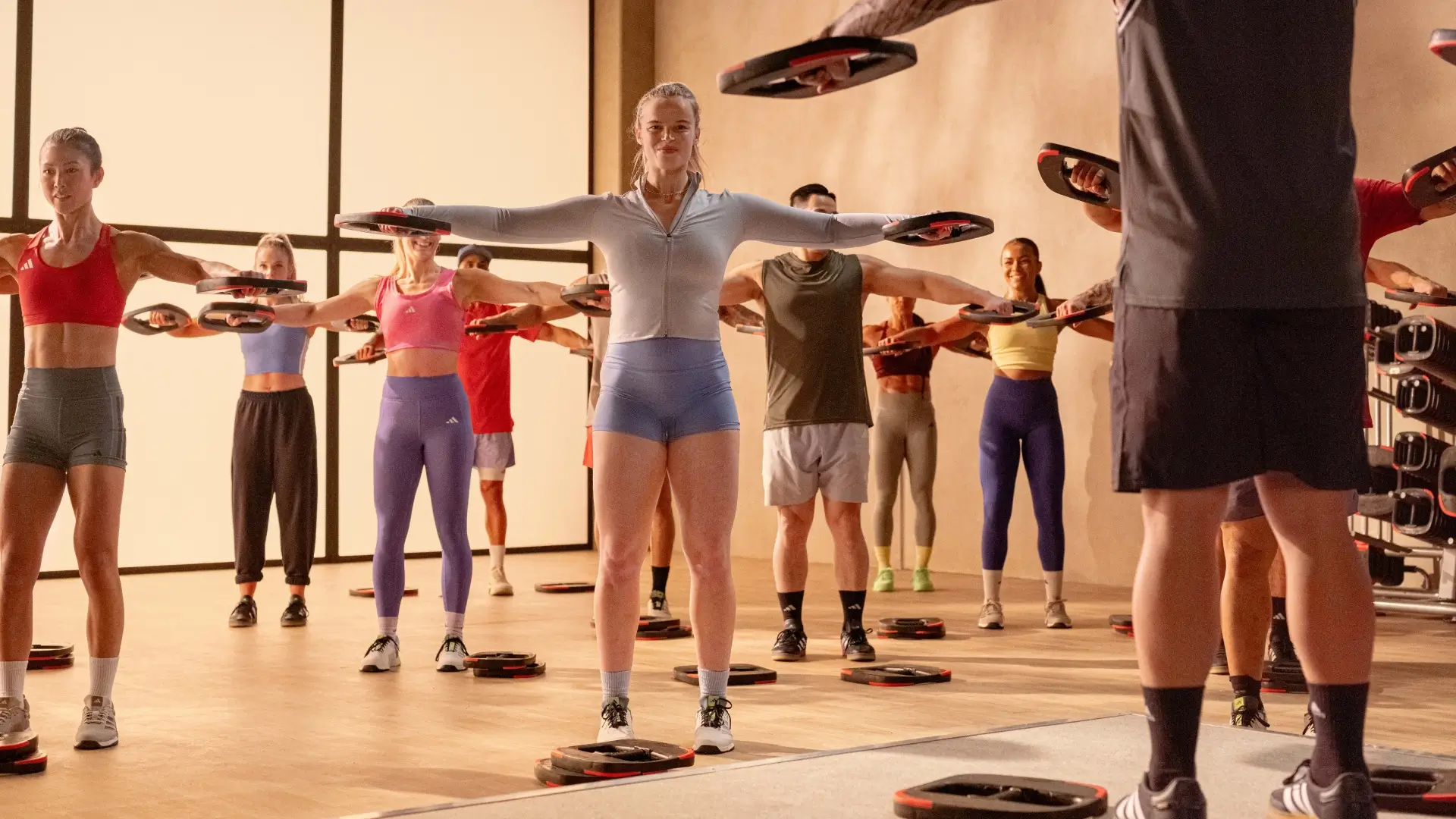
Developing and testing a motivating communication style

Research has shown that fitness instructors can powerfully affect participants’ motivation and intention to stay active as a results of their communication style.
Background
Approximately 50% of new exercisers drop out within the first six months of starting an exercise program. Problems with retention result in loss of revenue for the fitness industry and negatively impact participants’ health and psychological wellbeing. Research has shown that fitness instructors can powerfully affect participants’ motivation and intention to stay active as a result of their communication style.
Aim of the Research
The aim of the project was to develop and test an intervention that would train RPM™ instructors to adopt a motivationally supportive communication style based on the principles of the Self Determination Theory (SDT). SDT states that exercise motivation will be high quality when exercisers feel that they have autonomy over their workout, feel connected to and cared for by others, and feel able to meet the challenges of the workout.
Method
The instructor training intervention was developed from SDT. Twenty-three RPM instructors participated in the motivation training program over four months and the intervention involved three workshops and supplementary training materials. The program encouraged instructors to maximize their use of supportive strategies and minimize, or replace, unsupportive strategies.
Results
After the training program, instructors reported significantly reducing their use of motivationally-unsupportive styles, more consistent and higher numbers of participants, and new participants being more likely to return and provide feedback.
Class participants also reported their instructor to be significantly less controlling and more autonomy supportive. They felt that their instructor made significantly more time for them and showed more interest in their well-being. They reported feeling more engaged, loving the sense of connection, enjoying having more control over their workout and liked how the workout options were delivered.
Conclusion
Adopting a motivationally-supportive style will improve the relationship between instructor and participant and increase exercise adherence. These findings have been incorporated into Les Mills’ initial instructor training module, and ongoing instructor education.






_(10)_HR%20Darbyshire%202000x1039%20no%20exp%20v2.webp)
.webp)

Research