The best exercise for superior sleep

Is exhausting yourself the key to a better night’s sleep? Not if the latest research is anything to go by. We delve into the best activity for solid slumber – with expert tips from a sleep coach.

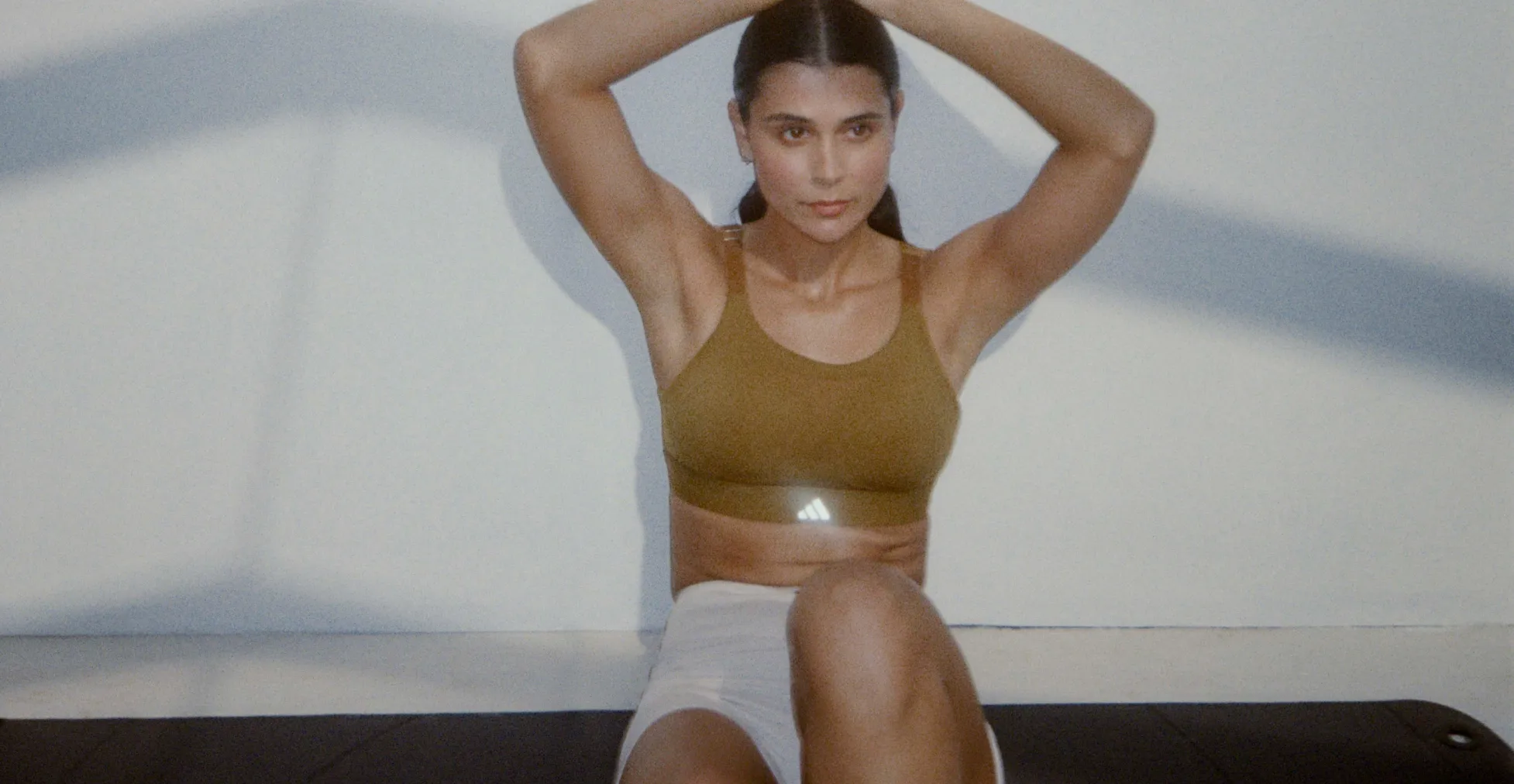
You don’t need to wear yourself out to sleep well. A major analysis involving 22 clinical trials has highlighted how rolling out a yoga mat might help you fall asleep faster, stay asleep longer, and wake up feeling refreshed.

Researchers considered findings from over 1,300 people with insomnia, exploring how seven different types of exercise impacted sleep. Yoga, it turns out, is pretty hard to beat. People who practised yoga slept almost two hours longer per night compared to the control group. And they didn’t just get more sleep; the yoga also seemed to help them fall asleep more quickly and reduce how often they woke.

People who practised yoga slept almost two hours longer per night.

Bryce Hastings, Les Mills Head of Research, suspects that yoga’s sleep-promoting benefits are born from the focus on controlled breathing and body awareness. “As you flow through a yoga practice, it soothes your sympathetic nervous system. When this happens, your blood pressure lowers, your heart rate slows, and it calms the body’s physiological state – which is the perfect state for sleep.”

Such slumber-inducing power is supported by earlier research showing that just 30 minutes of yoga before bed can help you shed stress, relax more and sleep better. Those involved in the study did a short BODYBALANCE session three evenings a week for just two weeks. They enjoyed a 15% improvement in sleep quality – along with increased feelings of motivation, confidence and satisfaction with daily life, as well as a decrease in anxiety, tension and sadness.

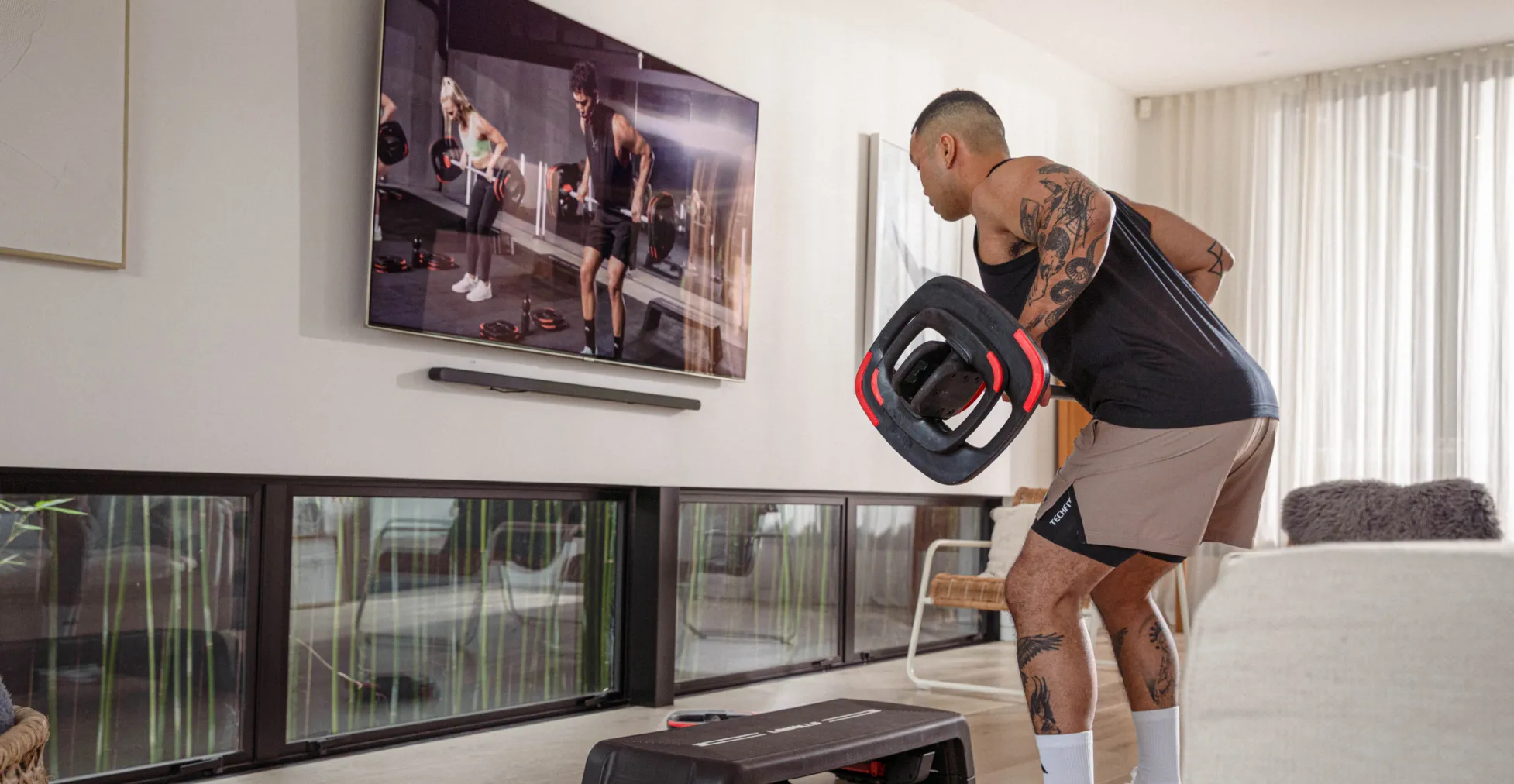
Strength training is also good for your sleep

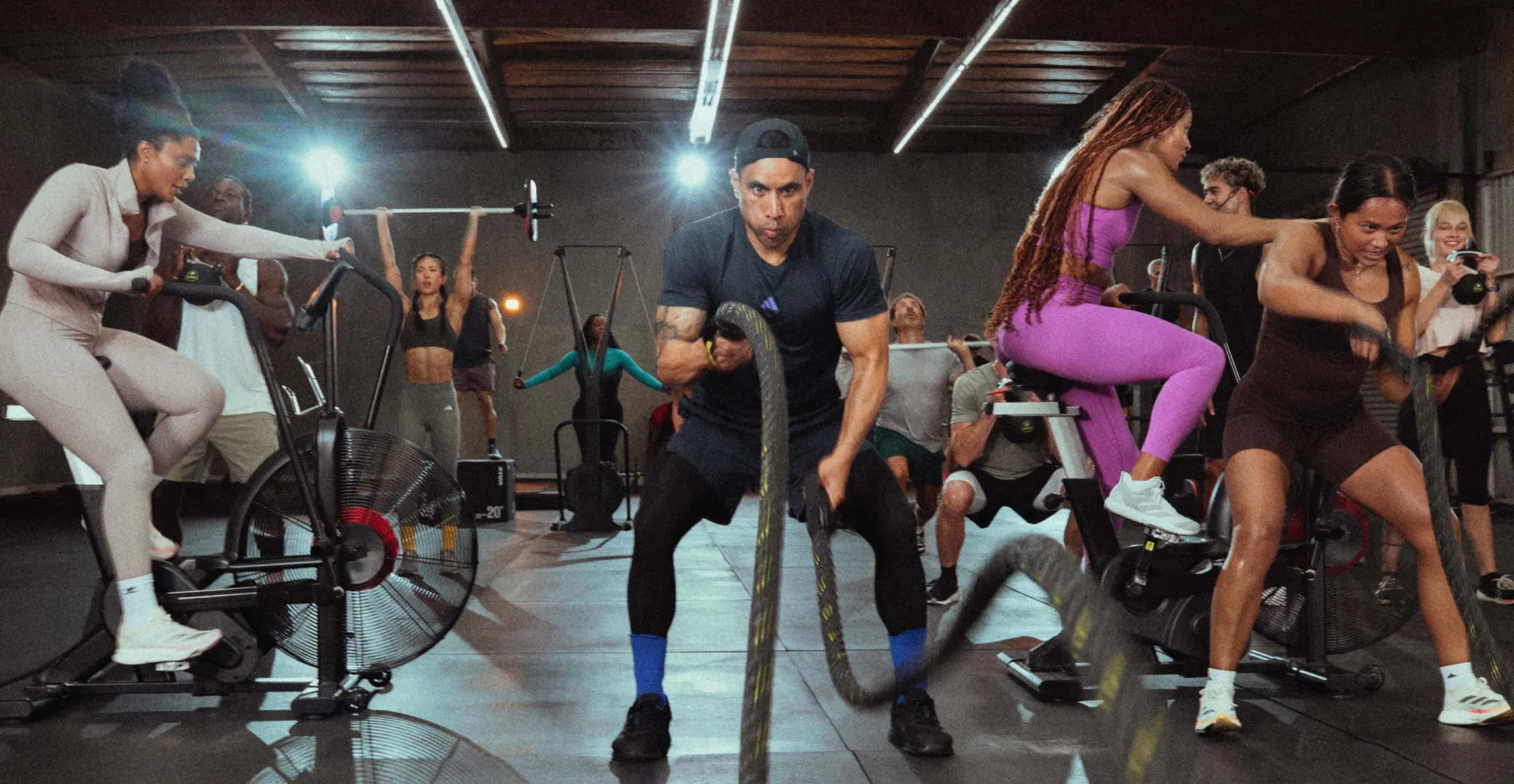
Including strength training in your workout routine, you can add up to 40 minutes more sleep each night – 17 minutes more than you get from simply doing aerobic exercise. Researchers found that three hours of strength training can lead to over 4.5 hours of extra sleep. So you win back the time you spend building strength in sleep – and then some! On average, study participants in the resistance exercise group shaved 20 minutes off the time they spent lying awake each night, and on average they reported falling asleep three minutes earlier than others.

The importance of sleep: Why we need to coach our ‘sleep muscle’

Dr. Meeta Singh is a sleep guru who coaches pro athletes to improve and optimize sleep so they can perform better in all aspects of their lives – most notably physically. She explains: “Sleep is essential for all aspects of athletic performance, including optimal reaction times, accuracy, optimal motor function, focus, motivation, glucose metabolism, memory and learning, as well as stress regulation – all of which are integral for athletic performance. Our circadian rhythms are intrinsic time-keeping biological clocks that also influence athletic performance. In fact, many major indexes of athletic performance like muscle strength, reaction time and flexibility are influenced by the circadian clock. It’s the same with muscle growth and maintenance! I like to think of sleep as a circuit board with one switch – and if that switch fails, everything else will also break down.”

When we spoke to Dr. Singh, she shared some simple insights that will help any exercise enthusiast to strengthen their sleep muscle and perform better in everyday life.

What happens inside our bodies while we sleep that helps improve physical performance?

“Sleep allows for psychological, physiological and physical recovery. It is really providing recovery at the cellular level and it does so by forcing reduced physical activity and reduced engagement of the brain with the environment. The reduced physical activity allows for physical recovery to occur, while the reduced interaction of the brain with the environment allows mental recovery to occur. In fact, we now know that during sleep, the brain gets cleansed of waste material – akin to being power-washed. Similarly, while the body is at rest, restorative functions and energy storage take place.”

If you’re committed to being fit and healthy, what’s most important: getting up for an early workout, or enjoying a sleep-in?

“I think they are both essential! We know exercise has tremendous health benefits, but sleep is a biological need that is essential for overall health. So if the choice was between getting regular sleep or getting regular exercise, I would say sleep gets precedence, as less regular exercise will not cause the same level of health issues as less sleep.

“The best solution is to go to sleep early enough to get your seven to nine hours of sleep, and schedule exercise at a time that won't be taken over by work or social obligations. That way you don’t have to decide between exercise and sleep. When you exercise also depends on whether you are a morning or an evening person, because asking a night owl to wake up and exercise is just plain wrong!”

What are the tell-tale signs you need more sleep?

“If you are feeling run down, exhausted and drowsy during situations you should normally be alert in, the answer is simple – get more sleep! I tell people if they’re getting more sleep on days they’re not working than they do on the days they are working, it’s an indication that they’re playing catch-up, they’re sleep-deprived and need more sleep. Other signs are having difficulty concentrating, reduced sex drive, increased irritability and anxiety.”

Interesting fact: When scientists began exploring the damage stemming from inadequate slumber, they found a compelling reason to make sleep a priority: consistently under-sleeping (getting less than seven hours a night), can almost double your risk of injury.

Should you focus on quantity of sleep, timing of sleep, or quality of sleep?

“They’re all important, although I think quantity comes before quality. I'll give you an example: it's like calories, you need to eat a certain number of calories to sustain life and it doesn’t really matter what the quality of the food is. Similarly, the quantity of sleep that you need is very important. It’s recommended that adults need seven to nine hours and if you get less than six hours of sleep, you're likely to be impacted.

The second most important aspect is sleep quality, which refers to how well you sleep. For adults, good quality sleep means that you typically fall asleep in 30 minutes or less, sleep soundly through the night with no more than one awakening, and drift back to sleep within 20 minutes if you do wake up. Keeping the bedroom cool, dark and quiet and avoiding caffeine, alcohol and electronic devices close to bedtime helps enhance this.

Timing is the third most important aspect of sleep. You want your sleep to be aligned to your biological sleep time – and you want your sleep times to be as regular as possible.”

If you add more sleep to your day, what benefits can you expect?

“There is research that supports how adding 30 minutes of sleep is beneficial. The researchers adjusted the sleep schedule of professional baseball players to ensure they got an extra 30 minutes of sleep each night for five consecutive nights (from an average of 6.3 hours each night to 6.9 a night). It turns out, the added sleep dramatically improved the players’ response time – and that’s significant when you consider that it takes an estimated 400 milliseconds for a fastball to travel from the pitcher to the hitter. These findings are relevant to the general population too, as we are often also chronically sleep deprived (which means we’re sleeping less than seven hours each night). Adding even half an hour extra helps, and we should never underestimate the power of a 20-minute nap.”

Are naps a good thing?

“If you're unable to get seven to nine hours of sleep at night, then one way you can play catch-up is by taking a nap. But if you have problems falling asleep or staying asleep at night despite adequate opportunity to sleep, then napping is not a good idea. In this circumstance, napping can take away from your sleep drive, and you need this to fall asleep at night. The other thing to be careful about is the grogginess you might have after waking up from a nap – so don’t schedule a nap right before you have to do something important!”

How long does it take to enjoy the benefits of good sleep?

“Some aspects – like feeling sharper, more mentally focused, more alert, and in a better mood – may happen the next day. Some of the health-related aspects, like better cardiovascular function and any effect on your metabolism, may happen more slowly.”

Are everyone’s sleep needs different? How can you establish the amount of sleep you really need?

“Although there is some genetic variation, to function optimally, most adults need between seven and nine hours of sleep per 24-hour period. A good method for determining your sleep need is to try and sleep without schedule constraints – during a two-week period, when you have a flexible schedule or perhaps are on vacation, pick a consistent bedtime and do not use an alarm clock to wake up. Chances are that for the first few days you’ll sleep longer because you'll be paying off your ‘sleep debt’, which is the amount of sleep deprivation you've accumulated over a period of time. If you continue going to bed at the same time and allowing your body to wake up naturally, you will eventually establish a pattern where you get the same amount of sleep each night, probably in the range of seven to nine hours.”

DR SINGH’S 6 STEPS TO BETTER SLEEP

  1. Keep your bedroom cool, dark and comfortable
  2. Be consistent and try to go to bed and wake up at the same time (including the weekends)
  3. Avoid caffeine (e.g. coffee, energy drinks and certain types of soda and tea) for at least three hours before bedtime. Avoid nicotine, which is also a stimulant. Alcohol may reduce time to fall asleep, but it can adversely impact sleep quality and should be avoided close to bedtime
  4. Avoid consuming excessive food and liquids at night as these may disrupt sleep through reflux and increased trips to the bathroom
  5. Avoid obsessive clock watching. Often, looking at the clock at night can increase mental activity rather than decrease it and make resuming sleep more difficult
  6. If you have difficulty falling asleep, you should avoid naps.

LES MILLS YOGA is a four-part series designed to elevate you physically and mentally – and leave you feeling calm, centered, renewed (and ready for a good night’s sleep). LES MILLS YOGA is being launched in gyms around the globe – and will be landing on LES MILLS+ soon.

FIND A CLASS WORK OUT AT HOME

BODYBALANCE is a fusion of yoga, Pilates and tai chi, which is shown to promote improved sleep.

FIND A CLASS WORK OUT AT HOME

Also in Fit Planet