Strength has a confidence crisis. Here’s how your club can solve it.

Members want strength, but they’re lacking guidance. Conflicting advice and decision fatigue are creating friction across the lifting journey. With the right coaching and community solutions, operators can turn this uncertainty into deeper engagement and increased revenue.
Once the domain of committed lifters, strength training is now a staple part of modern members’ schedules. The 2026 Global Fitness Report uncovers what’s fueling demand, where the pain points are, and how operators can counter them to drive growth and create their most loyal members ever.
The background to growth
In 2026, being strong means feeling good. Underpinned by broader reasons for training, modern fitness fans' top three motivations to train are to be healthy, fitter and for mental health. Strength in its myriad forms perfectly serves all three of these goals – increasing muscle, bone density and offering a powerful sense of achievement as members progress. Strength dominates the routines of regular exercisers, both on the gym floor and in the studio, where strength-based formats have become the leading group training category, showing a 20% uplift in popularity since 2018.
The engine for further growth
Demand is high, motivation is strong and expectations are evolving. But confidence gaps, intimidation and conflicting advice are slowing members down. 58% of current lifters say conflicting advice makes it hard to know how to train effectively – a friction point that increases the risk of churn if not addressed.
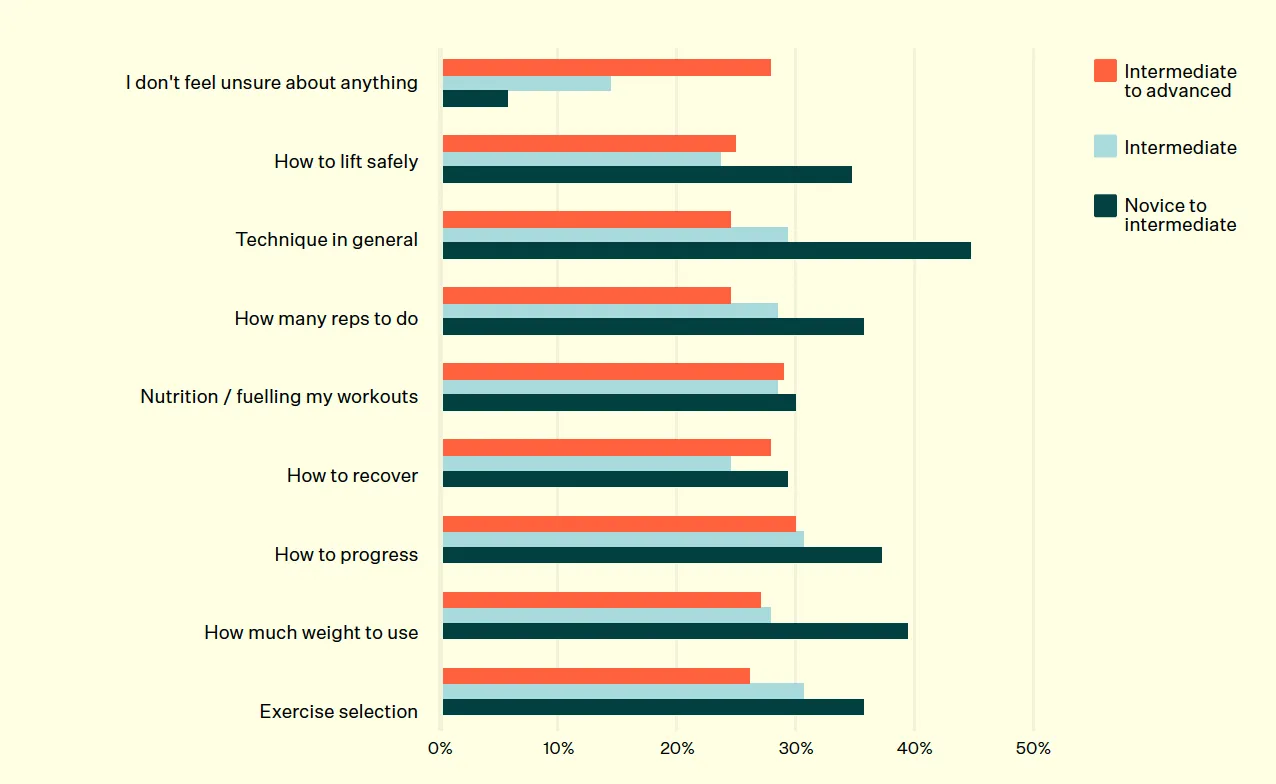
Even advanced lifters struggle: 30% aren’t sure how to progress, a quarter still aren’t sure how to lift safely and 25% are unclear about how to lift safely. These figures are compounded even further among those who consider themselves novices. Nearly half (45%) are unsure about their technique in general.
These knowledge gaps feed into wider frustrations that illustrate how progress is being impeded. Despite training consistently, many feel the work they put in on the gym floor isn’t being reflected – possibly because lack of guidance is holding them back.
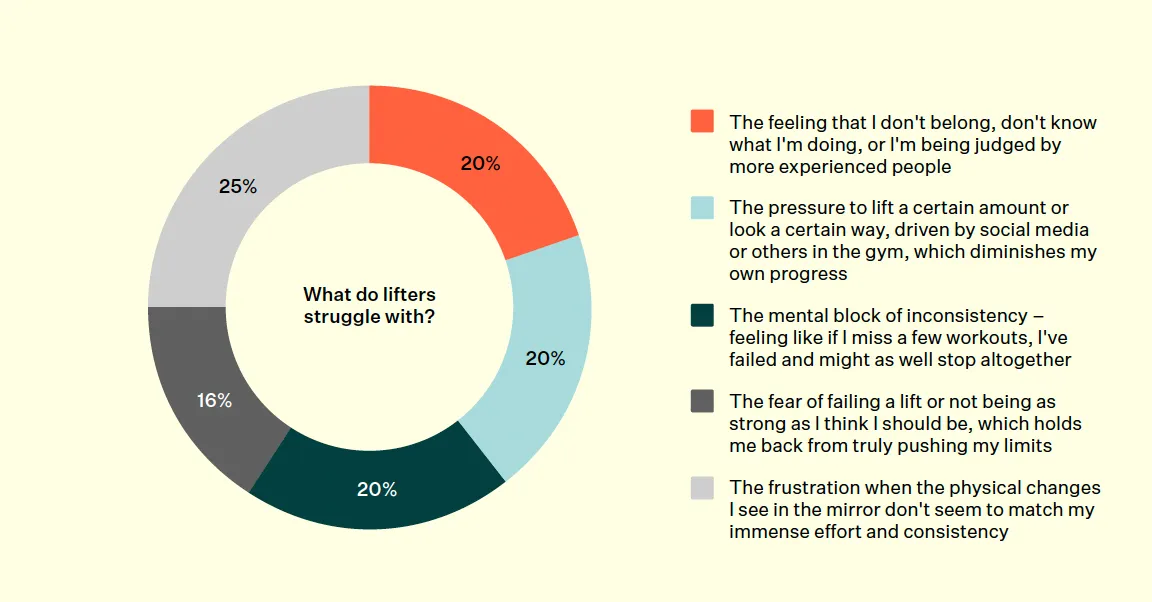
As the figures show, strong opportunities exist for operators to provide community, supportive environments and in-person coaching that delivers the results members are chasing. 20% feel like they don’t belong in the gym and a further 20% struggle with the idea there is a certain way to look or lift – driven in part by social media. Bringing members together who feel isolated on the gym floor or out of place reduces the feeling of being judged, because community drives motivation, encouragement and progress.
Attracting new members with strength
Demand for strength is unstoppable among those already invested in the journey, but for others watching from the sidelines, the thought of getting started is overwhelming, driven by fears operators are well placed to allay.
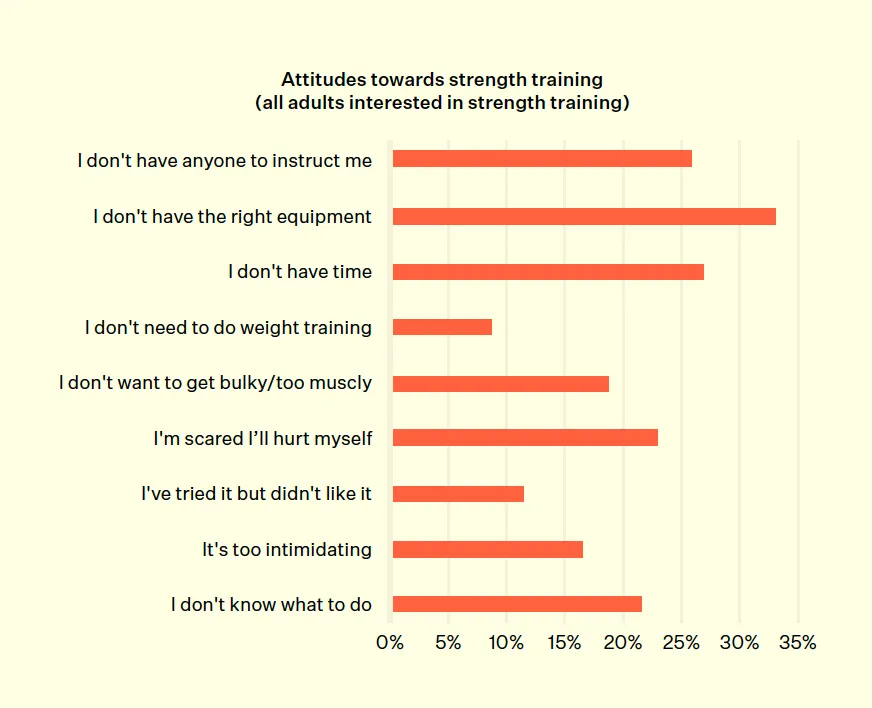
Gyms are perfectly positioned to overcome the biggest hurdle facing adults considering starting weight training: lack of equipment. One third say this is the primary reason they haven’t started lifting yet. For others, intimidation, fear of injury and a basic lack of understanding around where to start is holding them back. The message is clear: members at every level lack clarity and confidence. That combination of enthusiasm and uncertainty is a major opportunity for clubs to seize.
Operators who simplify the journey, by providing guidance, structure and community, can unlock deeper engagement, stronger retention and long-term loyalty by being the voice of expertise that both existing and aspiring lifters so clearly desire.
The way ahead
One of the most actionable insights from the 2026 Global Fitness Report is that members crave simplicity. Decision fatigue and doubt are major barriers: more than half of aspiring lifters say that planning sets, reps and exercises feels mentally tiring and they’re unclear what volumes would be best.
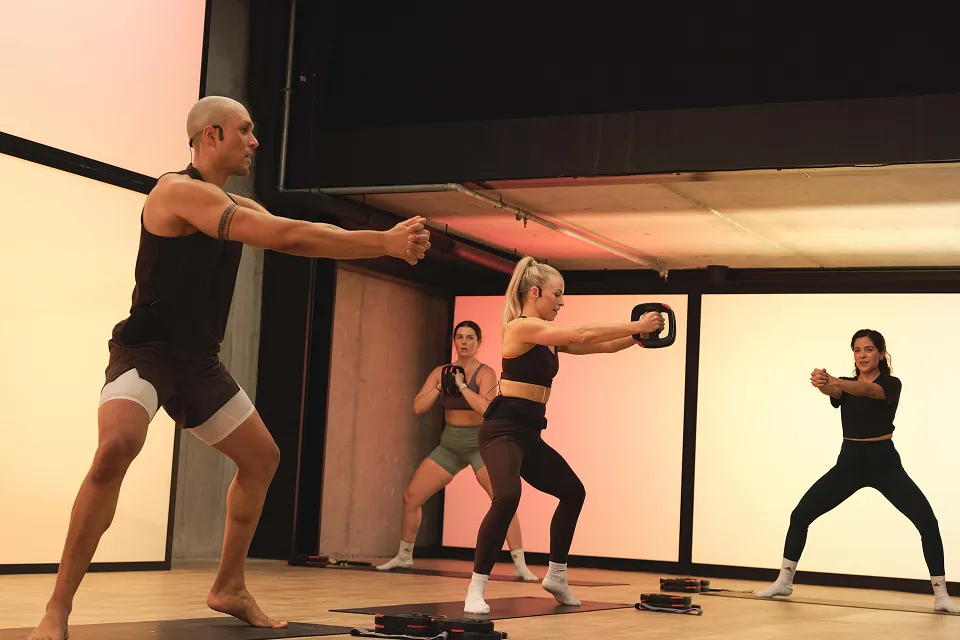
That’s where group strength formats come in – a powerful tool for driving member loyalty and engagement because they solve multiple confidence barriers at once. Members who fear being judged or doing exercises incorrectly feel more comfortable following an Instructor.
Geena Pannett, Personal Trainer and National Group Fitness Manager for Les Mills New Zealand, explains: “Strength classes in the group training studio are a great place to get your head around basic lifting technique without the cost of personal training or the intimidation of the gym floor.”
And they’re not just for beginners. “Even the most seasoned lifters appreciate being able to walk into a class and know they’ll get a full-body challenge without needing to plan their workout. The Instructor guides them through the progression, so they can simply focus on lifting and pushing their limits.”
The solution
Depending on how your members want to engage with strength – a conversation that’s critical at the onboarding stage and beyond to help members evolve – Les Mills has a suite of strength options to support them.
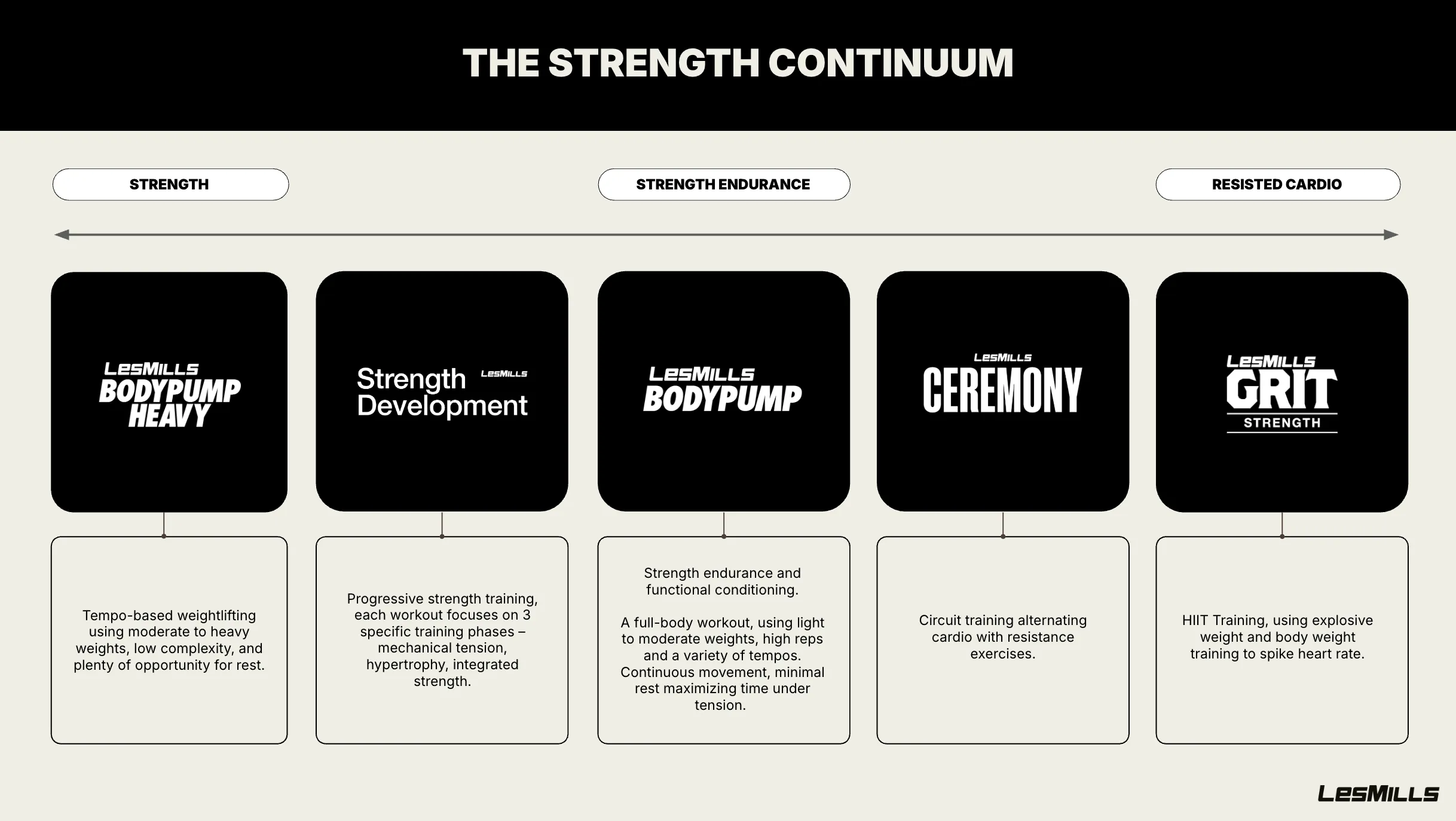
From pure strength, to strength endurance, through to resisted cardio, Les Mills workouts are science-backed and designed by a team of fitness professionals and scientists. They’re sequenced to ensure members get the results they want, at a level that feels good for them. All overseen by the guidance of highly-trained Instructors who know how to safely introduce members to lifting, when to push them to the next level, and how to keep them motivated so they come back for more.
READY TO DRIVE GAINS FOR YOUR CLUB AND MEMBERS?
LES MILLS BODYPUMP HEAVY™ is serious strength training made simple and fun. Bring it to your club and meet rising demand for heavy lifting.
READY TO DRIVE GAINS FOR YOUR CLUB AND MEMBERS?
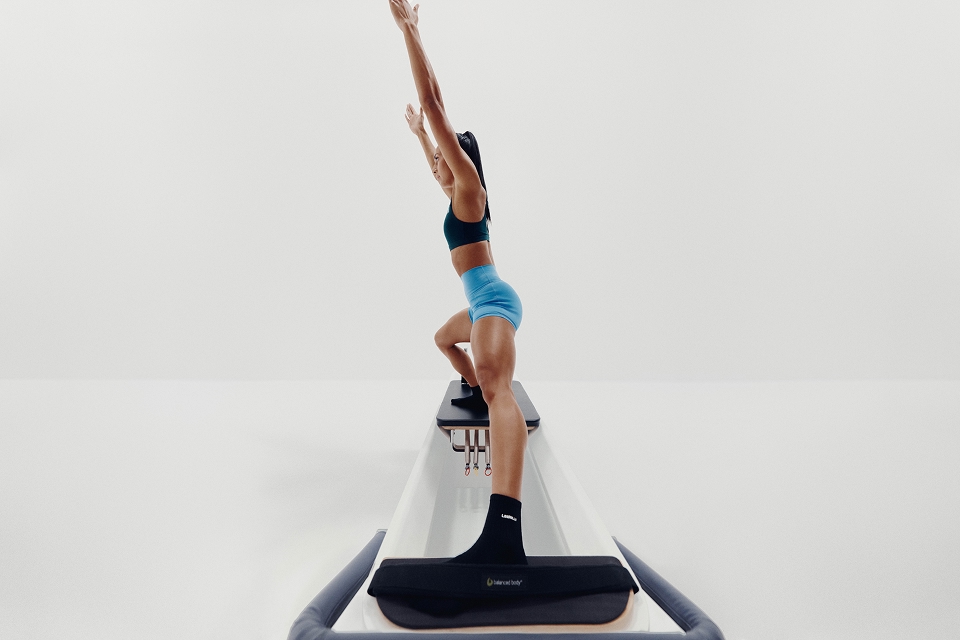
Clubs and Facilities
Video: How Nuffield Health increased group fitness attendance by 20% with LES MILLS REFORMER

Clubs and Facilities
Why group fitness is a retention driver for gyms and health clubs

Clubs and Facilities
The music-led Reformer experience turning boutique fans into big box converts

Clubs and Facilities
Community holds the key to continued club growth
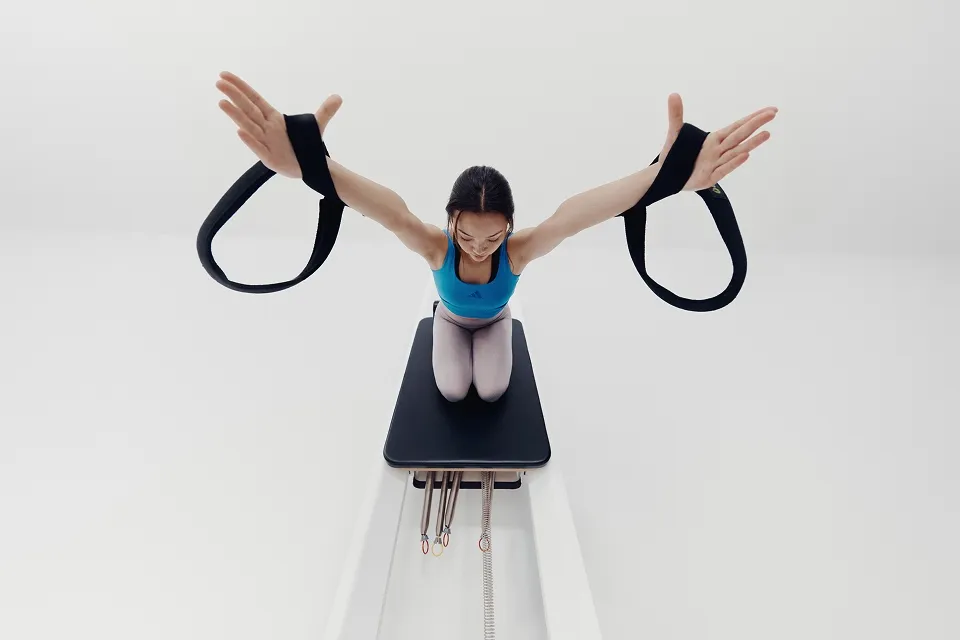
Clubs and Facilities
What is LES MILLS REFORMER™? All you need to know about the workout redefining Pilates
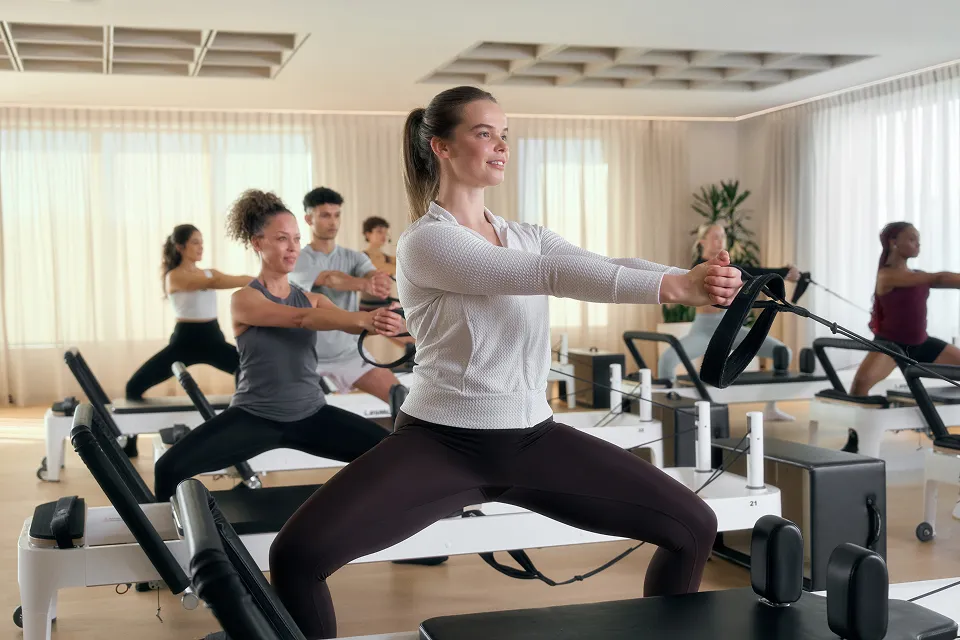
Clubs and Facilities
LES MILLS REFORMER™: A powerful new way for clubs to capture the growing Pilates market

Clubs and Facilities
Video: Will technology reshape the in-club experience?

Clubs and Facilities
Fitness in 2030: How will tech transform our workouts?
Clubs and Facilities
HYROX x LES MILLS: What’s inside the workouts

Clubs and Facilities