THE PERKS OF ‘GO SLOW’ MODE
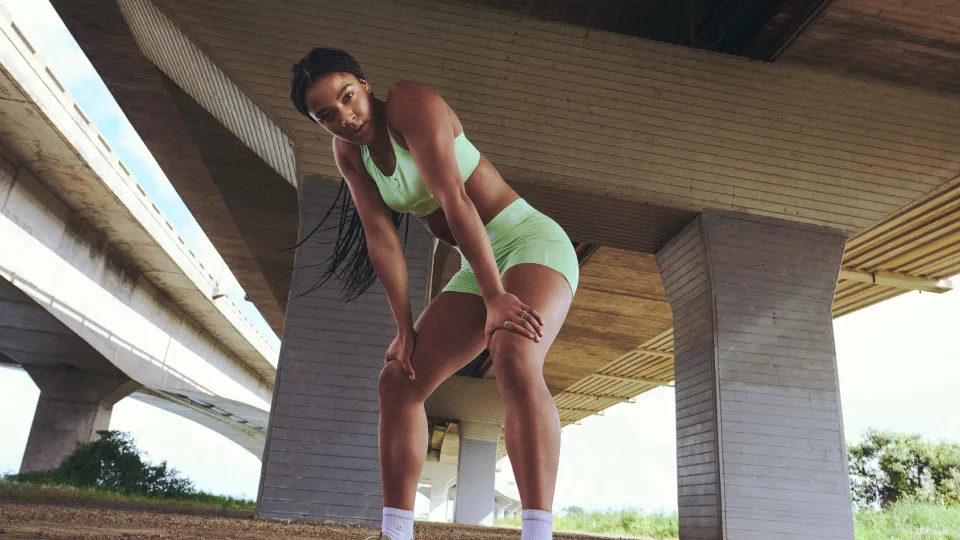
It might seem counter-intuitive, but embracing go-slow mode could be the smartest way to fast-track your fitness. The trend towards slow running is gathering speed – and it’s helping people all over the planet to feel fitter and happier.
Tamirat Tola just won the 2024 Olympic marathon with a time of 2 hours, 6 minutes. Noah Lyles ran 100m in 9.79 seconds. And every year over a million runners tick off a marathon … For many of us, our running prowess might seem decidedly average in comparison, but we shouldn’t let that put us off. Taking a leisurely run at a pace that works for you can still deliver a wealth of benefits.
What is slow running?
Just like the name suggests, slow running is running slowly. On an effort scale of 1 to 10, where 1 is wandering and 10 is a gut-busting sprint, slow running should sit at around 4 or 5. At this pace, you should be able to comfortably hold a conversation.
This is what exercise professionals refer to as zone 2 training. Zone 2 training is typically slow and steady movement where you maintain a heart rate of 65% - 75% max capacity. In this zone, your body increases oxygen uptake, building your body’s aerobic energy system and improving cardiovascular endurance – helping you get fit for life.

Five benefits of slow running
#1 It’s great for base fitness
Establishing your aerobic base is a fundamental part of any training journey. Base fitness is the physiological foundation for your potential fitness gains. Some like to think of base fitness in the context of a pyramid – the more solid the base, the bigger the peak.
When you run at a slow pace (in zone 2) your base fitness builds, as physiological stress is relatively low, yet the amount of oxygenated blood that your heart pumps is strong. Your heart is delivering oxygen to your working muscles, which helps you to work harder, without feeling like you’re exerting yourself.
#2 It puts less stress on your body
When you’re moving slowly, the strain on muscles and joints is reduced. Choosing low-intensity exercise over high-intensity exercise can decrease the risk of overtraining, which means you’re less likely to suffer from stress-related illness and injury in the long term.
#3 It cuts mental stress too
Running is a natural stress reliever – and when you ditch feelings of anxiety about meeting specific times or running at a certain pace, it’s even more liberating. Like with any exercise, the emotional benefits and improvement in mood state don't change based on exercise intensity, so going slow will still serve up plenty of mental health perks.
#4 It sparks fast recovery and cellular benefits
As slow running begins to increase your aerobic capacity, more oxygen is supplied to your muscles. This can help with recovery (and is one of the key reasons why slow running is the perfect complement to strength training). Zone 2 training can also enhance mitochondrial function, which helps metabolize fat, improve cellular health and offset the physical declines we see with ageing.
#5 It’s enjoyable and social
This is the biggest bonus. When you go for a slow run, you have ample opportunity to chat and connect with your run partner/s which can spark feelings of social fulfilment. Research suggests the fact you’re exercising alongside others drives increased physical and mental results – and dials up the enjoyment factor too. While this is something group training studios have long known, runners are now cottoning on. Enter the surging popularity of run clubs. There are now groups of social striders popping up all over the planet. They are even being coined the new Tinder, serving as a dating platform with added health benefits.
Is slow running just for novice runners?
Heck no. Slow running delivers benefits to everyone, from complete beginners to professional athletes. Most elite runners actually spend around 80% of their training time working on endurance by training in zone two.
READY TO RUN?
You can tap into run coaching from a team of trainers when you try LES MILLS RUN using LES MILLS+. These audio-only run workouts can be done on a treadmill or outdoors. There are options for all abilities and different formats to keep things interesting.
GO-SLOW TESTS
Quick and easy ways to check your slow running is slow enough.
- If you’re running and you find conversation difficult, slow your pace.
- If you’re on your own, try singing out loud and make sure you can do so without losing your breath
- If you have a fitness tracker or watch, check your heart rate stays around 70% of your maximum.

Other ways to ‘go slow’ and get results
BODYBALANCE
Flow through a combination of simple yoga and Pilates moves. This workout is designed to build full-body strength and flexibility and is shown to also improve sleep and reduce tension and stress. Find a class, or try at home.
LES MILLS PILATES
This new workout focuses on breath and a flow of slow, controlled movements to strengthen abs, glutes, back, and hips and improve mobility. Find out more.
LES MILLS SHAPES
This workout uses low-impact, grounded movements to sculpt and strengthen. The movements are small, slow and controlled, but the burn is intense! Find a class, or try at home.
Find out more about how you can train smarter, not harder with low-impact training.
Sign up to Fit Planet and get fresh health and fitness news and advice straight to your inbox. Subscribe

Fit Planet
Inside the surprising lives of fitness Instructors

Fit Planet
Why BMI is failing us (and what to use instead)

Fit Planet
How to train smarter: A leading performance coach explains
.jpg)
Fit Planet
Zing Coach integrates Les Mills workouts to help users unlock the 'omnifitness effect'
Fit Planet
Les Mills and Life Fitness announce strategic partnership to elevate fitness experiences

Fit Planet
Working out can create a much bigger impact than you think

Fit Planet
Period power: Should your cycle shape your training?
Fit Planet
How to unlock your push-up potential (and why it's worthwhile)

Fit Planet
Research roundup: the true power of intensity revealed

Fit Planet