Dit zijn de nieuwste trends voor een sterke core die jij echt moet weten!
Ken je dat gevoel dat je écht niet meer kunt? Nog één herhaling lijkt onmogelijk. Stel je voor: iemand biedt je 5 miljoen euro om door te zetten. Ga je dan toch door? Dat laat zien dat je brein vaak eerder opgeeft dan je lichaam. Hier zijn zes bewezen mind hacks om voorbij die mentale stopborden te gaan, de verzuring te verslaan en jezelf sterker te maken dan ooit.
Laten we eerlijk zijn: traditionele core-oefeningen zijn niet bepaald iets om enthousiast van te worden. De meesten van ons vinden eindeloze reeksen crunches en sit-ups behoorlijk saai en dat is waarschijnlijk de reden waarom allerlei bizarre hypes zijn bedacht om buikspiertraining spannender te maken. Van trilriemen en ab rollers tot de beroemde 8-Minute Abs-rage en onbegrijpelijke waist trainers… de wereld van coretraining heeft het allemaal gezien. Hoewel de meeste mensen het erover eens zijn dat deze trainingsgimmicks weinig opleveren, zijn er wél enkele die echt werken.
#1 MINDER CRUNCHES DOEN
Vroeger waren eindeloze sets crunches en sit-ups hét toonbeeld van sterke buikspieren. Maar het is zeker niet de meest effectieve manier om te trainen. “Laten we eerlijk zijn, intensief crunches doen is niet echt iets wat we in het dagelijks leven nodig hebben,” zegt Bryce Hastings, fysiotherapeut en hoofdonderzoeker bij Les Mills. “We maken waarschijnlijk maar één crunch per dag en dat is om uit bed te komen. De rest van de tijd hebben we onze core nodig om onze romp te ondersteunen tijdens dynamische, volledige lichaamsbewegingen met belasting.”
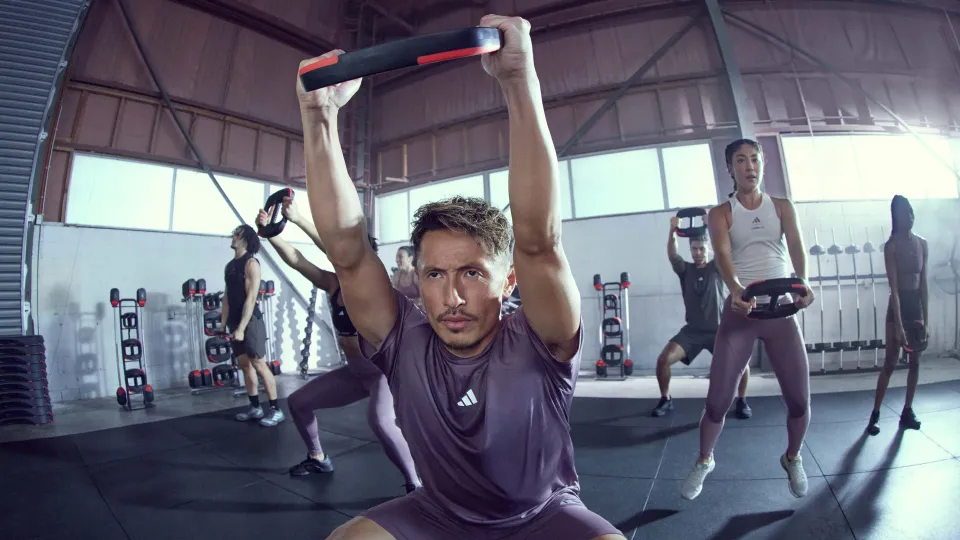
Hastings legt uit dat het opbouwen van dit soort corekracht voortkomt uit geïntegreerde coretraining. “Dat betekent dat je de rompspieren gebruikt terwijl je de boven- en onderlichaamsspieren belast, met oefeningen zoals planken, hovers en squatbewegingen.” Er is volgens Hastings nog steeds een plek voor geïsoleerde core-oefeningen zoals crunches, maar het trainen van de core terwijl je ook de armen en benen belast, zorgt voor het soort spiersamentrekking dat we het vaakst nodig hebben.
#2 PLANKS BLIJVEN ONMISBAAR
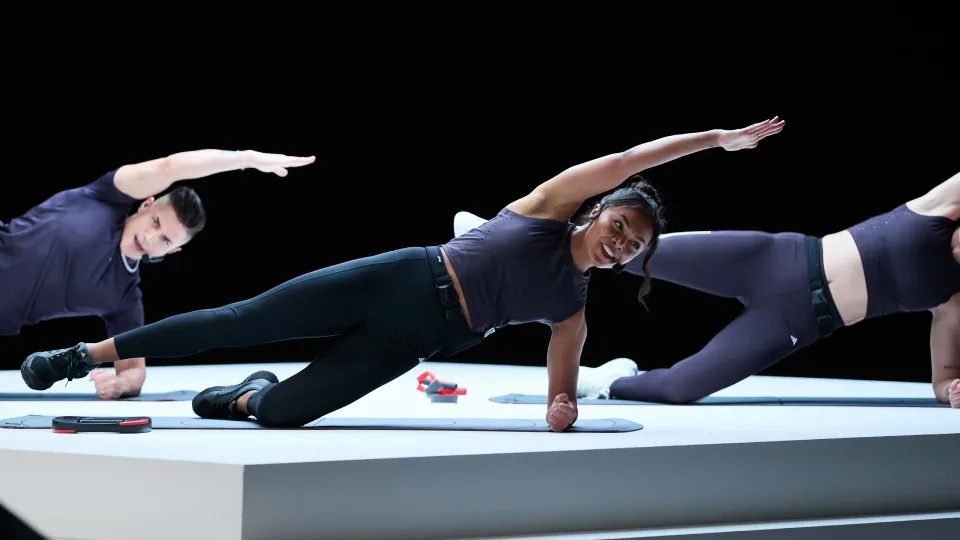
Volgens experts zijn planks nog altijd onovertroffen voor een sterke core. “De klassieke plank blijft de beste core-oefening,” zegt bewegingswetenschapper Dr. Jinger Gottschall. “Je activeert de rompspieren in drie dimensies – van schouder tot heup, van rug tot buik en aan beide zijden.”
Onderzoek toont aan dat isometrische oefeningen (zoals planken, waarbij je een houding vasthoudt) de spieruithouding sterker verbeteren dan dynamische oefeningen, minder vermoeidheid veroorzaken en toch veel kracht opbouwen.
Wil je er meer uit halen? De hover (onderarmplank) activeert de meeste spieren. Je kunt de uitdaging vergroten door een arm of been op te tillen, of door beweging toe te voegen – zoals bij een bear crawl – voor extra corecoördinatie.
# 3 CROSS PATTERNING VOOR DE WINST
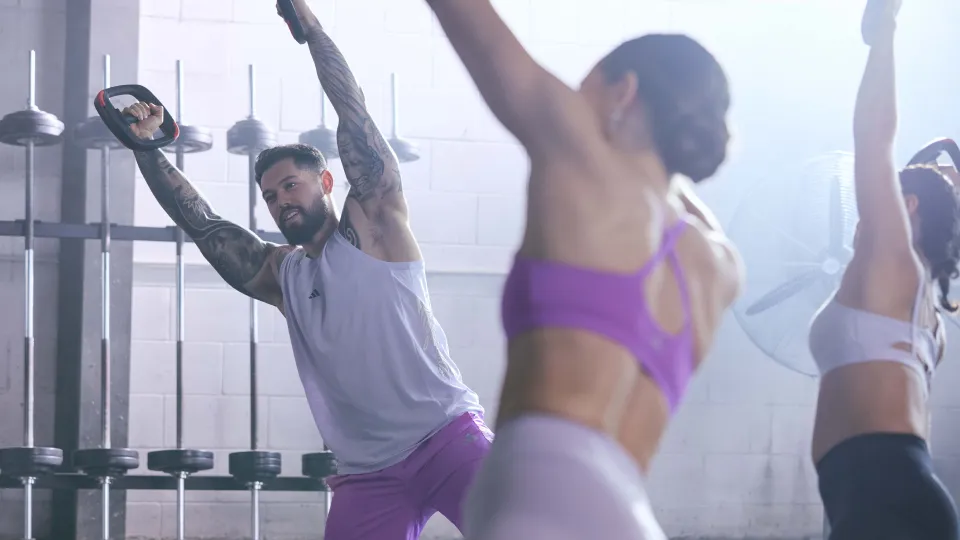
Volgens Dr. Gillian Hatfield groeit de aandacht voor cross-patterning (bewegingen waarbij de tegenovergestelde arm en been samenwerken, zoals bij de Bear Crawl en Dead Bug). Dit type training is zeer functioneel, omdat het de natuurlijke kruisbewegingen van het dagelijks leven nabootst. “Denk aan lopen of rennen,” legt ze uit. “Je armen en benen werken tegengesteld: als je rechterbeen naar voren gaat, beweegt je linkerarm mee.”
Hatfield verwacht dat coretraining steeds meer zulke volledige lichaamsbewegingen zal bevatten, vooral onder atleten die hun prestaties willen verbeteren. Voor hardlopers is het bijzonder effectief: onderzoek toont aan dat een zes weken durend geïntegreerd coretrainingsprogramma hun loopefficiëntie, symmetrie en snelheid verbeterde met gemiddeld 66 seconden winst op een 5 km-loop.
#4 MEER COREWERK ZONDER DAT JE HET DOORHEBT
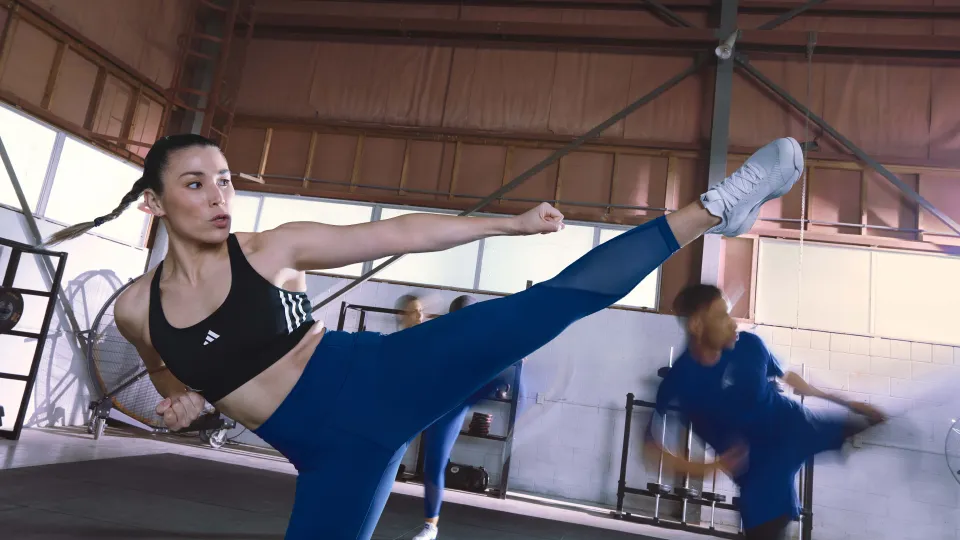
Functionele trainingen of krachtcircuits lijken misschien geen typische coreworkouts, maar ze vragen juist veel van je rompspieren. Dit heet reactieve coretraining – je core reageert en versterkt om stabiliteit te behouden bij onverwachte bewegingen. Workouts zoals LES MILLS FUNCTIONAL STRENGTH en LES MILLS CEREMONY zijn hier perfecte voorbeelden van. Volgens Bryce Hastings zorgen ook trappen, stoten of sprongen over een basketbalveld voor een verrassend goede coretraining.
#5 TECHNOLOGY FOR TOP TECHNIQUE
Wearables meten hartslag, stappen en calorieën, maar helpen ze ook bij je houding tijdens een plank? Volgens Dr. Hatfield staat de coretrainingswereld klaar om biofeedbacktechnologie te omarmen – zoals sensoren of AI-coachapps die je helpen met perfecte techniek.
Nieuwe apparaten voor buikspiertraining? Waarschijnlijk overbodig, zegt Bryce Hastings: “Als iemand met een sixpack naast zo’n apparaat staat, heeft hij die waarschijnlijk niet dáármee gekregen.”
Dr. Gottschall benadrukt dat variatie leuk is – gewichten, weerstandsbanden of een bal kunnen extra uitdaging geven – maar apparatuur is niet nodig om een sterke core op te bouwen.
FRESH THINKING FOR INJURY PREVENTION
For years, physiotherapists and chiropractors have been the first port of call for anyone looking to recover from the acute effects of having a weak and unstable core. Now, with more people realizing a strong core can prevent back pain and reduce leg injuries, people are turning to fitness professionals for preventative advice – and it all hinges on core strength.
In the past, many rehabilitation specialists and fitness professionals have had an obsession with isolated exercises targeting small muscles like the transversus abdominus and the multifidus. Early research showed that in injury-free participants, these small muscles turned on in advance of arm or leg movement, but their firing was delayed in people with lower back pain. This was commonly misinterpreted and the belief emerged that these small muscles were super important in "spinal stability". However, more recent research shows this isn't the case. "We now know the importance of engaging the global muscles of the trunk, as well as the arms and legs," says Hatfield. Based on this, we can expect even more focus on cross-patterning and using exercises involving upper and lower extremities, in addition to the core muscles.
WHY CORE STRENGTH MATTERS MORE THAN A SIX-PACK
We're waking up to the fact that washboard abs aren't everything. “The real value of core training is not a chiseled six-pack; it's how it improves full-body functionality," says Hastings. "The best thing about core training is the better strength in the abs, glutes and back muscles, which makes you better at lifting, running and doing anything that requires power."
"We all have a six-pack, most of us have just got stuff covering it up!" He adds, "If you want to trim your waistline, you're way better off doing something to shed body fat. But, really, it would be better to see a trend where people forget about creating washboard abs and just try to get as strong and healthy as we can."
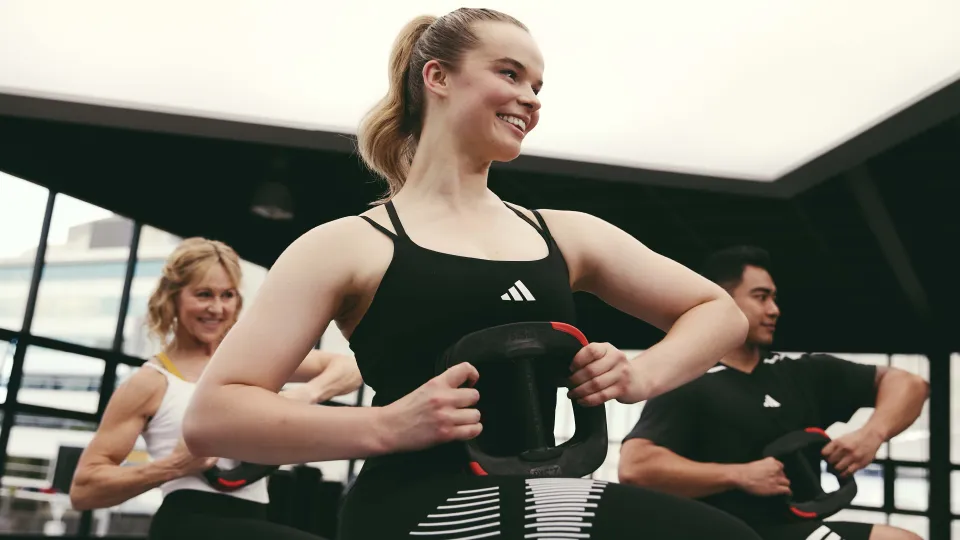
KEEN TO STAY ON TOP OF THE TRENDS?
LES MILLS CORE™ is the ultimate science-backed core workout. With a new release every three months, each workout features a combination of proven exercises and new core innovations.
FIND A WORKOUT WORK OUT ON DEMAND
Bryce Hastings
A global expert in the science behind group training, Bryce Hastings has led ground-breaking research and collaborated with internationally-renowned research partners to unearth the latest and most effective fitness techniques. He has co-developed research programs on core conditioning, high-intensity interval training and exercise strategies for sedentary individuals, while also having a critical role in ensuring every LES MILLS™ program is safe, effective and grounded in science.
Dr. Jinger Gottschall
A passionate advocate for physical activity, Dr. Gottschall has dedicated her career to finding programs that promote balanced, healthy lifestyle choices while delivering the results they promise. This has involved leading numerous studies exploring exercise efficacy and founding the FITOLOGY group training studio. She earned her doctorate degree in integrative physiology from the University of Colorado at Boulder, then furthered her academic career as a postdoctoral fellow in neurophysiology at the Emory School of Medicine, and as an Associate Professor in Kinesiology at The Pennsylvania State University. Dr. Gottschall is an Adjunct Associate Professor in the Department of Biobehavioral Science at Columbia University, a Science Advisor for the American Council on Exercise and a member of the Les Mills Research team.
Dr. Gillian Hatfield
Dr. Gillian Hatfield is a biomechanics and athletic injuries teacher and researcher, with a background in physiotherapy. She specializes in biomechanics and muscle activation patterns, with a particular interest in the effect of exercise interventions on knee osteoarthritis or low back pain. In addition to being an Associate Professor in Kinesiology at Canada's University of the Fraser Valley, Dr. Hatfield is also a certified Les Mills Instructor and member of the Les Mills Research team.

Sign up to Fit Planet and get fresh health and fitness news and advice straight to your inbox. Subscribe
FIT PLANET SIGN UP
Sign up to Fit Planet and get fresh health and fitness news and advice straight to your inbox.
FIT PLANET SIGN UP
More about the author
Emma Hogan
Emma is a health and fitness writer with 20 years of experience creating evidence-based features that bridge the gap between scientific research and real-world application. Based in New Zealand, she works with global exercise scientists, physiotherapists, and internationally recognized fitness experts to uncover the latest insights in health, fitness, and human performance.
Known for making complex topics accessible and engaging, Emma writes on everything from strength training and recovery to motivation, behavior change, and lifelong wellbeing. Her work helps readers navigate an increasingly crowded health landscape and make informed choices grounded in credible research rather than trends or misinformation.

Fit Planet
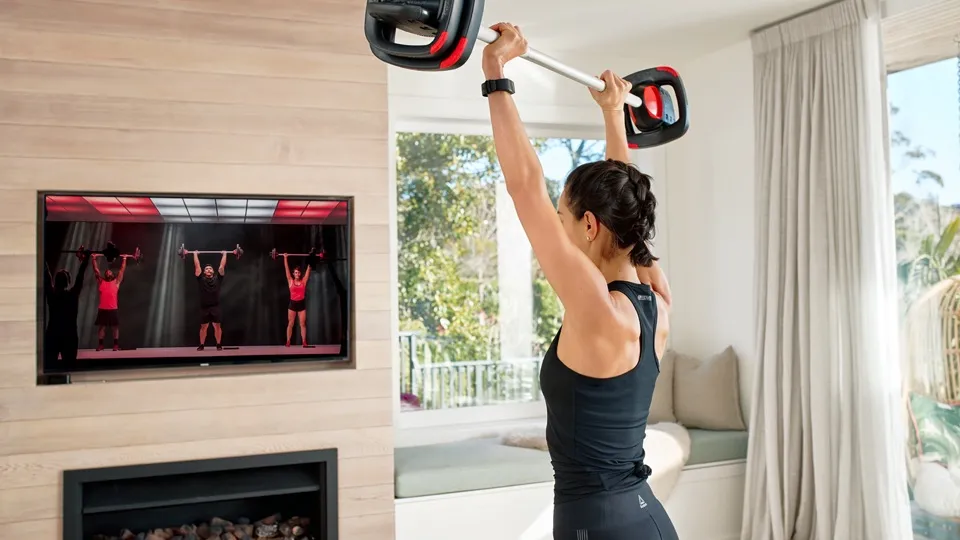
Home exercise hacks: The tips home exercisers swear by
Fit Planet
Why exercise fights depression: scientists uncover how muscles talk to the brain

Fit Planet
Exercise for mental health: What the research says about feeling happier, healthier, and more resilient
Fit Planet
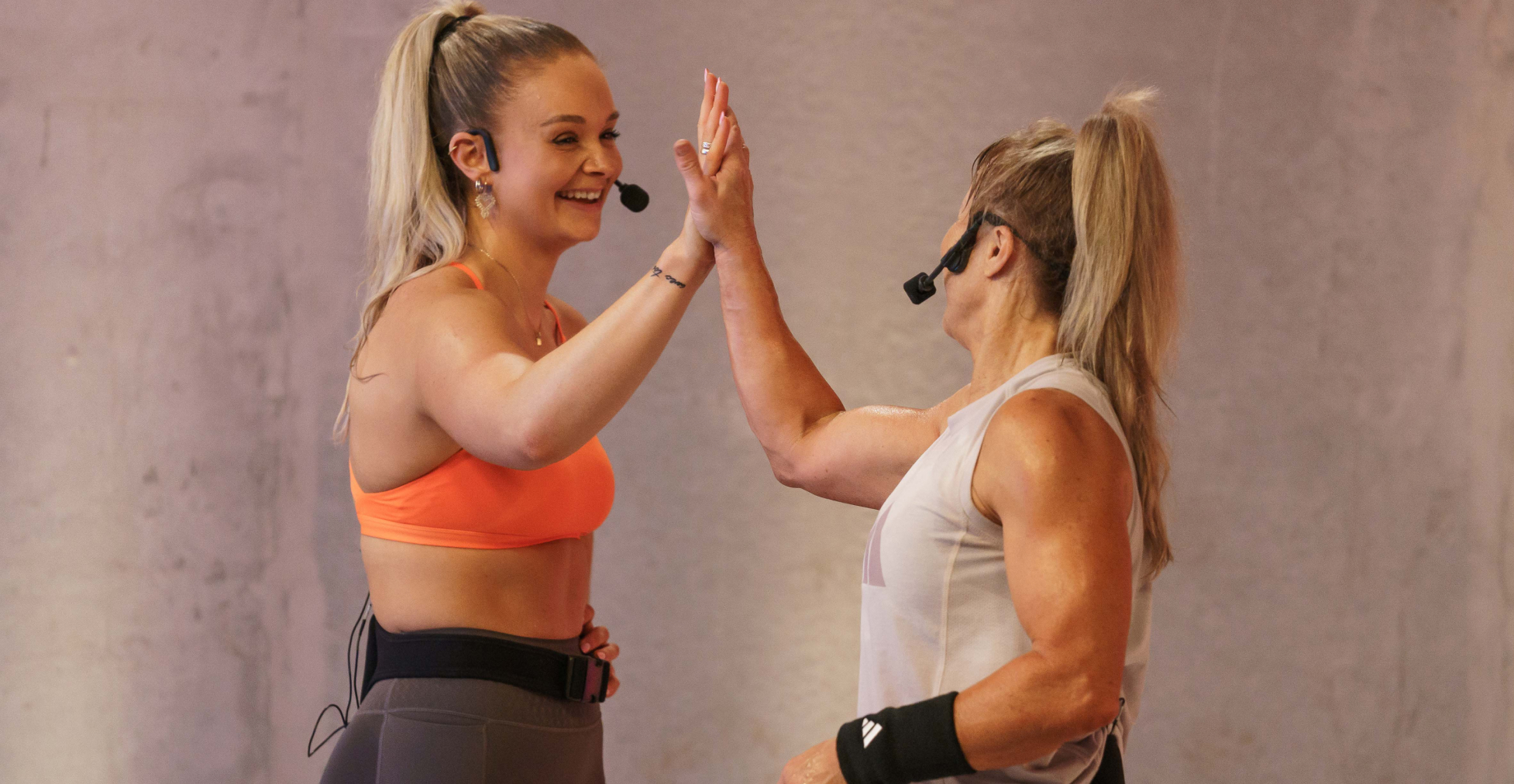
How to become a group fitness Instructor: A step-by-step guide
Fit Planet
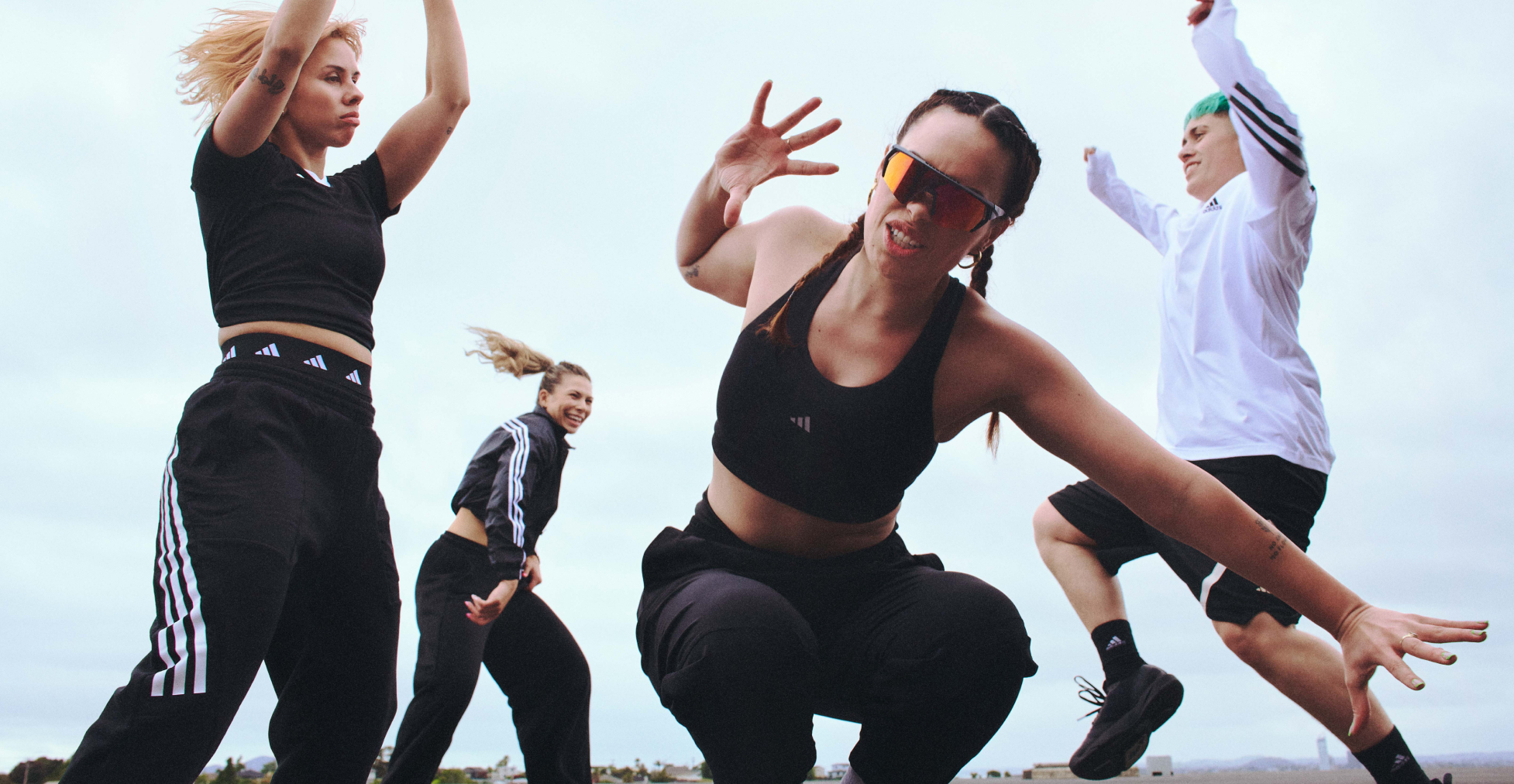
Why music makes exercise feel easier, more enjoyable, and more effective

Fit Planet
Are you eating enough to support your workouts? 7 signs you're under-fueling your training
Fit Planet
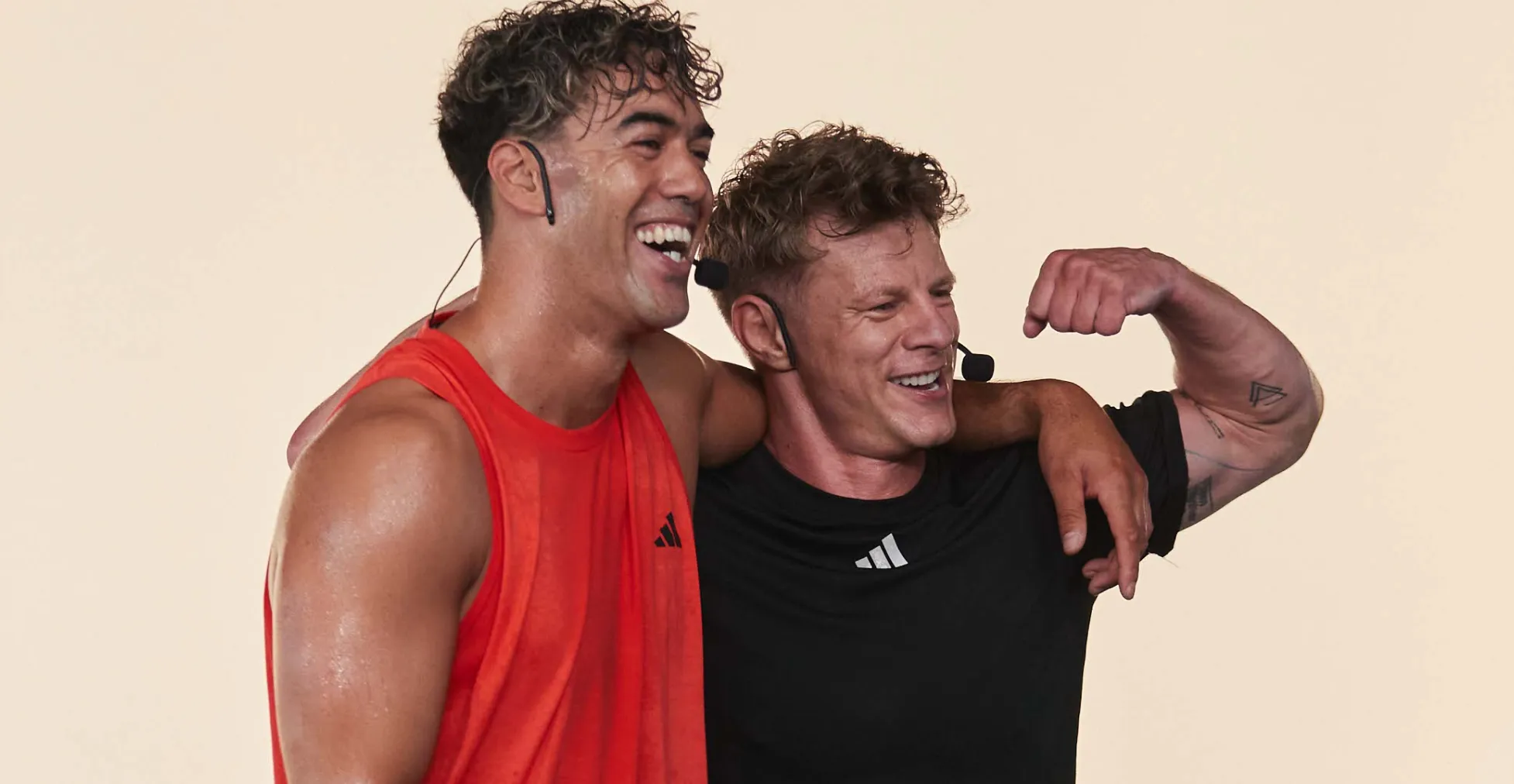
10 signs you'd make a great group fitness Instructor
Fit Planet
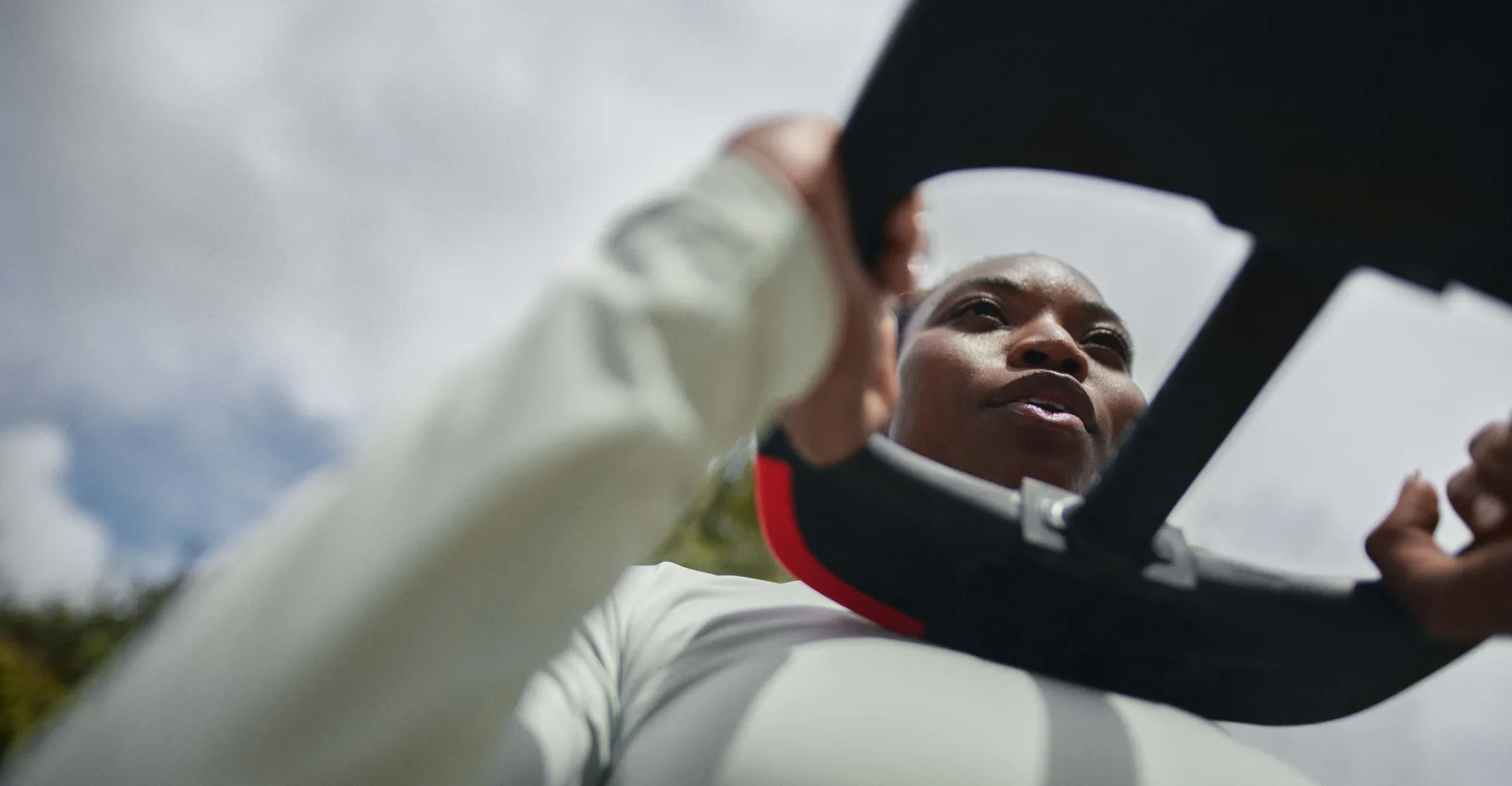
Does exercise help you lose weight? What the science really says
Fit Planet
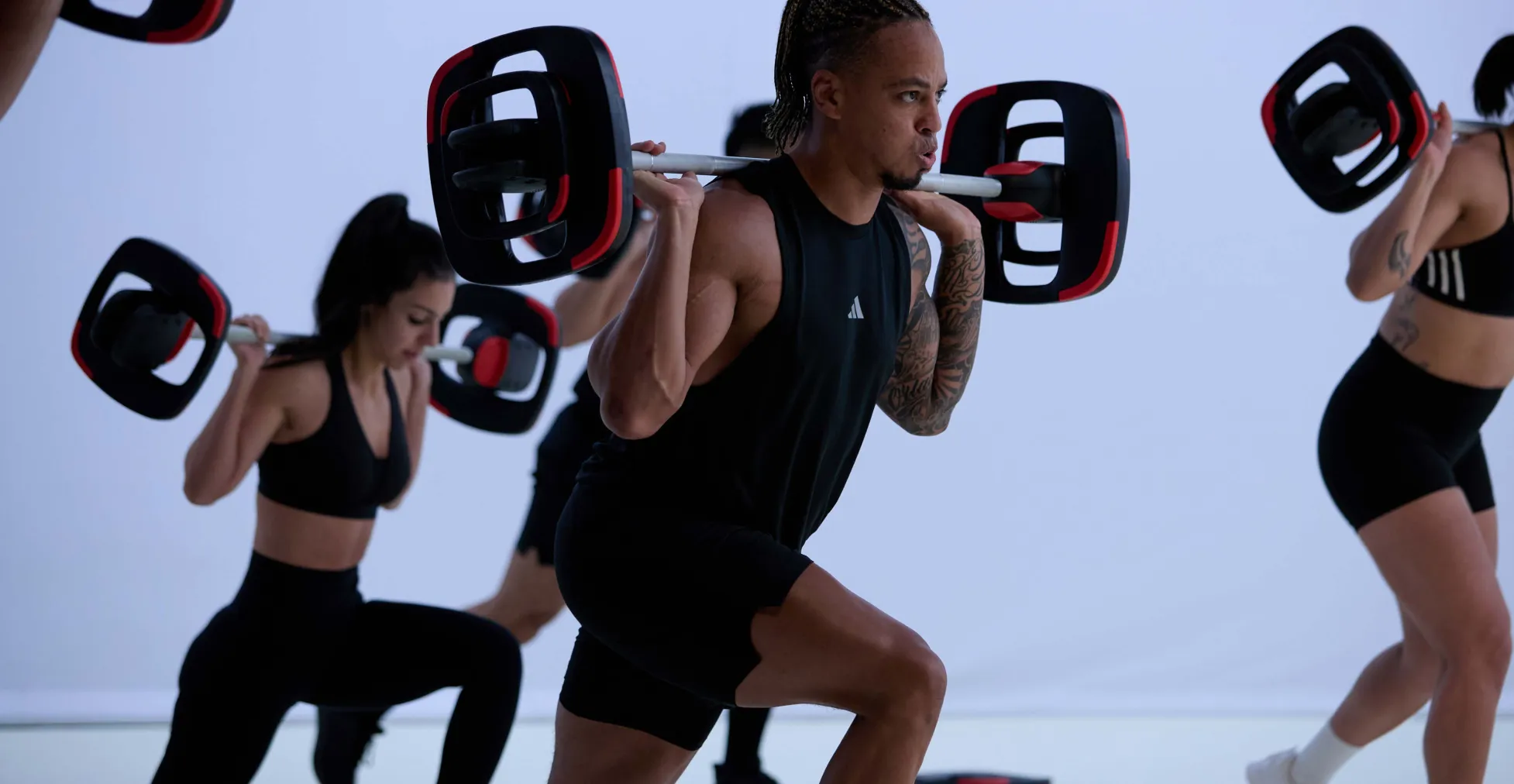
How much strength training do you need to live longer? Scientists say 90-120 minutes per week
Fit Planet
TRAINING EN MENSTRUATIE: STEM JIJ JE TRAINING AF OP JE CYCLUS?
Fit Planet
When is the best time to exercise? Morning vs evening workouts explained
Fit Planet