Your 2026 group training playbook: An operator’s guide
From programming and studio design, to Instructor recruitment and virtual integration, a clear strategy for group training is central to its success. Brett Sutton, CEO of leading club chain Les Mills New Zealand (LMNZ), shares how operators can maximize impact and stand out in a competitive market.
What role does group training play in your clubs?
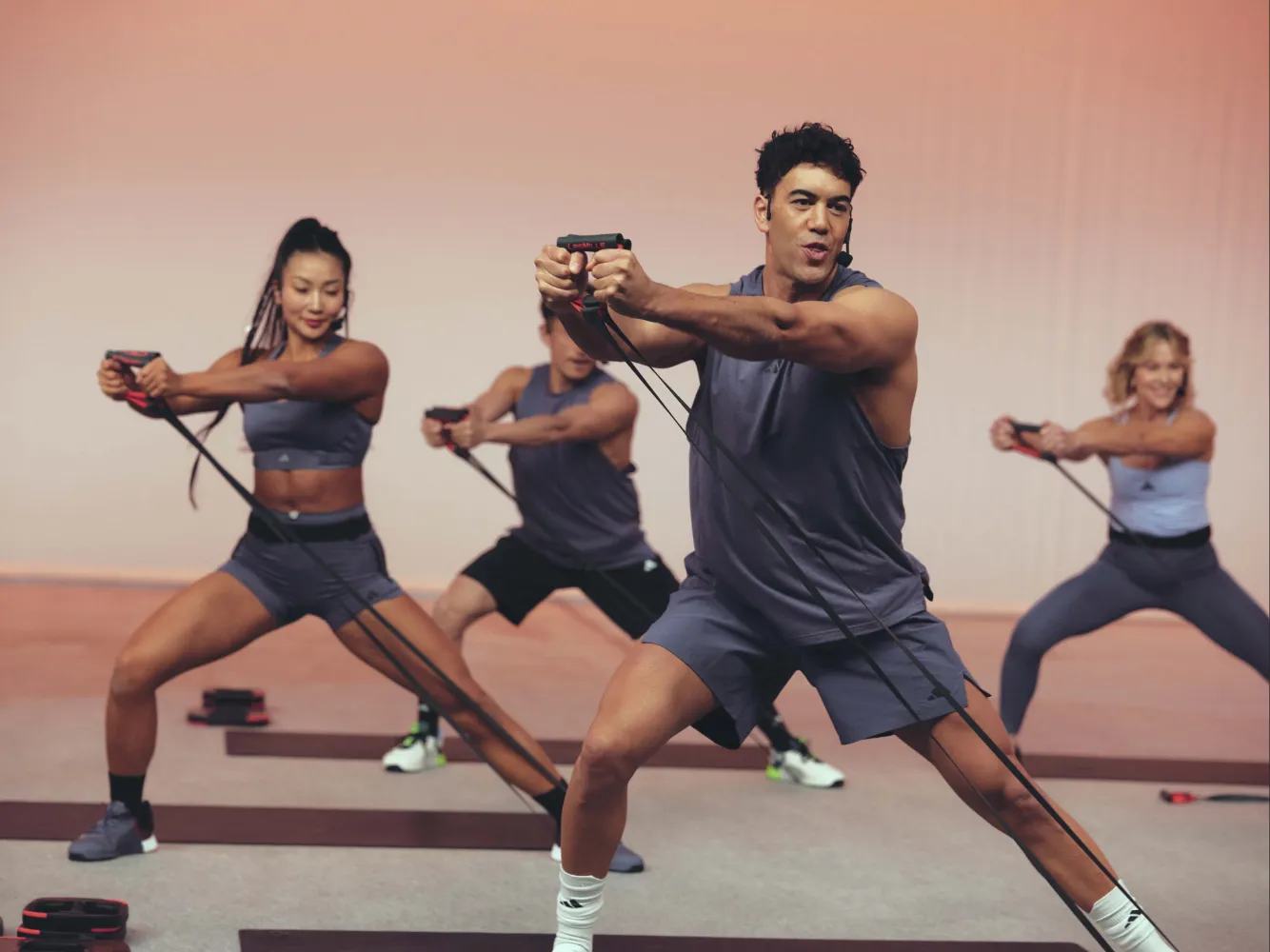
Brett Sutton (BS): It plays a significant role. A key goal is to create throughput in our peak environments, so we build spaces that can house large numbers of people. We balance the design, space allocation and timetable management in our clubs to ensure we can significantly handle loads on changing rooms, car parking etc. As such, group training accounts for roughly 50% of our total club attendance.
We see our group training model as a differentiator in the market, so we really lead with this to make sure that it stands out. We have a very broad value proposition, so we try to showcase the whole club offering, but group training is a standout component.
What role does group training play in bringing your community to life?
BS: It’s an integral part of motivating our members – they want to work out with like-minded people. Often, they won't know anyone else in a class, but the connection with other participants and the Instructor helps grow community for us – we see that time and again. Helping create an end-to-end experience is one the key roles for our Instructors. From welcoming people into the class, to remembering their names and helping members feel they belong and are welcome in the environment.
It makes a massive difference to how somebody feels if they are anxious about being in the club in the first place. The same goes for the back end of the class, seeing people out and reminding them we’re looking forward to them coming back – it’s so important.
What does a great group training environment look like?
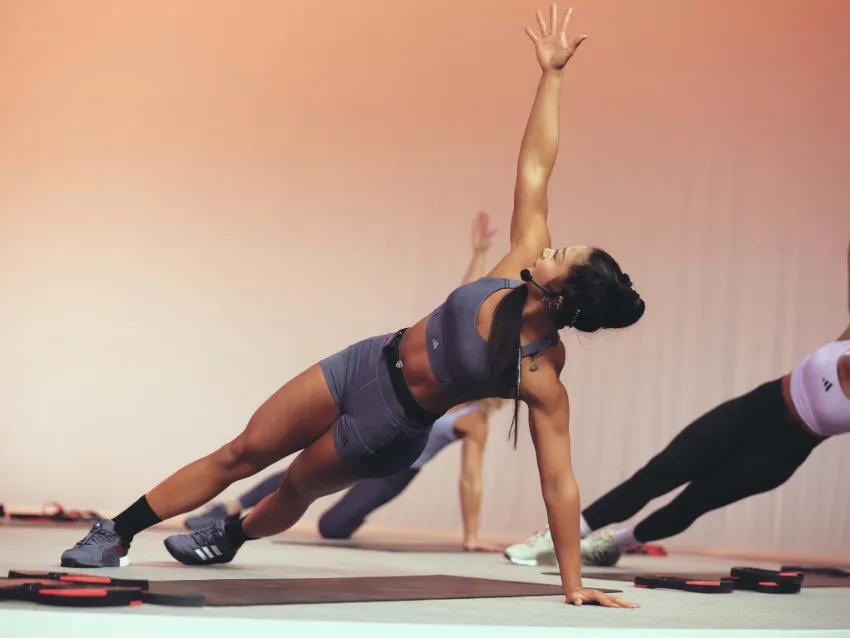
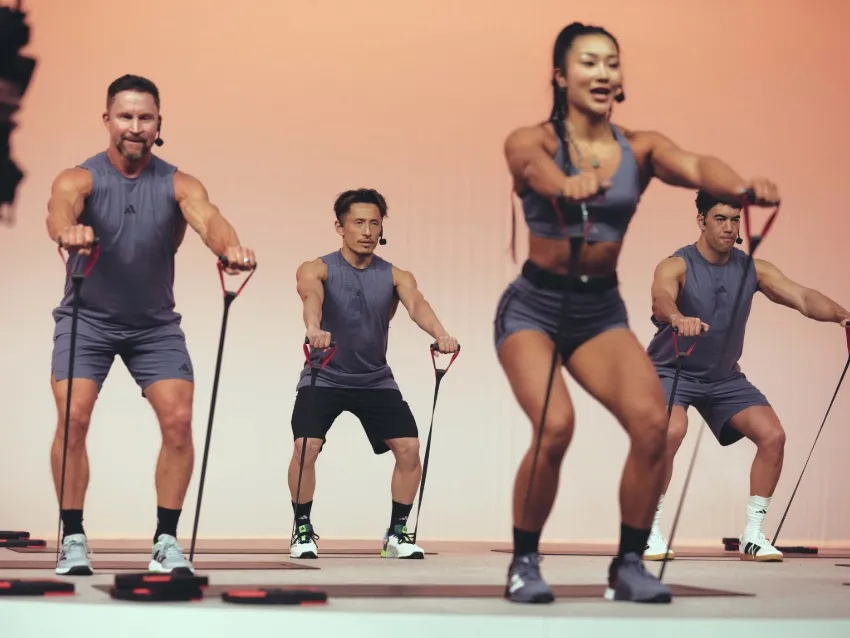
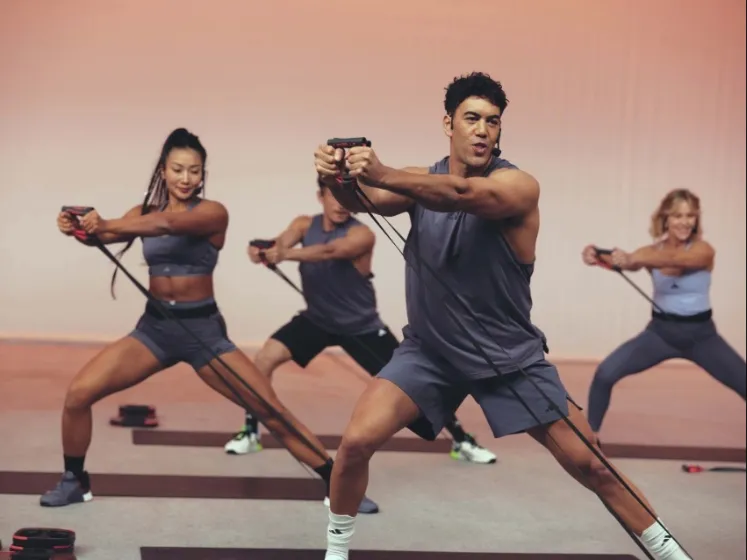
BS: It starts with programming, closely followed by rock star Instructors. Making sure you’ve got great Instructors teaching the right range of categories and programs that meet your members’ needs. Once you understand what programming fits your member profile, the next step is to focus on the environment. For example, if you think about HIIT workouts, people want to walk into those spaces feeling like an athlete. In our clubs, we obsess the environment – every aspect from the equipment, setup, lights, and sound. We obsess those details so that members step into a truly immersive workout environment. And it creates the ability for members to really focus their mindset by removing any distractions – and that whole approach lifts the workout itself.
How do you measure the effectiveness of group training?
BS: We have a dashboard tracking class attendance for each hour of the day. We measure it over periods of time to make sure the class is either holding its own or exceeding expectations. If classes start to sink, then we assess if it’s related to a time slot, Instructor or program. And if we see a long-term change in those numbers, then we'll look at those three key elements to see if one or more of them needs to be altered to get it back on track.
We also respond to trends in market and listen to what they’re telling us from a programming perspective. If we see things coming through like the surge in Pilates – and we've seen a real uptick in demand for that workout – we’ll start to swap out like-for-like programs so that we continue to capture a market that is interested in Mind/Body programs, but is also responding to what the demand is at the time in the marketplace.
What tips do you have for competing in a crowded market?
BS: In an environment where low-cost operators are selling the offer of weights and plates, our strength is in our value proposition and differentiation. Operators have to pay close attention to how they articulate what members get for the money they pay. A key differentiator for us is how we bring group training to life and the nature of the workouts that we have in our club, supported by a strong gym floor offering. Making sure that we do it better than the next club, whether that's in equipment quality, layout, the size of the space – whatever – it lifts the environment and creates value perception.
Being crystal clear about where you sit in the market is key. If a low-cost operator drops next door to you, being critically disciplined about your offering and not just dropping your price to compete is essential. It's not a race to the bottom. You've got to bring your value proposition to life and articulate that beautifully through your marketing, people and product.
How do you approach Instructor recruitment?
BS: It starts with the environment on offer. Participants need to feel inspired by simply taking part in a workout. If the environment is special, people start to see themselves as an Instructor, and we get a lot of leads through that mechanism. Secondly, our group training managers play a considerable role. We’ll have them regularly standing at the back of a class watching participants’ movement. If someone stands out as moving well, we'll have a conversation to ask if they’ve considered teaching the class and whether it’s of interest to them. And if it is, we’ll offer support to nurture and develop them through our Instructor development program.
How do you get studio-shy members into your classes?
BS: We find that young males can be elusive when it comes to the studio. We try to counter that by harnessing the power of Instructors. We find that if we have young male Instructors in programs like THE TRIP and LES MILLS CEREMONY™, people will follow them. Word gets around pretty quickly when there's a great Instructor in that environment, and once the numbers climb, they stay pretty consistent.
Additionally, onboarding is a critical element for getting young males into classes and really demystifying what goes on in the studio. Making sure we’re cognizant of what they want to achieve and how we can balance their goals with the gym floor, versus what they can achieve in the studio. Asking if they’ve considered balancing their strength training with core work, Pilates or an environment where they're doing exercises under more control. We want to demystify the preconceptions and open the gate in terms of what is available in our studios that might appeal to them.
Where does group cycle fit into your strategy?
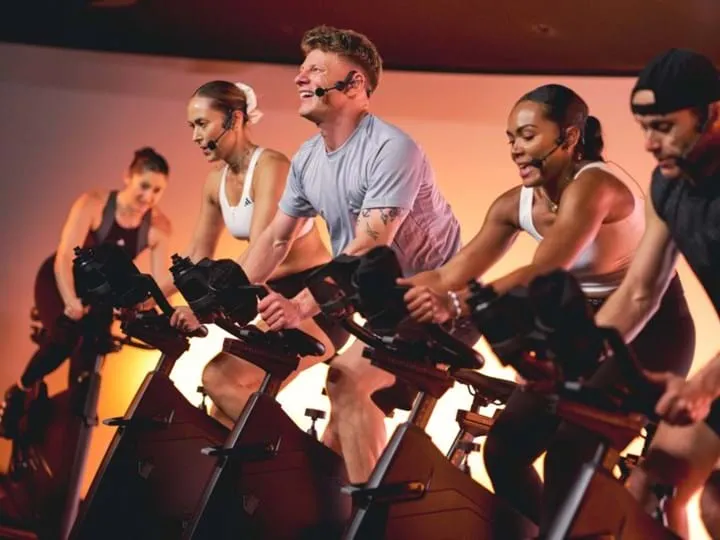
BS: It’s a core pillar. There are three key steps to executing group cycle well: environment, programming and Instructors. The environment needs to be aspirational. It's not just a room with a bunch of bikes and a couple of speakers. It’s a room that can really put people into an immersive type of workout. The allocation of speakers and the distribution of the noise can really elevate things to a concert experience. Lighting that can be adjusted through the course of the workout is critically important to how people will feel in the workout, underscoring the feeling of being an athlete in that space.
Then you’ve really got to invest in Instructor training. Just setting somebody up to teach a class and letting them fly with it is not good enough. You have to develop your team to become world-class athlete Instructors at the front of your room who inspire people to come to their workouts.
The great thing about group cycle is that it’s our most profitable space per square meter. We can fit more people into a cycling space than any other workout. So having that throughput and density within your cycle studio is super powerful. Because of the darkness and the simplicity of the movements, it's also a space where people can enter the class and feel less intimidated than they might in an ordinary class. We find a lot of people come to cycle at least once a week to balance their workouts and have some fun.
How do you strike the balance between aspirational and inclusive marketing for your club?
BS: It’s important to know how we are perceived as a brand in the market. We lean on research and feedback to ensure we have a clear view on that perception. We have an internal view, but it’s important to augment that with the consumer view of us. We’re an aspirational brand, but we need to be relatable and inclusive within our club environments. We did some research and have taken an approach with our marketing whereby we combine the two. We launched our ‘Be Imperfect’ campaign late last year and then had our best ever January, so it clearly struck a chord with audiences we’d previously struggled to reach. Often people's perception of what's in the box is different for them once they walk inside the box – especially when they realize there's a bunch of people that look like them there.
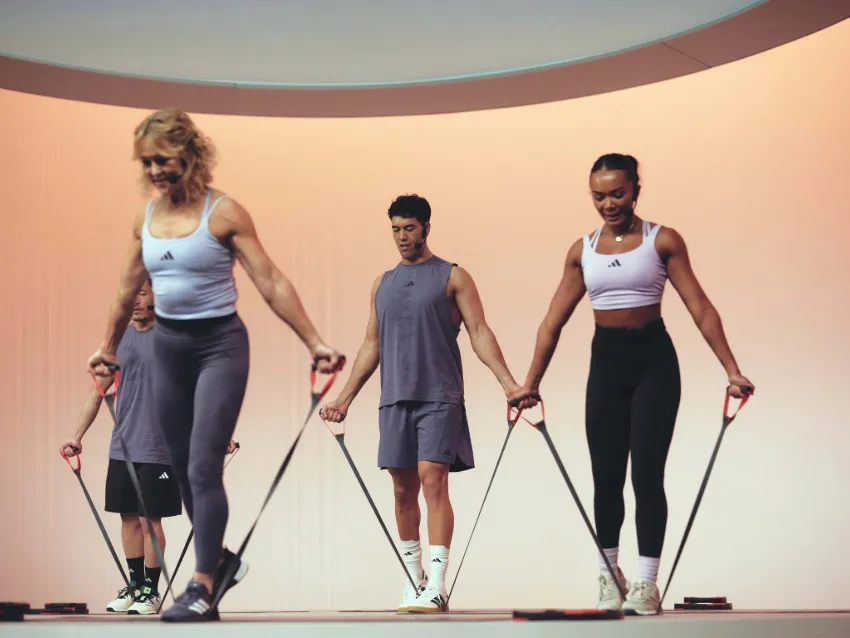
How do clubs maximize the potential for virtual group training?
BS: Virtual is a key component of our overall timetable, supporting off-peak and fringe moments of our schedule. Live is still king for us, but we recognize there are moments in our day where we don't have enough people in to be able to run a live class, particularly in off peak timeslots, so virtual helps expand our offering in a way that’s cost-efficient.
What we’ve learnt with virtual is that people really enjoy the convenience of being able to come to the club at any time of the day to do a workout. They see it as a gateway to a live class. They go in there and test the workout, get comfortable with setting the equipment up, and get a feel for the movements of the workouts that they're interested in before they navigate their way into a live environment. It makes them feel a little bit more secure and confident as they transition into that setting and you’ve got to remember that the Instructors on the screen are some of the best in the world.
We've seen some real success through virtual, particularly with THE TRIP™. In our clubs, THE TRIP has an average of 10 people per virtual workout, which is an astounding number when you think about the fact that these are off-peak times and it's a reduced experience as opposed to full screen.
WANT MORE LOYAL MEMBERS IN YOUR CLUB?
Get the report that tells you who your Most Valuable Participants (MVPs) are, the areas of the club they're gravitating towards, and how you can drive growth and retention by creating more of them.
WANT MORE LOYAL MEMBERS IN YOUR CLUB?
card.jpg)
Clubs and Facilities
Infographic: The hidden barriers holding lifters back
Clubs and Facilities
Strength has a confidence crisis. Here’s how your club can solve it.
Clubs and Facilities
Bring festival energy into your club and watch engagement soar
Clubs and Facilities
The pioneering strength upgrade CLUB4 members can’t get enough of
Clubs and Facilities
Infographic: Why wellness is your next big opportunity

Clubs and Facilities
Wellness wins: Why 94% of members can’t live without their gym
Clubs and Facilities
Strengthening the Body & Mind Experience at Mälarö Träningsverk
Clubs and Facilities
A prescription for active living: How LES MILLS THRIVE is helping communities return to fitness
Clubs and Facilities
Infographic: The 2026 member mindset guide

Clubs and Facilities
2026 Global Fitness Report: Strength and Wellness to drive next wave of member growth
Clubs and Facilities
Your 2026 group training playbook: An operator’s guide
Clubs and Facilities