LOW-CARB, NO-CARB OR PRO-CARB?
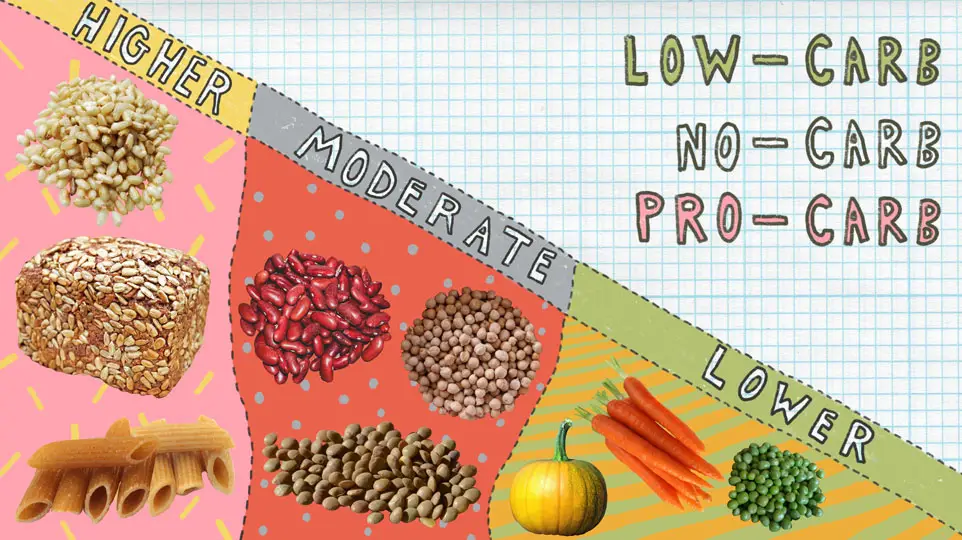
Diets very low in carbohydrates are in vogue, so what do you need to know about their effects, when not all carbs are created equal?
Food, like everything in life, goes through trends and cycles. So does nutrition. Back in the early to mid 2000s there was one diet that reigned above all others: Atkins. A low-carb, high-protein, high-fat diet, it was all the rage, especially in the US. Atkins-branded products filled the shelves and Atkins books sold in the millions. All over the world, people loaded up on bacon and eggs for breakfast – hold the toast.
The Atkins diet eventually faded from fashion. People found its restrictions hard to stick to; people who’d lost weight gained it back again. Atkins himself died in 2002 from injuries caused in a fall on an icy sidewalk, but medical records showed he weighed 258 pounds and had a history of heart attacks and hypertension. His company eventually went into bankruptcy.
Today we know much more about carbohydrates and nutrition. But low-carb diets are having another moment, with the keto or ketogenic diet the current low-carb plan du jour.
The basic premise of this diet is a focus on limiting carbohydrate. Keto, dieters eat very small amounts of carbohydrate foods, but load up on fat and some protein. Keto dieters typically cut carbs to less than 50 grams a day – that’s about what you’d find in a couple of apples. (Most healthy eating guidelines around the world recommend upwards of 200 grams a day of carbohydrates).
The ketogenic diet originated in the 1920s as a treatment for children with epilepsy, for which there’s evidence it helps. It’s also been studied for the potential treatment of other conditions such as autism and brain cancer. The theory is that your body will use ketones from stored fat as its preferred fuel source, instead of glucose from carbs. Ketones are produced by the liver from fat when the body is starved of carbohydrates.
But what about regular people wanting to lose weight and be healthy? Do very low-carb diets work? Should we all be ditching the bread, and just eating the butter?
Some people who are on low-carb diets will tell you they’ve lost weight and they feel great. Anecdotally, it seems to be a way of eating that works for some. In this respect, keto seems like any other diet: it’ll work for some people, and some people will be able to keep it up for the rest of their lives, which is what you need to do to sustain the benefits of any diet. If you need to lose weight for health, and this seems to suit you, this is one way to do it.
For others, this will be too restrictive and just too hard to stick to, just as Atkins was.
There’s not much in the way of long-term evidence to show benefit or harm from a very low-carb diet so far. It works, science says, just about as well as any other diet for weight loss.
There are some notes of caution, however.
Nutritionists warn a low-carb diet is likely to leave dieters short on fiber, which could have potential life-shortening effects; the latest research suggests we need at least 30 grams of fiber a day to lower our risk from conditions including bowel cancer and heart disease; high-fiber eaters also live longer. Getting 30 grams of fiber a day is potentially tricky without any grains or legumes in your life.
Experts also warn of a possible downside for the gut bacteria, which loves the food it gets from different types of fiber from a wide range of foods. Ideally, our fiber should come not only from leafy greens, but from starchy vegetables, fruit, grains and pulses, which are often eliminated in low-carb diets.
Here it’s worth remembering that carbohydrates come in many, many forms, from carrots to cupcakes, and they’re definitely not all created equal.
Since carbohydrates are the preferred fuel for most cells in the body, and our main energy source, it is worth including them in our diets – especially if we’re exercising regularly.
GOOD CARBS, BAD CARBS: WHICH TO EAT AND WHICH TO AVOID
Some carbohydrate foods are going to give us a real health bonus. And some we’re better off without.
What do carbs do?
At a basic level, carbohydrates are important for fueling the body and brain, protecting our muscles and feeding the bacteria in the gut. The best kinds of carbs are generally whole and unprocessed.
Foods higher in carbs
The highest of the carb-containing foods are breads: pasta, rice and other grains. The whole-grain versions of these – brown rice and grainy bread rather than the white versions – have a lower rating on the glycaemic index and are higher in fiber. That’s good for energy levels and gut health.
Foods with moderate carb content
Lower in carbohydrate are legumes – chickpeas, beans, lentils and the like – and these provide different useful types of fiber as well as some protein. Starchy vegetables (potatoes, sweet potato etc) are not as high in carbohydrate as we might imagine. A potato is about 13 percent carbohydrate; a sweet potato about 20 percent. For gut health we’re wise to include these, especially when cooked and cooled. In that state they contain resistant starch, an important type of fiber our gut bacteria love. Most fruits are the same, even when they taste sweet.
Lower-carb foods
Vegetables such as carrots, pumpkin and peas – which we might believe are high in carbohydrates – are really moderate in carb levels, at below 10 percent. Along with all other vegetables and fruit, they contain vitamins and minerals and all the goodness that comes from colorful plant foods.
Carbs we don’t need
In terms of carbohydrate foods we don’t need, think refined: all the stuff made with white flour such as cakes, cookies, sugary cereal, biscuits and junk food. Once in a while these are okay, but on a regular basis we’re better off replacing them with whole food versions.
Niki Bezzant is a New Zealand-based food writer, editor and commentator. She is the founding editor (now editor-at-large) of Healthy Food Guide magazine, and is currently president of Food Writers New Zealand and a proud ambassador for the Garden to Table program which helps children learn how to grow, cook and share food. She is a member of the Council of Directors for the True Health Initiative, a global coalition of health professionals dedicated to sharing a science-based message of what we know for sure about lifestyle and health.

Fit Planet
Exercise for mental health: What the research says about feeling happier, healthier, and more resilient

Fit Planet
How to become a group fitness Instructor: A step-by-step guide

Fit Planet
Why music makes exercise feel easier, more enjoyable, and more effective

Fit Planet
Are you eating enough to support your workouts? 7 signs you're under-fueling your training

Fit Planet
10 signs you'd make a great group fitness Instructor

Fit Planet
Does exercise help you lose weight? What the science really says

Fit Planet
How much strength training do you need to live longer? Scientists say 90-120 minutes per week

Fit Planet
Should you change your workouts based on your menstrual cycle?

Fit Planet
When is the best time to exercise? Morning vs evening workouts explained

Fit Planet
What is CEREMONY HYROX? A complete guide to the new Les Mills x HYROX workouts

Fit Planet