

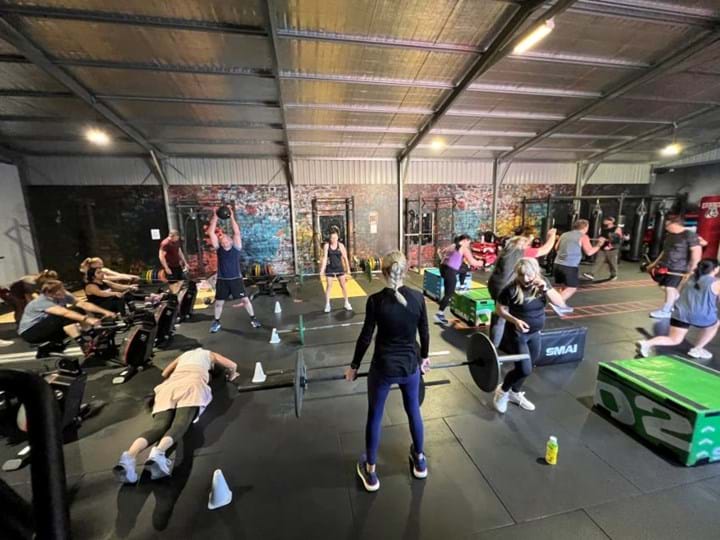
Mel, you recently inspired four group training members to become Instructors. What factors do you consider before encouraging someone to make the leap?
Mel Tempest (MT): Most of them have been coming for a while, full of energy in class. A couple had mentioned that they were thinking about becoming Instructors. I’m not one to say: “Just go do it,” because if they train in the wrong program and have a bad experience, they won’t teach at all. Sometimes you know someone will be a good Instructor, but the right program matters. Knowing that was in place played a big role in me asking my members to get trained up because they need the right experience. So, it was fun making sure that the ones that I knew would be great Instructors were married up with the right workout.
What qualities stood out to you that made you believe they were ready? Is there a specific skillset you’re looking for?
MT: For me, it starts with personality, because the skills can be taught, but having the charisma to lead a room full of people through a motivational workout is less straightforward. I want to know they’re the type of person who can create a show performance on stage and get the class from A-Z while ensuring members have a great time doing it. I’m not bothered about how they look or speak – it’s not about perfection; it really is about ensuring they can deliver an experience.
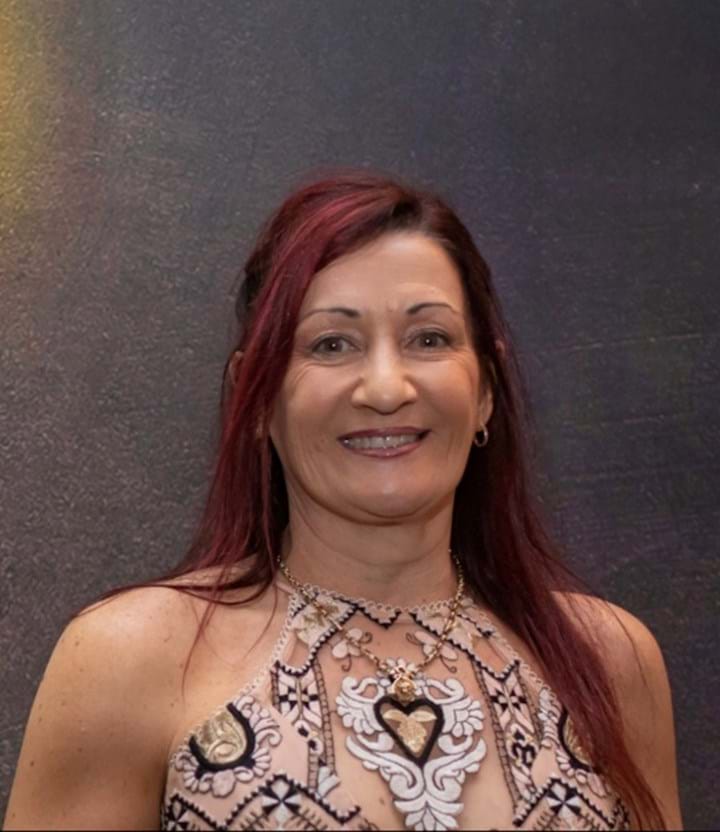
What signals tell you it’s time to start that conversation?
MT: Once you identify the behavior that signals a member is really thriving in a class, just seize the moment! I went up to each of those four members and reminded them that they had been sharing their love of circuit classes with me – and that they’ve been considering becoming an Instructor for some time. Having a new program in LES MILLS CEREMONY™ was a great hook, because it gave me the chance to explain that it’s a new program to our club, but it’s familiar to them in terms of equipment and training category.
My pitch was that CEREMONY would give them the ability to stop for a moment in a class situation, and really focus on the elements of coaching, rather than panicking about choreo. Circuits are a great workout for new Instructors to start with. Once you've built and finessed that coaching experience, then you can move into programs where you're teaching on stage, moving, talking and remembering at the same time.
So it’s important to create an environment of safety?
MT: Absolutely. For example, another member I asked to train in CEREMONY has also trained in LES MILLS SPRINT™. Prior to that, he’d been suffering with extreme anxiety, so choosing the wrong program would have set him back further. But he’s really blossomed into a great coach and trainer. I thought CEREMONY would help him blossom further and gain even more experience teaching. It’s important to encourage emotional safety.
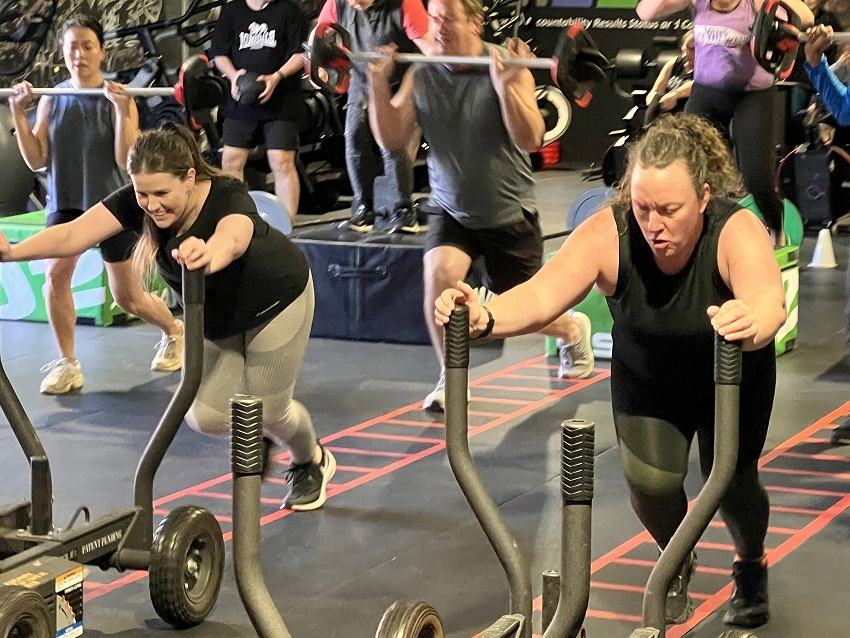
What impact did being shoulder-tapped for instructing have on your participants?
MT: They were all really excited – one in particular went wild! Taking the personal approach was a good chance to reduce fears and explain why we had chosen her for training. She’s a regular circuit attendee, trains that style on the gym floor, is really good at the physical execution and works in hospitality. I just knew those elements would marry up together.
It’s important to join the dots with what people are doing outside of your club, to harness their experience inside it. For example, my club manager, who has trained in CEREMONY, has just started doing HYROX, and she's close to the exercises and workout style. So obviously it was a great opportunity for us and for her.
How did you support your new Instructors through training?
MT: We're very much a community club, so support is central to what we do. We believe everybody should be given the chance to do whatever they want, regardless of whether they’re a member or staff. I always know that financially it could be a strain for some people, and to be honest, you know your people. So I remove that as a consideration layer for people by paying for everyone’s training. But what’s key is I’m choosing people I really believe will be excellent coaches.
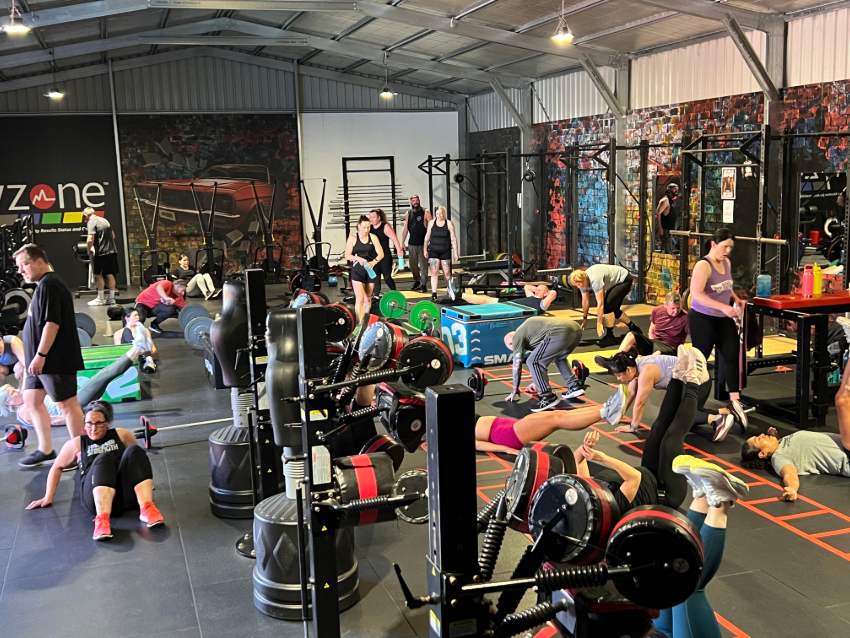
What was it specifically about CEREMONY that felt like a good opportunity for your Instructors?
MT: Every club has circuit trainers, but when you look at the industry, there isn’t really any continuing education for them. It's not like you rock up at HFA or FIBO and say: “I'm going to go do that circuit education on offer”. Circuit trainers are often relying on YouTube, watching influencers, or digging deep on some of the education platforms out there to spark inspiration. We've got an amazing circuit room with really cool kit at Genesis. Why not go get them trained? The structure, training and music are there; now you're going to elevate your coaching skills and have the benefit of a scientifically-tested workout provided for you.
How valuable is it to have Instructors with varied personalities and age groups in shaping your studio’s identity and attracting members?
MT: Our business model has always been all genders, ages, shapes and sizes. If they can coach, nail the physical and experiential side of things for members – anything else is irrelevant for me. It's about the experience they give members because that creates the culture and community, something you can see and feel in our studios.
What tips can help gym managers kickstart member-to-Instructor recruitment?
MT: I have a saying: “The front row want your job. The middle row are thinking about it and the back row say you can keep it.” And every now and then, I’ll drop it in my class and say, “Don't forget that if you're the front or middle row and that applies to you then come and have a chat with us.”
And I’ve found that to work on many occasions. People will come up and ask what it takes to become an Instructor. I don’t jump into the nitty-gritty, I ask what class they’re thinking about and break down the training process in a way that feels approachable. I also invite people to come on stage and shadow the Instructor, to see if they like being up there.
Because saying it and being up there are two different things, and we'd prefer that they get up there and realise that. And that's OK, they might come back to us, but if they get up there and love it, then we can get started on next steps.
I think it’s important to lead from the top. GFMs should encourage their existing Instructors to chat to the front desk about getting trained as a trainer, supported by fliers on the front desk, plus slides on your TVs and treadmills.
I truly believe that a lot of members want to become trainers. They just don't know how to ask the question.
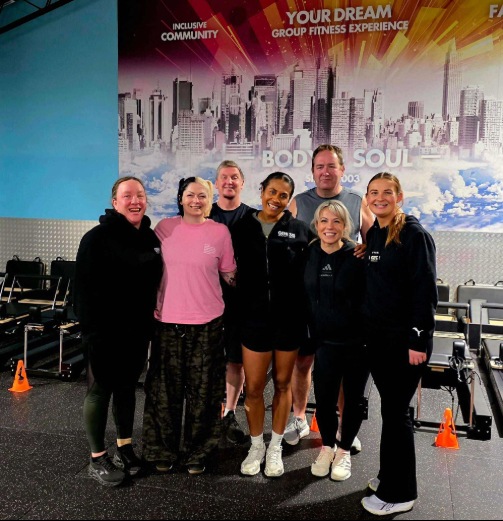
Finally, how will you and your newly-qualified CEREMONY Instructors launch the workout to members?
MT: We’ll kick off with a CEREMONY week featuring extra classes to encourage everyone to join and experience it. During that week, we're going to be talking about a new six-week challenge and building a buzz.
The coaches who haven't taught before will shadow coach alongside those who are already instructing programs, to help build their confidence. Everyone feels a little bit better if they’ve got someone beside them. We’re getting special T-shirts to make everyone feel really connected and motivated to make the launch go off.
We asked two of Mel’s newly-qualified teammates to share how the transition from member to Instructor felt. Here’s what they had to say:
Being invited to become an Instructor made me feel valued and trusted. It showed me that others saw potential in my knowledge and communication skills, which boosted my confidence. It also pushed me to hold myself to a higher standard – to prepare better, explain more clearly, and think deeply about how others learn. In short, it transformed me from someone who simply knew things into someone responsible for helping others grow.
Instructor training challenged me in a good way. It pushed me to step outside my comfort zone, think more intentionally about how people learn, and become more aware of my own strengths and areas to develop. I came away feeling more prepared and motivated.
The highlight of the whole process has been developing a deeper understanding of how sessions run behind-the-scenes and how much intentional planning goes into creating a great experience. Being part of the team has changed the way I look at every class, and I’ve enjoyed learning how to adapt coaching to different abilities and personalities.
- Mary
Being approached to become an Instructor was a huge honour for me. It really pushed me to step outside my comfort zone and gave me the confidence to take on the challenge. Transitioning from being a member to an Instructor felt like a big leap, but that recognition made me believe I could truly make a difference.
Instructor training was an epic challenge for me in many ways. However, the guidelines, videos, and in-person training were incredibly thorough. They really helped me understand the structure of becoming a coach and gave me the tools I needed to succeed. My favorite moment since transitioning from a member to an Instructor has been diving deep into the coaching aspect. I’ve enjoyed learning various coaching techniques and being able to support and motivate members to have a killer class. It’s so rewarding to see them thrive!
- Kellie
WANT MORE LOYAL MEMBERS IN YOUR CLUB?
Get the report that tells you who your Most Valuable Participants (MVPs) are, the areas of the club they're gravitating towards, and how you can drive growth and retention by creating more of them.
DISCOVER MORE