What does 'science-backed' truly mean?
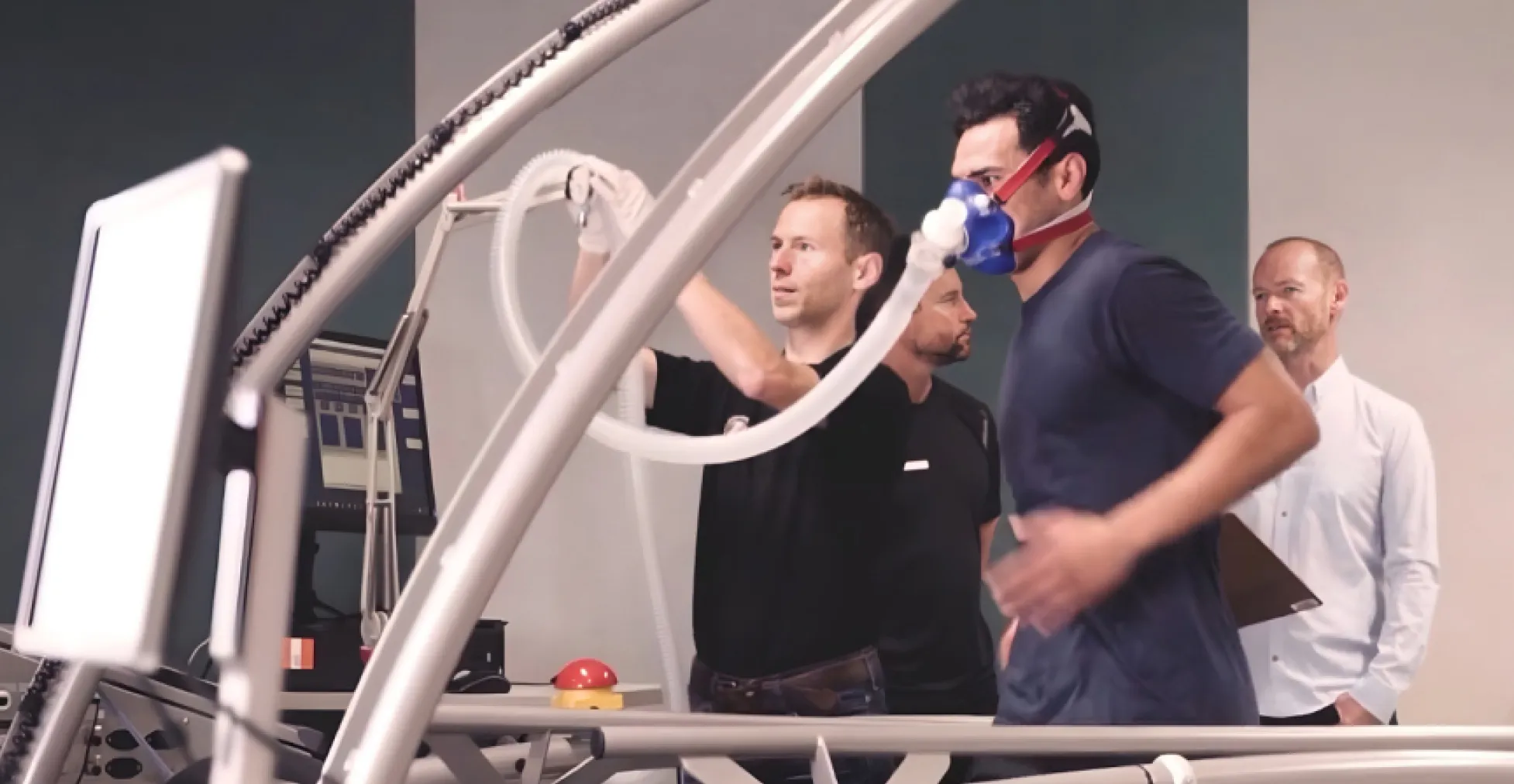
The phrase ‘science-backed’ is everywhere, yet few people know what it takes to genuinely earn it. At Les Mills, science isn’t a slogan; it is a serious investment in testing, data, and decades of research. Head of Research Bryce Hastings lifts the lid on what happens behind the scenes, why time in the lab matters, and how this work shapes the workouts millions rely on every day.
Firstly, can you share what being Head of Research at a fitness company looks like?
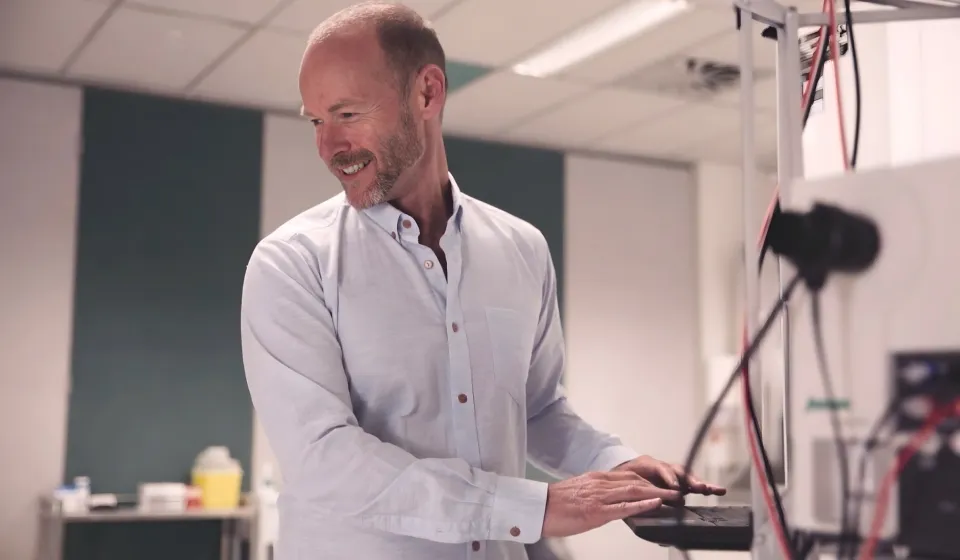
Bryce: “I’ve been involved with Les Mills for over 30 years, originally starting as a physiotherapist. Now, as Head of Research, I lead a team who ensure that every workout is effective and safe. It also involves partnering with researchers at top universities such as Penn State and Iowa State University to conduct research related to the physiological effects of exercise and psychological factors such as motivation. For us, ‘science-backed’ isn't just a buzzword; it means we obsess about the details, so our partners and participants don’t have to.”
LES MILLS™ programs are scientifically tested to provide optimum results. Why do you invest so heavily in time 'in the lab'?
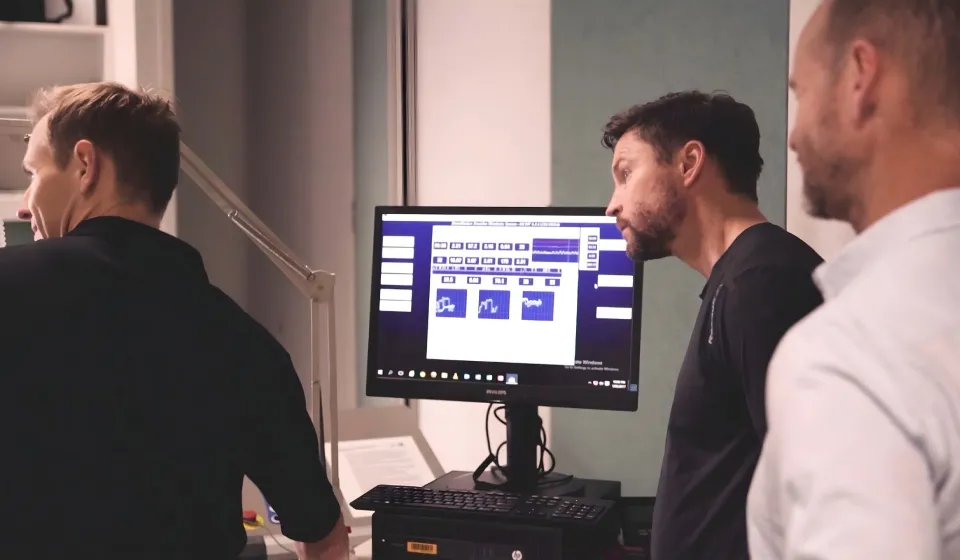
Bryce: “Yes, the extent of our testing is unique because research is a huge part of who we are. We take avery scientific, responsible approach to creating workouts. In an era of misinformation, our investment in research creates confidence. Our Instructors can teach confidently, and you can be confident the workout you’re doing is effective and safe. We constantly test, iterate, and revise workouts before they’re released. We effectively act as the ‘fence at the top of the cliff’ regarding injury prevention and results, rather than the ambulance at the bottom.”
When a new program or release is first conceptualized, how do your team and the creatives work together?
Bryce: “It is a collaborative process. We work with the creative team to ensure the choreography is safe and appropriate for the group we are targeting. The creatives work in teams to test and iterate. My team reviews the choreography to ensure it meets safety guidelines and delivers the intended training effect. Science ensures the structure works, while creativity ensures it’s an experience people love.”
How do you design and test programs so they work for all fitness levels?
Bryce: “We focus on ‘autonomy’ and ‘inclusivity’. Research shows that beginners often feel intimidated and dislike being challenged too early. Therefore, we ensure there are low-complexity, low-intensity options that deliver a training effect appropriate for someone new to fitness. For advanced participants, we ensure the intensity can be scaled up (like high-impact options). The goal is to allow everyone to find their own level within the same class.”
Is there a fine line between over exertion and healthy ‘pushing yourself further’?
Bryce: “The first thing to remind ourselves is that the vast majority of adults aren’t meeting the exercise guidelines of 150 minutes of moderate-to-vigorous exerciseper week, a couple of strength sessions, and some core/flexibility work. In my view, getting as many people as possible to meet these guidelines is our biggest priority.
Yes, recovery is really important. But, in light of the above, for most people, I think it's recovery from life (stress and anxiety) that’s key, rather than recovery from the physiological effects of exercise.
However, when it comes to the 100,000 Instructors we support, it’s a different story. We know from previous research that our Instructors are a high-volume training group, which means they need to be mindful of using recovery strategies (one complete day off per week) to keep them at their best, particularly when they’re adding high-intensity sessions into their weekly routine.”
How do biomechanics influence choreography, and what safeguards are in place?
Bryce: “We review every release to ensure moves are biomechanically sound for the general population. For example, in BODYPUMP™, we don’t squat below 90 degrees of hip and knee flexion. This ensures we are maximizing muscle load while minimizing joint stress. We also sign off on the cueing and coaching in every release to ensure the Instructor has the tools to keep everyone safe.”

Can you share some other examples of how science or testing shapes workout structure?
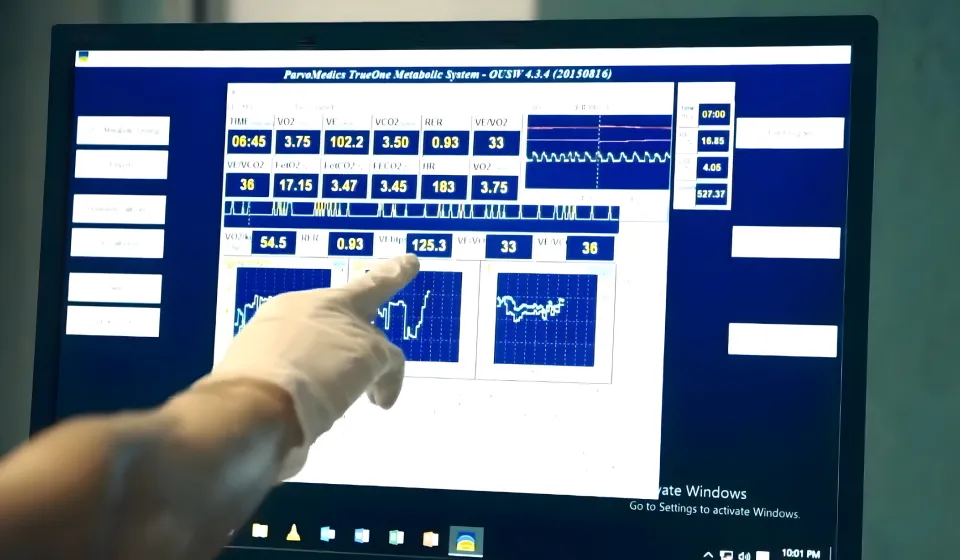
Bryce: “This is really evident in our high-intensity interval training workouts, where the goal is to spend 20 of the 30 minutes above 85% of max heart rate. With LES MILLS GRIT™, this means the workouts are shaped without a cooldown track. We found that the core track provided enough recovery to bring the heart rate down after the peaks in the working tracks. Without the recovery track, it maximizes the ‘bang for your buck’ in 30 minutes – meaning it’s all you need to do for that day.
In LES MILLS SPRINT™, our cycle HIIT workout, we’ve found if there are too many speed tracks in succession, or if the cadence of a track is too low, heart rate testing shows a drop in intensity. When this happens, we work with the team to change the track order to maximize the HIIT response.
We also spend time in the Lab making sure we use the smartest approach for different program formats. For example, a full BODYPUMP workout is typically 55 minutes, but we also offer a 45-minute format. For this, we don’t just cut out 10 minutes. We’ve designed the lunge–shoulder track and the bicep–tricep track, which enables the shorter version to have a similar energy output to the longer one, due to the integrated style of the tracks.
How do you scientifically measure enjoyment, and why is ‘fun’ so important?
Bryce: “Some of our research has looked at ‘enjoyment’ and ‘intention to return’ via surveys. Intrinsic motivation – essentially enjoyment – is a critical predictor of long-term adherence. If people don’t enjoy aspects of their workout experience (e.g., the Instructor, the music, or the group), it becomes much harder to make it a habit. Our research shows that when people feel connected and enjoy the experience, their exertion levels actually increase, sometimes without them even realizing they’re working harder.”
Have you noticed a shift away from ‘extreme’ workouts toward a more holistic approach?
Bryce: “Absolutely. We’re seeing a massive shift from ‘fitness’ (aesthetics, calorie burn) to ‘wellness’ (longevity, mental health). People want to move to feel good and live longer, not to get shredded. Removing any focus on calorie counts aligns with this – focusing on the quality of the movement and its health benefits (like cardiovascular health and strength) rather than just energy expenditure.”
How is fitness science evolving at Les Mills?
Bryce: The science moves with the trends. With each new development comes a new opportunity. For example, we are currently looking at the effects of breathwork in the LES MILLS YOGA™ series on performance in recreational runners.
We wouldn’t have even thought about that 18 months ago.
That’s the fun bit – there's always more to explore.
Keen to learn more about specific research studies?
Check out the library of independently published research studies.
LES MILLS RESEARCH
Watch: Behind the scenes of LES MILLS workout creation
.webp)
More about the author
Emma Hogan
Emma is a health and fitness writer with 20 years of experience creating evidence-based features that bridge the gap between scientific research and real-world application. Based in New Zealand, she works with global exercise scientists, physiotherapists, and internationally recognized fitness experts to uncover the latest insights in health, fitness, and human performance.
Known for making complex topics accessible and engaging, Emma writes on everything from strength training and recovery to motivation, behavior change, and lifelong wellbeing. Her work helps readers navigate an increasingly crowded health landscape and make informed choices grounded in credible research rather than trends or misinformation.