THE NUTRITION BASICS
If you’re looking to make a change and get healthier, exercise is an important step in the right direction. But for overall health, and for weight maintenance or weight loss, what you eat is much more important than how or how often you work out.
Experts often put the impact of food on health at 80 percent, with exercise at 20 percent. So you’ll give yourself a huge boost towards your health goals if you pay attention to what you eat, as well as how you exercise. Here are the basics:
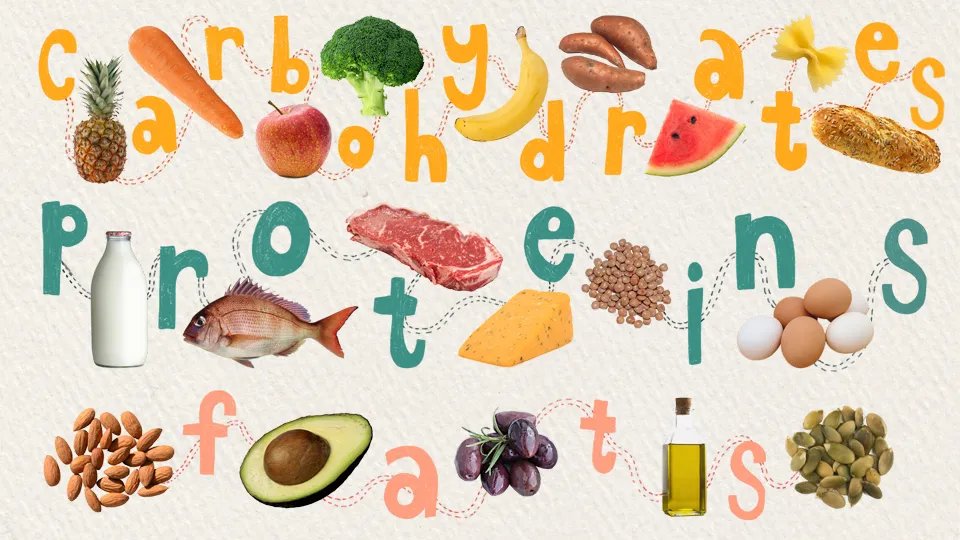
We need all three macronutrients – carbohydrate, protein and fat – for optimum health.
Carbohydrates are the preferred fuel for most cells in the body. Your main energy source, carbs are important for fueling the body and brain, protecting our muscles and feeding the bacteria in the gut.
Carbohydrate-rich foods include starchy vegetables (potatoes, sweet potato, taro); breads; pasta; rice and other grains and legumes and dairy.
Healthier carbohydrates are in whole, unprocessed versions of these foods: veges and fruit, whole grains rather than white, processed ones.
Proteins are important “building blocks” for our bodies. Proteins are in every one of our cells, where they’re used to build and repair tissues; to make enzymes and hormones, and to build muscle, bone, cartilage, skin and blood.
Protein-rich foods include meat, chicken and fish; tofu; eggs; dairy products, nuts, beans and other legumes.
Healthier protein foods are the above foods in their most whole, natural forms.
Fats are also necessary for every cell in our bodies. They help us absorb some vitamins (vitamins A, D, E and K) and help regulate hormones. Fats provide energy and build energy reserves, and protect and insulate our organs.
Fats are found in meat, fish, chicken and dairy; in oils; spreads; nuts and seeds.
Healthier fats are olive, avocado and seed oils, nuts, seeds and some dairy.
We also need some micronutrients from our food. The World Health Organisation calls micronutrients “magic wands that enable the body to produce enzymes, hormones and other substances essential for proper growth and development.”
Here are some of the important ones:
- Iron: helps transport oxygen throughout the body. If we don’t have enough, we’re likely to have lowered immunity and can become anaemic. Iron is found in: red meat (the best source), chicken and fish; grains, vegetables and legumes; nuts and eggs also contain some.
- Vitamin A: is important for vision, the immune system, skin and growth in children. Vitamin A is found in: liver, oily fish, milk, egg yolk and cheese.
- Iodine: is necessary to make thyroid hormones, which control the body's metabolism and are responsible for bone and brain development during pregnancy and infancy. Iodine is found in: fish and seafood; seaweed (e.g. nori and kelp); small quantities in dairy foods, vegetables and meat; fortified foods such as salt and bread in some countries.
- Vitamin C: is essential for keeping gums, teeth and bones healthy; helping wounds heal; helping the body resist infection; helping the body absorb iron and forming collagen to build bones and blood vessels.
Vitamin C is found in: colorful fruits and vegetables. - Calcium: is essential to build and maintain bones; enables the blood to clot and muscles to contract and helps regulate blood pressure. Calcium is found in: dairy (the best source) especially milk, cheese and yoghurt. It can also be found in fortified non-dairy milks; sesame seeds, nuts, prawns, sardines and dark green vegetables.
What are the basics of a good diet?
To get the essential nutrients and micronutrients, we need to eat a wide variety of food. The composition of a healthy diet can vary; different people need different combinations of foods and in different amounts.
Around the world, there are groups of people who stay healthy and live the longest. Known as the Blue Zones, people in these communities eat very varied diets. But there are some common factors, which are reinforced by scientific evidence. These factors are:
- An emphasis on plant foods – eating “mostly plants”, whether we include animal products or not – is clearly associated with good health
- An emphasis on whole, unprocessed foods – limiting refined carbohydrates, added sugars and processed foods – is important for good health.
Is there an ideal ratio of carbohydrates, protein and fat?
We’re all different, and our needs for different nutrients can really vary. A good basic guide, though, is to consider the “ideal plate” model for every meal. That means:
- half a plate of colorful, non-starchy vegetables and/or fruit;
- a quarter of a plate of carbohydrate food;
- a quarter of a plate of protein food.
This model can apply to simple meals as well as mixed meals like pasta or stir-fried dishes. People’s ages, activity levels and some health conditions can affect whether we need more or less of a particular nutrient. Seek expert advice from a nutritionist or dietitian if you’re not sure what’s right for you.
How often should I eat?
The traditional “three meals a day” model is a pattern of eating that fits in with many people’s lifestyles. And breakfast eating is associated with positive health outcomes, including weight management. But overall, the evidence suggests it doesn’t really matter too much when we eat, as long as we get the nutrition we need from the meals and snacks we have in our days and weeks.
How should I eat if I’m exercising?
Whether you’re working out, playing sport or going for a run, food can make a difference to how much energy you have, and how well you recover from your workout. Remember though, it’s the food you eat most of the time – your basic, healthy, everyday diet – that’s the most important, not the food you eat before or after a workout.
What should I eat before and after exercise?
If you’re working out first thing in the morning, you may be better off not eating; your body can only use food it’s already digested. After your morning workout, make sure you get a meal containing carbs and protein within two hours.
If you’re working out during the day or the evening, make sure you’ve had a meal with carbs and protein in it three to four hours before your workout; or a snack containing protein and carbs an hour or two before your workout. After your workout, make sure you have a meal within two hours.
Try to avoid “rewarding” yourself with extra food or drink after a workout; you could easily undo all your good work with a poorly-chosen snack.
What about water?
Hydration is really important for keeping us well during the day, whether we’re exercising or not. We lose water naturally through breathing and sweat; when we exercise this can happen faster. Make sure you stay hydrated with water as your main drink; keep an eye on your urine colour to tell you how you’re doing: pale is good.

Niki Bezzant is a New Zealand-based food writer, editor and commentator. She is the founding editor (now editor-at-large) of Healthy Food Guide magazine, and is currently president of Food Writers New Zealand and a proud ambassador for the Garden to Table program which helps children learn how to grow, cook and share food. She is a member of the Council of Directors for the True Health Initiative, a global coalition of health professionals dedicated to sharing a science-based message of what we know for sure about lifestyle and health.
If you want more health and fitness inspiration simply sign up to Fit Planet and get the freshest insights and advice straight to your inbox.
Illustration by Anieszka Banks

Fit Planet
Why exercise fights depression: scientists uncover how muscles talk to the brain

Fit Planet
Exercise for mental health: What the research says about feeling happier, healthier, and more resilient
Fit Planet
How to become a group fitness Instructor: A step-by-step guide

Fit Planet
Why music makes exercise feel easier, more enjoyable, and more effective

Fit Planet
Are you eating enough to support your workouts? 7 signs you're under-fueling your training

Fit Planet
10 signs you'd make a great group fitness Instructor

Fit Planet
Does exercise help you lose weight? What the science really says

Fit Planet
How much strength training do you need to live longer? Scientists say 90-120 minutes per week

Fit Planet
Should you change your workouts based on your menstrual cycle?

Fit Planet
When is the best time to exercise? Morning vs evening workouts explained

Fit Planet
What is CEREMONY HYROX? A complete guide to the new Les Mills x HYROX workouts

Fit Planet