LifeFit Group’s CEO shares strategy for driving retention, referrals and revenue

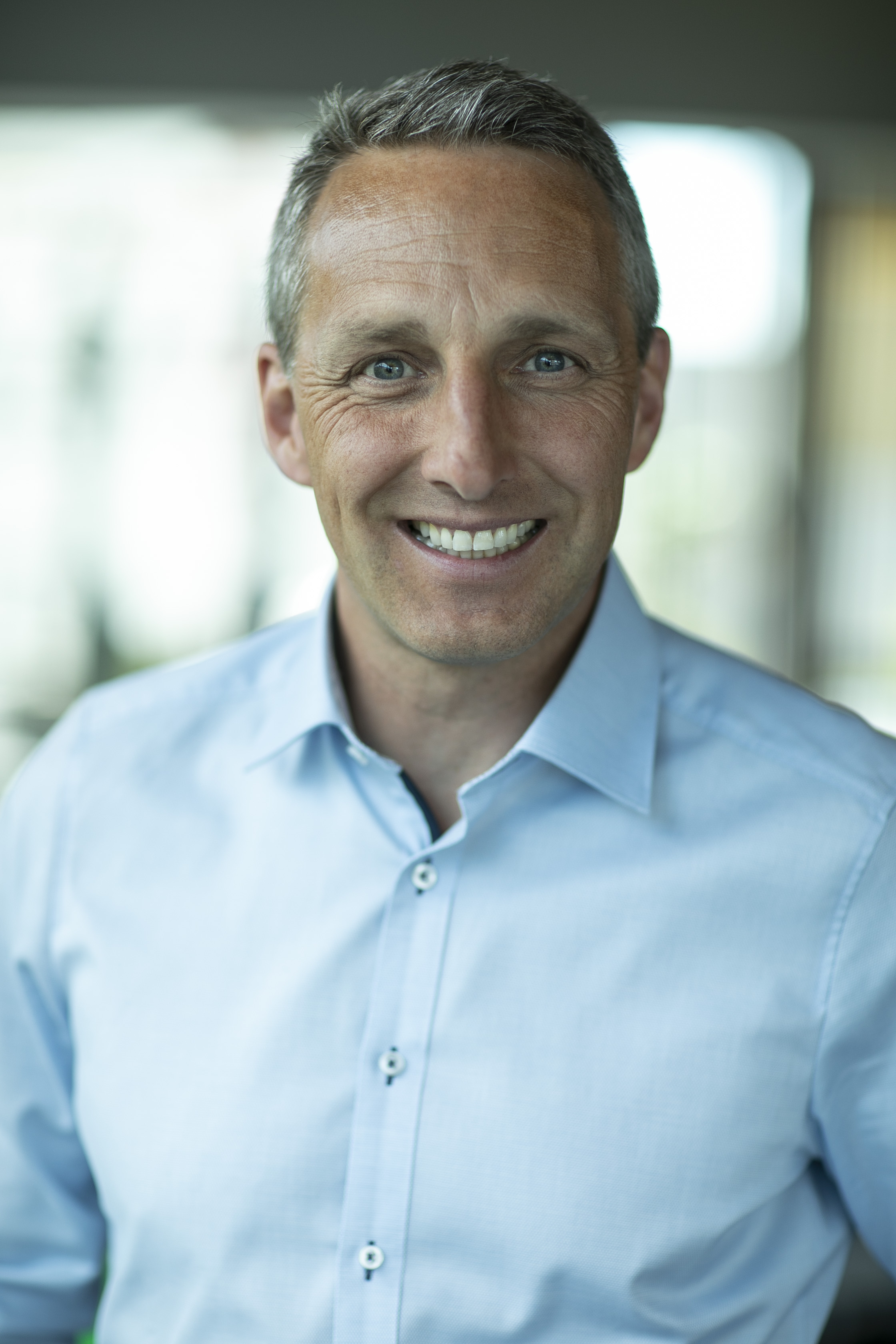
Martin Seibold, CEO of LifeFit Group, oversees 230 clubs across Germany and Austria. He shares his perspective on the trends shaping the fitness industry, the challenges facing today’s operators, and why group training continues to be one of the most powerful drivers of member engagement, retention, and business growth.
How are changing member expectations shaping your strategy?
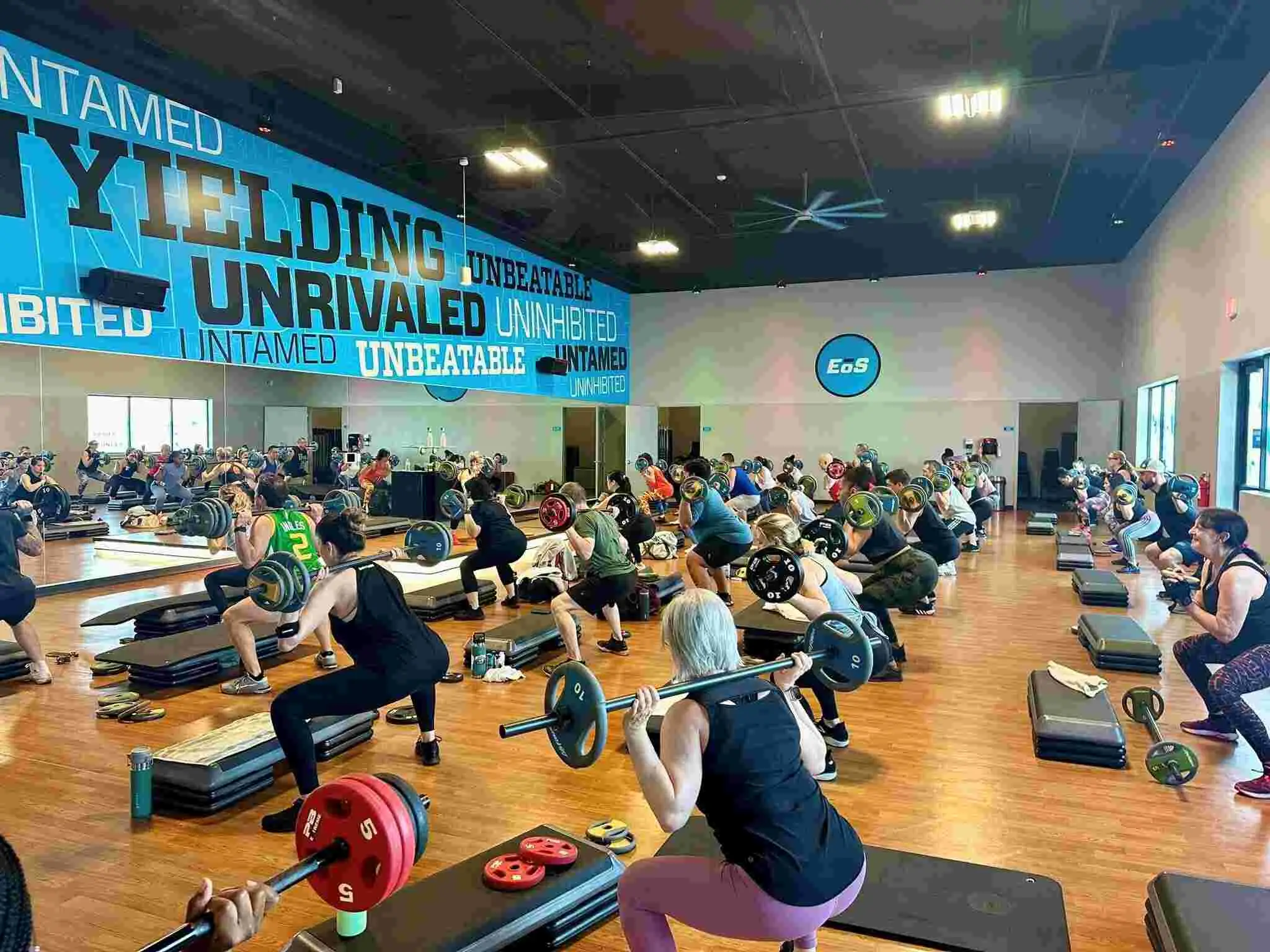
Martin Seibold (MS): The great news is we have a lot of young people coming into the industry. 15% of the adult population in our region are now members of a gym, but over 30% are under 27. That brings a whole different level of expectation from our members. A lot has to do with strength development, so it's been invaluable to lean on Les Mills as they continue to develop innovative programs that help operators meet those needs and deliver a compelling member experience.
In addition, members want way more variety. In the past you had a limited range of modalities and types of classes to add to your timetable. Now you probably have 10 to 12. Les Mills has the eight most in-demand categories, and we can pick and choose them.
What strategies have been key in driving growth in your business?
MS: We are fortunate to be the merger and acquisition consolidator in the German industry. We went from 50 clubs in 2018 to over 230 now in autumn of 2026. We have completed 14 transactions with over 170 clubs, and we’ve seen a significant shift in the industry. Larger operators are increasingly able to maximize the benefits of the innovation, expertise and support the wider fitness industry has to offer.
This empowers us to roll out new, in demand modalities, like HYROX, and invest in our gym floors. With these things in place, we make our clubs irresistible. And it’s not just investment that drives that. We have lots of tactics to deploy, like how we structure our timetable, for example.
We think carefully about what classes we offer throughout the week. Variety is important because it keeps the experience fresh. When you get that balance right, members are more likely to return regularly and visit the club more often. We reduced the proportion of non-members attending our classes from around 25% to below 20%, as more participants chose to become members. Once you have a loyal member base, your referrals skyrocket, so you don't need sales teams, you don’t need to chase leads, you just create happy members. They will do the work for you.

How do you approach your group training strategy?
MS: Experience has told us doing it to differentiate without good reason doesn’t make smart business sense. Creating our own group training workouts would cost a fortune. That’s why Les Mills classes make up around 41% of our timetable and we lean on them heavily. They offer a scalable, reliable format that allows members to get the motivation and results they seek, while offering us as a business the chance to jump on new trends at pace.
If you have the same treadmill and equipment as all of your competitors, why would you think that you have to differentiate when it comes to group training? It’s a no-brainer for us to keep choosing Les Mills. Hand it over to the experts, and let them deal with the motivation, science and outcomes. That way our members get a workout they keep coming back for, because it’s distinct, compelling and difficult to replicate. I’m very happy for my competitors to do their own thing because the stats speak for themselves: annual group training classes have grown from 50,000 in 2018 to 280,000 in 2026, while the proportion of Les Mills classes has nearly doubled, rising from 21% to 41% of all timetable slots.
What other trends and innovations are you exploring?
MS: With the shift in member profile skewing younger, it puts us in the hot seat of needing to explore new trends, so we embrace a test-and-learn mentality. Recovery is a hot topic right now. You can have recovery classes, of course, but recovery equipment offers another way to meet member needs. In some of our gyms currently, we’re testing Theraguns, compression boots and massage chairs.
During the trial period we saw a huge uptake, so we’re rolling it out across our Black Clubs in 2027 and that required investment. If you have around €10,000 per site as an investment, and you invest that 50 times, that's quite a decent amount. But investment has worked well for us. In the past eight years, net member yield at Fitness First Black clubs increased from €49 to €62.70 per member, and those clubs achieve 70% retention.

Why is it important to design clubs that can evolve over time?
MS: Flexibility is key for all operators, and we are no different. We call our approach to flexibility ‘The IKEA system’. Because when you walk into an IKEA store, you see different spaces: bedrooms, kitchens, living rooms. It's relatively easy to refresh those spaces by changing the furniture, layout, or a few design elements. That's how we think about our clubs. We don't build fixed, rigid spaces. Instead, we create flexible environments where everything can be moved and adapted, allowing us to respond quickly to changing consumer demands.
How can clubs drive growth without placing additional strain on existing capacity?
MS: Our clubs are busy and that’s great, but of course it adds operational pressure, especially at peak periods. This is where Covid was a positive for us. With more flexible working models now in place for many, members are able to visit throughout the day rather than just at peak times. Digital solutions have also helped support that shift.
In order to make this shift work for members and our business, we’ve really finessed our timetables. We now schedule classes during times that were traditionally considered off-peak. By putting classes on the timetable throughout the day, we're able to attract members at different times and take pressure off our busiest areas.
Generally across the industry, studios are often not fully utilized by clubs. A strong group exercise offering can take significant pressure off the gym floor. We've increased the number of classes we run per club considerably, from an average of around 25 a week to more than 40. By offering more variety in our timeslots, it’s helping spread usage more evenly throughout the day.
We're also shortening class lengths from 60 minutes to 45 minutes. That allows us to fit more sessions into the same time window. For example, over a three-hour period, we can now run four classes instead of three. The result is greater capacity, more choice for members, and even less pressure on the gym floor.

How do you measure the business impact of your group training offering?
MS: We routinely ask our members if they are enjoying what we offer in club. That allows us to measure on the NPS score if they would refer us to a friend. And we use that measure alongside attendance. It allows us to quickly find out how effective the class was. Did the class help them move and de-stress? Or did it create an experience memorable enough to recommend to a friend?
We try to take the classes with a low NPS score off the timetable. It’s not only about attendance, because on a Monday night at 6 o'clock, you could put any class on the timetable and it would be full. We’re tracking attendance and referrals. That's when it's economically very beneficial to us as an organization.
Does the future of fitness belong to people or AI?
MS: I think right now we’re asking the wrong questions about the role of AI and robots. Instead of asking, ‘What should robots do?’ at LifeFit Group, we ask ourselves, ‘What should people still be doing?’ When you work with large teams of people, that’s the better question, because a lot can be automized but some parts of our business will only ever thrive through people.
So we take thinking about how we use our teams very seriously – how they interact, and how we build meaningful communities. And I think that's the next big thing – it’s not about the next modality. It's about how humans will live and work as a society.
READY TO UNLEASH YOUR NEXT GENERATION OF MEMBERS?
Les Mills has crafted a new series of programs to meet the specific demands of Gen Z and put your club in the fast lane for growth.
READY TO UNLEASH YOUR NEXT GENERATION OF MEMBERS?
More about the author
Jo Bryce
Jo is a content specialist focused on the global fitness industry. Her role (as Global B2B Content Manager) at Les Mills brings the latest fitness and wellness developments to life, translating research, trends and real-world operator experiences into practical strategies that help fitness businesses navigate a rapidly evolving market.
As a writer, Jo has worked across a range of sectors spanning broadcast, technology and fitness, developing content for both consumer and business audiences. She holds a Master's degree in English Literature and enjoys running and boxing.